Source Automatic Level for Construction Surveying and Engineering
Find 30 Automatic Level models from Jiangxi and China with varying magnification and accuracy. Buyers can compare specifications like 32X and 28X magnification, 0.5mm accuracy, and waterproof ratings for construction and engineering projects.
Key considerations
Products List


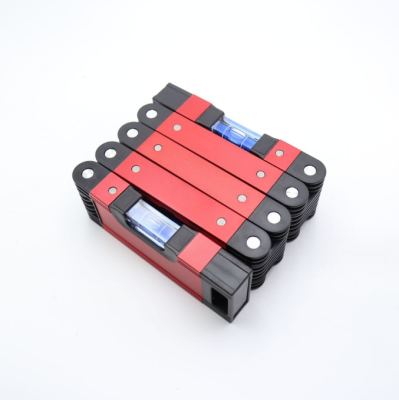
Automatic Level Surveying Automatic Level Measuring Instruments Automatic Level
$289.00 - $299.00
MOQ: 1 Pieces


Comprehensive Sourcing Guide
Strategic Sourcing Guide for Automatic Level Instruments
The procurement of Automatic Level instruments represents a critical decision point for construction, engineering, and surveying firms seeking precision in elevation control. These optical and electronic devices are fundamental to establishing horizontal planes over varying distances, ensuring structural integrity and alignment in large-scale projects. The market presents a diverse array of models, ranging from basic optical levels to advanced electronic systems with digital readouts. Buyers must navigate a complex landscape of specifications, including magnification power, accuracy ratings, and environmental durability, to select equipment that aligns with specific project requirements. This guide outlines the essential factors for sourcing automatic levels, focusing on technical verification, compliance standards, and long-term value assessment based on current market observations.
Technical Specifications and Performance Verification
When evaluating automatic levels, the primary focus must be on the optical and mechanical specifications that directly influence measurement precision. The magnification power is a key indicator of the instrument's ability to resolve distant targets. Market observations indicate a range of magnification capabilities, with specific models offering 28X or 32X power. A higher magnification factor generally allows for better reading of graduations on leveling staffs at extended distances, though it may narrow the field of view. Buyers should verify the specific magnification rating against the intended working distance; for instance, models with a shortest sighting distance of 0.5 meters or a shortest focusing distance of 0.3 meters offer greater flexibility for close-range work compared to those with a minimum of 0.65 meters.
Accuracy is the most critical performance metric. The industry standard for high-precision automatic levels often cites accuracy figures such as 0.5"/0.3" (arc seconds per kilometer) or linear measurements like less than 1mm over a specific distance. Procurement teams must distinguish between optical levels, which rely on the human eye to center the bubble, and electronic reading models that utilize sensors. Electronic reading variants often specify capabilities such as 1.5mm or 0.7mm reading distances, which denote the resolution of the digital sensor. Furthermore, the objective aperture, typically ranging from 38mm to 40mm, determines the light-gathering capability and image brightness, which is vital for low-light conditions.
The field of view is another technical parameter that dictates operational efficiency. A field of view of approximately 1°20" allows the operator to see a broader section of the leveling staff, reducing the time required to locate the target. Additionally, the configuration of the crosshairs, specifically the presence of horizontal and vertical lines, is essential for alignment. Some models feature a single horizontal line with vertical lines, while others may offer multiple vertical lines (up to four) to assist in rapid centering. The image orientation, typically described as "erect," ensures that the view through the eyepiece matches the natural orientation of the ground, reducing operator fatigue and error.
Compliance, Certification, and Standardization
Ensuring that automatic levels meet international and regional standards is a non-negotiable aspect of B2B procurement. While specific certification bodies vary by region, the presence of recognized standards such as SGS indicates a commitment to quality control and material safety. Buyers should request documentation verifying that the instrument conforms to relevant metrological standards for surveying equipment. The standard weight of certain models, observed at 1.5kg or 1.81kgs, provides insight into the build quality and portability. Heavier instruments may offer greater stability in windy conditions, while lighter models enhance mobility for surveyors moving frequently across a site.
Waterproofing and environmental resistance are also critical compliance factors. The IP rating system is commonly used to define ingress protection. An observed rating of IPX4 suggests that the instrument is protected against water splashes from any direction, making it suitable for outdoor construction environments where rain or dust is a concern. However, buyers must verify if the specific model requires higher ratings for extreme weather conditions. Additionally, the connector type, such as M16 or 5/8" screw threads, must be compatible with standard tripods and mounting plates to ensure seamless integration into existing equipment fleets.
Cost Drivers and Pricing Dynamics
The pricing of automatic levels is influenced by a combination of technological complexity, build quality, and brand positioning. The observed market price range spans from $2.8 to $1500, reflecting the vast difference between basic optical models and high-end electronic systems with LCD displays. The lower end of the spectrum typically covers manual optical levels with standard magnification and basic durability. In contrast, the upper end includes instruments featuring digital readouts, enhanced accuracy, and robust waterproofing.
Minimum Order Quantity (MOQ) is another significant cost driver. The market shows an MOQ range from 1 to 500 units. For small contractors or individual surveyors, suppliers offering an MOQ of 1 are essential for immediate procurement without capital tie-up. Conversely, large construction firms or distributors may benefit from bulk purchasing tiers, where higher MOQs could unlock volume discounts. The unit price should be evaluated in conjunction with the total cost of ownership, including the cost of accessories, spare parts, and the expected lifespan of the instrument.
Typical Applications and Operational Context
Automatic levels are primarily deployed in construction and engineering applications where precise elevation control is required. These instruments are indispensable for setting out foundations, installing drainage systems, and ensuring the levelness of floors and ceilings. The measurement distance capabilities, ranging from 2.0 meters to 105 meters, define the scope of their utility. Models capable of measuring up to 105 meters are ideal for large-scale infrastructure projects, while those with shorter ranges are better suited for interior fit-outs or small residential projects.
The working time of the instrument, observed at 24 hours for certain battery-operated models, is a crucial factor for long-duration projects where frequent battery changes are impractical. Electronic reading models with LCD displays offer the advantage of data logging and reduced human error, making them suitable for projects requiring high data integrity. The application area is strictly defined as construction and engineering, but the versatility of the tool allows it to be used in topography, mining, and agricultural land leveling. Buyers should assess the specific operational environment to determine if the instrument's durability and accuracy ratings match the demands of the job site.
Supplier Evaluation and After-Sales Support
Selecting a reliable supplier involves more than just comparing product specifications; it requires a thorough assessment of after-sales support and service availability. The observed after-sales service period of 1 year is a standard benchmark, but buyers should verify the scope of this coverage. Does it include calibration services, lens cleaning, or replacement of damaged parts? The origin of the product, with observations pointing to regions like Jiangxi and general China origins, suggests a robust manufacturing base, but buyers must ensure that the supplier has a local presence or a reliable logistics network for repairs.
Customization is a key differentiator in the supplier landscape. The availability of customization options allows buyers to tailor instruments to specific project needs, such as adding specific mounting adapters or custom packaging. The packaging type, whether individual packages, cartons, or plastic cases with cartons, also impacts the protection of the instrument during transit. Buyers should request detailed packing specifications to ensure that the equipment arrives in optimal condition. Furthermore, the consistency of the product model numbers, such as AL8-13, HBDL-EAL, and various DSZ and DSC series, indicates a structured product line. Buyers should verify that the specific model number corresponds to the exact specifications required, as minor variations in model suffixes can denote significant differences in features.
Quality Control and Long-Term Procurement Considerations
Implementing a rigorous quality control process is essential to mitigate the risks associated with sourcing automatic levels. Buyers should establish clear acceptance criteria based on the observed specifications, such as verifying the accuracy claims of 0.5"/0.3" or the waterproof rating of IPX4 through independent testing or third-party verification. The consistency of the product attributes, such as the horizontal and vertical line configurations, must be confirmed upon receipt. Any deviation from the agreed specifications should trigger a rejection or a return process.
Long-term procurement considerations involve evaluating the total lifecycle cost of the instrument. This includes the cost of maintenance, calibration, and potential upgrades. The working time of 24 hours and the durability of the objective aperture are indicators of longevity. Buyers should also consider the availability of consumables and accessories, such as leveling staffs and tripods, to ensure that the instrument remains operational throughout its service life. The standard of the product, whether it meets specific weight standards or material requirements, should be documented to facilitate future audits and compliance checks.
In conclusion, sourcing automatic levels requires a balanced approach that prioritizes technical accuracy, environmental durability, and supplier reliability. By carefully analyzing the specifications, verifying compliance with standards, and evaluating the total cost of ownership, buyers can make informed decisions that enhance the efficiency and precision of their construction and engineering projects. The diversity of the market, with its wide range of models and price points, offers opportunities for optimization, provided that the selection process is grounded in rigorous verification and strategic planning.
| Feature Category | Observed Specification Range | Procurement Verification Point |
|---|---|---|
| Magnification | 28X, 32X | Confirm required viewing distance and target resolution. |
| Accuracy | 0.5"/0.3", <1mm | Verify against project tolerance requirements. |
| Measurement Distance | 2.0m - 105m | Ensure coverage matches site layout dimensions. |
| Waterproof Rating | IPX4 | Assess suitability for local weather conditions. |
| Weight | 1.5kg, 1.81kgs | Evaluate portability vs. stability needs. |
| Display Type | LCD Display (Electronic) | Determine if digital data logging is required. |
| Minimum Order Qty | 1 - 500 units | Align with budget and inventory strategy. |
| After-Sales Service | 1 Year | Clarify scope of warranty and repair logistics. |
FAQs
What magnification options are available for automatic levels?
Automatic levels typically offer magnification options of 28X or 32X. Higher magnification allows for better resolution of distant targets, though it may narrow the field of view. Buyers should verify the specific rating against intended working distances.
How accurate are the Automatic Level instruments listed?
Accuracy ratings observed include 0.5 arc seconds per kilometer or linear measurements under 1mm. These figures represent high-precision standards for construction and engineering applications. Procurement teams must distinguish between optical and electronic reading models when verifying these claims.
Can I customize the Automatic Level instruments for specific needs?
Customization is available for many Automatic Level models to meet specific project requirements. Buyers can request tailored features such as specific mounting adapters or custom packaging. This flexibility allows for better integration into existing equipment fleets.
What is the minimum order quantity for purchasing these levels?
The minimum order quantity ranges from 1 to 500 units depending on the supplier. Small contractors may find suppliers with an MOQ of 1, while large firms might benefit from bulk tiers. This range accommodates both immediate procurement needs and volume purchasing strategies.
Which waterproof rating do the automatic levels typically have?
Many models feature an IPX4 waterproof rating, protecting against water splashes from any direction. This makes them suitable for outdoor construction environments where rain or dust is a concern. Buyers should verify if higher ratings are needed for extreme weather conditions.
What is the working time for battery-operated automatic levels?
Certain battery-operated models provide a working time of up to 24 hours. This duration is crucial for long-duration projects where frequent battery changes are impractical. Electronic reading models with LCD displays often support this extended operational capability.