Source Automatic Mineral Wool Insulation Panels for Buildings
Find 30 listings for Automatic Mineral Wool Insulation Panels suitable for exterior tiles, interior tiles, and fireproof applications. Buyers can compare specifications like density, thickness, and fireproof grade from verified manufacturers in China.
Key considerations
Products List


Premium Mineral Wool Insulation Panels for Superior Energy Efficiency
$35000.00 - $75000.00
MOQ: 1 Sets


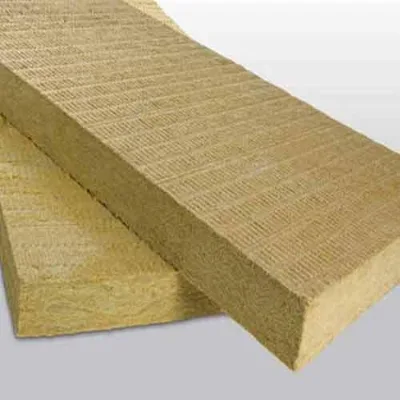

Mineralwool Insulation Panel Thermal Isolation Material Rock Wool Board
$0.38 - $3.98
MOQ: 1 Square Meters

$150.00 - $200.00
MOQ: 1 Pieces


China Factory House Insulation Mineral Wool Board Production Line Stone Panels
$0.50 - $3.00
MOQ: 1 Square Meters


China Mineralwool Insulation Rock Insulated Wall Mineral Wool Board
$0.90 - $1.20
MOQ: 1 Square Meters

Mineral Wool Insulation Rolls Fireproof Acoustic Rockwool Board Price
$0.90 - $1.20
MOQ: 1 Square Meters
Comprehensive Sourcing Guide
Strategic Sourcing Guide for Automatic Mineral Wool Insulation Panels
The global demand for high-performance thermal and acoustic solutions has elevated the importance of Automatic Mineral Wool Insulation Panels in modern construction and industrial infrastructure. These panels, often manufactured through automated production lines, offer a unique combination of fire resistance, thermal efficiency, and structural versatility. For procurement professionals, navigating the market requires a disciplined approach that distinguishes between verified product attributes and generic marketing claims. This guide synthesizes available market data to provide a framework for evaluating Automatic Mineral Wool Insulation Panels, focusing on technical specifications, compliance verification, cost structures, and supplier reliability.
Technical Specifications and Material Composition
Understanding the physical and chemical properties of mineral wool panels is the first step in any sourcing strategy. The core material typically consists of basalt or rock wool, which provides inherent fire resistance and thermal stability. In the current market, specific product models such as the Rock-01 and GX-180 indicate distinct manufacturing configurations. The material composition often includes a sandwich panel structure where mineral wool serves as the core, sandwiched between metal facings.
The density of the insulation material is a critical performance indicator. Market observations suggest a range for panel density between 40 and 200 kg/m³, while felt density specifically may vary between 40 and 100 kg/m³. Apparent density for certain configurations is observed between 60 and 180 kg/m³. These variations directly influence the thermal conductivity and acoustic dampening capabilities. For instance, higher density panels generally offer superior sound deadening, with specific units achieving ratings around 21.5 dB.
Dimensional specifications are equally vital for integration into building designs. Panel widths are frequently adjustable, with standard ranges observed between 500mm and 2000mm, and specific models offering widths of 95mm and more. The thickness of the panels typically spans from 30mm to 150mm, with some specialized models covering a range of 10mm to 70mm. Length is often customized to fit transport constraints, with a practical maximum of 11.8 meters due to logistical limitations. The metal sheet thickness used for facings usually falls between 0.4mm and 0.8mm, providing structural rigidity without excessive weight. Surface treatments often include prepainted finishes, with color options ranging from standard white to customized hues like yellow, depending on the specific application requirements.
Compliance, Certification, and Safety Standards
In the B2B procurement of insulation materials, compliance with international and regional safety standards is non-negotiable. Buyers must verify that suppliers possess valid certifications that align with the regulatory environment of the destination market. Common certifications observed in the sector include ISO standards, ISOROHS, and CCC (China Compulsory Certification). These certifications indicate adherence to quality management systems, environmental restrictions on hazardous substances, and local safety regulations.
Fire safety is a paramount concern for mineral wool products. The material is generally classified with a fireproof grade of 'A', indicating non-combustibility. The refractoriness of the mineral wool core is a key metric, with observed ranges between 800°C and 1400°C. This high-temperature resistance makes the panels suitable for applications requiring fire containment. Additionally, the temperature range for operational stability is typically cited between -40°C and 200°C, ensuring performance in diverse climatic conditions.
Buyers should also verify the "prod_standard" field, which often directs purchasers to check specific technical specifications rather than listing a universal standard number. This variability underscores the need for direct communication with the supplier to confirm that the specific batch of panels meets the project's regulatory requirements. The condition of the product is consistently listed as "New," and the manufacturing process is described as "Automatic," suggesting a high degree of consistency in quality control during production.
Cost Drivers and Pricing Dynamics
The pricing of Automatic Mineral Wool Insulation Panels is influenced by a complex interplay of material costs, manufacturing complexity, and logistical factors. The observed price range in the market is exceptionally broad, spanning from $0.26 to $350,000. This variance reflects the difference between small-scale component purchases and large-scale industrial project contracts. It is crucial for buyers to understand that unit prices are rarely static and depend heavily on the order volume and customization level.
Minimum Order Quantities (MOQ) also play a significant role in cost management. The market observes an MOQ range from 1 unit to 2000 units. For smaller projects, the flexibility to order single units may come at a premium, whereas bulk orders of 30,000kg or more can leverage economies of scale. Payment terms are typically structured as T/T (Telegraphic Transfer), which is a standard practice in international trade but requires careful financial planning.
Other cost drivers include the customization of the product. While the product is listed as "Customized" with available customization options, the extent of this customization affects the final price. Factors such as specific panel thickness, unique color requirements, and custom dimensions add to the manufacturing complexity. Furthermore, the origin of the product, primarily China, influences shipping costs and lead times, which are often factored into the total landed cost. Buyers should request detailed quotations that break down material, processing, and logistics costs to ensure transparency.
Typical Applications and Performance Requirements
The versatility of Automatic Mineral Wool Insulation Panels allows them to be deployed across a wide spectrum of industries. The primary applications include exterior and interior tiling systems, where the panels serve as both structural and insulating elements. The "Sandwich Panel" designation highlights their use in constructing modular buildings, cold storage facilities, and industrial warehouses. The feature set, including being lightweight, fireproof, and environmentally friendly, makes them ideal for modern architectural designs that prioritize sustainability and safety.
Specific performance attributes dictate the suitability of these panels for different environments. The waterproof advantage ensures durability in wet conditions, while the sound deadening capability is essential for residential and office spaces requiring acoustic privacy. The heat insulation feature is critical for energy-efficient building envelopes. The automatic grade of the manufacturing process ensures that the panels meet strict dimensional tolerances, which is vital for seamless installation in large-scale projects.
The design style is generally modern, aligning with contemporary aesthetic trends. The horizontal structure of the panels facilitates easy installation on walls and roofs. For applications requiring specific acoustic performance, the 21.5 dB sound deadening rating provides a measurable benchmark for buyers to compare against project requirements. The warranty period, often cited as 2 years, offers a baseline for product reliability, though buyers should verify if extended warranties are available for specific models.
Supplier Evaluation and Production Capabilities
Selecting the right supplier is as critical as selecting the product itself. Buyers should evaluate suppliers based on their production capacity, customization capabilities, and after-sales support. The supply chain data indicates that manufacturers are located in China, with some explicitly stating they are sandwich panel manufacturers. A key differentiator is the ability to support customization, which is widely available in this sector.
Production capacity is another vital metric. Some suppliers report annual production standards ranging from 5,000 to 30,000 tons per year. This capacity ensures that large orders can be fulfilled without significant delays. The transmission method for the manufacturing equipment is electric, and the process is fully automatic, which reduces human error and enhances product consistency.
After-sales service is a crucial component of the supplier evaluation. Online technical support is a standard offering, allowing buyers to resolve installation or technical issues remotely. However, buyers should also inquire about on-site support availability for complex projects. The packing requirements are often customized according to customer needs, with standard options including 300,000kg loads, but flexibility is key to ensuring safe transport.
Quality Control and Long-Term Procurement Considerations
Maintaining quality throughout the procurement lifecycle requires a robust quality control strategy. Buyers should insist on pre-shipment inspections to verify that the panels meet the specified density, thickness, and fireproof grade. The "prod_packing" field suggests that packaging should be tailored to customs requirements, which is essential for preventing damage during international transit.
Long-term procurement considerations involve the lifecycle management of the insulation panels. The 2-year warranty provides a starting point, but buyers should assess the long-term durability of the prepainted surface and the integrity of the metal sheet thickness over time. The environmental features of the panels, such as their recyclability and low environmental impact, should be verified against corporate sustainability goals.
Furthermore, the adaptability of the product to future changes is important. Since the product is customizable, buyers should ensure that the supplier can accommodate design changes or additional orders without compromising quality. The standard verification process should include checking the "prod_standard" documentation for each batch to ensure compliance with the latest safety and performance regulations.
Conclusion
Sourcing Automatic Mineral Wool Insulation Panels requires a meticulous approach that balances technical specifications, regulatory compliance, and cost efficiency. By focusing on verified attributes such as density ranges, fireproof grades, and customization options, buyers can make informed decisions that align with their project requirements. The broad price range and diverse product models available in the market offer flexibility, but they also demand careful supplier evaluation to ensure quality and reliability. Ultimately, a successful procurement strategy relies on clear communication, rigorous quality control, and a thorough understanding of the product's performance capabilities in the intended application environment.
FAQs
What certifications do Automatic Mineral Wool Insulation Panels have?
These panels typically hold ISO, ISOROHS, and CCC certifications. Buyers must verify specific batch compliance as standards vary by model and region.
How thick are the Automatic Mineral Wool Insulation Panels available?
Panel thickness ranges from 30mm to 150mm, with some specialized models offering 10mm to 70mm. Custom lengths are available up to 11.8 meters.
Can I customize the color and size of these panels?
Yes, customization is available for colors like white or yellow and specific dimensions. Customization options extend to panel width and thickness to meet project needs.
What is the fireproof grade of Automatic Mineral Wool Insulation Panels?
The fireproof grade is classified as A, indicating non-combustibility. The material withstands temperatures between 800°C and 1400°C, ensuring high safety standards.
Which suppliers offer Automatic Mineral Wool Insulation Panels with low MOQ?
Suppliers offer Minimum Order Quantities ranging from 1 to 2000 units. Buyers can find vendors with flexible MOQs to suit small or large project requirements.
What is the sound deadening capability of these automatic mineral wool panels?
Specific units achieve a sound deadening rating of 21.5 dB. This acoustic performance makes them suitable for environments requiring noise reduction and privacy.
How long is the warranty for Automatic Mineral Wool Insulation Panels?
The standard warranty period is 2 years for new products. Buyers should confirm if extended warranties are available for specific models or bulk orders.