Source Automatic Mig Welding Wire Feeder for Steel, Auto, and Construction
Find 30 Automatic Mig Welding Wire Feeder units from verified Chinese manufacturers. Buyers can compare models like Et-Dqssj22 and Et-Sqssj17 based on wire diameter, voltage, and feeding speed to select the right equipment for industrial welding tasks.
Key considerations
Products List


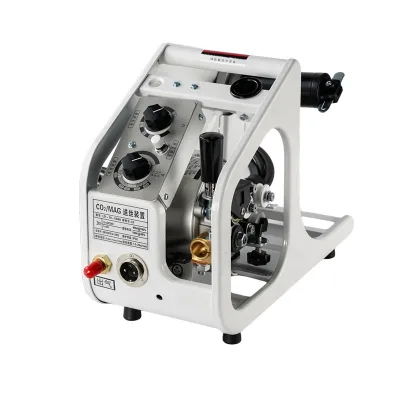
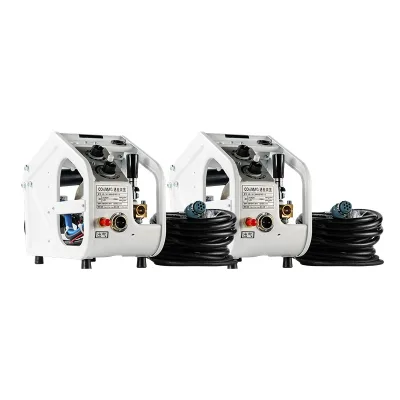
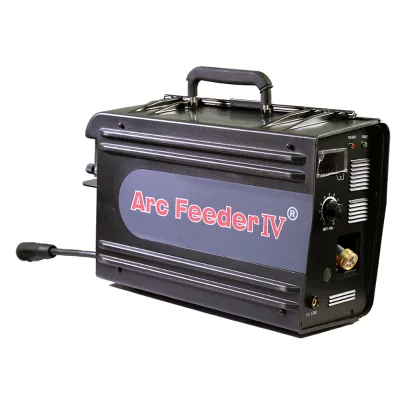
Automatic Wire Feeder Wire Feeder for Welding Machine Welding Wire Feeder
$880.23 - $970.66
MOQ: 1 sets
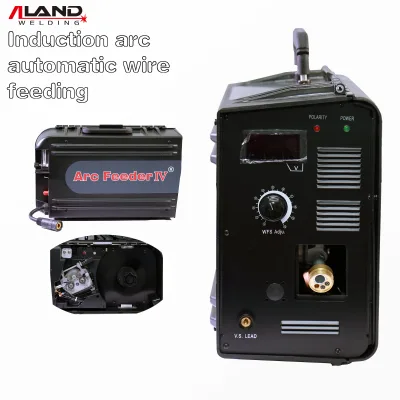
MIG Wire Feeder Welding Feeding Machine Arc Feeder Voltage-sensing Wire Feeder
$750.00 - $805.00
MOQ: 1 sets
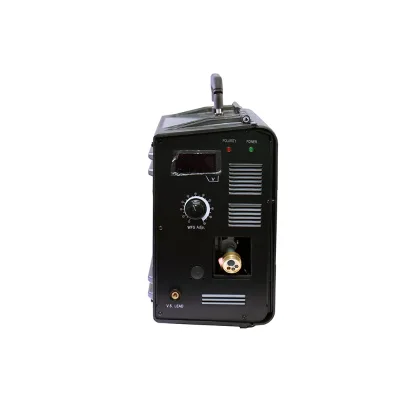


401d Multifunction Automatic Wire Feeder for MIG / TIG Welding Equipment
$28.00 - $32.00
MOQ: 500 Pieces


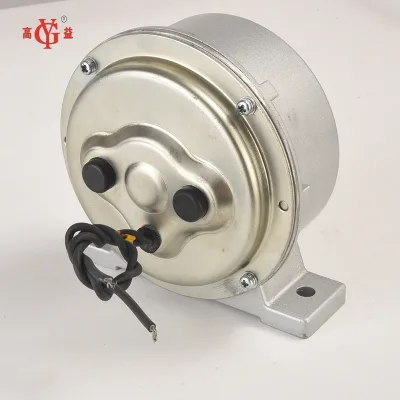
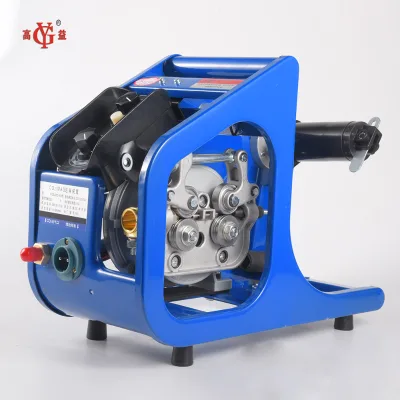
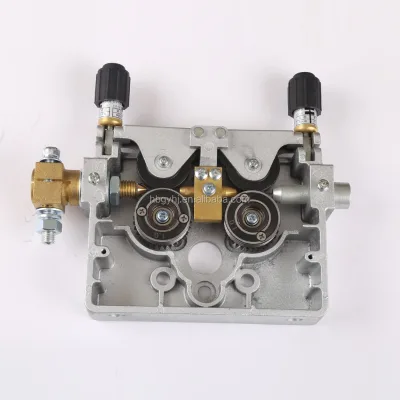
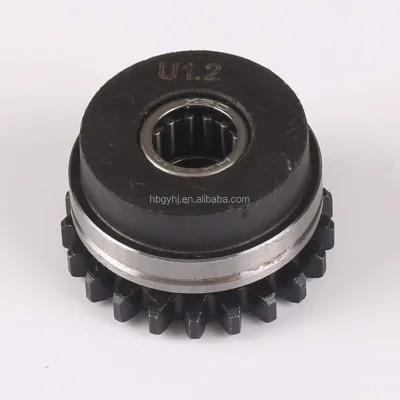

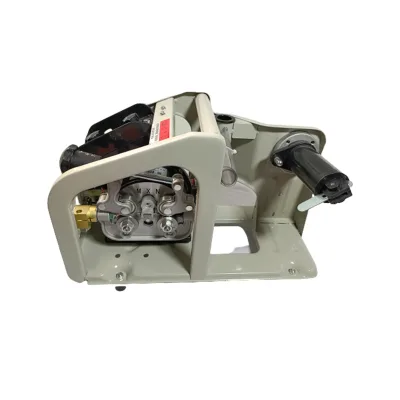
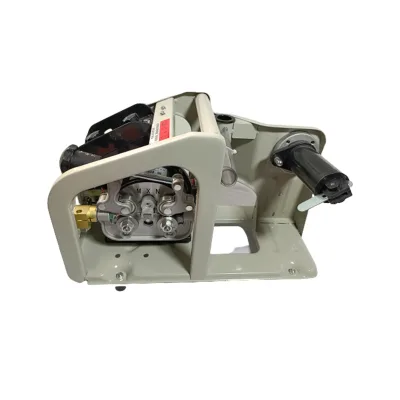


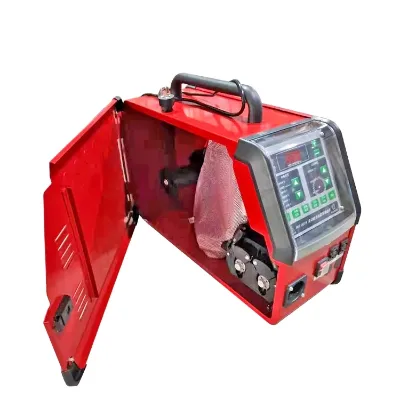
Comprehensive Sourcing Guide
Strategic Sourcing Guide for Automatic MIG Welding Wire Feeders
The global industrial landscape increasingly relies on automated welding solutions to maintain precision, consistency, and throughput in manufacturing environments. Among the critical components of these systems, the Automatic Mig Welding Wire Feeder stands out as a pivotal device that governs the deposition rate and stability of the weld. For procurement professionals, sourcing this equipment requires a nuanced understanding of technical parameters, supply chain logistics, and quality assurance protocols. This guide provides a comprehensive framework for evaluating potential suppliers and selecting the right wire feeder based on verified product attributes and industry standards.
Technical Specifications and Operational Parameters
When evaluating an Automatic Mig Welding Wire Feeder, the primary focus must be on the alignment between the machine's technical specifications and the intended application requirements. The core functionality revolves around the precise control of wire feeding speed and the compatibility with various welding wire types. Based on available product data, the wire feeding speed range typically spans from 1.5 to 24 meters per minute, with specific models capable of operating at 1 meter per minute for low-deposition tasks. This variability is crucial for applications ranging from thin-gauge sheet metal work to heavy structural fabrication.
The electrical architecture of the feeder is another critical determinant of performance. The wire feeding voltage is commonly observed in DC24V configurations, though some advanced units support DC18.3V or DC24V inputs. The electromagnetic valve voltage, which controls the trigger mechanism, often supports both DC24V and AC36V options, offering flexibility in integration with different power supply units. The rated output current for these systems can range significantly, with high-capacity models supporting an output current range of 50 to 350 Amperes. This capacity allows the feeder to handle welding currents up to 350A, making it suitable for demanding industrial tasks.
Compatibility with welding wire is a decisive factor in the selection process. The equipment must support the specific metallurgy and diameter of the wire being used. Verified specifications indicate that these feeders are suitable for solid core, flux core, and aluminum welding wires. The compatible wire diameters generally include 0.8mm, 1.0mm, 1.2mm, 1.6mm, and 2.0mm. Procurement teams must verify that the selected model explicitly supports the specific wire diameter required for their production line, as mismatched specifications can lead to feeding jams or inconsistent weld quality. The rated duty cycle is also a vital metric; for instance, a standard rating of 60% at 40°C indicates the machine's ability to operate continuously without overheating during a standard work cycle.
Compliance, Certification, and Safety Standards
In the realm of industrial equipment, compliance with international safety and quality standards is non-negotiable. While specific certification statuses like CE or ISO 9001 are often cited in the broader market, buyers must verify the actual certification documents provided by the supplier for the specific unit being purchased. The absence of a visible certification on a product listing does not preclude compliance, but it necessitates a rigorous request for documentation before finalizing a contract.
Safety features are embedded in the design of the wire feeder to protect operators and the surrounding environment. The protection grade is a key indicator of the equipment's resistance to dust and water ingress. A standard rating of IP21S suggests that the unit is protected against solid objects larger than 12.5mm and vertically dripping water, which is suitable for controlled indoor factory environments. However, for harsher conditions, higher IP ratings may be required, and this should be a specific point of verification during the supplier evaluation phase.
Electrical safety is paramount, particularly regarding the input voltage. The rated input voltage for these systems is typically AC3-380V with a tolerance of +/-10%, ensuring compatibility with standard three-phase industrial power grids. The power factor is often rated at 0.93 COS, indicating high energy efficiency and reduced strain on the facility's electrical infrastructure. Additionally, the zero-load voltage, which is the voltage present at the output when no welding is occurring, is a critical safety parameter; observed values of 68V highlight the need for proper grounding and insulation protocols during maintenance.
Cost Drivers and Procurement Economics
Understanding the cost structure of automatic MIG welding wire feeders is essential for budgeting and total cost of ownership (TCO) analysis. The price range for these units can vary widely, observed between $1.02 and $970.66 USD, reflecting differences in capacity, brand positioning, and feature sets. This broad spectrum indicates that buyers must look beyond the sticker price to evaluate the value proposition. Lower-priced units may be suitable for light-duty or intermittent use, while higher-priced models likely offer enhanced durability, higher duty cycles, and advanced control features.
The Minimum Order Quantity (MOQ) is a significant factor in procurement planning. Market data shows an MOQ range from 1 unit to 500 units, with specific models often requiring a minimum of 10 pieces. This variability allows for flexibility in purchasing strategies, from small-scale pilot projects to large-scale fleet deployments. Buyers should negotiate MOQ terms based on their production volume and cash flow constraints.
Packaging and logistics also contribute to the overall cost. The standard packaging for these units is typically a carton, with single package dimensions often around 60.00 x 50.00 x 30.00 cm. The single gross weight can reach 50.0 kg, while the net weight is approximately 25 kg. These physical attributes directly impact shipping costs and handling requirements. Buyers must factor in the logistics of transporting heavy machinery, potentially requiring specialized lifting equipment at the destination facility. The origin of the product, often listed as China or specifically Shandong, influences lead times and import duties, which should be calculated into the final cost model.
Typical Applications and Industry Use Cases
The versatility of automatic MIG welding wire feeders makes them applicable across a diverse range of industries. The primary application is in the welding of carbon steel, a material ubiquitous in construction, automotive, and heavy machinery manufacturing. The ability to handle short circuit transfer welding types ensures that these feeders are effective for a wide array of joint configurations and material thicknesses.
In the automotive sector, the precision of the wire feeding speed, ranging from 1.5 to 24 m/min, is critical for maintaining consistent weld beads on vehicle frames and components. The multifunctional nature of these units allows them to adapt to different welding processes, making them ideal for facilities that require flexibility in their production lines. For structural steel fabrication, the high current capacity (up to 350A) and the ability to feed thicker wires (up to 2.0mm) are essential for joining heavy beams and plates.
The inclusion of aluminum welding wire compatibility expands the utility of these feeders to industries such as aerospace and marine engineering, where aluminum alloys are prevalent. The specific models, identified by codes such as Et-Dqssj22, Et-Sqssj17, and NBC-350, often cater to specific power capacities, with some units supporting a maximum load power capacity of 13.2 KVA. This power rating is a key indicator of the feeder's ability to drive larger welding torches and sustain high-current operations without voltage drops.
Supplier Evaluation and Quality Assurance
Selecting a reliable supplier is as important as selecting the right machine. The evaluation process should begin with a thorough review of the supplier's track record and the specific product attributes they offer. Buyers should verify the "condition" of the product, ensuring that units are listed as "New" rather than refurbished, unless explicitly stated otherwise. The warranty period is another critical metric; a standard warranty of 1 Year provides a baseline for after-sales support and should be clearly defined in the purchase agreement.
Quality control measures must be implemented to ensure that the delivered equipment meets the specified technical parameters. Buyers should request detailed test reports or performance data for the specific model number being ordered. For instance, verifying that the wire feeding speed matches the claimed range of 2-24 m/min or that the output current reaches the rated 350A is essential. The brand name, such as HANBON, can serve as a reference point for reputation, but the specific model's performance should always be validated against the buyer's requirements.
Documentation of the product's origin is also necessary for compliance and traceability. The place of origin, often listed as Shandong, China, should be confirmed to ensure that the supply chain aligns with the buyer's sourcing strategy. Additionally, the item number, such as 322012, serves as a unique identifier for tracking inventory and ensuring that the correct model is delivered. Buyers should insist on a detailed packing list that includes all components, such as the wire feeding mechanism, control box, and any necessary cables or connectors.
Long-Term Procurement and Maintenance Considerations
Sourcing an Automatic Mig Welding Wire Feeder is not a one-time transaction but the beginning of a long-term operational relationship. Maintenance and spare parts availability are critical considerations that impact the total cost of ownership. Buyers should inquire about the availability of replacement parts, such as drive rolls, liners, and contact tips, which are subject to wear and tear. The specific model number, such as Et-Dqssj26 or Et-Ycssj18, should be used to ensure compatibility with future spare parts orders.
The physical dimensions of the unit, typically around 505 x 285 x 460 mm, must be considered in the context of the factory floor layout. Adequate space must be allocated for the feeder, along with sufficient clearance for maintenance access. The weight of the unit, at 25 kg, suggests that it may require a stable mounting surface to prevent vibration during operation, which could affect weld quality.
Finally, the frequency of operation, rated at 50/60 Hz, must match the local power grid to ensure optimal performance. Buyers should verify that the local electrical infrastructure can support the rated input voltage of AC3-380V +/-10% without the need for extensive modifications. By addressing these long-term considerations during the initial procurement phase, organizations can ensure a smooth integration of the Automatic Mig Welding Wire Feeder into their production processes, minimizing downtime and maximizing operational efficiency.
FAQs
What wire diameters does the Automatic Mig Welding Wire Feeder support?
The feeder supports wire diameters of 0.8, 1.0, 1.2, 1.6, and 2.0 mm. This range allows compatibility with solid core, flux core, and aluminum welding wires for various thicknesses.
How fast can the Automatic Mig Welding Wire Feeder feed wire?
The wire feeding speed ranges from 1.5 to 24 meters per minute. Specific models may operate at 1 meter per minute for low-deposition tasks or up to 24 meters per minute for high throughput.
Which input voltage is required for the Automatic Mig Welding Wire Feeder?
The rated input voltage is AC3-380V with a tolerance of plus or minus 10%. This ensures compatibility with standard three-phase industrial power grids for stable operation.
Can the Automatic Mig Welding Wire Feeder handle aluminum welding wire?
Yes, the equipment is suitable for solid core, flux core, and aluminum welding wires. This versatility makes it applicable for industries like aerospace and marine engineering where aluminum alloys are common.
What is the maximum load power capacity of the Automatic Mig Welding Wire Feeder?
The maximum load power capacity is 13.2 KVA. This rating indicates the feeder's ability to drive larger welding torches and sustain high-current operations without voltage drops.
How long is the warranty period for the Automatic Mig Welding Wire Feeder?
The standard warranty period is 1 Year. This provides a baseline for after-sales support and should be clearly defined in the purchase agreement for peace of mind.
What is the rated output current range for the Automatic Mig Welding Wire Feeder?
The output current range is 50 to 350 Amperes. This capacity allows the feeder to handle demanding industrial tasks requiring high welding currents up to 350A.