Source Automatic Mini Booster Pressure Pump for Water Systems
Find 30 Automatic Mini Booster Pressure Pump options with varying power ratings and flow capacities. Buyers can compare specifications like voltage, head height, and motor types to select the right unit for residential or industrial water supply needs.
Key considerations
Products List

Automatic Booster High Pressure Pump
$30.00 - $50.00
MOQ: 2 Pieces
Landis Intelligent Control Pump Technology (Zhejiang) Co., Ltd


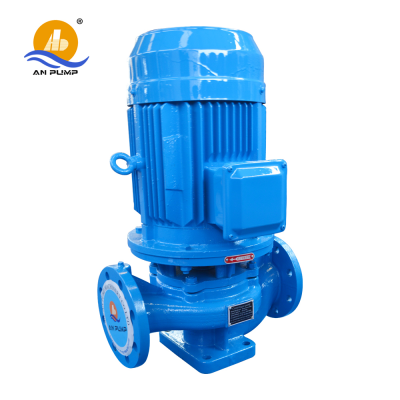


Variable-Frequency Booster Pump for Consistent Water Pressure Solutions
$230.00 - $248.00
MOQ: 1 Pieces


Variable Frequency Booster Pump for Consistent and Efficient Water Pressure
$230.00 - $248.00
MOQ: 1 Pieces

Automatic Variable Frequency Pump for Reliable Pressure Boosting Solutions
$245.00 - $260.00
MOQ: 1 Pieces

Automatic Pressure Pump with Variable Frequency for Optimal Performance
$230.00 - $248.00
MOQ: 1 Pieces


Comprehensive Sourcing Guide
Automatic Mini Booster Pressure Pump Sourcing Guide
Sourcing an Automatic Mini Booster Pressure Pump requires a careful balance between compact form factors and reliable hydraulic performance. These pumps are designed to increase water pressure in residential, commercial, or light industrial settings where mains pressure is insufficient. The "mini" designation typically implies a smaller footprint and lower flow rate compared to industrial centrifugal pumps, making them ideal for under-sink installations, small apartments, or specific machine tool cooling loops. Buyers must distinguish between true self-priming capabilities and standard centrifugal designs that require a primed suction line, as this distinction significantly impacts installation complexity and operational reliability.
The market for these units is diverse, with suppliers offering variations in motor type, control logic, and material construction. While many listings advertise "automatic" operation, the underlying technology can range from simple pressure switches to more sophisticated variable frequency drives (VFDs) or electronic controllers. Understanding the specific control mechanism is crucial for ensuring the pump responds correctly to demand fluctuations without causing water hammer or excessive wear on the impeller and seals. Procurement teams should focus on verifying the actual start-up method and the precision of the pressure cut-in and cut-out points to ensure seamless integration into existing plumbing or industrial systems.
Product Scope and Observed Listing Signals
Current market listings indicate a wide variance in product specifications, with observed prices ranging from approximately $4.50 to $17,000 USD. This broad spectrum suggests that the category encompasses everything from basic, single-phase domestic units to complex, multi-stage industrial assemblies. The minimum order quantity (MOQ) also varies significantly, ranging from single units to batches of 500, reflecting the mix of ready-stock consumer goods and made-to-order industrial equipment. Buyers should interpret these signals as indicators of the need for precise specification matching rather than assuming all listed items are interchangeable.
Observed product attributes reveal a mix of theoretical designs, including water ring type, centrifugal, and electromagnetic pumps, alongside structural variations like outer slide and single-stage configurations. Many listings highlight "self-priming" capabilities with inner recirculation, which is a critical feature for applications where the pump may need to draw water from a source below the pump level. Additionally, the presence of "booster pump" assembly types and "electric" driving mechanisms confirms that these are primarily motor-driven solutions. However, the coexistence of different theories and structures in the same search results necessitates rigorous filtering to identify units that match the specific hydraulic and mechanical requirements of the intended application.
Technical Specifications to Verify
When evaluating technical data, the input voltage and power requirements are paramount for ensuring compatibility with local electrical infrastructure. Listings show inputs ranging from single-phase 220V to three-phase 380V, with output power capacities spanning from 0.75 kW to 18.5 kW. Buyers must verify that the selected pump’s electrical profile matches their facility’s supply, as mismatched voltage or phase requirements can lead to immediate failure or inefficient operation. Furthermore, the protection rate, often cited as IP54 in observed data, indicates a level of dust and water splash resistance that should be confirmed against the installation environment’s exposure to moisture and particulates.
Hydraulic performance metrics, such as head height and flow capacity, must be cross-referenced with system demands. Observed data includes models with maximum heads between 10-30 meters and capacities under 50 L/min for certain electromagnetic variants, while other centrifugal models may offer higher throughput. The frequency of operation, typically 50Hz or 60Hz, is another critical parameter that affects motor speed and overall performance. Buyers should request detailed performance curves for specific models, such as the 15WG series or FPA variants, to ensure that the pump can maintain the required pressure at the desired flow rate without excessive energy consumption or cavitation risks.
Compliance and Safety Documentation
Safety and regulatory compliance are non-negotiable for electrical water pumps, particularly those intended for residential or potable water applications. Buyers must verify that the supplier provides evidence of conformity with relevant regional electrical safety standards, such as CE marking for Europe or UL/ETL certification for North America. While some listings mention ISO 9001:2015, this is a quality management standard and does not certify the product itself. Procurement teams should explicitly request product-specific test reports that validate electrical insulation, grounding integrity, and thermal protection mechanisms to prevent fire hazards or electric shock.
Material safety is equally important, especially if the pump is used for drinking water. Buyers should confirm that all wetted parts, including the impeller, housing, and seals, are made from materials that do not leach harmful substances into the water supply. Documentation should include material certificates for stainless steel or food-grade plastics, depending on the model. Additionally, noise level specifications should be reviewed, as mini booster pumps are often installed in living spaces or quiet office environments. Ensuring that the pump operates within acceptable decibel limits is essential for user comfort and compliance with local noise ordinances.
Cost Drivers and Commercial Terms
The final cost of an automatic mini booster pump is influenced by several key factors, including motor power, material quality, and control sophistication. Higher output power and advanced features like variable speed drives or electronic pressure sensors will increase the unit price. The observed price range of $4.50 to $17,000 USD reflects these variations, with basic single-phase units at the lower end and complex, high-capacity industrial systems at the higher end. Buyers should analyze the total cost of ownership, including energy efficiency and maintenance requirements, rather than focusing solely on the initial purchase price.
Commercial terms such as packaging and shipping logistics also impact the overall procurement cost. Observed packaging methods include standard cartons, wooden cases, and custom requirements, which can affect shipping volume and damage risk. For bulk orders, negotiating FOB or CIF terms can help manage logistics costs. Additionally, customization options, such as OEM or ODM support, may incur additional tooling or setup fees. Buyers should clarify whether the quoted price includes taxes, duties, and warranty coverage, and ensure that the supplier provides clear lead times for both standard and customized orders to avoid production delays.
Supplier Qualification and Quality Control
Selecting a reliable supplier is critical for ensuring the long-term performance of automatic booster pumps. Buyers should prioritize suppliers with a proven track record in manufacturing and exporting water pumps, particularly those based in established industrial hubs like Guangzhou, China. Verification of the supplier’s manufacturing capabilities, including CNC machining for precision components and automated assembly lines, can provide confidence in product consistency. Requesting references from previous clients in similar industries can also help assess the supplier’s reliability and after-sales support quality.
Quality control processes should be rigorously evaluated before placing orders. Buyers should inquire about the supplier’s incoming material inspection, in-process quality checks, and final testing protocols. Each pump should undergo a hydrostatic test to verify leak-tightness and a performance test to confirm head and flow rates. Additionally, electrical safety tests should be conducted on every unit. Establishing a clear quality agreement that defines acceptable defect rates and remediation procedures is essential for mitigating risks associated with batch failures or inconsistent performance.
Long-Term Procurement Checks
Long-term success in sourcing automatic mini booster pumps depends on establishing a robust supply chain relationship and monitoring performance over time. Buyers should implement a periodic review process to assess supplier performance against key metrics such as on-time delivery, product quality, and responsiveness to issues. Regular audits of the supplier’s quality management system can help identify potential improvements and ensure continued compliance with standards. Maintaining open communication channels with the supplier can facilitate quick resolution of any technical or logistical challenges that arise during the procurement cycle.
Furthermore, buyers should stay informed about technological advancements in pump technology, such as more energy-efficient motors or smarter control systems. Periodically re-evaluating the technical specifications of the pumps in use can help identify opportunities for upgrades that improve efficiency or reduce maintenance costs. Building a diverse supplier base can also mitigate risks associated with single-source dependencies. By maintaining a proactive approach to supplier management and technology evaluation, buyers can ensure that their procurement strategy remains aligned with evolving operational needs and market conditions.
FAQs
What is the theory behind these pumps?
The pumps operate on centrifugal pump theory and water ring type principles. Some models also utilize electromagnetic pump theory for specific applications requiring precise fluid control and self-priming capabilities.
Can I get custom packaging for these pumps?
Yes, customization is available for packaging requirements. Options include standard cartons, wooden cases, or specific custom requirements like 8 pieces per carton depending on the model selected.
What is the maximum head capacity of these pumps?
The maximum head capacity ranges from 10 to 30 meters for these units. This range supports various booster applications while maintaining efficient water circulation and pressure stability.
Which voltage options are available for these pumps?
Input voltage options include single phase 220V or three phase 380V. Output voltage can range from 0 to 220 or 380V three phase to match different power supply standards.
How are these pumps protected against environmental factors?
The pumps feature an IP54 protection rate to ensure safety against dust and water splashes. This rating helps maintain operational reliability in various industrial and commercial environments.
What is the output power range for these units?
The output power ranges from 0.75 to 18.5 kilowatts. This wide range allows selection of appropriate power levels for different flow rates and pressure requirements in booster applications.
Can these pumps be customized for specific needs?
Yes, OEM and ODM customized support is available for these products. Buyers can request specific sizes or modifications to meet unique operational requirements and integration needs.