Source Automatic Non-Fried Puff Rice Cake for Chips, Popcorn, and Snacks
Compare 30 listings for Automatic Non-Fried Puff Rice Cake machines featuring electric power sources and high precision. Buyers can evaluate specifications like capacity, material, and customization options for food and pet food production.
Key considerations
Products List


Multigrain Puff Rice Cake by Loomak - High Precision Korean Snack Non-Fried Popcorn
$5000.00 - $5300.00
MOQ: 1 Pieces

Korean Multigrain Delight - Loomak Puff Rice Cake for Snack Time Peckish Snack Machinery
$100000.00 - $180000.00
MOQ: 1 Sets


Popped Puffed Rice Chips Maker Circle Triangle Puffed Rice Cake Making Machine
$7800.00 - $8900.00
MOQ: 1 Pieces

Rice Cake Making Popped Puffing Rice Cake Maker Rice Cracker Forming Machine
$2500.00 - $3500.00
MOQ: 1 Pieces

Small Rice Cracker Making Machine Puffed Japanese Rice Cake Maker Machine
$2500.00 - $3500.00
MOQ: 1 Pieces

Popped Rice Cracker Making Pop Rice Cake Machine Rice Cake Popping Machine
$2500.00 - $3500.00
MOQ: 1 Pieces

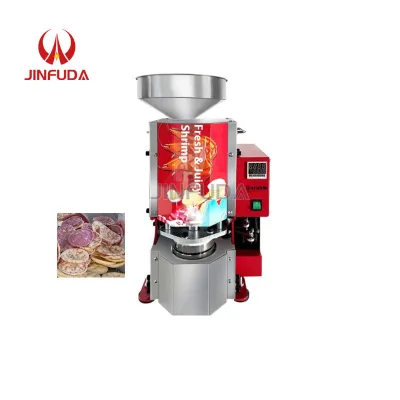
High Quality Puffed Rice Cake Machine Best Quality Puffed Rice Cake Machine
$510.29 - $561.32
MOQ: 1 pieces


120kg Per Hour Puffing Rice Snack Machine/Popped Rice Cake Machine/Rice Puffed Machine
$6900.00 - $7800.00
MOQ: 4 Sets

Customizable Logo Automatic Cereal Puffing Machine Puffed Rice Snacks Cake Production Line
$11000.00 - $24000.00
MOQ: 1 Pieces


Automatic Natural Rice Artificial Rice Cake Cracker Popper Puffing Machine
$3800.00 - $8000.00
MOQ: 1 Sets

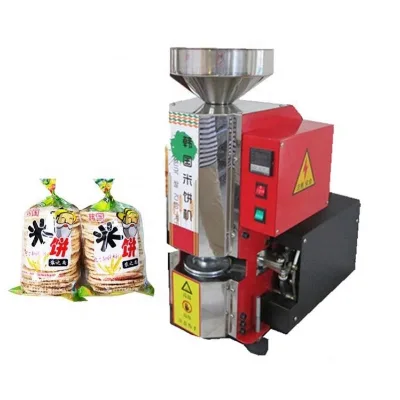


Cheese, Pizza, Seaweed Flavor Rice Cracker Crispy Rice Cake Puffing Cookie
$22.00 - $25.00
MOQ: 500 Boxes
Comprehensive Sourcing Guide
Automatic Non-Fried Puff Rice Cake Sourcing Guide
Sourcing automatic non-fried puff rice cake production equipment requires a careful balance between thermal processing efficiency and food safety compliance. The market offers a range of solutions, from small-scale rice cake popping machines to large-scale non-fried puffing snack production systems. Buyers must distinguish between simple extrusion units and complex integrated lines that handle multiple stages of processing, including mixing, extrusion, puffing, and drying. The core keyword "Automatic Non-Fried Puff Rice Cake" points to machinery that utilizes high-temperature, high-pressure extrusion technology to expand rice grains without the use of oil, resulting in a healthier final product with a crisp texture.
The procurement process involves evaluating machines based on their power source, automation level, and material construction. Most modern units operate on electric power, with some offering flexible heating options such as electric, gas, or steam. The automation grade is typically automatic, allowing for continuous production with minimal manual intervention. Buyers should focus on machines that offer high precision and fast speed, ensuring consistent product quality and high throughput. The material of construction is critical, with food-grade stainless steel, specifically SUS 304, being the standard for contact parts to ensure hygiene and durability.
Product Scope and Observed Listing Signals
The observed product listings reveal a diverse range of equipment designed for different production scales and output requirements. Prices range significantly, from affordable entry-level units to high-end industrial systems, reflecting variations in capacity, automation, and brand components. The minimum order quantity (MOQ) varies from single units for small businesses to larger batches for industrial procurement. Listings often highlight key attributes such as high precision, fast speed, and easy operation, which are essential for maintaining consistent production quality. The application scope includes chips, popcorn, and other extrusion foodstuff frying pellet snacks, indicating the versatility of these machines in producing various snack types.
Specific models observed include the "Small Rice Cake Popping Machine" and the "Non-Fried Puffing Snack Production System," each with distinct specifications. The small machine model is compact, with dimensions around 480310820MM and a weight of approximately 190 kg, suitable for smaller operations or testing. In contrast, larger systems like the AFP-100 model offer higher capacities, with production rates up to 20 pieces per minute and weights around 70 kg for specific components. The puffing temperature range is typically between 150-300°C, allowing for precise control over the expansion and texture of the rice cakes. Buyers should verify the exact model specifications against their production needs, as capacity and power consumption can vary widely.
Technical Specifications to Verify
When evaluating technical specifications, buyers must prioritize the power source and motor quality, as these directly impact operational efficiency and reliability. Most machines operate on electric power, with power ratings ranging from 1.5 kW to 4.28 kW depending on the model and capacity. The main motor is a critical component, with some suppliers specifying brands like Siemens (China) to ensure durability and performance. The voltage requirements are typically 380V/50Hz or 220V/50Hz, but buyers must confirm compatibility with their local power infrastructure. The automation level is usually fully automatic, featuring electronic parts from reputable brands such as FUJI and LG, which contribute to the machine's stability and ease of use.
Material construction and processing parameters are equally important for ensuring product quality and machine longevity. The machine materials are predominantly food-grade stainless steel, with specific components like the screw made from 38CrMoAl for enhanced wear resistance. The processing material is often special agricultural products, requiring precise control over temperature and airflow velocity, which typically ranges from 10-30 m/s. The noise level should be kept to a minimum, with some models operating at ≤75dB, ensuring a safer working environment. Buyers should verify the warranty terms, which are commonly one year, and check the availability of spare parts, particularly for high-wear components like the motor and screw.
Compliance and Safety Documentation
Compliance with international standards is a non-negotiable aspect of sourcing food processing equipment. Buyers must ensure that the machinery holds relevant certifications, such as ISOCE and CE, which indicate adherence to quality management and safety regulations. These certifications are crucial for exporting products to markets with strict regulatory requirements and for ensuring that the machine meets basic safety standards for electrical and mechanical components. The documentation should include detailed manuals, electrical schematics, and safety guidelines to facilitate proper installation and operation. Buyers should request these documents before finalizing the purchase to verify that the supplier has provided complete and accurate information.
Safety features and operational safeguards are essential for protecting operators and ensuring consistent production. The machines should be equipped with emergency stop buttons, overload protection, and proper grounding to prevent electrical hazards. The heating system, whether electric, gas, or steam, must be designed to prevent leaks and ensure stable temperature control. Buyers should verify that the machine's design minimizes the risk of contamination, with smooth surfaces and easy-to-clean components. The packaging, often in wooden cases or fumigation-free wooden crates, should protect the machine during transit without introducing contaminants. Understanding these compliance and safety aspects helps buyers mitigate risks and ensure a smooth integration of the equipment into their production line.
Cost Drivers and Commercial Terms
The cost of automatic non-fried puff rice cake machines is influenced by several factors, including capacity, automation level, and component quality. Higher capacity machines with fully automatic features and premium brand components, such as Siemens motors and FUJI electronic parts, command higher prices. The observed price range of 22-180000 USD reflects this variability, with smaller, less automated units at the lower end and large-scale production systems at the higher end. Buyers should consider the total cost of ownership, including energy consumption, maintenance, and spare parts, rather than just the initial purchase price. The MOQ also plays a role, with larger orders potentially offering better unit economics, but requiring greater capital investment upfront.
Commercial terms such as payment methods, shipping, and warranty support are critical for managing financial risk. Buyers should negotiate clear terms regarding delivery times, which can vary based on customization and production capacity. The packing method, whether wooden case, wooden box, or wooden crate, affects shipping costs and insurance requirements. Warranty coverage, typically one year, should be clearly defined, including what components are covered and the process for claiming repairs or replacements. Buyers should also consider the availability of technical support and training, which can reduce downtime and improve operational efficiency. Understanding these cost drivers and commercial terms helps buyers make informed decisions and avoid unexpected expenses.
Supplier Qualification and Quality Control
Supplier qualification is a vital step in ensuring the reliability and quality of the purchased equipment. Buyers should verify the supplier's manufacturing capabilities, including their production facilities, quality control processes, and after-sales service network. Suppliers with ISOCE and CE certifications are generally more reliable, as they adhere to recognized quality and safety standards. Buyers should request references or case studies from previous clients to assess the supplier's track record. The customization options available, such as tailored dimensions or specific power configurations, indicate the supplier's flexibility and ability to meet unique production needs.
Quality control measures should be implemented throughout the procurement process, from initial inquiry to final delivery. Buyers should conduct factory audits or third-party inspections to verify the machine's construction, component quality, and assembly standards. The use of food-grade stainless steel and high-quality motors should be confirmed through visual inspection and documentation. Buyers should also test the machine's performance, including puffing temperature control, airflow velocity, and production speed, to ensure it meets the specified requirements. Establishing a clear communication channel with the supplier for ongoing support and troubleshooting is essential for long-term success. These quality control steps help buyers minimize risks and ensure that the equipment performs as expected.
Long-Term Procurement Checks
Long-term procurement success depends on establishing a sustainable relationship with the supplier and ensuring ongoing support for the equipment. Buyers should monitor the machine's performance over time, tracking metrics such as production efficiency, energy consumption, and maintenance frequency. Regular maintenance, including cleaning, lubrication, and component replacement, is essential for extending the machine's lifespan and maintaining product quality. Buyers should keep a record of all maintenance activities and spare parts used to facilitate future repairs and upgrades. The availability of technical support and training should be reassessed periodically to ensure that operators are well-equipped to handle any issues that arise.
As production needs evolve, buyers may need to upgrade or expand their equipment. Suppliers that offer customization and modular designs can provide greater flexibility for future growth. Buyers should stay informed about industry trends and technological advancements in non-fried puffing technology to identify opportunities for improvement. Building a strong relationship with the supplier can lead to better pricing, priority support, and access to new products. By focusing on long-term procurement checks, buyers can ensure that their investment in automatic non-fried puff rice cake machinery continues to deliver value and support their business goals.
FAQs
What certifications are available for Automatic Non-Fried Puff Rice Cake machines?
These machines typically hold ISOCE and CE certifications to ensure compliance with international safety and quality standards. Buyers should verify specific documentation with suppliers before purchase. These certifications indicate that the manufacturing process and electrical components meet recognized regulatory requirements for industrial food processing equipment.
Can the Automatic Non-Fried Puff Rice Cake system be customized for specific needs?
Yes, customization is available for many models to suit different production requirements. Some units are fully customized, while others may be non-customized standard models. Buyers can often specify voltage, capacity, or material grades like SUS 304 stainless steel to align with their facility's infrastructure and hygiene standards.
What is the typical power source and consumption for these puffing machines?
The machines primarily use electric power sources, with options for electric, gas, or steam heating depending on the model. Power consumption varies, with some units operating at 1.5kw or up to 4.28 Kw. Voltage options often include 380V/50Hz or 220V/50Hz to accommodate different regional electrical grids.
How fast is the production speed of the Automatic Non-Fried Puff Rice Cake line?
These systems are designed for fast speed and high precision operation. Specific models may achieve production capacities ranging from 50 to 500kg per hour, or up to 20 pieces per minute for certain cake types. The exact speed depends on the specific model selected and the material being processed.
What materials are used in the construction of these automatic puffing machines?
Key components are often made from food-grade stainless steel, such as SUS 304, to ensure hygiene and durability. The screw materials may include 38CrMoAl for wear resistance. Electronic parts from brands like FUJI and LG are commonly used to ensure reliable automation and precise control during the thermal processing.
What is the standard packaging for shipping these Automatic Non-Fried Puff Rice Cake machines?
Machines are typically packed in wooden cases, wooden boxes, or fumigation-free wooden crates to protect them during transit. Specific dimensions and weights vary by model, with some units weighing around 70 KG or 190 KG. Buyers should confirm packaging details to ensure safe delivery and proper handling at their facility.