Source Automatic Rotary Juice Bottling Plant for Juice, Water, and Beverages
Explore 30 listings for the Automatic Rotary Juice Bottling Plant designed for juice, pure water, and mineral water production. Buyers can compare models like RXGF and BFC, noting features such as PLC control, SS304 construction, and multi-head filling valves.
Key considerations
Products List


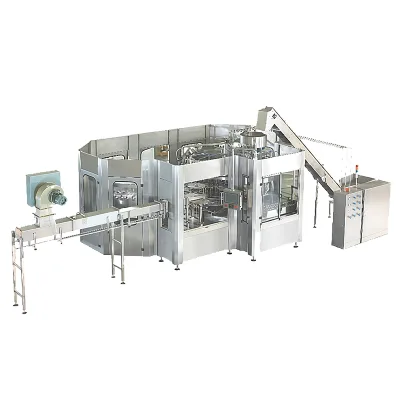

$1000.00 - $10000.00
MOQ: 1 Pieces


Automatic Fruit Juice Filling Production Line Juice Processing Line
$40000.00 - $1200000.00
MOQ: 1 Sets


Full Automatic Fruit Juice Beverage Making Bottling Plant Production Line
$10000.00 - $500000.00
MOQ: 1 Pieces
Comprehensive Sourcing Guide
Strategic Sourcing Guide for Automatic Rotary Juice Bottling Plants
Understanding the Core Technology and Configuration
When sourcing an Automatic Rotary Juice Bottling Plant, buyers must first distinguish between general filling machinery and specialized rotary systems designed for high-volume beverage production. The core keyword "Automatic Rotary Juice Bottling Plant" implies a monoblock or integrated line where washing, filling, and capping occur in a synchronized rotary motion. Based on observed market data, these systems frequently utilize a rotary structure with multi-head filling valves to ensure throughput efficiency. The filling principle is a critical differentiator; while some units operate on atmospheric pressure, others employ back pressure or negative pressure mechanisms to preserve carbonation or prevent oxidation in sensitive juice formulations.
The mechanical architecture often features a multi-room feeding structure, which allows for the continuous introduction of bottles into the rotary carousel without interruption. This design is essential for maintaining the high speeds required in modern juice production lines. The dosing device is another pivotal component; observations indicate the use of plunger-based dosing devices for precise volumetric control, which is superior to simple gravity feed systems for viscous liquids. The machine body is typically constructed from SS304 stainless steel, with critical contact parts like the filling valve heads made from SS316L to ensure corrosion resistance against acidic fruit juices. The driven type is predominantly electric, operating on a standard 380V supply, which is the industrial norm in major manufacturing hubs.
Technical Specifications and Performance Parameters
Evaluating the technical specifications of a rotary juice bottling plant requires a granular look at the operational parameters that define its capability. The suitable bottle volume range is a primary constraint; observed data suggests these machines are engineered to handle a broad spectrum of container sizes, typically ranging from 330ml to 2250ml. This versatility allows a single line to accommodate various juice SKUs, from single-serve cups to family-sized bottles. The filling accuracy is a metric of precision, with observed standards indicating a tolerance of 0.5%, a figure that is critical for cost control and regulatory compliance regarding net content.
Control systems have evolved significantly, with modern units featuring PLC (Programmable Logic Controller) interfaces. This automation allows for precise monitoring of speed, temperature, and pressure, ensuring consistent product quality. The process type varies depending on the juice formulation; some lines are designed for mild processing, while others are configured for frozen and chilled applications or hot filling scenarios. Hot filling is particularly relevant for juice products requiring thermal treatment to extend shelf life, necessitating specific thermal insulation and cooling zones within the rotary structure. The packaging container lifting structure often utilizes a chute lifting mechanism to guide bottles smoothly into the filling station, minimizing mechanical shock and breakage.
Compliance, Certification, and Regulatory Standards
Navigating the compliance landscape is non-negotiable for international procurement of industrial machinery. Buyers must verify that the equipment meets recognized international standards. Observed product data frequently cites CE, ISO, and UL certifications, alongside specific ISO9000 quality management standards. These certifications indicate that the manufacturer adheres to specific safety, quality, and environmental protocols. However, buyers should not assume that every listed unit automatically possesses these credentials; verification of the specific model's certification status is required before finalizing a purchase.
The origin of the machinery also plays a role in compliance. A significant portion of these rotary plants originates from manufacturing hubs in Jiangsu, China, specifically Zhangjiagang, which is known as a center for beverage packaging machinery. While the location itself does not dictate quality, it provides context for the supply chain and the specific regulatory environment the manufacturer operates within. The standard packaging for these machines often involves film wrapping combined with sea-worthy wooden cases to ensure protection during long-distance shipping. Buyers should confirm that the packaging meets the specific export requirements of their destination country to avoid customs delays or damage during transit.
Cost Drivers and Financial Considerations
The financial landscape of sourcing an Automatic Rotary Juice Bottling Plant is influenced by several dynamic factors. The observed price range for these systems is vast, spanning from $1,000 to $3,000,000 USD. This wide disparity reflects the difference between small-scale semi-automatic units and fully integrated, high-speed monoblock lines capable of producing tens of thousands of bottles per hour. The cost is driven by the complexity of the rotary structure, the number of filling heads, the material grade of the machine body, and the sophistication of the PLC control system.
Minimum Order Quantity (MOQ) is another financial consideration. Data indicates that for many of these specialized industrial units, the MOQ is often 1, meaning buyers can purchase a single complete line. However, this does not necessarily imply a low barrier to entry, as the unit price for a single high-specification machine remains substantial. Buyers must also account for the "Total Cost of Ownership," which includes installation, commissioning, and the cost of spare parts. The availability of engineers for overseas service is a critical value-add that can reduce long-term downtime costs, though it may be reflected in the initial procurement price.
Typical Applications and Production Scenarios
The application scope of automatic rotary juice bottling plants is diverse, catering to various segments of the beverage industry. While the core keyword focuses on juice, the technology is adaptable to other liquid products. Observed applications include pure water, mineral water, and still water, in addition to specific juice beverages. The "3-in-1 monoblock" configuration is particularly popular for juicer beverage bottling plants, integrating washing, filling, and capping into a single continuous process. This integration reduces the footprint of the production line and minimizes the risk of contamination between stages.
The machine is suitable for both glass and PET bottles, offering flexibility in packaging choices based on brand requirements and sustainability goals. The specific process type, such as hot filling or cold filling, dictates the suitability for different juice types. For instance, hot filling is essential for juices that require pasteurization within the bottle, while frozen and chilled processes are used for products that must maintain low temperatures to preserve flavor and nutrients. The ability to customize the machine for specific applications is a key feature, allowing manufacturers to tailor the line to their unique production needs, whether for high-acid fruit juices or delicate herbal infusions.
Supplier Evaluation and Quality Assurance
Evaluating suppliers for rotary juice bottling plants requires a rigorous due diligence process. Buyers should prioritize suppliers who offer comprehensive after-sales service, including the provision of engineers available to service machinery overseas. This support is crucial for minimizing production downtime and ensuring the longevity of the equipment. The condition of the machine is another factor; while "new" is the standard expectation, buyers must verify the manufacturing date and any testing procedures performed prior to shipment.
Quality control extends beyond the final product to the manufacturing process itself. The use of SS304 and SS316L materials is a baseline requirement, but buyers should request material certificates to verify the grade. The filling accuracy of 0.5% should be validated through on-site testing or third-party verification. Furthermore, the customization options available should be clearly defined; a supplier that offers "customized" solutions must demonstrate the engineering capability to adapt the rotary structure, filling valves, and control systems to specific client requirements. Buyers should avoid suppliers who make broad claims without providing evidence or specific technical data to support their assertions.
Long-Term Procurement and Operational Sustainability
Sourcing an Automatic Rotary Juice Bottling Plant is a long-term investment that requires careful consideration of future scalability and maintenance. The modular nature of these machines, often featuring multi-head filling valves and rotary structures, allows for potential upgrades or expansions as production demand grows. However, the complexity of the PLC control and the specific voltage requirements (380V) mean that integration with existing factory infrastructure must be planned meticulously.
Sustainability is increasingly a factor in procurement decisions. The choice between glass and PET bottles, the energy efficiency of the electric drive system, and the waste reduction capabilities of the rotary filling process all contribute to the environmental footprint of the operation. Buyers should inquire about the energy consumption rates and the potential for water recycling within the washing stage of the monoblock. The packaging standard, such as the wooden case and film wrapping, also impacts the logistics carbon footprint. By selecting a supplier that emphasizes quality, compliance, and service, buyers can ensure that their investment remains viable and competitive in a rapidly evolving beverage market. The ability to adapt to different juice types and bottle sizes ensures that the line remains relevant as market trends shift, protecting the capital investment over the lifespan of the equipment.
FAQs
How is the filling accuracy maintained for juice products?
The filling accuracy is maintained at 0.5% using a plunger dosing device. This system ensures precise volumetric control for liquids like juice, preventing waste and ensuring regulatory compliance during high-speed rotary operations.
What certifications do these rotary bottling plants typically hold?
These machines typically hold CE, ISO, and UL certifications, alongside ISO9000 standards. Buyers must verify the specific model status as not every listed unit automatically possesses these credentials before finalizing a purchase.
Which bottle volumes are suitable for this automatic rotary plant?
The machine is suitable for bottle volumes ranging from 330ml to 2250ml. This broad range allows a single line to accommodate various juice SKUs, from single-serve cups to family-sized glass or PET bottles.
Can the machine be customized for specific juice processing needs?
Yes, customization is available for specific applications like hot filling or chilled processing. Buyers should define their unique production needs, such as high-acid fruit juices, to tailor the rotary structure and filling valves accordingly.
What is the standard voltage and power supply for these units?
The standard voltage is 380V with a power frequency of 50Hz. This electric driven type is the industrial norm in major manufacturing hubs and requires careful integration with existing factory infrastructure.
How are these machines packaged for international shipping?
Machines are packed with film wrapping plus a sea-worthy wooden case. This packaging ensures protection during long-distance shipping, though buyers should confirm it meets specific export requirements to avoid customs delays.
What after-sales service is provided for overseas machinery?
Engineers are available to service the machinery overseas to minimize downtime. This support is a critical value-add that reduces long-term operational costs, though it may be reflected in the initial procurement price.