Source Automatic Peanut Bar Machine for Candy, Biscuit, Donut
Find and compare 30 Automatic Peanut Bar Machine options from China. These electric units support applications like candy, biscuit, and donut production, with models ranging from 150-250kg/Hr to 40-60 PCS/Min, featuring 304 stainless steel construction and customizable packaging.
Updated
Key considerations
Products List


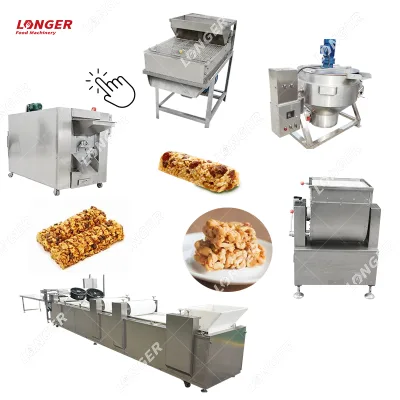
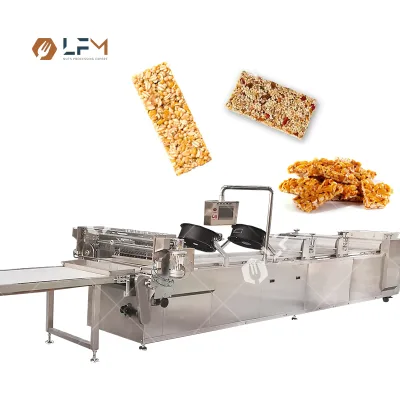
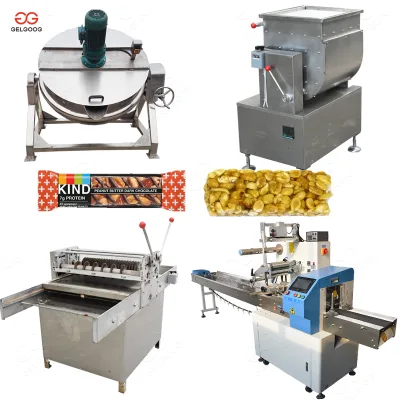
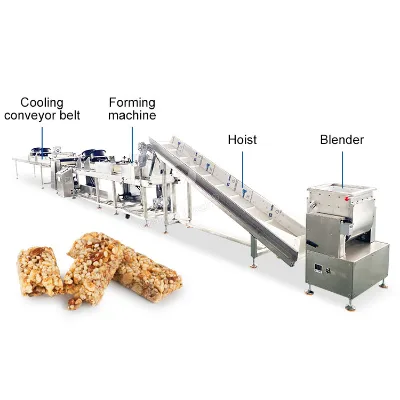
Automatic Energy Bar Production Line Peanut Bar Production Line Protein Cereal Bar Machine
$18999.00 - $27999.00
MOQ: 1 sets
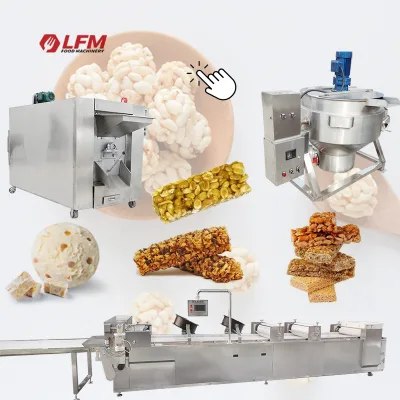
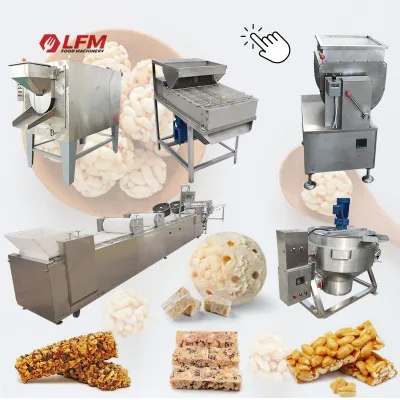
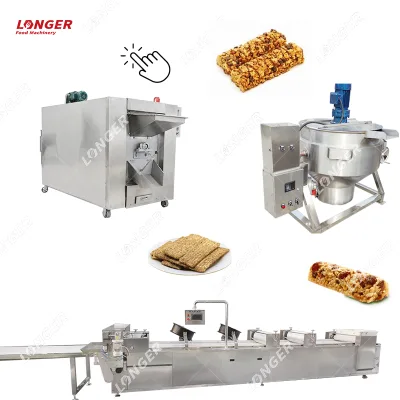
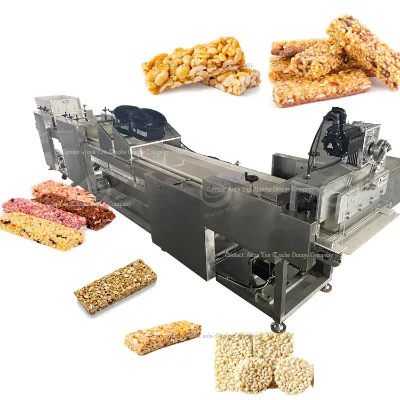
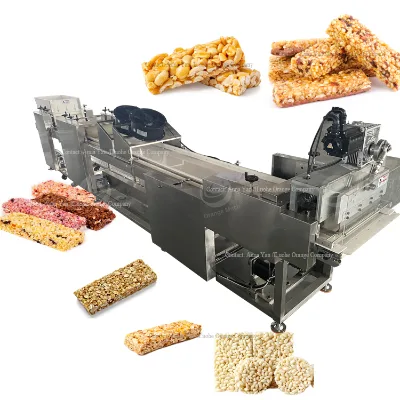
Automatic Peanut Candy Bar Sesame Bar Making Machine Muesli Protein Nuts Bar Machine
$32799.00 - $57699.00
MOQ: 1 sets
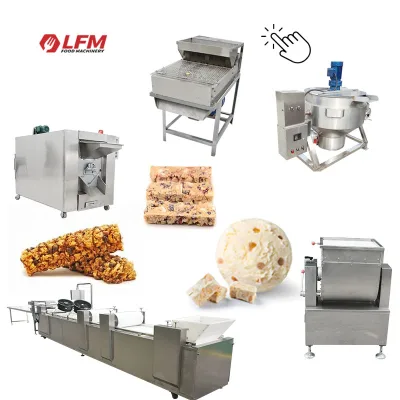
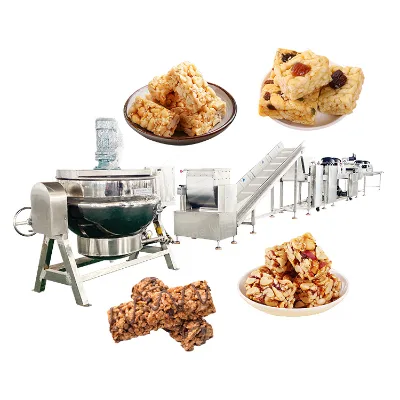
Nougat Cereal Bar Making Machine Industrial Grano Bar Production Line
$12799.00 - $17699.00
MOQ: 1 sets
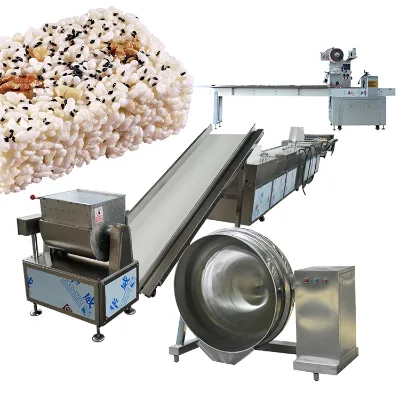
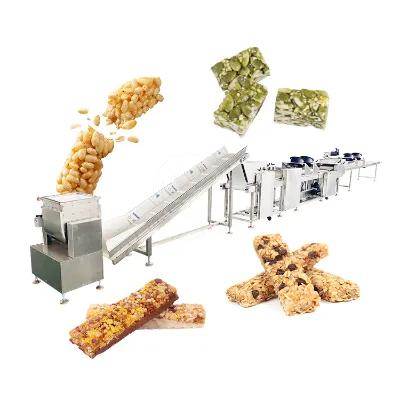
$30739.6584 - $37912.2454
MOQ: 1 sets

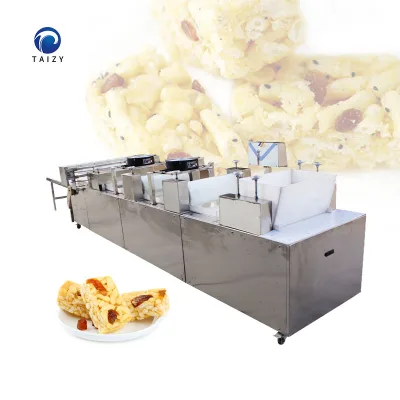
Comprehensive Sourcing Guide
Automatic Peanut Bar Machine Sourcing Guide
Selecting the right Automatic Peanut Bar Machine requires a clear understanding of the specific production capabilities and material handling features available in the current market. Buyers must evaluate how well the equipment aligns with their target product formats, such as candy, biscuit, or donut applications, while ensuring the machinery supports the necessary throughput for their operational scale. The decision process involves balancing speed, customization options, and physical footprint to ensure seamless integration into existing factory layouts.
Procurement teams should prioritize machines that offer flexible power sources and voltage compatibility, such as 220V/50Hz systems, to match local infrastructure. It is critical to verify the production speed ratings, which may range from 150-250kg/Hr for high-volume lines to lower outputs for specialized tasks. Understanding these technical baselines helps buyers avoid mismatches between machine capacity and actual demand, ensuring that the investment yields the expected return on investment without unnecessary bottlenecks or underutilization of resources.
Product Scope and Observed Listing Signals
The current market for automatic peanut bar machines includes a diverse range of models designed for various processing needs, from mild thermal processing to more intensive operations. Listings often highlight specific model numbers like P401, P307, and P320, each catering to different output requirements and functional separations. Buyers should note that some units are explicitly designed for chocolate applications, while others support a broader range of raw materials including dough, rice, corn, and nuts, indicating a versatile scope that extends beyond simple peanut bar production.
Observed listing signals reveal significant variation in physical dimensions and weights, with some machines measuring up to 48009201200mm and weighing 1200kg, while others are more compact at 24008601300mm and 180kg. This disparity suggests that buyers must carefully assess their facility’s space constraints and load-bearing capabilities before committing to a purchase. Additionally, packing methods vary from standard wooden cases to wooden crates or film, which impacts logistics planning and protection during transit, making it essential to confirm packaging details early in the sourcing process.
Technical Specifications to Verify
When evaluating technical specifications, buyers must closely examine the power consumption and mesh belt speed parameters to ensure they meet production efficiency goals. Some models offer power ratings of 2kw or 3kw, with mesh belt speeds adjustable between 0-7m/Min or 0-5m/Min, allowing for precise control over the processing rate. These variables directly influence the final product quality and consistency, so it is vital to verify that the machine’s operational range aligns with the specific viscosity and texture requirements of peanut bar formulations.
Material construction is another critical factor, with many machines featuring 304 stainless steel components to ensure hygiene and durability in food processing environments. Buyers should also check for key selling points such as high productivity and easy operation, which can reduce training time and maintenance costs. Additionally, verifying the automatic grade and customized features ensures that the machine can handle the specific raw materials intended for use, preventing potential jams or inefficiencies during high-speed production runs.
Compliance and Safety Documentation
Compliance with international standards is a non-negotiable aspect of sourcing industrial food machinery, particularly when dealing with automatic peanut bar machines. Buyers should verify that suppliers provide valid certification documents, such as ISOCE or CE marks, which indicate adherence to specific safety and quality protocols. These certifications are crucial for ensuring that the equipment meets regulatory requirements in both the manufacturing country and the destination market, facilitating smoother customs clearance and operational approval.
Safety documentation should also include detailed operational manuals and maintenance guidelines that outline proper usage procedures to prevent accidents. Buyers must ensure that the machine’s design incorporates necessary safety features, such as emergency stops and protective guards, to safeguard operators during high-speed production. Additionally, confirming that the supplier offers comprehensive support for troubleshooting and technical assistance can mitigate risks associated with unexpected downtime or operational errors, ensuring a safer and more reliable production environment.
Cost Drivers and Commercial Terms
Cost drivers for automatic peanut bar machines include factors such as production speed, material quality, and customization options, all of which significantly impact the final price. Buyers should be aware that prices can range widely, from $1000 to $1,000,000, depending on the complexity and capacity of the equipment. Understanding these cost variables helps in budgeting accurately and negotiating favorable terms, ensuring that the investment aligns with the expected production volume and product quality standards.
Commercial terms, including minimum order quantities (MOQ) and lead times, also play a crucial role in the procurement process. Most listings indicate an MOQ of 1, offering flexibility for small-scale buyers, while lead times can extend from 1-3 Months, requiring careful planning to avoid production delays. Buyers should clarify payment terms, warranty coverage, and after-sales support services to ensure a transparent and secure transaction, minimizing financial risks and ensuring long-term satisfaction with the purchased equipment.
Supplier Qualification and Quality Control
Supplier qualification is essential to ensure that the Automatic Peanut Bar Machine meets the required quality and performance standards. Buyers should verify the supplier’s location, with many manufacturers based in regions like Shanghai, Shandong, and Suzhou in China, to assess their logistical capabilities and reputation. Checking for key selling points such as high efficiency and easy operation can provide insights into the supplier’s focus on user-friendly design and reliable performance, which are critical for sustained production success.
Quality control measures should include rigorous testing of the machine’s components, such as the mesh belt and power systems, to ensure durability and consistency. Buyers should request detailed specifications and performance data to validate the supplier’s claims, ensuring that the machine can handle the intended raw materials without failure. Additionally, establishing clear communication channels for technical support and maintenance can help address any issues promptly, ensuring that the production line remains operational and efficient throughout the machine’s lifecycle.
Long-Term Procurement Checks
Long-term procurement checks involve monitoring the machine’s performance and maintenance needs to ensure sustained operational efficiency. Buyers should establish a regular maintenance schedule that includes cleaning, lubrication, and inspection of critical components like the mesh belt and power systems. This proactive approach helps prevent unexpected breakdowns and extends the lifespan of the equipment, ensuring that the investment continues to deliver value over time.
Additionally, buyers should stay informed about any updates or upgrades offered by the supplier, such as new customization options or improved features. Engaging with the supplier for periodic reviews and feedback can help identify areas for improvement and ensure that the machine remains aligned with evolving production requirements. By maintaining a strong relationship with the supplier and staying vigilant about maintenance and performance, buyers can maximize the return on their investment and ensure a smooth, uninterrupted production process.
FAQs
What is the production speed of the Automatic Peanut Bar Machine?
The production speed varies by model, ranging from 40-60 pieces per minute to 150-250 kg per hour. Specific output depends on the selected configuration, such as the P401 or P307 models. Buyers should verify the exact capacity against their daily volume requirements before finalizing the order to ensure efficient throughput.
Can the Automatic Peanut Bar Machine be customized for branding?
Yes, customization is available for logos, packaging, and graphic designs. The machine supports customized production lines for cereal bars and granola bars. This allows businesses to tailor the equipment to specific brand identities and product formats, ensuring the final output aligns with unique marketing and packaging strategies.
What certifications does the Automatic Peanut Bar Machine hold?
The equipment holds ISO and CE certifications, ensuring compliance with international safety and quality standards. These certifications verify that the manufacturing processes meet rigorous regulatory requirements. Buyers can rely on these documented standards for operational safety and quality assurance when integrating the machine into their production facilities.
What is the voltage requirement for the Automatic Peanut Bar Machine?
The standard voltage requirement is 220V at 50Hz. Some models may support 2kw or 3kw power options. It is essential to match the machine's electrical specifications with your facility's power supply to ensure stable operation and prevent potential electrical issues during continuous high-efficiency production cycles.
What is the lead time for the Automatic Peanut Bar Machine?
The typical delivery time is 1-3 months. This timeframe accounts for manufacturing, quality control, and shipping logistics. Buyers should plan their procurement schedule accordingly to align with production launches. Early communication with suppliers can help manage expectations and ensure timely arrival of the equipment at your facility.
What materials are used in the Automatic Peanut Bar Machine construction?
The machine is constructed from 304 stainless steel, ensuring durability and hygiene. This material is suitable for processing dough, rice, corn, and nuts. The use of high-grade stainless steel facilitates easy cleaning and maintenance, meeting food safety standards while providing a robust structure for long-term industrial use.