Cake Shop Commercial Electric Oven Suppliers and Manufacturers
Source 18 verified suppliers for Cake Shop Commercial Electric Oven units. Compare key dimensions including response time, lead time, and pricing ranges from $100 to $2700. Review customization options and certifications to identify the right partner for your bakery needs.
Suppliers List

Guangzhou Astar Kitchen Equipment Co., Ltd.
- Verified by BV
- Combined
- China Guangdong
- Lead time15 days
- Avg. response≤ 15h
Main productsBakery Equipment, Oven, Kitchen Equipment, Mixer, Baking Oven, Convection Oven, Rotary Oven, Pizza Oven, Refrigerator, Cake Showcase
Main marketsAfrica,Domestic,Europe

2 Deck 4 Trays Catering Bakery Equipment Commercial Electric Oven Baking Machine
$395.00 - $719.00
MOQ: 1 Pieces

Hot Sale Commercial Bakery Equipment 1 Deck 2 Trays Electric Baking Oven
$100.00 - $150.00
MOQ: 1 Pieces


Commercial Bakery Equipment Baking Oven Electric Deck Oven 2 Deck 4 Trays
$450.00 - $466.00
MOQ: 1 Pieces


Junnuo Electromechanical Technology (Kunshan) Co., Ltd.
- Manufacturer/Factory
- China Jiangsu
- Lead time15 days
- Avg. response≤ 5h
Main productsOpen Fryer, Pressure Fryer, Dough Mixer, Baking Equipment, Proofer, Chip Warmer
Main marketsSouth America,Eastern Europe,Mid East,North America,Southeast Asia,Eastern Asia,Oceania,Western Europe,Africa

Multifunction Commercial Electric Oven Bread Cake Oven Baking Equipment
$2700.00 - $2829.00
MOQ: 1 Pieces

Hot Sale Big Capacity Chain Type Stainless Steel Gas and Electric Tunnel Cake Oven
$3200.00 - $4000.00
MOQ: 1 Pieces

Shanghai Mooha Import & Export Co., Ltd.
- Verified by TUVRHEINLAND
- Trading Company,Manufacturer/Factory
- China Shanghai
- Lead time23 days
- Avg. response≤ 5h
Main productsAuger Filler, Powder Filler, Screw Feeder, Bucket Feeder, Net Weight Filling Machine, Liquid Filling Machine, Vffs Machine, Powder Filling Machine, Bakery Equipment, Liquid Filler
Main marketsSouth America,Eastern Europe,Mid East,North America,Southeast Asia,Eastern Asia,Oceania,Western Europe,Africa


Commercial Electric Bakery Cake Biscuit Cookies Bread Convection Baking Oven
$3000.00 - $3300.00
MOQ: 1


$1790.00 - $1885.00
MOQ: 1 Pieces

Zhengzhou Maosu Machinery Equipment Co., Ltd
- Trading Company
- China Henan
- Lead time15 days
- Avg. response≤ 7h
Main productsPet Food Extruder, Soybean Extruder, Snack Food Extruder, Pet Food Production Line, Sanck Food Production Line, Aniaml Feed Pellet Mill, Dough Mixer, Steaming Cabinet, Bake Oven, Meat Slicer
Main marketsSouth America,Africa,Others(foreignTradeCapacity.exportBusinessCapacityMarketOther),Southeast Asia/ Mideast,East Asia(Japan/ South Korea),Europe,North America

Henan Smile Technology Industrial Co., Ltd.
- Verified by SGS
- Trading Company,Manufacturer/Factory
- China Henan
- Lead time0 days
- Avg. response≤ 11h
Main productsBaking Oven, Industrial Mixer, Laboratory Equipment, Bakery Equipment, Bakery Processor, Kitchen Equipment, Refrigeration Series, Fast Food Equipment, Juicer Extractor Machine

Guangzhou Bakestar Machinery Co.,Ltd
- Combined
- China Guangdong
- Lead time15 days
- Avg. response≤ 22h
Main productsBaking Ovens, Bakery Equipments, Bakery Machines, Rotary Ovens, Moulders, Bread Machine, Pizza Oven, Pita Bread Machine, Tunnel Ovens, Baking Oven
Main marketsDomestic


2 Deck 10 Trays Professional, Electric Ovens Commercial Gas Bread Oven Industrial Bakery Oven
$2370.00 - $3296.00
MOQ: 1 SET


$1270.00 - $1765.00
MOQ: 1 SET


Guangzhou Bossmai Machinery Co., Ltd
- Verified by SGS
- Combined
- China Guangdong
- Lead time15 days
- Avg. response≤ 8h
Main productsRotary Oven, Tipping Spiral Mixer, Automatic Dough Sheeter, Dough Shape Cutting Machine, Dough Moulder, Dough Divider and Rounder, Cookie Machine
Main marketsNorth America

Commercial Bakery Bread Cake Biscuits Electric Hot Air Rotary Baking Convection Oven
$5238.10
MOQ: 2 Pieces


3 Deck Electric Bread Baking Machine Commercial Bakery Equipment Cake Pizza Oven
$869.57
MOQ: 5 Pieces


Electric Bread Baking Oven Commercial Kitchen Bakery Equipment Toast Bread Machine
$5080.01 - $15200.02
MOQ: 1 Pieces

HANGZHOU SAIZHOU TECHNOLOGY CO., LTD.
- Manufacturer/Factory
- China Zhejiang
- Lead time23 days
- Avg. response≤ 7h
Main productsVegetable and Fruit Processing Equipment, Meat Processing Equipment, Packaging and Filling Equipment, Nut and Grain Equipment, Bakery Equipment
Main marketsSouth America,Eastern Europe,North America,Southeast Asia,Eastern Asia,Oceania,Africa

Multiple Layers European Commercial Industrial Electric Gas Bakery Oven
$880.00 - $1200.00
MOQ: 1 Sets


BestBake Machinery Technology (Zhaoqing) Co.,Ltd
- Verified by BV
- Combined
- China Guangdong
- Lead time30 days
- Avg. response≤ 4h
Main productsBakery Equipment, Dough Mixer, Baking Oven, Pizza Oven, Bread Oven, Baking Machine, Bakery Machine, Donuts Machine, Bread Machine, Rotary Oven
Main marketsSouth America,Africa,Southeast Asia/ Mideast,East Asia(Japan/ South Korea),Europe,North America


Electric 3 Deck 6 Trays Oven Commercial Use Baking Cake Bread Bakery Equipment Oven
$3000.00 - $3800.00
MOQ: 1 Sets


Guangzhou JIM-MATE Machinery Facilites Co., Ltd.
- Combined
- China Guangdong
- Lead time23 days
- Avg. response≤ 15h
Main productsBakery Equipment
Main marketsSouth America,Africa,Others(foreignTradeCapacity.exportBusinessCapacityMarketOther),Southeast Asia/ Mideast,East Asia(Japan/ South Korea),Domestic,Europe,North America

- Manufacturer, Trading Company, Distributor/Wholesaler
- Guangdong, China
- Lead time10 days
- Avg. response≤ 2h
Main productsBaking Equipment,Food Machiner,Kitchenware,Baking Tools,Kitchen Equipment
Main marketsMid East(30.00%), Africa(20.00%), Central America(10.00%), Eastern Asia(10.00%), North America(10.00%), South America(10.00%), Southeast Asia(10.00%)

Guangzhou Junjian Kitchen Appliances & Refrigeration Equipment Co., Ltd.
- Verified by BV
- Combined
- China Guangdong
- Lead time15 days
- Avg. response≤ 5h
Main productsKitchen Refrigerator, Commercial Freezer, Cake Showcase, Ice Maker, Ice Cream Machine, Salad Bar, Beverage Cooler, Working Table, Juice Dispenser, Stainless Steel Kitchen Equipment
Main marketsOthers(foreignTradeCapacity.exportBusinessCapacityMarketOther)

Stainless Steel Digital Control 2 Decks 4 Trays Commercial Electric Baking Bread Cake Oven
$200.00 - $380.00
MOQ: 1 Pieces

Commercial 2 Decks 6 Trays Electric Baking Oven Professional Pizza Cake Bread Oven
$500.00 - $800.00
MOQ: 1 Pieces

Guangdong Jieguan Kitchen Equipment Manufacturing Co., Ltd.
- Combined
- China Guangdong
- Lead time30 days
- Avg. response≤ 9h
Main productsCombi Oven, Convection Oven, Fryer, Griddle, Induction Cooker, Coffee Maker, Chicken Rotisserie, Food Warmer, Bain Marie, Pasta Cooker and Cooking Range
Main marketsSouth America,Africa,Others(foreignTradeCapacity.exportBusinessCapacityMarketOther),Europe,Australia

Hot Sale Commercial Perspective Convection Oven Electric Baking Bread Oven for Bakery Shop
$339.00 - $379.00
MOQ: 1 Pieces


Guangzhou Youbake Kitchen Equipment Co., Ltd.
- Verified by BV
- Trading Company,Manufacturer/Factory
- China Guangdong
- Lead time23 days
- Avg. response≤ 7h
Main productsBaking Oven, Rotary Oven, Dough Mixer, Proofer, Toast Moulder, Baguette Moulder, Semi-Automatic Dough Rounder, Full-Automatic Dough Rounder, Electric Dough Divider, Deck Oven
Main marketsSouth America,Eastern Europe,Mid East,North America,Southeast Asia,Eastern Asia,Oceania,Western Europe,Africa

Golden Chef Machinery Co., Ltd.
- Verified by TUVRHEINLAND
- Trading Company
- China Guangdong
- Lead time30 days
- Avg. response≤ 14h
Main productsBakery Equipment, Oven, Baking Oven, Meat Mincer, Refrigerator, Dough Sheeter, Dough Moulder, Proofer
Main marketsNorth America

Bakery Equipment Electric 2 Deck 2 Trays Bread Machine Commercial Pizza Bread Cake Baking Oven
$471.00 - $514.00
MOQ: 5 Pieces

Baking Machine Commercial Restaurant Equipment Kitchen Machine Commercial Catering Equipment
$352.00 - $3439.00
MOQ: 5 Pieces

Cooking Baking Equipment Commercial Bakery Ovens 2 Deck 2 Trays Electric Bread Ovens
$443.00 - $484.00
MOQ: 1 Pieces
Guangzhou R&M Machinery Co., Ltd.
- Verified by BV
- Trading Company,Manufacturer/Factory
- China Guangdong
- Lead time15 days
- Avg. response≤ 6h
Main productsBakery Oven, Bakery Equipmei, Rotary Oven, Deck Oven, Convection Oven, Pizza Oven, Dough Mixer / Planetary Mixer, Kitchen Equipment / Restaurant Equipment, Icecream Ice Cream Machine /Snack Food Equipment
Main marketsSouth America,Eastern Europe,Mid East,North America,Southeast Asia,Eastern Asia,Oceania,Western Europe,Africa

Guangzhou Sunrry Kitchen Equipment Co., Ltd.
- Verified by CTI
- Trading Company,Manufacturer/Factory
- China Guangdong
- Lead time30 days
- Avg. response≤ 4h
Main productsCommercial Kitchen Solutions, Turnkey Kitchen Solutions, Catering Equipment, Restaurant Equipment, Commercial Refrigeration Equipment, Commercial Bakery Equipment, Commercial Cooking Equipment, Stainless Steel Equipment, Commercial Food Prep Equipment, Commercial Kitchen Equipment
Main marketsSouth America,Eastern Europe,Mid East,North America,Southeast Asia,Eastern Asia,Oceania,Western Europe,Africa

Zhucheng Shuke Machinery Technology Co., Ltd.
- Verified by TUVRHEINLAND
- Combined
- China Shandong
- Lead time15 days
- Avg. response≤ 2h
Main productsFood Machine, Meat Grinder, Sausage Stuffer, Smoker Oven, Meat Chopper Machine, Meat Cutter Machine, Meat Vacuum Tumbler, Shape Cutting Machine, Meat Cutting Machine, Stuffing Mixer
Main marketsAustralia


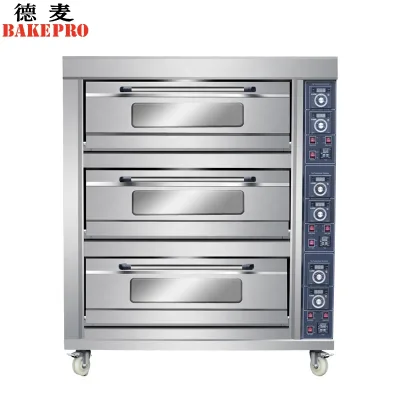
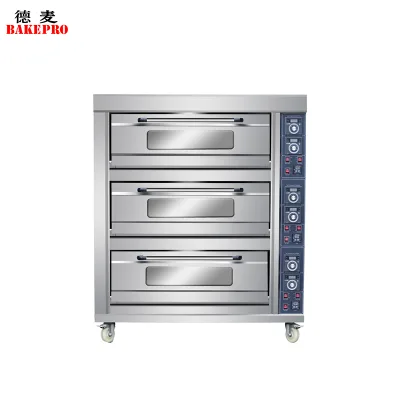


Comprehensive Sourcing Guide
Cake Shop Commercial Electric Oven Supplier Concentration and Factory Types
Current data indicates a concentration of suppliers in China Guangdong, where manufacturers produce a wide range of bakery equipment including convection ovens, rotary ovens, and pizza ovens. These facilities often operate as combined entities capable of handling both original design manufacturing and original equipment manufacturing, alongside their own branded product lines. The presence of specific product attributes like 220V or 380V voltage requirements and varying tray sizes suggests a mature industrial cluster focused on diverse commercial baking needs. Buyers should look for suppliers in this region who explicitly list bakery equipment as a primary product category to ensure specialized expertise.
In contrast, other regions such as China Jiangsu host suppliers offering multifunctional electric ovens and pressure fryers, indicating a broader scope of food processing machinery beyond just baking. These suppliers often identify as manufacturers or factories with their own brands, suggesting a direct production capability rather than pure trading. When evaluating supplier types, buyers must distinguish between combined companies that may source from multiple factories and dedicated manufacturers who control the entire production process. The distinction is critical for understanding quality control mechanisms and the ability to customize specific oven configurations for unique cake shop requirements.
How to Verify Cake Shop Commercial Electric Oven Suppliers
Verification processes should prioritize suppliers displaying BV verification status, as this provides a third-party assessment of the company's legitimacy and operational capacity. Buyers must confirm that the supplier's claimed capabilities, such as ODM or OEM services, align with the specific customization needs of their cake shop equipment. It is essential to check if the supplier offers a warranty period, such as the one-year terms observed in some listings, which indicates confidence in product durability. Relying on verified badges and explicit warranty statements helps mitigate the risk of engaging with unverified trading entities that may lack technical support.
Response time is another critical metric for verification, with some suppliers demonstrating rapid engagement capabilities while others may take significantly longer to reply. A response time under five hours suggests a dedicated sales team ready to address technical queries about voltage, dimensions, or power consumption immediately. Buyers should also examine the detailed product attributes provided, such as specific chamber sizes, exterior dimensions, and power sources, to ensure the supplier has accurate technical data. If a supplier cannot provide detailed specifications for their commercial electric ovens, it may indicate a lack of direct manufacturing involvement or insufficient product knowledge.
What to Compare Across Cake Shop Commercial Electric Oven Suppliers
When comparing suppliers, lead time is a primary factor, with observed ranges extending up to fifteen days for production and shipping. Buyers must evaluate whether this timeline fits their operational schedule, especially when replacing critical equipment or launching a new cake shop location. Minimum order quantities also vary significantly, with some suppliers accepting single-piece orders while others may have higher thresholds. Comparing these logistical constraints helps buyers determine which suppliers can accommodate small-scale testing or large-scale fleet deployments without excessive inventory costs.
Price ranges and customization options provide further differentiation, with unit costs varying from approximately one hundred dollars to over two thousand dollars depending on capacity and features. Suppliers offering customizable panel colors, specific voltage configurations, or unique tray sizes allow for tailored solutions that match specific bakery workflows. Buyers should compare the power consumption ratings, such as 6.6kw versus 19.8kw, to understand long-term energy costs alongside the initial purchase price. Additionally, the type of packaging, whether wooden crates or plywood boxes, impacts shipping safety and should be factored into the total cost of ownership.
Common Cake Shop Commercial Electric Oven Sourcing Risks
One significant risk involves the discrepancy between product descriptions and actual specifications, particularly regarding voltage and power source compatibility. Some listings may suggest electric operation while the actual product requires specific industrial power inputs, leading to installation failures if not verified. Buyers must carefully cross-reference the voltage requirements, such as 220V or 380V, with their local electrical infrastructure to avoid costly retrofits or equipment incompatibility. Relying solely on marketing keywords without verifying the technical data sheet can result in purchasing ovens that cannot function in the intended location.
Another risk is the variability in warranty terms and after-sales support, which may not be clearly defined in initial product listings. While some suppliers offer a one-year warranty, others may provide limited or no coverage, leaving buyers responsible for repair costs. The absence of clear certification details, such as CE or other safety standards, can also pose compliance risks in certain markets. Buyers should explicitly request documentation regarding safety certifications and warranty conditions before finalizing any order to ensure they are protected against potential equipment failures or regulatory non-compliance issues.
Cake Shop Commercial Electric Oven Regional Sourcing and Logistics
Sourcing from China Guangdong offers access to a dense network of specialized bakery equipment manufacturers, often resulting in competitive pricing and rapid production cycles. The region's established supply chain for components like heating elements and control panels facilitates efficient manufacturing of complex units like 2-deck 4-tray ovens. However, buyers must account for the specific dimensions and weight of these units, which can impact shipping costs and require specialized freight arrangements. Understanding the origin location helps in estimating transit times and potential customs duties associated with importing heavy machinery.
Logistics from other regions, such as Jiangsu, may involve different packaging standards and shipping routes that affect delivery timelines. Suppliers in these areas might use shrink film and carton boxes for smaller units, while larger commercial ovens often require plywood packing or wooden crates for protection. Buyers should verify the standard packing dimensions provided by the supplier to calculate the exact cubic meterage required for shipping. Accurate logistics planning ensures that the equipment arrives safely and on time, minimizing the risk of damage during transit and avoiding delays in the cake shop's opening schedule.
Cake Shop Commercial Electric Oven Commercial Terms and Order Planning
Order planning must begin with a clear understanding of the minimum order quantity and the flexibility of the supplier to accommodate custom requests. Some suppliers accept single-piece orders, which is ideal for small cake shops or pilot programs, while others may require larger volumes to activate production lines. Buyers should also consider the customization lead time, as adding specific features like custom panel colors or unique tray sizes can extend the overall delivery schedule. Early communication regarding these requirements ensures that the production timeline aligns with the business launch date.
Commercial terms regarding payment and escrow services are vital for securing the transaction and protecting the buyer's investment. While specific escrow details may vary, buyers should ensure that payment terms are structured to release funds only after satisfactory delivery and inspection of the equipment. The inclusion of a warranty period, such as one year, should be explicitly stated in the final contract to guarantee support for any manufacturing defects. Careful review of these terms prevents disputes and ensures a smooth procurement process for essential cake shop equipment.
FAQs
What is the price range for commercial bakery ovens?
Prices for commercial bakery ovens typically range from $100 to $2,700 depending on capacity and features. Smaller 1-deck models start around $100, while larger 2-deck units cost between $395 and $719. High-capacity multifunctional electric ovens can reach up to $2,700. Buyers should verify specific pricing based on voltage and customization needs.
What are the minimum order quantities for these ovens?
The minimum order quantity is generally 1 piece for most commercial bakery ovens listed. This low MOQ allows buyers to test equipment quality before placing larger orders. Suppliers accept small initial purchases, making it easier for new cake shops to source essential baking machinery without committing to bulk inventory immediately.
How long does delivery take for these ovens?
The average lead time for these ovens is 15 days. This timeframe covers production and preparation for shipment. Buyers should confirm exact delivery schedules with suppliers, as lead times may vary based on customization requirements or order volume. Prompt communication helps ensure timely arrival for shop opening schedules.
Are these ovens customizable for specific bakery needs?
Yes, customization is available for many commercial ovens. Buyers can request custom panel colors, specific tray sizes, and tailored dimensions. OEM and ODM services are also acceptable for many suppliers. This flexibility allows cake shops to match equipment to their exact production workflow and branding requirements.
Where are these commercial ovens manufactured?
These commercial ovens are primarily manufactured in China, specifically in Guangdong and Jiangsu provinces. Guangdong suppliers offer a wide range of deck and convection ovens. Jiangsu manufacturers specialize in multifunctional electric ovens. Buyers can verify specific factory locations to assess logistics and supply chain reliability.
What power sources do these bakery ovens use?
Most listed ovens use electric power sources with voltages of 220V or 380V. Some models also support gas power sources. Buyers must ensure their facility has the correct electrical infrastructure to match the oven's voltage and power consumption requirements. Checking specifications prevents installation issues and ensures safe operation.