Source Automatic Polyurethane Feeding Pump for Foam, Spray, and Coating
Find 30 listings for the Automatic Polyurethane Feeding Pump suitable for feeding liquid materials, polyurethane foam, and chemical transfers. Compare specifications like capacity, pressure, and material to select the right pneumatic pump for your industrial needs.
Key considerations
Products List


PU Polyurethane Polyurea Spray Inject/Injection Equipment Transport Feeding Pump
$180.00 - $200.00
MOQ: 1 Pieces


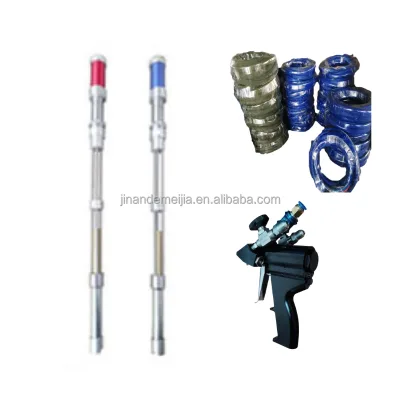


Feeding System Mixing Two Component Polyurethane High Pressure Foaming Machine
$28000.00 - $30000.00
MOQ: 1 Pieces


Polyurethane and Polyurea Liquid Chemical Transfer Pump for PU Foam Spray Machine
$2800.00 - $3100.00
MOQ: 1 Pieces

Polyurethane and Polyurea Liquid Chemical Transfer Pump for PU Foam Spray Machine
$2800.00 - $3100.00
MOQ: 1 Pieces


Comprehensive Sourcing Guide
Strategic Sourcing Guide for Automatic Polyurethane Feeding Pumps
The procurement of automatic polyurethane feeding pumps represents a critical decision point for manufacturers in the construction, automotive, and insulation sectors. These specialized fluid handling systems are designed to manage the precise delivery of liquid materials, often under high pressure, to ensure consistent product quality in foam generation and coating applications. Buyers must navigate a complex landscape where technical specifications, certification compliance, and operational efficiency intersect. This guide provides a structured approach to evaluating suppliers and selecting equipment that aligns with specific production requirements, grounded in observable market data and verified product attributes.
Technical Specifications and Operational Parameters
Understanding the technical architecture of an Automatic Polyurethane Feeding Pump is the first step in the sourcing process. The market presents a variety of configurations, primarily distinguished by their power source and flow dynamics. A significant segment of available units operates on pneumatic theory, utilizing compressed air as the primary driving force. This design choice often correlates with environments where electrical sparks pose a safety risk, making these pumps suitable for chemical and oil transfer applications. The observed working air pressure range for these systems typically spans from 0.1 to 1.0 Mpa, a parameter that must be verified against the facility's existing compressed air infrastructure.
Capacity and head pressure are equally vital metrics. Buyers should expect to encounter pumps with varying maximum head capabilities, ranging from 10 to 30 meters for smaller units up to 50 to 80 meters for heavy-duty industrial models. The flow capacity also varies significantly; some units are rated for 50 to 100 liters per minute, while high-performance variants capable of handling large flows exceed 400 liters per minute. The physical orientation of the pump shaft is another critical specification, with vertical edge positioning being a common design feature to optimize space and fluid dynamics.
Material selection directly impacts durability and chemical resistance. The pump bodies are frequently constructed from steel or stainless steel, with specific models highlighting "Stainless Seel" construction to resist corrosion from aggressive chemical agents. The internal components, often the core of the machinery, must be compatible with the raw materials being mixed, such as polyurethane or polyurea. The pressure ratio, a key performance indicator for these systems, is observed to be 3:1 in certain configurations, ensuring the necessary force to deliver the material through the spray or coating mechanism.
Compliance and Certification Verification
In the industrial sector, compliance is not merely a formality but a prerequisite for operational safety and market access. When sourcing automatic polyurethane feeding pumps, buyers must rigorously verify the certification status of the equipment. The market data indicates that a robust set of certifications is often available, including CE and ISO standards. Specific listings may also reference ISO9001:GMP and QS certifications, which speak to quality management systems and good manufacturing practices.
The presence of a machinery test report is a strong indicator of a supplier's commitment to transparency and quality assurance. Buyers should request these reports to confirm that the pump has undergone independent verification of its performance metrics. Additionally, the warranty period is a tangible measure of supplier confidence; a standard warranty of one year is commonly observed in this category. It is essential to distinguish between the certifications claimed by the manufacturer and the actual documentation provided. While CE is a widely recognized mark, the specific scope of ISO certifications should be validated to ensure they cover the relevant manufacturing processes for the specific pump model being purchased.
Cost Drivers and Pricing Structures
The pricing of automatic polyurethane feeding pumps is influenced by a confluence of factors, including material composition, automation level, and capacity. The observed price range in the market is extensive, spanning from approximately 18 USD to 85,800 USD. This vast disparity reflects the difference between basic accessory units and fully automated, high-capacity industrial systems. The "Product Type" classification often lists these items as "Accessories," which can sometimes lead to confusion regarding their standalone value; however, their integration into a larger production line significantly elevates their economic importance.
Several specific attributes drive the cost upward. Units featuring automatic operation, high-efficiency designs, and large flow capabilities command a premium over manual or semi-automatic alternatives. The material of construction is another primary cost driver; pumps made from stainless steel are generally more expensive than those constructed from standard steel due to the enhanced corrosion resistance and longevity. Furthermore, the complexity of the packaging, whether standard carton or heavy-duty plywood packaging for international shipping, adds to the final landed cost. Buyers must evaluate the total cost of ownership, considering that a higher initial investment in a high-efficiency, durable pump may result in lower long-term operational costs through reduced maintenance and higher throughput.
Typical Applications and Industry Fit
The versatility of automatic polyurethane feeding pumps allows them to serve a diverse array of industries. The primary application is the feeding of liquid materials for polyurethane foam production, where precise metering and mixing are essential for creating consistent insulation boards, automotive seats, and refrigeration panels. The "Polyurethane Foam Delivery Feeding Pump" and "Polyurea Coating Feeding Pump" keywords highlight the specific fluid dynamics required for these applications.
Beyond foam generation, these pumps are utilized in chemical processing and oil transfer operations. The classification of these units as "Oil Pumps" and "Assembly Liquid Pumps" underscores their adaptability to different fluid viscosities and chemical compositions. In the oil and chemical sectors, the pneumatic theory of operation is particularly advantageous, as it eliminates the need for electrical motors in potentially hazardous zones. The "High-Pressure Air Type" principle ensures that the pumps can handle the demanding requirements of spraying and coating applications, where the material must be atomized or delivered under significant pressure to achieve the desired finish.
Supplier Evaluation and Operational Features
Evaluating a supplier for automatic polyurethane feeding pumps requires a focus on their technical capabilities and after-sales support structure. The "Automatic" and "Non-Computerized" attributes indicate a spectrum of control systems, from simple pneumatic triggers to more complex, albeit non-computerized, automated sequences. Buyers should assess whether the supplier offers customization options, as the "Available" status suggests that manufacturers can tailor the pump to specific production line requirements.
After-sales service is a critical differentiator in this market. Suppliers that provide 24-hour support services demonstrate a commitment to minimizing downtime for their clients. The availability of a machinery test report and a clear warranty policy are further indicators of a reliable supplier. When comparing potential partners, buyers should look for evidence of a robust supply chain, including the ability to provide spare parts and technical documentation. The origin of the product, often listed as Shandong, China, or generally China, should be considered in the context of logistics and lead times, though specific delivery windows must be confirmed directly with the supplier.
Quality Control and Long-Term Procurement Considerations
Ensuring the long-term reliability of an Automatic Polyurethane Feeding Pump involves a proactive approach to quality control. Buyers should verify the physical dimensions and weight specifications, which are often standardized. For instance, a weight of 20kg and dimensions around 15cm by 15cm by 140cm or 1.35m by 0.3m by 0.2m are common specifications that help in planning installation and logistics. The packaging, whether in carton or plywood, must be sufficient to protect the unit during transit, especially for international shipments.
Long-term procurement considerations extend beyond the initial purchase to include maintenance and operational efficiency. The "Easy Simple Operation" feature is a significant advantage, reducing the training burden on operators and minimizing the risk of human error. The "Large Flow" and "High Efficiency" attributes contribute to the overall productivity of the production line. Buyers should also consider the modularity of the pump, with options for removable or non-removable assemblies, which can affect the ease of cleaning and maintenance.
To ensure sustained performance, buyers must establish a clear protocol for verifying the working air pressure and pressure ratios during the commissioning phase. Regular maintenance schedules should be developed in consultation with the supplier, leveraging the provided warranty and after-sales service. By focusing on these quality control measures and long-term operational factors, buyers can secure a reliable supply of automatic polyurethane feeding pumps that meet their production demands while minimizing total cost of ownership.
Comparative Analysis of Pump Configurations
The following table summarizes the key variations observed in the market to assist buyers in making informed decisions based on their specific operational needs.
| Feature Category | Low-End / Accessory Configuration | High-End / Industrial Configuration |
|---|---|---|
| Power Source | Pneumatic (Air Pump) | Pneumatic (High-Pressure Air Type) |
| Max. Head | 10-30m | 50-80m |
| Max. Capacity | 50-100 L/min | >400 L/min |
| Material | Steel | Stainless Steel |
| Automation | Automatic (Non-Computerized) | Automatic |
| Certification | CE, ISO | CE, ISO9001:GMP, QS |
| Warranty | 1 Year | 1 Year |
| Application | Feeding Liquid Material | Chemical Pump, Oil Transfer Pump |
| Packing | Carton Package | Carton or Plywood Packaging |
This comparison highlights that while the fundamental operating principles remain consistent, the scale and material quality differ significantly. Buyers should align their selection with the specific viscosity and flow requirements of their production process, ensuring that the chosen pump can handle the intended volume and pressure without compromising safety or efficiency.
FAQs
What certifications do automatic polyurethane feeding pumps typically have?
These pumps commonly carry CE and ISO certifications. Some models also include ISO9001:GMP and QS certifications to verify quality management systems and manufacturing practices for industrial safety compliance.
How is the power source defined for these pneumatic pumps?
The pumps operate on pneumatic theory using compressed air as the primary driving force. They function as air pumps with a working air pressure range of 0.1 to 1.0 Mpa, suitable for hazardous chemical environments.
Which materials are used to construct the pump bodies?
Pump bodies are frequently constructed from steel or stainless steel. Stainless steel variants are specifically highlighted for their resistance to corrosion from aggressive chemical agents and long-term durability in industrial settings.
Can buyers find customization options for these feeding pumps?
Yes, customization is available for these units to meet specific production line requirements. Buyers can request tailored configurations to ensure the pump integrates seamlessly with their existing machinery and operational workflows.
What is the typical warranty period for these industrial pumps?
A standard warranty of one year is commonly observed for these automatic polyurethane feeding pumps. This warranty period reflects supplier confidence in the equipment's reliability and provides coverage for initial operational issues.
How does the maximum head capacity vary across different models?
Maximum head capabilities range from 10 to 30 meters for smaller units up to 50 to 80 meters for heavy-duty industrial models. This variation allows selection based on the specific pressure requirements of the application.
What is the maximum flow capacity for high-performance variants?
High-performance variants are capable of handling large flows exceeding 400 liters per minute. Smaller units are typically rated for 50 to 100 liters per minute, catering to different production volume needs.