Find Automatic Positioning Chopsticks Packing Machine for Food, Beverage, Commodity
Explore 30 Automatic Positioning Chopsticks Packing Machine options to compare specifications like output speed and packaging materials. This guide helps buyers evaluate electric and hydraulic models for efficient disposable chopstick packaging workflows; compare the available evidence and request quotations based on your requirements.
Key considerations
Products List
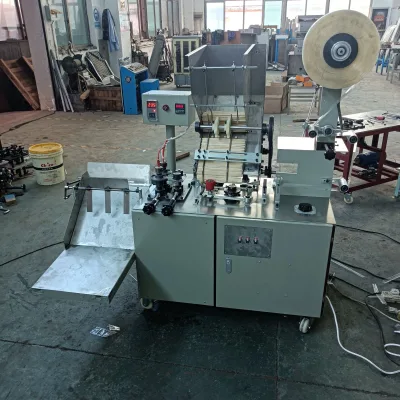
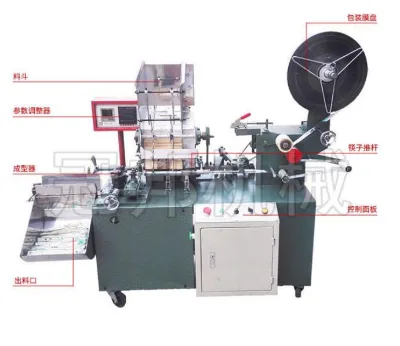
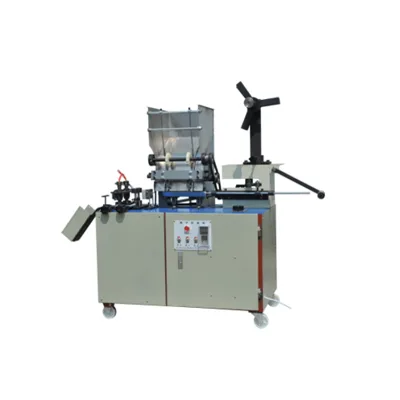


Automatic Eco-Friendly Paper Individually Packaging Chopsticks Packing Machine
$13400.00 - $13900.00
MOQ: 1 Pieces


Automatic Disposable Chopsticks Packing Machine Toothpick Packing Machine
$5899.00 - $6250.00
MOQ: 1 Sets


China Manufacturers Fully Automatic Chopsticks/Toothpick Packing Machine
$6000.00 - $20000.00
MOQ: 1 Pieces


Automatic Three-Side Sealing Chopsticks and Toothpick Packing Packaging Wrapping Machine
$7800.00 - $10000.00
MOQ: 1 Pieces


Commercial Chopsticks Packing Machine Package Machine for Chopsticks with Best Price
$4200.00 - $8000.00
MOQ: 1 Sets
Comprehensive Sourcing Guide
Automatic Positioning Chopsticks Packing Machine Sourcing Guide
Selecting the right Automatic Positioning Chopsticks Packing Machine requires a clear understanding of the specific operational needs and the technical capabilities of the equipment. These machines are designed to automate the wrapping of disposable chopsticks, typically using materials like wood or plastic, into film or bags. The core functionality relies on precise mechanical positioning to ensure consistent packaging quality, which is critical for maintaining brand presentation and operational efficiency in high-volume production environments. Buyers must evaluate how well the machine integrates with their existing workflow, considering factors such as the type of chopsticks being processed and the desired output speed.
The market offers various models with differing specifications, ranging from basic electric-driven units to more complex hydraulic systems. Key attributes often include automatic grading, specific voltage requirements such as 220V or 380V, and varying power outputs. It is essential to verify the machine’s compatibility with your facility’s power infrastructure and to assess the ease of operation, as this impacts labor training and daily usability. Understanding these foundational differences helps in narrowing down the options to those that align with your production capacity and technical constraints, ensuring a smoother procurement process.
Product Scope and Observed Listing Signals
The observed product listings indicate a diverse range of capabilities, with output capacities varying significantly between models. Some machines are rated for 200 pairs per minute, while others may operate at speeds of 50 to 130 pieces per minute. This variation suggests that buyers should carefully match the machine’s output to their daily production targets. Additionally, the packaging types supported include film, bags, and specific strapping materials like PP strap, which influences the choice of machine based on the desired final product appearance and protection level.
Dimensions and physical footprint are also critical considerations, with some units measuring approximately 1600x600x1600mm. This size impacts the available floor space in the production facility and the layout of the packaging line. Furthermore, the weight of the equipment, noted around 300kg in some listings, affects installation requirements and potential need for reinforced flooring. Buyers should also note the inclusion of features like video outgoing-inspection and online support, which serve as indicators of the supplier’s commitment to quality assurance and post-purchase assistance.
Technical Specifications to Verify
When evaluating technical specifications, the driven type of the machine is a primary decision point. Options range from electric to hydraulic systems, each offering distinct advantages in terms of power delivery and maintenance requirements. The core components, such as the engine and motor, are vital for long-term reliability, and buyers should inquire about the quality and brand of these parts. Additionally, the heat sealing power, observed at 0.37kw in some models, determines the effectiveness of the seal, which is crucial for preventing moisture ingress and ensuring the integrity of the packaged chopsticks.
Voltage compatibility is another critical technical aspect, with machines available for both 220V and 380V systems. Buyers must ensure that the selected machine matches their facility’s electrical supply to avoid costly modifications or operational disruptions. The automatic grade of the equipment, typically listed as automatic, implies a certain level of automation, but the extent of this automation, including positioning accuracy and error detection, should be clarified. Verifying these details ensures that the machine will perform as expected in your specific operational environment.
Compliance and Safety Documentation
Compliance with safety standards is paramount when operating industrial packaging machinery. Buyers should request documentation confirming that the machine meets relevant local and international safety regulations, such as CE certification where applicable. This documentation should cover electrical safety, mechanical guarding, and emergency stop functions to protect operators from potential hazards. Ensuring that the supplier provides comprehensive safety manuals and training materials is also essential for maintaining a safe working environment and minimizing the risk of accidents.
In addition to safety, buyers should verify the availability of technical documentation, including electrical schematics and maintenance guides. These documents are crucial for troubleshooting issues and performing routine maintenance, which helps extend the machine’s lifespan and maintain optimal performance. Suppliers that provide detailed documentation demonstrate a commitment to transparency and customer support, which can be invaluable during the installation and commissioning phases. Buyers should also inquire about the warranty terms, typically one year, and what specific components or services are covered.
Cost Drivers and Commercial Terms
The cost of an Automatic Positioning Chopsticks Packing Machine is influenced by several factors, including the machine’s capacity, automation level, and the quality of its components. Higher output speeds and more advanced features, such as precise positioning systems, generally command higher prices. Buyers should also consider the total cost of ownership, which includes energy consumption, maintenance costs, and the availability of spare parts. Understanding these cost drivers helps in making a more informed investment decision and avoiding unexpected expenses down the line.
Commercial terms, such as the minimum order quantity (MOQ) and supply ability, also play a significant role in the procurement process. While some listings indicate an MOQ of one unit, others may have different requirements. The supply ability, noted as 100 sets per month in some cases, affects lead times and the ability to scale up production. Buyers should negotiate clear terms regarding payment, delivery, and after-sales service to ensure a smooth transaction. Clarifying these details early in the process helps in aligning expectations and avoiding potential disputes.
Supplier Qualification and Quality Control
Supplier qualification is a critical step in ensuring the reliability of the purchased equipment. Buyers should assess the supplier’s experience in manufacturing packaging machinery and their track record in the industry. Checking for certifications, such as CE, and verifying the supplier’s production capacity can provide insights into their ability to deliver quality products. Additionally, suppliers that offer video outgoing-inspection demonstrate a commitment to quality control, allowing buyers to verify the machine’s condition before shipment.
After-sales service is another key factor in supplier evaluation. Suppliers that provide comprehensive support, including online assistance, field installation, commissioning, training, and maintenance services, are better positioned to help buyers resolve issues quickly. Buyers should inquire about the availability of spare parts and the supplier’s response time to service requests. A supplier with a robust support network can significantly reduce downtime and ensure the continuous operation of the packaging line, making them a more valuable partner in the long run.
Long-Term Procurement Checks
Long-term procurement success depends on the machine’s durability and the supplier’s ability to provide ongoing support. Buyers should consider the warranty period, typically one year, and the scope of coverage for core components like the motor and engine. Regular maintenance is essential to prevent wear and tear, and buyers should establish a maintenance schedule based on the manufacturer’s recommendations. Keeping detailed records of maintenance activities can help in identifying potential issues early and extending the machine’s operational life.
Furthermore, buyers should stay informed about technological advancements in packaging machinery to ensure their equipment remains competitive. Upgrades or modifications may be necessary to adapt to changing production requirements or new packaging materials. Building a strong relationship with the supplier can facilitate access to these updates and ensure that the machine continues to meet evolving industry standards. Regular communication with the supplier can also help in addressing any emerging issues and optimizing the machine’s performance over time.
FAQs
What is the output capacity of the automatic chopsticks packing machine?
The machine produces 200 pairs of chopsticks per minute. Some models reach 300 bags per minute. This high speed ensures efficient packaging for large production volumes while maintaining consistent quality standards.
Which voltage options are available for the chopsticks packing equipment?
Available voltage options include 220V and 380V. These electrical specifications allow the machine to operate in various industrial settings. Buyers should verify their local power supply before selecting a specific model configuration.
How long is the warranty period for the automatic packing machine?
The standard warranty period is one year. This coverage typically includes support for core components like the engine and motor. Buyers can also access online support and video technical assistance during the warranty term.
What dimensions does the automatic chopsticks packing machine occupy?
The machine measures 1600mm by 600mm by 1600mm. This compact footprint fits well in standard factory floors. The specific dimensions ensure stability during high-speed operation while minimizing the required installation space.
Can the machine handle different packaging materials like film or bags?
Yes, the machine supports packaging materials such as film, bags, and aminated film. It is designed for multi-purpose packing applications. The system adapts to various materials including plastic and OPP for versatile production needs.
Where is the automatic chopsticks packing machine manufactured?
The machines are manufactured in Shanghai, China, with some units originating from Henan. These locations are known for industrial machinery production. Buyers can expect established supply chains and logistical support from these manufacturing hubs.
What after-sales services are provided for the chopsticks packing machine?
Services include online support, video technical assistance, and field installation training. Suppliers also offer free spare parts and maintenance repair services. This comprehensive support ensures continuous operation and quick resolution of any technical issues.