Source Eco Friendly Durable Coffee Table for Living Room, Bedroom, Dining Room
Source an Eco Friendly Durable Coffee Table from 30 verified suppliers offering modern designs with ceramic tops, metal frames, and wooden options. Compare specifications, prices, and customization features for living rooms, bedrooms, and dining rooms.
Key considerations
Products List


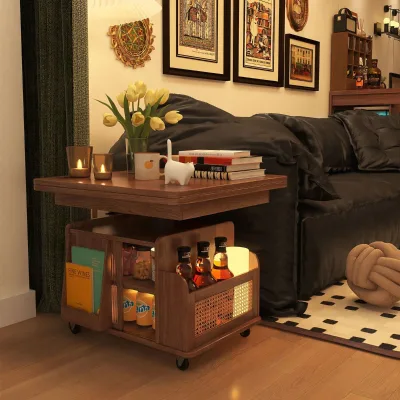
Modern Minimalist Living Room Coffee Table Dual-Use Storage Coffee Table
$100.00 - $300.00
MOQ: 1 Pieces


Modern Minimalist Square Coffee Table with Clean Design for Living Room
$12.86 - $13.14
MOQ: 500 Pieces


Sturdy & Stable Coffee Table 2-Tier Coffee Table Stylish Design Easy to Assemble
$30.99 - $33.99
MOQ: 500 Pieces


Coffee Table Modern Simple Small Coffee Table Home Living Room Furniture
$15.00 - $25.00
MOQ: 200 Pieces

Coffee Table Modern Simple Small Coffee Table Home Living Room Furniture
$15.00 - $25.00
MOQ: 200 Pieces

Coffee Table Modern Simple Small Coffee Table Home Living Room Furniture
$15.00 - $25.00
MOQ: 200 Pieces




Comprehensive Sourcing Guide
Strategic Sourcing Guide for Eco-Friendly Durable Coffee Tables
The global B2B market for coffee tables has evolved significantly, with procurement officers increasingly prioritizing sustainability alongside structural integrity. When searching for an "eco-friendly durable coffee table," buyers must navigate a complex landscape of material sourcing, manufacturing standards, and supply chain transparency. This guide provides a disciplined approach to evaluating suppliers and products, ensuring that the final procurement decision aligns with both environmental goals and long-term durability requirements. The following sections detail the technical specifications, compliance checks, and evaluation criteria necessary for a successful sourcing strategy.
Understanding Material Composition and Environmental Impact
The foundation of an eco-friendly product lies in its material composition. In the current market, wood and metal are the primary candidates for durable coffee tables, each offering distinct advantages regarding sustainability and longevity. Wooden options often utilize panel wood or solid wood, depending on the specific design requirements. Panel wood, typically engineered from wood fibers or veneers, can be a sustainable choice if sourced from responsibly managed forests, though buyers must verify the origin of the raw materials. Solid wood offers superior durability and a premium aesthetic, often associated with high-end furniture lines.
Metal frames, particularly those made from steel or aluminum, provide exceptional structural strength and resistance to wear. When evaluating metal options, the focus should be on the finish and the potential for recycling. A metal frame with a powder-coated finish can extend the product's lifespan significantly by preventing rust and corrosion. The combination of a wooden top with a metal base is a common configuration that balances the warmth of natural materials with the robustness of industrial metals. Buyers should request detailed material breakdowns to understand the percentage of recycled content or the specific type of wood used, as these factors directly influence the product's environmental footprint.
Technical Specifications and Design Standards
Technical specifications are critical for ensuring that a coffee table meets the rigorous demands of commercial and residential applications. Dimensions, load-bearing capacity, and assembly methods vary widely across different product models. For instance, specific product models in the market adhere to precise standard dimensions, such as 100cm by 50cm by 47cm, or offer fully customizable sizing to fit unique interior layouts. The ability to customize dimensions is a significant advantage for buyers targeting specific architectural requirements or space-constrained environments.
The geometry of the table also plays a vital role in its functionality and aesthetic appeal. Modern designs often feature clean lines and minimalist profiles, which are achieved through precise manufacturing tolerances. Some models incorporate additional features such as detachable side tables or integrated storage solutions, which enhance utility without compromising the table's footprint. When reviewing technical data, buyers should verify the stability of the base and the thickness of the tabletop. A metal frame provides a stable foundation, while a ceramic or wooden top offers a durable surface that resists scratches and daily wear. The standard packaging for these items often includes export-standard safe packaging to ensure that the product arrives in pristine condition, minimizing the risk of damage during transit.
Compliance, Certification, and Safety Standards
In the realm of sustainable procurement, verifying compliance with international safety and environmental standards is non-negotiable. While specific certification claims must be validated against current supplier documentation, the presence of recognized standards is a strong indicator of a supplier's commitment to quality. Buyers should look for evidence of ISO 9001 certification, which demonstrates that the manufacturer adheres to a consistent quality management system. This certification is particularly relevant for ensuring that the production process is controlled and that the final product meets specified requirements consistently.
Regarding environmental certifications, the market often references standards such as FSC (Forest Stewardship Council) for wood products. Although specific certification status for individual listings may vary, buyers must explicitly request proof of such certifications before finalizing orders. This ensures that the wood used in the coffee table is sourced from responsibly managed forests. Additionally, safety certifications related to chemical emissions, such as OEKO-TEX for textiles or similar standards for finishes, should be verified if the product includes upholstered components or specific coatings. The absence of lighting components in certain models simplifies the compliance landscape, as it eliminates the need for electrical safety certifications, allowing the buyer to focus solely on material and structural safety.
Cost Drivers and Pricing Dynamics
The pricing of eco-friendly durable coffee tables is influenced by a variety of factors, including material costs, manufacturing complexity, and supply chain logistics. The observed price range in the market spans from $1 to $1,318, reflecting the diversity of product offerings from basic models to high-end custom designs. Several key drivers contribute to this variance. First, the type of material used is a primary cost factor; solid wood and high-grade metals generally command higher prices than panel wood or standard steel. Second, the level of customization available significantly impacts the final cost. Models that offer geometric customization or specific dimension adjustments often require more complex production workflows, leading to higher unit prices.
Minimum Order Quantity (MOQ) is another critical element in cost analysis. Suppliers may set MOQs ranging from 1 unit to 500 units, depending on their production capacity and business model. Higher MOQs often result in lower per-unit costs due to economies of scale, but they also require a larger upfront capital investment. Buyers must balance their budget constraints with their inventory needs. Additionally, the origin of the product affects pricing. Products manufactured in regions like Shandong or Hebei in China may offer competitive pricing due to established supply chains and lower labor costs, but buyers must factor in shipping and import duties. The "Factory Direct" and "Wholesale" nature of many suppliers can further reduce costs by eliminating middlemen, provided the buyer can manage the logistics effectively.
Supplier Evaluation and Service Capabilities
Selecting the right supplier is as important as selecting the right product. Buyers should evaluate suppliers based on their ability to provide OEM (Original Equipment Manufacturer) and ODM (Original Design Manufacturer) services. These capabilities indicate a supplier's flexibility and willingness to collaborate on custom designs, which is essential for creating a unique product line. The availability of customization options, such as specific wood styles or geometric adjustments, is a strong indicator of a supplier's technical competence.
Location and logistics are also crucial considerations. Suppliers based in regions like Shouguang, Weifang, and Shandong, or Hebei, China, are well-positioned to serve global markets with efficient shipping routes. However, buyers must verify the specific lead times and production capabilities of each supplier. While some suppliers may offer "Factory Direct" pricing, the actual delivery timeline can vary based on order volume and customization requirements. The condition of the product upon arrival is another key metric; suppliers that provide "Export Standard Safe Packaging" and "Carton Boxes" demonstrate a commitment to protecting their products during transit. Buyers should also assess the supplier's responsiveness to inquiries and their ability to provide detailed product documentation, including material safety data sheets and quality control reports.
Quality Control and Long-Term Procurement Strategy
Implementing a robust quality control (QC) strategy is essential for maintaining the integrity of the supply chain. Given the variability in product attributes, such as the difference between "Panel" and "Solid Wood" styles, buyers must establish clear acceptance criteria before production begins. This includes verifying the dimensions, finish quality, and structural stability of the coffee tables. For products with specific standard dimensions, such as 1004846 or 21.65d39.4w18.3h, precise measurement checks should be conducted during the pre-shipment inspection phase.
Long-term procurement considerations involve building a relationship with suppliers that can scale with the buyer's needs. This includes ensuring a consistent supply of materials and maintaining the ability to meet fluctuating demand. The "New" condition of the products and the availability of "Customization" options suggest that suppliers are prepared to adapt to changing market trends. Buyers should also consider the lifecycle of the product; durable coffee tables made from high-quality wood and metal should have a long service life, reducing the need for frequent replacements. By focusing on quality and sustainability, buyers can build a brand reputation that resonates with environmentally conscious consumers.
Application Scenarios and Market Fit
The versatility of eco-friendly durable coffee tables makes them suitable for a wide range of application scenarios. These products are commonly found in living rooms, bedrooms, dining rooms, and apartments, making them essential pieces for both residential and commercial interiors. The specific design features, such as the "Detachable Side Table" or "Storage" capabilities, enhance their utility in these spaces. For example, a coffee table with storage is ideal for living rooms where clutter needs to be minimized, while a model with a scratch-resistant surface is perfect for high-traffic dining areas.
The "Modern" style of these tables aligns well with contemporary interior design trends, which favor clean lines and functional aesthetics. Whether the application is a high-end apartment or a standard residential home, the ability to customize the product to fit the specific space is a significant advantage. Buyers should consider the specific needs of their target market when selecting models. For instance, a supplier offering "Customizable" dimensions and "Geometry" can better serve clients with unique spatial requirements. By understanding the diverse application scenarios, buyers can curate a product line that meets the varied needs of their customers while maintaining the core values of sustainability and durability.
Conclusion
Sourcing eco-friendly durable coffee tables requires a meticulous approach that balances technical specifications, compliance, cost, and supplier reliability. By focusing on material quality, verifying certifications, and understanding the cost drivers, buyers can make informed decisions that support their sustainability goals. The market offers a wide range of options, from standard models to fully customized solutions, allowing buyers to tailor their procurement strategy to specific needs. Ultimately, the success of a sourcing initiative depends on the ability to evaluate suppliers critically and implement a robust quality control process. With the right strategy, buyers can secure high-quality coffee tables that stand the test of time and meet the demands of the modern market.
FAQs
What materials are used for eco friendly durable coffee tables?
These tables commonly use wood, metal, or ceramic tops with metal frames. Specific models feature panel wood, solid wood, or ceramic surfaces paired with sturdy metal bases for long-term durability and stability.
Which certifications ensure quality for these coffee tables?
ISO 9001 certification indicates a consistent quality management system for manufacturers. Buyers should verify this standard to ensure production processes meet rigorous safety and quality requirements before placing orders.
Can I customize the dimensions of these coffee tables?
Yes, customization is available for dimensions and geometry to fit specific spaces. Some models offer fully customizable sizing, while others adhere to standard dimensions like 100cm by 50cm by 47cm.
What is the minimum order quantity for these tables?
Minimum order quantities typically range from 1 to 500 units depending on the supplier. Specific listings show MOQs of 50 pieces or 100 pieces, allowing flexibility for different buyer needs.
How are these tables packaged for safe delivery?
Products are shipped in export standard safe packaging using carton boxes. This ensures the tables arrive in pristine condition, minimizing the risk of damage during transit to international destinations.
Where are these coffee tables manufactured?
Manufacturing locations include Shouguang, Weifang, Shandong, and Hebei in China. These regions offer established supply chains and competitive pricing for factory direct and wholesale furniture procurement.
What features do these modern coffee tables include?
Modern designs often include detachable side tables, scratch-resistant surfaces, and storage drawers. These features enhance utility in living rooms, bedrooms, and dining rooms while maintaining a sleek aesthetic.