Source Automatic Refrigerator Van Truck for food, medical, and logistics
Explore 30 listings for the Automatic Refrigerator Van Truck designed for cold chain transport. Buyers can compare specifications like horsepower, dimensions, and payload capacity across models from Chinese manufacturers to find the right vehicle for their needs.
Key considerations
Products List

Refrigerator (Refrigerated) Freezing (Freezer) Cold Cooling Box Van Cargo Truck
$24900.00 - $30000.00
MOQ: 1 Pieces


Refrigerator Van Truck for Frozen Seafood Refrigerated Truck 55 Cbm
$52000.00 - $58500.00
MOQ: 1 Pieces


Electric Van 4.5ton Refrigerated Truck Freezer Ice Cream Refrigerated EV Freezer Truck
$23900.00 - $29600.00
MOQ: 1 Pieces


New 290HP 4X2 Refrigerated Truck Stable Temperature Control Refrigerator Van Truck
$16800.00 - $19800.00
MOQ: 1 Pieces


FAW Refrigerator Van Truck Refrigerated Truck for Cold Chain Transport
$27000.00 - $29000.00
MOQ: 1 Pieces


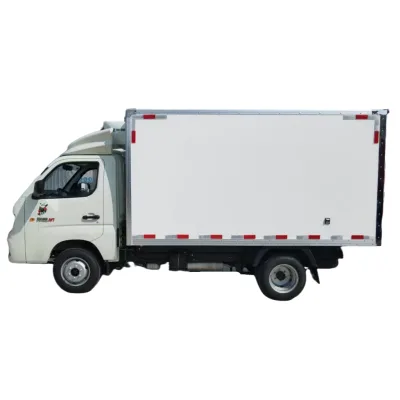

Hot Sale 4X2 5ton Food Van Refrigerator Cargo Lorry Refrigerated Van Truck
$4800.00 - $12800.00
MOQ: 1 Unit

Freezing Truck Ice Cream Refrigerator Cooling Van 5t Refrigerated Truck
$21000.00 - $28000.00
MOQ: 1 Pieces


Refrigerator Cargo Transport Refrigerated Freezer Food Box Van Cooling Truck
$11500.00 - $36500.00
MOQ: 1 Pieces


China Supplier 2 Axle 6 Wheels High Quality 4X2 Cooling Van Freezer Trucks Refrigerator Box Truck
$15000.00 - $17000.00
MOQ: 1 pieces


DFAC Refrigerator Transport Freezer Van Truck 5tons 6ton with Good Price for Sale
$15000.00 - $17000.00
MOQ: 1 pieces

Wholesale High Quality Enclosed Van Transport Different Refrigerated Truck
$15000.00 - $17000.00
MOQ: 1 pieces


Chilled Transport Truck 5tons Refrigerated Van Truck 4*2 Cold Storage Delivery Truck
$29600.00 - $30500.00
MOQ: 1 Pieces
Comprehensive Sourcing Guide
Strategic Sourcing Guide for Automatic Refrigerator Van Trucks
Understanding the Technical Landscape of Refrigerated Commercial Vehicles
The procurement of automatic refrigerator van trucks requires a granular understanding of the specific technical configurations available in the current market. These vehicles are not generic transport units but specialized assets designed for temperature-sensitive logistics. Based on observed product data, the market presents a diverse range of specifications tailored to different payload and operational needs. A critical observation in the current supply pool is the variation in horsepower ratings, which directly correlates with the vehicle's ability to maintain refrigeration units under load. The available data indicates a spectrum of power outputs ranging from less than 150 horsepower to configurations exceeding 450 horsepower. Specifically, listings show models with power outputs between 150 and 250 horsepower, as well as distinct segments offering 251 to 350 horsepower and 351 to 450 horsepower. This variance suggests that buyers must align engine power not just with road conditions, but with the thermal load requirements of the specific cargo being transported.
Transmission systems are another pivotal technical differentiator. While manual transmissions remain a standard option in many heavy-duty segments, the specific keyword "automatic" points to a growing demand for automated gearboxes that reduce driver fatigue and improve fuel efficiency in stop-and-go urban delivery scenarios. The observed product attributes confirm the availability of both manual and automatic transmission types. When evaluating an automatic refrigerator van, the buyer must verify the specific transmission model and its integration with the engine power. For instance, models with higher horsepower ratings, such as those in the 290 HP or 199 kW range, often require more sophisticated transmission management to handle the torque effectively. Furthermore, the wheelbase dimensions vary significantly, with observed ranges including 4800mm, 5150mm, and 5000mm. These dimensions dictate the turning radius and the overall stability of the vehicle, which is crucial for navigating narrow urban streets or tight loading docks.
The physical dimensions of the cargo area are equally critical for capacity planning. The market data reveals a wide array of overall dimensions, from compact units measuring approximately 4850x1690x2375mm to large-scale commercial vehicles reaching 11980x2550x3990mm. The internal van size, which determines the actual refrigerated volume, also varies, with specific listings noting dimensions like 6800x2450x2500mm. Buyers must cross-reference these external dimensions with the internal cargo space to ensure the vehicle can accommodate the required pallet configurations. Additionally, the material composition of the chassis is predominantly carbon steel, a choice that offers a balance of durability and weight management. The bearing capacity is categorized as small, medium, or large, which serves as a proxy for the vehicle's intended load class. Understanding these physical and mechanical attributes is the first step in narrowing down the supplier pool to those offering vehicles that match the specific operational profile of the buyer's logistics network.
Compliance, Certification, and Regulatory Standards
Navigating the regulatory landscape is a non-negotiable aspect of sourcing commercial refrigerated vehicles. The market data highlights several key certifications and standards that serve as indicators of manufacturing quality and regulatory compliance. A primary certification observed across multiple product listings is the ISOCCC and CE marks. These certifications suggest that the vehicles meet specific international safety and electromagnetic compatibility standards, which is particularly important for buyers operating in regions with strict import regulations. Furthermore, a more comprehensive set of certifications is noted in certain high-specification models, including ISOCCC, TSEPA, EEC, RoHS, and CE. The presence of the EEC (European Economic Community) and TSEPA (likely referring to environmental protection standards) indicates that these vehicles are designed to meet rigorous emission and safety requirements, making them suitable for export to markets with stringent environmental laws.
Emission standards are a critical compliance factor, especially given the global shift toward greener logistics. The observed data explicitly mentions the "Euro" emission standard paired with diesel fuel types. This confirms that the vehicles in the supply pool are engineered to comply with European emission regulations, which are among the most stringent in the world. Buyers must verify that the specific model they intend to purchase carries the correct emission certification for their target operating region. Additionally, the manufacturing standards listed include CCC (China Compulsory Certification) and ISO9000. The ISO9000 standard indicates that the manufacturer adheres to a quality management system, ensuring consistent production processes. The CCC mark is essential for vehicles manufactured in China, signifying that they have passed the necessary domestic safety and quality tests.
When evaluating a supplier, buyers should request documentation proving these certifications are current and applicable to the specific model number. The data shows specific model identifiers such as SLS5160XLCBX1DV, SLS5040XLC5, and HYS5180XLCEX3. Each of these models may have a unique certification profile. For example, electric variants like the HYS5040XLCBEV may have different compliance requirements compared to their diesel counterparts. The presence of RoHS (Restriction of Hazardous Substances) certification is particularly relevant for the electrical components within the refrigeration unit and the vehicle's control systems. Buyers should not assume that all listed vehicles possess every certification mentioned in the aggregate data; instead, they must verify the specific compliance status of the exact unit they are purchasing. This due diligence prevents costly delays at customs and ensures the vehicle can be legally operated in the intended jurisdiction.
Cost Drivers and Pricing Structure Analysis
The pricing of automatic refrigerator van trucks is influenced by a complex interplay of technical specifications, regulatory compliance, and customization options. The observed price range in the market spans from $2,350 to $58,500 USD. This wide disparity is not indicative of a single product tier but rather reflects the vast differences in vehicle class, from smaller utility vans to large-scale refrigerated transporters. The lower end of the price spectrum likely corresponds to smaller models with lower horsepower, reduced dimensions, and potentially simpler refrigeration systems. Conversely, the upper end of the range is associated with high-capacity vehicles featuring larger dimensions, higher horsepower ratings (such as the 351-450hp or 290HP models), and advanced transmission systems.
Beyond the base vehicle cost, several other factors drive the final price. Customization is listed as an available attribute, which implies that buyers can request modifications to the chassis, refrigeration unit, or interior layout. These customizations inevitably add to the base cost. The material composition, specifically the use of carbon steel, also impacts pricing, as does the bearing capacity and payload rating. Vehicles with a payload capacity of 20 tons or a rated load capacity exceeding 11,000 kg will naturally command a higher price due to the increased material and engineering requirements. Additionally, the gross weight and curb weight specifications, which range from 6,610 kg to 18,000 kg, are direct indicators of the vehicle's size and structural integrity, further influencing the cost.
The transmission type is another significant cost driver. Automatic transmissions generally incur a higher manufacturing cost compared to manual units, and this premium is reflected in the final price. Similarly, the engine power plays a crucial role; models with 199 kW or 290 HP engines are more expensive than those with lower power outputs. The packing method, noted as "Nude Packing" or "Nude" in the data, suggests that the vehicles are shipped without elaborate packaging, which can help reduce shipping costs but may require the buyer to handle the initial unpacking and protection of the vehicle. Buyers should also consider the lead time and location of the supplier, as shipping from origins like Suizhou, Hubei, or other parts of China to international destinations adds to the total landed cost. Understanding these variables allows buyers to create a realistic budget and negotiate more effectively with suppliers.
Typical Applications and Operational Use Cases
The versatility of automatic refrigerator van trucks makes them suitable for a wide array of commercial applications, ranging from urban food delivery to long-haul logistics. The specific model numbers and dimensions observed in the market data provide clear insights into their intended use cases. For instance, the model SLS5020XLC, with its compact dimensions of 4850x1690x2375mm, is likely designed for urban environments where maneuverability is paramount. These smaller vehicles are ideal for last-mile delivery of fresh produce, dairy products, or pharmaceuticals in densely populated cities. The smaller wheelbase and lower horsepower ratings make them fuel-efficient and easy to park in tight spaces.
On the other end of the spectrum, larger models such as the SLS5160XLCBX1DV, with dimensions reaching 9000x2550x3580mm, are built for long-haul transportation. These vehicles, often equipped with higher horsepower engines (150-250hp or more) and larger cargo volumes, are suitable for transporting goods over long distances between distribution centers. The high bearing capacity and large payload ratings support the movement of heavy loads, making them essential for the supply chain of large retailers or food processing plants. The model HYS5180XLCEX3, with its substantial size and high payload capacity, exemplifies the type of vehicle used for regional distribution networks.
The specific payload capacities observed, such as 20 tons or rated loads around 11,000 kg, further define the operational scope. Vehicles with a payload of 20 tons are typically used for bulk transport of frozen goods, where volume and weight are critical. In contrast, models with lower payload ratings are better suited for high-value, lower-weight cargo like fresh flowers or specialized medical supplies. The transmission type also influences the application; automatic transmissions are preferred in stop-and-go urban delivery scenarios where frequent gear changes are necessary, while manual transmissions might still be found in heavy-duty, long-haul applications where driver control is prioritized. Understanding these applications helps buyers select the right vehicle for their specific logistics needs, ensuring optimal efficiency and cost-effectiveness.
Supplier Evaluation and Quality Assurance Protocols
Evaluating suppliers of automatic refrigerator van trucks requires a rigorous approach that goes beyond simply comparing prices. The origin of the vehicles, often listed as Suizhou, Hubei, China, or generally China, provides a starting point for understanding the manufacturing ecosystem. However, buyers must verify the specific capabilities of the supplier to ensure they can meet quality and delivery expectations. The presence of certifications like ISO9000 and CCC is a positive indicator, but buyers should request evidence of these certifications and verify their validity. The standardization of production processes, as indicated by the ISO9000 certification, suggests that the manufacturer has established quality control measures, but this should be confirmed through site audits or third-party verification.
Quality control is paramount when dealing with complex vehicles like refrigerated trucks. The refrigeration unit is a critical component that must function reliably to prevent cargo spoilage. Buyers should inquire about the testing procedures for the refrigeration systems, including temperature stability tests and durability assessments. The data mentions specific model numbers, which can be used to trace the production history and verify the consistency of the build quality. Additionally, the material composition, specifically carbon steel, should be inspected for corrosion resistance and structural integrity. The bearing capacity and load ratings must be validated through independent testing to ensure they match the manufacturer's claims.
When evaluating a supplier, buyers should also consider their customization capabilities. The availability of customization is a key differentiator, as it allows buyers to tailor the vehicle to their specific operational needs. Suppliers that offer flexible customization options are often more responsive to market changes and customer requirements. However, buyers must ensure that any customizations do not compromise the vehicle's safety or compliance status. The packing method, noted as "Nude Packing," requires careful handling during shipping to prevent damage. Buyers should discuss packaging and shipping protocols with the supplier to ensure the vehicle arrives in pristine condition. Finally, the supplier's track record and reputation in the market should be assessed through references and past performance data to mitigate the risk of procurement failure.
Long-Term Procurement and Lifecycle Management
Sourcing automatic refrigerator van trucks is a long-term investment that requires careful consideration of lifecycle management and total cost of ownership. The initial purchase price is only one component of the total cost; maintenance, fuel efficiency, and resale value play significant roles in the long-term financial performance of the vehicle. The engine power and transmission type are critical factors in determining fuel efficiency. Vehicles with higher horsepower ratings may consume more fuel, but they offer better performance in demanding conditions. Buyers should analyze the fuel consumption data for different models to make an informed decision based on their operational profile.
The durability of the vehicle is another key consideration. The use of carbon steel and the adherence to standards like ISO9000 suggest a focus on longevity, but the actual lifespan of the vehicle depends on maintenance practices and operating conditions. Buyers should establish a robust maintenance schedule that includes regular inspections of the refrigeration unit, engine, and chassis. The availability of spare parts and technical support from the supplier is crucial for minimizing downtime. Suppliers that offer comprehensive after-sales support and warranty coverage can significantly reduce the risks associated with long-term ownership.
Resale value is also an important factor in the procurement decision. Vehicles from reputable manufacturers with strong certification records and high build quality tend to retain their value better in the secondary market. The specific model number and its market reputation can influence resale potential. Buyers should consider the standardization of the vehicle; models that comply with widely recognized standards like Euro emission regulations and CE certification are more likely to have a broader market appeal. Finally, the flexibility of the vehicle to adapt to changing regulatory requirements, such as stricter emission standards, is a key aspect of long-term procurement planning. By considering these lifecycle factors, buyers can make strategic decisions that ensure the continued efficiency and profitability of their refrigerated transport operations.
FAQs
What certifications do these automatic refrigerator van trucks have?
These vehicles typically hold ISOCCC, CE, and CCC certifications. Some high-specification models also include TSEPA, EEC, and RoHS marks to ensure compliance with international safety and environmental standards for export markets.
Which transmission types are available for these van trucks?
Both manual and automatic transmission types are available in the current market. Buyers can select automatic units for urban delivery to reduce driver fatigue or manual options for heavy-duty long-haul applications requiring specific torque control.
How does horsepower vary across different automatic refrigerator van models?
Horsepower ranges from under 150hp for compact units up to 450hp for heavy-duty transporters. Specific listings show segments offering 150-250hp, 251-350hp, and 351-450hp to match varying payload and thermal load requirements.
Can I request customization for the Automatic Refrigerator Van Truck?
Yes, customization is available for these vehicles to suit specific operational needs. Buyers can modify chassis configurations, refrigeration units, or interior layouts, which may influence the final price and lead time of the order.
What is the price range for automatic refrigerator van trucks?
The observed price range spans from 2350 to 58500 USD depending on the model class. Lower costs apply to smaller units with reduced horsepower, while larger vehicles with high payload capacity and advanced features command higher prices.
Where are these automatic refrigerator van trucks manufactured?
These vehicles are primarily manufactured in Suizhou, Hubei, and other regions in China. The origin location is a key factor for logistics planning, as shipping from these hubs affects the total landed cost and delivery timeline.