Source Automatic Reptile Small Egg Incubator for poultry, quail, and duck
Explore 30 Automatic Reptile Small Egg Incubator options to compare capacity, voltage, and hatching rates. This guide helps buyers evaluate specifications for poultry, quail, and duck applications to find the right fit for their needs; compare the available evidence and request quotations based on your requirements.
Key considerations
Products List


High Quality 288 Eggs Incubator Full Automatic Incubator for Hatching Eggs
$43.30 - $46.20
MOQ: 1 Pieces


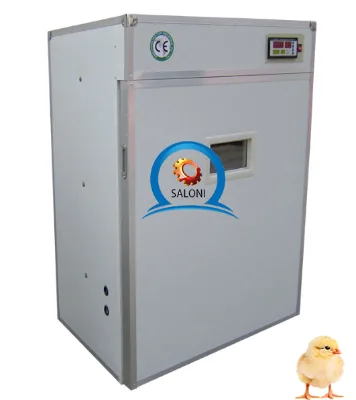


Automatic Chicken Duck Quail Egg Hatching Machine Egg Incubator for Sale
$599.00 - $3699.00
MOQ: 1 Pieces


Turtle Egg Incubator Turtle Egg Hatching Machine Cheap Reptile Incubators for Sale
$310.00 - $375.00
MOQ: 2 Pieces

OEM 90L 450L 760L Incubator Reptile Egg Tortoise Snake Thermostatic Incubator
$350.00 - $1100.00
MOQ: 5 Pieces
Comprehensive Sourcing Guide
Automatic Reptile Small Egg Incubator Sourcing Guide
Procuring an Automatic Reptile Small Egg Incubator requires distinguishing between general poultry models and units specifically engineered for reptile egg requirements. While many listed products feature broad compatibility with chicken, duck, and quail trays, the specific thermal and humidity profiles for reptiles often demand precise verification of the temperature range and control accuracy. Buyers must scrutinize whether the "Automatic Temperature Control" and "Automatic Water Filling" features are calibrated for the narrower tolerances typical of reptile species rather than standard poultry.
The observed market signals indicate a wide variance in product descriptions, ranging from general poultry incubators to specialized units labeled explicitly for reptiles. Some listings highlight "Solar Power" capabilities and "Energy Saving" advantages, which may appeal to remote operations, yet the core functionality must still align with the biological needs of the target species. It is critical to confirm that the "Computerized" control systems can maintain the stable environment required for successful hatching, as reptile eggs often lack the robustness of poultry eggs during the incubation cycle.
Product Scope and Observed Listing Signals
The product scope for these machines typically encompasses a versatile range of egg types, including chicken, duck, turkey, quail, pigeon, ostrich, and emu, as indicated by the available tray configurations. However, the specific listing for "Reptile Egg Incubators" suggests a specialized subset within this broader category. Buyers should verify that the "Egg Trays" are adjustable or replaceable to accommodate the unique shapes and sizes of reptile eggs, ensuring the "Automatic Egg Turning" mechanism does not damage the shells during rotation.
Listing signals reveal that these units often come with accessories like egg testers, sensors, and humidifiers, which are essential for maintaining the precise environmental conditions required for incubation. The "Feature" set frequently includes automatic temperature control and water filling, which reduces manual intervention and minimizes the risk of human error. However, the presence of these features does not guarantee suitability for all reptile species; the buyer must confirm that the "Temperature Range" of 0-99 degrees and the "Humidity Measure Accurancy" of 1% are sufficient for the specific reptile species being targeted.
Technical Specifications to Verify
Technical verification must begin with the panel construction, as the "Thickness of Panels" ranging from 5-6cm is a critical factor in thermal insulation and energy efficiency. Thicker panels help maintain a stable internal temperature, which is vital for the long incubation periods often associated with reptile eggs. Buyers should inspect the material composition, noting that "Aluminium Alloy" and "Steel Plate" are common standards, to ensure the unit can withstand the humidity levels required without corrosion or structural degradation over time.
The electrical and control specifications are equally important, with most units operating on a "Voltage" of 110V-240V AC at 50/60 Hz, offering global compatibility. The "Temperature Measure Accurancy" of 0.1 degrees and "Humidity Measure Accurancy" of 1% represent high-precision capabilities that are essential for sensitive reptile incubation. However, the buyer must confirm that the "Ventilation" system, described as 100% in some listings, provides adequate airflow without creating drafts that could dry out the eggs or disrupt the delicate gas exchange required for development.
Compliance and Safety Documentation
Compliance documentation for these machines often includes certifications such as BV, which indicates a level of quality assurance and safety verification. While the "Standard" for the product is listed as "Aluminium alloy" or "aluminium," this refers to material composition rather than a safety standard. Buyers should request specific electrical safety certifications relevant to their local market, ensuring the "Power Source" and internal wiring meet regional safety codes for industrial or agricultural equipment.
Safety considerations also extend to the operational environment, particularly regarding the "Heating and Ventilation Equipment Type" which may involve steam or hot water heating in some configurations. It is crucial to verify that the unit includes necessary safety features like limit switches and sensors to prevent overheating or system failure. The "Condition" of the product being "New" and the availability of "After-sales Service" are key indicators of reliability, but buyers should also inquire about the specific safety protocols for the "Epidemic Prevention Equipment" if the unit is intended for use in biosecure facilities.
Cost Drivers and Commercial Terms
Cost drivers for automatic reptile incubators are heavily influenced by the complexity of the control system and the quality of the insulation materials. Units with "Computerized" controls and high-accuracy sensors typically command a higher price point, reflecting the advanced technology required to maintain precise environmental conditions. The "Lifetime" of the machine, estimated at 10-15 years or 12-15 years depending on the model, is a significant factor in the total cost of ownership, justifying a higher initial investment for durable, long-lasting equipment.
Commercial terms often include a "Warranty" period of 3 years, which provides a safety net for potential manufacturing defects or component failures. The "MOQ" range observed from 1 to 100 units allows for flexibility in purchasing, enabling both small-scale breeders and larger operations to procure the necessary equipment. Buyers should also consider the "prod_packing" details, such as "Plywood with Thick Foam," which ensures safe transport and protects the sensitive internal components during shipping, potentially affecting the overall landed cost.
Supplier Qualification and Quality Control
Supplier qualification should focus on the manufacturer's ability to provide consistent quality and reliable after-sales support. The "Quality" of the product is described as "Pretty High" in some listings, but this subjective assessment must be backed by tangible evidence such as the "BV" certification and detailed technical specifications. Buyers should verify the supplier's track record in producing "Automatic Hatching Machines" and their capacity to customize units for specific reptile requirements, as indicated by the "Customization: Available" attribute.
Quality control processes must ensure that every unit meets the specified "Temperature Range" and "Humidity Measure Accurancy" before shipment. The inclusion of accessories like "Sensors" and "Limit Switches" suggests a focus on precision, but the buyer must confirm that these components are tested and calibrated correctly. The "After-sales Service" availability is a critical component of supplier qualification, ensuring that any technical issues can be resolved promptly to prevent loss of valuable reptile eggs during the incubation process.
Long-Term Procurement Checks
Long-term procurement checks should prioritize the durability of the "Material" and the reliability of the "Heating and Ventilation Equipment Type" over the product's operational lifespan. Given the "Lifetime" expectation of 10-15 years, buyers must assess the resistance of the "Aluminium Alloy" and "Steel Plate" construction to humidity and temperature fluctuations. Regular maintenance of the "Automatic Egg Turning" mechanism and the "Humidifier" is essential to ensure the machine continues to perform at the required "Temperature Measure Accurancy" of 0.1 degrees.
Procurement strategies should also account for the availability of replacement parts and the supplier's commitment to "Technology Support" and "Free Accessory" provisions. The "Service" offerings, including "Technology Support," indicate a supplier's willingness to assist with troubleshooting and optimization over the long term. Buyers should establish a maintenance schedule that aligns with the "Condition" of the equipment being "New" and the expected wear and tear, ensuring the incubator remains a reliable asset for years of successful reptile hatching.
FAQs
What is the hatching capacity of this incubator?
The hatching capacity ranges from 1000 to 1999 eggs for this specific poultry model. This capacity supports large-scale operations while maintaining precise temperature control and ventilation for optimal results.
Can the incubator handle different types of poultry eggs?
Yes, the trays are designed to accommodate chicken, duck, quail, turkey, pigeon, and ostrich eggs. This versatility allows users to incubate various species without needing separate machines for each type.
How accurate is the temperature measurement system?
The temperature measure accuracy is 0.1 degrees, ensuring precise control during the incubation process. This high precision helps maintain stable conditions necessary for successful hatching rates up to 98 percent.
What is the expected lifetime of the machine?
The machine has a lifetime ranging from 10 to 15 years depending on usage conditions. This durability is supported by high-quality aluminum alloy standards and robust panel construction for long-term reliability.
Is customization available for this incubator model?
Customization is available to meet specific operational requirements or facility constraints. Buyers can request tailored configurations while maintaining the core features like automatic turning and computerized temperature control systems.
What voltage does the incubator require to operate?
The incubator operates on a voltage range of 110 to 240 volts AC at 50 or 60 Hz. This wide voltage compatibility ensures the machine can function reliably in various international electrical environments.
Does the product come with a warranty?
Yes, the product includes a three-year warranty covering manufacturing defects and component failures. This warranty provides buyers with assurance regarding the quality and longevity of the automatic hatching equipment.