Source Automatic Spring Roll Crepe Maker for Dumplings, Pancakes, Wrappers
Compare 30 Automatic Spring Roll Crepe Maker units from Henan, China. Buyers can evaluate models with capacities up to 1000 pcs/hr, varying power ratings, and customizable wrapper dimensions for dumpling, pancake, and dough applications; compare the available evidence and request quotations based on your requirements.
Key considerations
Products List
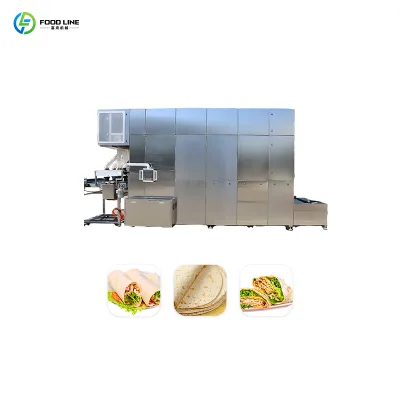
Spring Roll Crepe Making Machine Pastry Spring Roll Maker Making Machine
$5339.90 - $8112.54
MOQ: 1 units
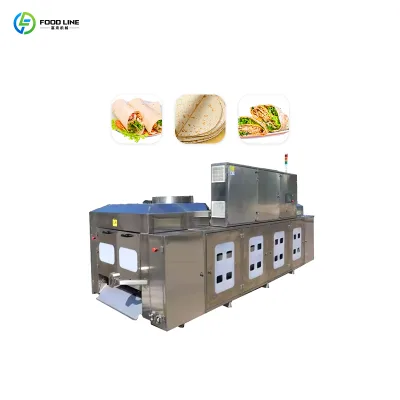


Manual Roti Maker Spring Roll Machine Crepe Maker Machine Customizable Size
$780.00 - $1500.00
MOQ: 1 Sets

Commercial Automatic Spring Roll Machine Crepe Maker Lumpia Wrapper Making Machine
$1500.00 - $7000.00
MOQ: 1 Sets

Customizable Automatic Spring Roll Machine Crepe Maker Ethiopian Injera Making Machine
$1500.00 - $7000.00
MOQ: 1 Sets


High Efficiency Crepe Making Machine / Spring Roll Wrapper Maker Machine
$1250.00 - $1625.00
MOQ: 1 Sets


Automatic Spring Roll Maker Making Spring Roll Machine for Commercial
$35000.00 - $80000.00
MOQ: 1 Pieces

Automatic Egg Roll Rolling Machines Spring Roll Maker Making Machine
$18000.00 - $42000.00
MOQ: 1 Pieces


Fully Automatic Spring Roll Making Crepe Egg Roll Maker Lumpia Machine Price
$6000.00 - $50000.00
MOQ: 1 Sets

Comprehensive Sourcing Guide
Automatic Spring Roll Crepe Maker Sourcing Guide
Procuring an Automatic Spring Roll Crepe Maker requires a clear understanding of the machine’s operational scope and the specific signals present in current market listings. Buyers must distinguish between general tortilla-making equipment and specialized units designed for thin, flexible wrappers suitable for spring rolls. The observed product range includes models explicitly labeled for tortilla production, yet many share core components like motors and automatic control systems that are adaptable to crepe-making applications. It is crucial to verify that the machine’s heating and pressing mechanisms can handle the delicate nature of spring roll skins without tearing or overcooking the dough.
The market signals indicate a wide variance in capabilities, with some units offering high-speed production rates while others focus on precision and customization. Listings often highlight features such as easy operation and high efficiency, which are critical for maintaining consistent output in commercial kitchens. However, buyers should not assume that every listed machine is optimized for spring roll skins specifically. The presence of customizable wrapper sizes and shapes suggests flexibility, but the actual performance must be validated against the specific thickness and elasticity requirements of spring roll dough. Understanding these nuances prevents the acquisition of equipment that may require extensive modification or fail to meet production standards.
Product Scope and Observed Listing Signals
The current market for automatic crepe and tortilla makers presents a diverse array of options, primarily originating from manufacturing hubs in China. Observed listings reveal a price range that spans from entry-level units to high-capacity industrial machines, reflecting significant differences in build quality and automation levels. Key attributes frequently cited include food-grade stainless steel construction, specifically SS304, which ensures durability and compliance with food safety standards. The automatic grade of these machines allows for continuous operation, reducing manual labor and increasing throughput, which is essential for businesses aiming to scale their production of spring roll skins efficiently.
Buyers should pay close attention to the specific model numbers and production capacities listed, as these indicators often correlate with the machine’s ability to handle different dough types. Some models advertise capacities of up to 1000 pieces per hour, while others may operate at slower speeds but offer greater precision in wrapper thickness. The availability of additional molds and customizable wrapper diameters, typically ranging from 13 to 20 centimeters, provides flexibility for various product sizes. However, it is important to note that customization often incurs additional costs, which should be factored into the total procurement budget. Evaluating these signals helps buyers align their specific production needs with the most suitable machine specifications.
Technical Specifications to Verify
When evaluating technical specifications, the power consumption and voltage requirements are primary considerations for integration into existing kitchen infrastructure. Listed power ratings vary, with some units operating at 0.374 kW while others may require up to 20 kW, depending on the heating method and production speed. Voltage options typically include 220V or 380V, necessitating a thorough check of the facility’s electrical capacity before purchase. Additionally, the heating methods, which may include gas, electrical, or hybrid systems, impact both operational costs and temperature control precision. Buyers must verify that the chosen heating method aligns with their energy availability and safety protocols to ensure stable and efficient operation.
Dimensional constraints and physical weight are also critical factors that influence installation and workflow design. Machines often weigh between 150 kg and 500 kg, requiring adequate floor space and structural support. The physical dimensions, such as 720x450x430 mm or larger configurations, must fit within the designated production area without obstructing movement or access. Furthermore, the core components, particularly the motor, should be assessed for reliability and ease of maintenance. Understanding these technical parameters ensures that the selected machine can be seamlessly integrated into the production line, minimizing downtime and maximizing operational efficiency throughout its lifecycle.
Compliance and Safety Documentation
Compliance with international safety and quality standards is non-negotiable when sourcing industrial food processing equipment. Buyers should prioritize machines that come with recognized certifications such as CE and ISO, which indicate adherence to stringent manufacturing and safety protocols. These certifications provide assurance that the equipment has undergone rigorous testing and meets essential health and safety requirements for food contact surfaces. The presence of a machinery test report further validates the machine’s performance and reliability, offering buyers confidence in the product’s quality before finalizing the purchase. Verifying these documents is a critical step in mitigating risks associated with equipment failure or non-compliance in regulated markets.
Warranty terms and after-sales support are equally important components of the compliance and safety framework. A standard one-year warranty is commonly offered, but buyers should carefully review the scope of coverage, including parts and labor. Clear documentation of warranty conditions helps protect the investment against unexpected repair costs during the initial operational period. Additionally, suppliers should provide comprehensive user manuals and safety guidelines to ensure proper operation and maintenance. By prioritizing suppliers who offer robust compliance documentation and warranty support, buyers can ensure a safer and more reliable procurement experience, reducing the likelihood of operational disruptions and ensuring long-term peace of mind.
Cost Drivers and Commercial Terms
Several factors influence the total cost of ownership for an Automatic Spring Roll Crepe Maker, with power consumption and production capacity being primary drivers. Machines with higher output rates, such as those capable of producing 1000 pieces per hour, typically command higher prices due to their advanced automation and robust construction. Energy efficiency is another critical cost driver, as units with lower power ratings or optimized heating systems can reduce long-term operational expenses. Buyers should evaluate the energy consumption specifications, including gas usage if applicable, to estimate ongoing utility costs and determine the most economical option for their specific production volume and budget constraints.
Commercial terms, including minimum order quantities and packaging requirements, also play a significant role in the procurement process. While some suppliers offer a minimum order quantity of one unit, others may have different thresholds that affect pricing and logistics. Packaging is typically done in wooden cases to ensure safe transit, which adds to the overall cost and shipping volume. Buyers should also consider the cost of additional molds or customization options, which are often billed separately. Understanding these commercial terms allows for accurate budgeting and negotiation, ensuring that the final purchase price aligns with the expected value and operational benefits of the equipment.
Supplier Qualification and Quality Control
Selecting a qualified supplier is essential for ensuring the reliability and longevity of the Automatic Spring Roll Crepe Maker. Buyers should verify the supplier’s production capacity and history, looking for manufacturers with a proven track record in food processing equipment. The place of origin, often Henan, China, for many listed models, indicates a concentration of manufacturing expertise in this region. However, buyers must conduct due diligence to confirm the supplier’s reputation and ability to deliver consistent quality. Requesting references or case studies from previous clients can provide valuable insights into the supplier’s reliability and customer service standards, helping to mitigate the risk of partnering with an unverified entity.
Quality control measures implemented by the supplier are another critical factor in the selection process. Buyers should inquire about the testing procedures used before shipment, including machinery test reports and functional checks. A robust quality control process ensures that each unit meets the specified performance standards and is free from defects. Additionally, suppliers should provide clear instructions for installation and maintenance, along with accessible technical support. By prioritizing suppliers with strong quality control practices and transparent communication, buyers can ensure that the purchased equipment performs as expected and minimizes the risk of post-purchase issues, leading to a smoother integration into their production workflow.
Long-Term Procurement Checks
Long-term procurement success depends on establishing a sustainable relationship with the supplier and ensuring ongoing support for the equipment. Buyers should verify the availability of spare parts and consumables, such as molds and heating elements, to minimize downtime during maintenance. A reliable supply chain for these components is crucial for maintaining consistent production levels over time. Additionally, buyers should assess the supplier’s ability to provide technical updates or upgrades, which can enhance the machine’s performance and extend its useful life. Proactive communication with the supplier regarding maintenance schedules and troubleshooting can prevent minor issues from escalating into major operational disruptions.
Regular performance monitoring and feedback loops are also essential for long-term procurement management. Buyers should establish key performance indicators, such as production speed, wrapper quality, and energy efficiency, to evaluate the machine’s ongoing performance. Regularly reviewing these metrics against the initial specifications helps identify any deviations or areas for improvement. Furthermore, maintaining open lines of communication with the supplier for any necessary adjustments or repairs ensures that the equipment continues to meet production demands. By implementing these long-term checks, buyers can maximize the return on investment and ensure the Automatic Spring Roll Crepe Maker remains a valuable asset to their operations.
FAQs
What is the production capacity of the Automatic Spring Roll Crepe Maker?
The machine offers a production capacity of approximately 1000 pieces per hour. This high output ensures efficient processing for commercial kitchens. The automatic control system maintains consistent speed. Operators can rely on this steady rate for bulk preparation tasks. The design supports continuous operation without frequent interruptions. This capacity meets the demands of high-volume food production environments effectively.
Can the wrapper size and shape be customized for specific needs?
Yes, both the wrapper size and shape can be customized. The mold diameter is adjustable to fit various requirements. Buyers can specify dimensions ranging from 13 to 20 centimeters. Additional molds may require separate payment. This flexibility allows for diverse product formats. Customization ensures the machine adapts to unique brand specifications.
What certifications does the Automatic Spring Roll Crepe Maker hold?
The equipment holds CE and ISO certifications. These marks confirm compliance with international safety and quality standards. The CE certification is essential for European market entry. ISO certification indicates adherence to quality management systems. These credentials provide assurance for commercial buyers. They facilitate smoother import processes and regulatory approvals.
How much power does the Automatic Spring Roll Crepe Maker consume?
The machine consumes approximately 0.374 kilowatts of electrical power. It operates on a 220-volt or 380-volt supply. This low power consumption reduces operational costs. The efficient motor design minimizes energy waste. Buyers benefit from reduced utility bills. The electrical system ensures stable performance during continuous use.
What is the warranty period for the Automatic Spring Roll Crepe Maker?
The machine comes with a one-year warranty. This coverage protects against manufacturing defects. Buyers receive support for mechanical issues during this period. The warranty ensures peace of mind for new owners. It covers core components like the motor. Extended support options may be available for long-term reliability.
What material is used to construct the Automatic Spring Roll Crepe Maker?
The machine is constructed from food-grade stainless steel, specifically SS304. This material ensures durability and hygiene. SS304 resists corrosion and withstands high temperatures. It meets strict food safety regulations. The robust build supports heavy daily use. Easy cleaning is facilitated by the smooth stainless steel surface.