Find Automatic Stainless Steel Meat Emulsifier for Food, Pharma, Chemical
Source 30 Automatic Stainless Steel Meat Emulsifier units with customizable features for viscous fluids, powders, and liquids. Buyers can compare models, specifications, and certifications from verified manufacturers to select the right high-speed mixer for their production needs.
Key considerations
Products List


Meat Emulsifying Machine Pesticide Emulsifier Price Food Emulsifier
$7800.00 - $40000.00
MOQ: 1 Pieces


Inline Mixer Vacuum Fryer Inline Emulsifier Meat Emulsifier Machine
$5578.00 - $39878.00
MOQ: 1 Pieces

Lecithin Emulsifier Food Stabilizer Emulsifier Natural Food Emulsifier
$5578.00 - $39878.00
MOQ: 1 Pieces


100L Stainless Steel High-Efficiency Industrial Emulsification Reactor
$1859.00 - $1999.00
MOQ: 1 Pieces

Stainless Steel 304 Emulsification Reactor for Durable Industrial Use
$1199.00 - $1399.00
MOQ: 1 Pieces

High-Performance Emulsification Reactor with Durable Stainless Steel Structure
$1199.00 - $1399.00
MOQ: 1 Pieces


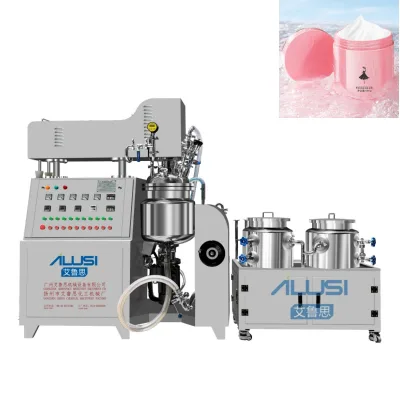
Advanced Stainless Steel Vacuum Emulsifying Mixer with Fixed Homogenizer Pot
$10000.00 - $300000.00
MOQ: 1 Pieces



Comprehensive Sourcing Guide
Strategic Sourcing Guide for Automatic Stainless Steel Meat Emulsifiers
Understanding Core Technical Specifications and Operational Capabilities
When sourcing an Automatic Stainless Steel Meat Emulsifier, the primary objective is to identify machinery that ensures consistent product texture, temperature control, and hygiene standards essential for meat processing. The observed market data indicates that these machines are predominantly constructed from high-grade stainless steel, specifically grades such as SS316L and SS304, which are critical for resisting corrosion from saline meat products and facilitating rigorous cleaning protocols. The material selection directly impacts the longevity of the equipment and its ability to maintain food safety standards over extended operational cycles.
A defining characteristic of modern automatic emulsifiers is the integration of advanced control systems. The current product landscape features touch screen control interfaces that allow operators to precisely manage mixing parameters. These systems often support variable speed control, with observed speed ranges starting at 60 revolutions per minute (R/min) and extending significantly higher to accommodate different viscosity levels. The ability to adjust speed dynamically is vital for the emulsification process, as it ensures the proper dispersion of fat and protein phases without overheating the meat matrix. Furthermore, the working mechanism is typically classified as a shear mixer or high-speed mixer, designed to generate the intense mechanical energy required to break down fat globules and create a stable emulsion.
The physical dimensions and capacity of the mixing vessel are equally critical variables. Specifications for the pulp bucket or mixing drum vary, with observed dimensions such as 380*390mm for smaller units and larger capacities ranging from 100 to 249 liters for industrial-scale operations. The shape of the mixing drum, often circular or disc-shaped with a circular groove, is engineered to optimize the flow of the meat mixture, ensuring uniform shear stress throughout the batch. Additionally, the blade height is a specific technical parameter, with observed values around 150mm, which must be matched to the drum depth to prevent dead zones where product could stagnate. The overall weight of the machinery, observed at approximately 360kg for certain models, indicates a robust build necessary to withstand the high torque generated during the emulsification of dense meat products.
Compliance, Certification, and Regulatory Standards
Navigating the regulatory landscape is a non-negotiable aspect of sourcing industrial food processing equipment. Buyers must verify that the machinery adheres to international safety and quality standards. The observed certification landscape includes ISO, CE, GOST, SONCAP, CCC, and API certifications. These certifications serve as third-party validations that the equipment meets specific safety, electrical, and mechanical requirements. For instance, CE marking indicates conformity with health, safety, and environmental protection standards for products sold within the European Economic Area, while ISO certification suggests adherence to quality management systems.
It is imperative to understand that certifications are not universal guarantees for every listed product; rather, they represent the compliance status of specific models or batches. Buyers should request current certification documents directly from the supplier to ensure that the specific unit being purchased holds valid accreditation. The presence of certifications like API (American Petroleum Institute) or GOST (Eurasian Economic Union standards) suggests that the equipment is designed for export to specific global markets, which is particularly relevant for suppliers originating from China, a major hub for this manufacturing sector.
Beyond general certifications, the material composition must align with food safety regulations. The use of SS316L is often preferred over SS304 for meat processing due to its superior resistance to chlorides and acids found in meat products. Buyers should verify that all product contact surfaces are made of food-grade stainless steel and that the surface finish meets the required roughness parameters to prevent bacterial adhesion. The standard dimensions of the equipment, such as 62012701540 mm or 22909602160 mm, often correlate with the physical footprint required for installation in facilities that must comply with specific spatial and hygiene layout regulations.
Cost Drivers and Pricing Dynamics
The pricing of automatic stainless steel meat emulsifiers is influenced by a complex interplay of factors, resulting in a wide observed range from 485 USD to 300,000 USD. This significant variance is not arbitrary but reflects differences in capacity, automation levels, material grade, and the complexity of the control systems. Entry-level models, often priced at the lower end of the spectrum, may feature basic electric power sources and manual or semi-automatic controls. In contrast, high-end units commanding prices near the upper limit typically incorporate advanced features such as vacuum capabilities, precise temperature control systems, and fully automated touch screen interfaces.
Material costs are a primary driver of price. Machines constructed entirely from SS316L will inherently cost more than those utilizing a mix of SS316L and SS304 or lower-grade stainless steels. The inclusion of additional capabilities, such as vacuum systems for degassing the meat emulsion or integrated heating and cooling methods, adds substantial value and cost to the unit. The heating method, often electric, and the cooling method, frequently water-based, are critical components that affect the operational efficiency and, consequently, the price.
The level of customization is another significant cost factor. The observed data confirms that customization is available and often a standard offering, allowing buyers to tailor the machine to specific production needs. Customization can involve modifying the mixing drum shape, adjusting the speed range, or integrating specific control logic. However, custom orders typically incur higher costs and longer lead times compared to standard models. The packaging method, whether in wooden boxes or export wooden cases, also contributes to the final price, particularly for international shipments where robust protection is required to prevent damage during transit.
Typical Applications and Process Integration
Automatic stainless steel meat emulsifiers are designed to handle a diverse range of applications, primarily focusing on viscous fluids, powders, and liquids with suspended solids. The core application area for these machines spans the pharmaceutical, food, daily chemical, and chemical industries. In the context of meat processing, the emulsifier is essential for producing products like sausages, hot dogs, bologna, and other cured meat products where a uniform texture and stable fat distribution are paramount.
The working process involves a combination of mixing, homogenization, heating, and cooling. The machine's ability to perform these functions simultaneously or sequentially is a key advantage. For example, the heating method allows for the melting of fat to facilitate emulsification, while the cooling method ensures that the meat temperature does not rise to a level that would degrade protein quality or cause bacterial growth. The temperature control system, often equipped with heating capabilities, allows for precise management of the emulsification temperature, which is critical for achieving the desired binding properties.
The stirring type, such as spiral or shear mixing, dictates the flow pattern within the drum. A spiral stirring type is often used to ensure that the entire volume of the meat mixture is processed evenly, preventing the formation of unmixed pockets. The machine's additional capabilities, such as vacuum and milling, further expand its utility. Vacuum emulsification is particularly valuable in the meat industry as it removes air pockets from the emulsion, resulting in a smoother texture and improved shelf life. The ability to mill ingredients within the same unit can streamline the production process, reducing the need for multiple pieces of equipment.
Supplier Evaluation and After-Sales Support
Selecting a reliable supplier is as critical as selecting the right machine. The observed data highlights that suppliers often provide comprehensive after-sales services, including online support, video technical support, free spare parts, and the availability of engineers to service machinery overseas. These services are vital for minimizing downtime and ensuring the long-term efficiency of the equipment. Buyers should prioritize suppliers who demonstrate a commitment to global support, as this indicates a mature supply chain capable of handling international logistics and technical challenges.
The brand reputation and the specific model history should also be evaluated. While specific brand names like Cyjx appear in the market data, buyers should focus on the track record of the model rather than just the brand. The condition of the equipment, typically listed as "New," suggests that buyers should verify the manufacturing date and the warranty terms. Customization options, such as the "Custom" or "Customization" way of production, indicate that the supplier is flexible and willing to adapt the machine to specific client requirements.
When evaluating suppliers, buyers should also consider the origin of the product. The observed data indicates that these machines originate from China, a major manufacturing hub. While this offers competitive pricing, it necessitates a thorough vetting process to ensure quality control. Buyers should request detailed specifications, including the exact material grades, power source details, and standard compliance documents. The ability to provide a clear breakdown of the machine's dimensions, weight, and packing method is also a sign of a professional supplier.
Quality Control and Long-Term Procurement Considerations
Implementing a robust quality control (QC) protocol is essential for ensuring that the purchased emulsifier meets the required performance standards. Buyers should verify the machine's condition, ensuring that it is new and free from defects. The weight of the machine, observed at 360kg for certain models, can serve as a proxy for build quality; however, this should be cross-referenced with the specific model's specifications to ensure consistency. The packing method, whether in wooden boxes or export wooden cases, must be sufficient to protect the machine during shipping, especially given the international nature of the supply chain.
Long-term procurement considerations involve analyzing the total cost of ownership, which includes maintenance, energy consumption, and spare parts availability. The automatic grade of the machine suggests a high level of automation, which can reduce labor costs but may increase the complexity of maintenance. Buyers should ensure that the supplier provides a comprehensive maintenance manual and a list of recommended spare parts. The availability of free spare parts, as observed in some supplier offerings, is a significant advantage that can reduce long-term operational costs.
Furthermore, the standard dimensions and weight of the machine must be compatible with the buyer's facility layout. The observed standard dimensions, such as 22909602160 mm or 15308801540 mm, indicate that space planning is crucial. Buyers should verify that their facility can accommodate the machine's footprint and that the power supply matches the electric power source requirements. The cooling method, typically water cooling, requires access to a reliable water supply and drainage system, which should be factored into the facility design.
In conclusion, sourcing an Automatic Stainless Steel Meat Emulsifier requires a meticulous approach that balances technical specifications, regulatory compliance, cost efficiency, and supplier reliability. By carefully evaluating the material grades, control systems, and after-sales support, buyers can secure equipment that enhances their production capabilities while maintaining the highest standards of food safety and quality. The wide range of observed prices and specifications underscores the importance of aligning the machine's capabilities with the specific needs of the production line to achieve optimal results.
FAQs
What certifications are available for automatic stainless steel meat emulsifiers?
Available certifications include ISO, CE, GOST, SONCAP, CCC, and API. These documents verify compliance with international safety and quality standards for specific models rather than guaranteeing universal accreditation for every listed unit.
Which material grades are used for the mixing drum construction?
Machines are constructed from Stainless Steel 316L or a mix of SS316L and SS304. SS316L is preferred for its superior resistance to corrosion from saline meat products and rigorous cleaning protocols.
How is the temperature controlled during the emulsification process?
The system features electric heating and water cooling methods with precise temperature control. This allows operators to manage fat melting and prevent protein degradation during high-speed mixing operations.
Can the machine handle viscous fluids and powders with suspended solids?
Yes, the equipment is designed for viscous fluids, powders, and liquids with suspended solids. The spiral or shear mixing action ensures uniform processing of diverse material types in the circular or disc-shaped drum.
What is the typical speed range for the mixing operation?
The speed range starts at 60 R/min and extends above this level. Variable speed control allows operators to adjust the shear force required for different viscosity levels and emulsification stages.
Is customization available for the machine specifications and dimensions?
Customization is available for models like RHJ and CYJX-RHG to meet specific production needs. Buyers can request modifications to the mixing drum shape, speed range, or control logic to fit their facility.