Source Coin Operated Air Hockey Table for Gaming, Indoor, and Entertainment
Compare 30 Coin Operated Air Hockey Table listings from verified Chinese manufacturers. Buyers can evaluate specifications, pricing, and customization options for gaming, indoor, and entertainment applications.
Key considerations
Products List


Arcade Coin Operated Game Machine Supplier Amusement Air Hockey Table
$1300.00 - $1600.00
MOQ: 1 Pieces


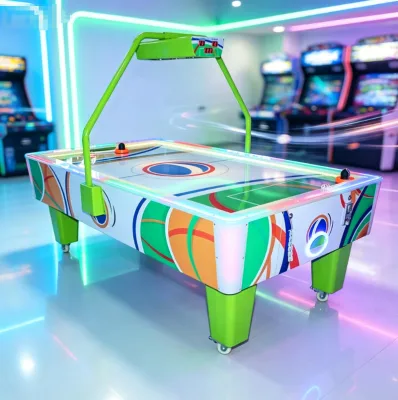
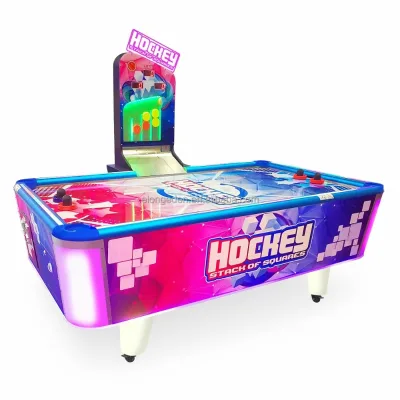


Ama Amusement Park Hockey Games Table Coin Operated for Sale Air Hockey Machine
$1150.00 - $1300.00
MOQ: 2 pieces


Superior Electronic Air Hockey Table and Classic Sport Air Hockey Table
$98.00 - $105.00
MOQ: 57 Pieces


Factory Price Arcade Games Coin Operated Classic Sport Table Top Air Hockey
$138.00 - $145.00
MOQ: 80 Pieces


Comprehensive Sourcing Guide
Strategic Sourcing Guide for Coin Operated Air Hockey Tables
Understanding Technical Specifications and Variability
When sourcing coin-operated air hockey tables, buyers must navigate a landscape of diverse technical configurations rather than a single standardized product. The available inventory reveals significant variance in power consumption, physical dimensions, and operational voltage, which directly impacts installation feasibility and energy efficiency. Observed power ratings in the current market range from 50W to 380W, indicating that some units are designed for low-energy environments while others require robust power infrastructure to sustain high-speed fan motors and electronic scoring systems. Voltage compatibility is another critical variable; while some units operate on a standard 110V supply, others support a dual voltage range of 110V/220V, and specific industrial-grade models may require 380V inputs. This variation necessitates a rigorous review of the electrical specifications against the power availability at the intended installation site before finalizing a purchase order.
Physical dimensions are equally critical for space planning. The market data indicates a wide spectrum of footprint sizes, with some compact models measuring approximately 21512588cm, while larger arcade-style units extend to dimensions like W218D145H180cm. The height of the table is particularly important for ergonomic play; units range from standard playing heights around 75cm to taller arcade cabinets exceeding 195cm. Buyers must verify the exact length, width, and height specifications for each model, as these figures dictate the floor space required for the machine itself plus the necessary clearance for players to move around the perimeter. Weight is another logistical factor, with observed units ranging from 190kg to 250kg. This substantial mass implies that specialized equipment or multiple personnel will be required for final positioning and installation, and the floor structure must be capable of supporting these static loads.
Compliance, Certification, and Safety Standards
Ensuring that imported arcade equipment meets international safety and environmental standards is a non-negotiable aspect of B2B procurement. The supply chain for these machines often includes certifications such as CE and RoHS, which serve as indicators of compliance with European Union safety, health, and environmental protection requirements. The CE mark suggests that the product adheres to relevant directives regarding electrical safety and electromagnetic compatibility, while RoHS certification indicates that the manufacturing process limits the use of specific hazardous materials. However, buyers should treat these certifications as observations of specific listings rather than universal guarantees for all available inventory. It is imperative to request valid certification documents for the specific model being procured, as the presence of a CE mark on one listing does not automatically apply to a different model from the same supplier.
Beyond electrical and material safety, the mechanical integrity of the table is paramount, especially given the target demographic often includes children. The observed "Age" specifications vary, with some units explicitly rated for ages 6+ and others targeting a broader range of 15-50 years old. This discrepancy suggests that the safety design, including the stability of the frame and the nature of the playing surface, may differ significantly between models. For installations in family entertainment centers or public venues, verifying that the machine meets local safety standards for public amusement devices is essential. Buyers should also scrutinize the "Plug Type" specifications, which are observed to include EU, US, UK, and AU variants. Mismatched plug types can lead to costly retrofitting or the need for custom adapters, which may void warranties or compromise safety.
Cost Drivers and Financial Considerations
The financial structure of sourcing coin-operated air hockey tables is influenced by a complex interplay of customization, materials, and order volume. The observed price range in the market is extensive, spanning from 50 USD to 8890 USD. This broad spectrum is driven by several key factors, including the complexity of the electronic scoring system, the quality of the playing surface, and the extent of customization. Units featuring advanced features such as multi-currency detection and OEM/ODM color options command higher price points compared to standard configurations. The material composition also plays a significant role; while some tables utilize a combination of hardware, glass, and acrylic, others rely heavily on metal construction. The durability and aesthetic finish of these materials directly correlate with the unit's cost and its ability to withstand high-traffic commercial use.
Minimum Order Quantity (MOQ) requirements further influence the total cost of acquisition. The observed MOQ range spans from 1 unit to 155 units, offering flexibility for small business owners while providing volume discounts for large-scale operators. Buyers must calculate the total landed cost, which includes the unit price, shipping fees, insurance, and any applicable import duties. The packing specifications, which vary from simple paper boxes to robust wood frames and bubble packs with stretch films, also impact shipping costs. Heavier, more securely packed units will incur higher freight charges, particularly for air freight, though sea freight may be more economical for larger orders. Understanding these cost drivers allows buyers to negotiate effectively and select a procurement strategy that aligns with their budget and operational scale.
Typical Applications and Operational Context
The versatility of coin-operated air hockey tables makes them suitable for a wide array of commercial applications, from dedicated arcades to family entertainment centers and retail lobbies. The "Application" attributes observed in the market include gaming, indoor entertainment, children's play areas, and racing-themed venues. This diversity suggests that manufacturers produce models tailored to specific environments. For instance, units designed for children may feature "Cute Design" aesthetics and lower height profiles, while those targeting adult enthusiasts might emphasize high-speed performance and competitive scoring features. The "Type" classification further distinguishes between standard air hockey tables and specialized variants like "Hockey Game Machine" or "Super Speed Hockey" models, each catering to different player preferences and skill levels.
The operational environment also dictates the necessary durability and maintenance requirements. Units intended for high-traffic locations such as shopping malls or amusement parks must be constructed to withstand constant use. The "Condition" of the product is typically listed as "New," but buyers should verify the build quality to ensure it can handle the wear and tear of public use. The "Player" count is another critical specification, with many units designed for two players, fostering a competitive social experience. However, the "Version" of the software, available in Chinese or English, must be selected based on the language preferences of the target customer base. Ensuring the correct version is installed is vital for user experience and the effectiveness of the coin-operated system.
Supplier Evaluation and Geographic Origins
Evaluating suppliers requires a careful assessment of their geographic origins and production capabilities. The majority of the observed inventory originates from Guangdong, China, and specifically Guangzhou, which is a recognized hub for manufacturing arcade and amusement equipment. This concentration of suppliers in a specific region often indicates a mature supply chain with established logistics networks, potentially leading to competitive pricing and faster lead times. However, buyers should not assume that all suppliers from this region offer identical quality or service levels. The "Customization" attribute varies, with some suppliers offering fully customized solutions while others provide non-customized, off-the-shelf models. Buyers seeking unique branding or specific design elements must prioritize suppliers who explicitly list customization as an available service.
When assessing potential partners, the "Warranty" terms are a key indicator of supplier confidence in their product. Observed warranty periods range from 1 year to lifetime technology support, reflecting different levels of commitment to after-sales service. A supplier offering a 1-year warranty is standard, but those providing lifetime support may be better positioned to handle long-term operational issues. Additionally, the "Appearance" of the machine, described as "Attract and Fashion," suggests that aesthetic design is a competitive differentiator. Buyers should request high-resolution images or videos to verify that the visual quality matches the marketing claims. It is also prudent to inquire about the supplier's experience with international shipping and their ability to handle customs documentation, as these logistical challenges can significantly impact the success of the procurement.
Quality Control and Long-Term Procurement Strategy
Implementing a robust quality control (QC) protocol is essential to mitigate the risks associated with importing heavy, complex machinery. Given the weight of these units, which can exceed 250kg, and the precision required for the air hockey surface, any damage during transit can render the product unusable. The "prod_packing" specifications, ranging from bubble packs and stretch films to strong wood frames, are the first line of defense against transit damage. Buyers should verify that the packing method is appropriate for the specific dimensions and weight of the unit being ordered. For large orders, it is advisable to conduct a pre-shipment inspection to ensure that the packaging meets the required standards and that the units are free from visible defects.
Long-term procurement considerations extend beyond the initial purchase to include maintenance, spare parts availability, and the potential for future upgrades. The "Power" and "Voltage" specifications must be compatible with the local infrastructure to avoid the need for expensive electrical modifications. Furthermore, the "Currency Detection" feature, which supports multiple currencies, is a valuable asset for international venues, but it requires regular software updates and calibration. Buyers should establish a relationship with the supplier that includes access to technical support and spare parts, ensuring that the machines remain operational for their intended lifespan. The "Condition" of the product being "New" is a baseline expectation, but buyers should also inquire about the expected service life and the availability of replacement parts for critical components like fans, scoring systems, and playing surfaces. By focusing on these long-term factors, buyers can ensure a sustainable and profitable investment in coin-operated air hockey tables.
Comparative Analysis of Key Product Attributes
To facilitate decision-making, the following table summarizes the key technical and commercial attributes observed in the current market. This comparison highlights the variability in specifications that buyers must evaluate against their specific operational needs.
| Attribute Category | Observed Range / Options | Strategic Implication |
|---|---|---|
| Power Consumption | 50W, 100W, 380W | Lower wattage units suit energy-conscious venues; high wattage implies robust motors for competitive play. |
| Voltage Support | 110V, 110V/220V, 380V | Must match local grid; dual voltage offers flexibility for international deployment. |
| Dimensions (L x W x H) | 21512588cm to 218145180cm | Critical for space planning; taller units may require higher ceilings. |
| Weight | 190kg to 250kg | Determines floor load requirements and moving logistics. |
| Certifications | CE, RoHS | Essential for EU and international markets; verify specific model compliance. |
| Customization | Available, Non-Customized | OEM/ODM options allow for branding; non-customized offers faster delivery. |
| Warranty | 1 Year, Lifetime Support | Indicates supplier confidence; lifetime support reduces long-term risk. |
| Target Age | 6+, 15-50 Years Old | Influences design safety and play complexity. |
| Origin | Guangdong, Guangzhou, China | Indicates established manufacturing hubs with specific logistics advantages. |
By carefully analyzing these attributes, buyers can align their procurement strategy with the specific demands of their venue, ensuring that the selected coin-operated air hockey tables deliver optimal performance, safety, and return on investment.
FAQs
What certifications do these tables have?
Many units carry CE and RoHS certifications indicating compliance with safety and environmental standards. Buyers should verify specific documents for the model selected, as certifications vary by listing and are not universal guarantees for all inventory.
How much does a Coin Operated Air Hockey Table cost?
Prices range from 50 to 8890 USD depending on features and customization. The cost is influenced by the electronic scoring system, material quality like metal or acrylic, and whether the unit supports multiple currencies or OEM designs.
Which power voltage options are available?
Units operate on 110V, 220V, or dual voltage 110/220V configurations. Some industrial models may require 380V inputs, so buyers must match the electrical specifications to the power availability at the intended installation site before purchasing.
Can I customize the appearance and design?
Customization is available for some models allowing OEM and ODM color options and cute designs. However, other listings specify non-customized options, so buyers must confirm customization availability with the specific supplier before finalizing the order.
What are the typical dimensions and weight?
Dimensions vary significantly, with some models measuring 215x125x88cm and others reaching 218x145x180cm. Weights range from 190kg to 250kg, requiring specialized equipment for installation and ensuring the floor can support the static load.
How long is the warranty period?
Warranty terms range from 1 year to lifetime technology support depending on the supplier. A standard 1-year warranty is common, but some providers offer extended support, which indicates their confidence in the product's long-term durability.
Where are these tables manufactured?
The majority of inventory originates from Guangdong and Guangzhou, China. This region is a recognized hub for arcade equipment, offering a mature supply chain, though buyers should verify specific supplier capabilities and shipping logistics individually.