Source Automatic Testing Machines Lock Tester for Packaging, Electronics, and Furniture
Find and compare 30 Automatic Testing Machines Lock Tester units from verified Chinese manufacturers. Buyers can evaluate specifications like voltage, test speed, and load capacity to select the right equipment for durability assessments.
Key considerations
Products List


Lock Unlock Fatigue Testing Machine/Electronic Door Lock Life Test Bench
$199.00 - $5999.00
MOQ: 1 Pieces

Fingerprint Combination Lock Life Tester/Lock Integrated Life Machine
$199.00 - $4999.00
MOQ: 1 Pieces

4-in-1 Intelligent Door Lock Testing Machine/Intelligent Lock Life Test Bench
$199.00 - $7999.00
MOQ: 1 Pieces


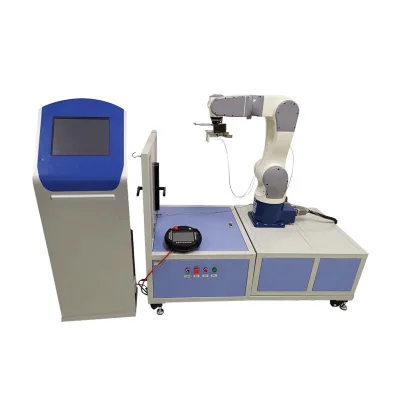
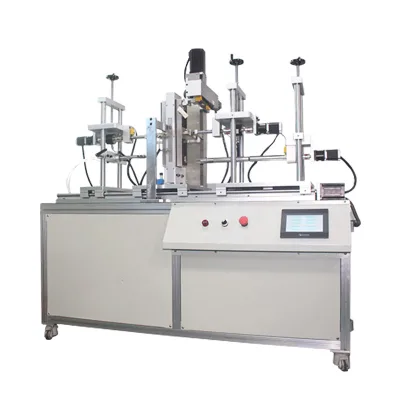


Automatic Switch Key Life Testing Machine, Switch Load Displacement Curve Tester
$3000.00 - $6000.00
MOQ: 5 Pieces


Auto Tensile Tester Tensile Tester Machine Auto Tensile Testing Tester Machine Price
$1900.00 - $3500.00
MOQ: 1 Pieces

Program Controlled Safety Regulation Tester with 6 Sets of Testing Modes
$500.00 - $5000.00
MOQ: 1 Pieces


Comprehensive Sourcing Guide
Strategic Sourcing Guide for Automatic Lock Testing Machines
Procuring automatic testing machines, specifically those designed for lock testing, requires a rigorous approach that balances technical precision with supply chain reliability. The market for these devices is characterized by a diverse range of configurations, from simple drop testers to complex dynamic load systems. Buyers must navigate a landscape where specifications vary significantly between models, often denoted by specific product codes such as HJ-69, HJ-65, or LT-JC205-A01. This guide outlines the critical factors for evaluating these machines, ensuring that procurement decisions are grounded in verified data rather than marketing assertions. The following sections detail the technical landscape, compliance verification, cost structures, and supplier evaluation criteria necessary for a successful acquisition.
Technical Specifications and Operational Capabilities
The core functionality of an automatic lock testing machine is defined by its mechanical and electrical specifications. A primary observation in the current market is the prevalence of AC220V power requirements, with specific models operating at AC220V/50Hz or 220VAC. This standardization simplifies integration into facilities with compatible electrical infrastructure, though buyers must verify the exact voltage tolerance of their local grid. Power consumption is another critical variable; observed data indicates power supplies ranging from 350W to less than 600W, depending on the machine's capacity and testing intensity.
Mechanical performance is equally vital. The load way is predominantly electronic, utilizing stepper motors to ensure precise control over testing cycles. Test speeds vary by application; some units operate at 5-10 times per minute, while others are engineered for 15±2 times per minute. For dynamic load applications, testing speeds may be specified in linear measurements, such as 200mm per cycle. The maximum capacity of these machines is generally observed to be under 1000KN, making them suitable for a wide array of lock mechanisms without the need for industrial-scale heavy-duty equipment.
The physical dimensions and weight of the equipment also influence installation logistics. Observed specifications include sizes around 1400500mm1200mm or 15007001800mm, with weights ranging from 40kg to 100kg. The stroke length, a crucial metric for drop testing, is often standardized at 100mm. Control systems have evolved to include computer control and MCU (Microcontroller Unit) interfaces, featuring 6-digit digital display counters for accurate cycle tracking. Buyers should verify that the digital display and control logic match the specific data logging requirements of their quality assurance protocols.
Compliance, Standards, and Certification Verification
When sourcing automatic testing machines, the verification of standards and certifications is paramount. While specific certification statuses for individual units cannot be assumed without direct supplier confirmation, the industry generally aligns with international testing norms. Buyers must explicitly request documentation regarding compliance with relevant standards, such as IEC 17025, which governs the competence of testing and calibration laboratories. It is essential to treat any mention of standards as a verification point rather than a guaranteed attribute of the listed products.
The air supply input standard pressure is another specific technical parameter observed in the market, typically ranging from 0.25 to 0.6MPa. Machines utilizing pneumatic components must be compatible with this pressure range to ensure safe and consistent operation. Furthermore, the accuracy grade is a critical metric; observed data lists an accuracy grade of 0, which implies a high level of precision in load measurement. However, buyers must confirm if this grade applies to the specific model they are considering, as accuracy can vary based on the sensor technology and calibration status.
Standardization of the testing process is often reflected in the product standards section. Some models adhere to fixed dimensions like 180010002000mm or 12006501350mm, while others offer customized standards. This flexibility is crucial for facilities with unique spatial constraints or specific testing protocols. Buyers should ensure that the machine's standard dimensions and operational parameters align with their internal quality control procedures and any external regulatory requirements applicable to their industry sector.
Cost Drivers and Pricing Structure Analysis
The pricing of automatic lock testing machines is influenced by a complex interplay of factors, including customization levels, material quality, and technological sophistication. The observed price range in the market spans from approximately $199 to $42,100. This wide disparity indicates that the market offers solutions for both basic testing needs and advanced, high-precision applications. Lower-priced units often correspond to simpler configurations, such as those with basic digital displays and fixed fixtures, while higher-priced models likely incorporate advanced computer control, higher load capacities, and specialized customization.
Minimum Order Quantity (MOQ) is another significant cost driver, with observed ranges from 1 to 500 units. For buyers requiring a single unit for a pilot program or a small laboratory, an MOQ of 1 is advantageous. Conversely, organizations planning to equip multiple facilities may benefit from negotiating volume discounts within the higher MOQ brackets. The customization factor also plays a role; non-standard customization is available, which typically incurs additional costs compared to standard off-the-shelf models.
Other cost considerations include packaging and shipping. Products are often shipped in fumigation-free standard export wooden boxes or carton boxes, depending on the model. The origin of the product, frequently listed as China or specifically Guangdong China, can impact logistics costs and lead times. Buyers should factor in the total cost of ownership, including installation, maintenance, and potential downtime, rather than focusing solely on the initial purchase price. The "cheaper price" attribute observed in some listings should be interpreted with caution, as it may reflect lower-end specifications or older inventory rather than a superior value proposition.
Typical Applications and Industry Use Cases
Automatic lock testing machines serve a variety of applications across different industries, primarily focusing on durability, safety, and performance verification. The drop testing machine configuration is particularly relevant for assessing the resilience of locks against impact and physical stress. These machines are designed to simulate real-world conditions where locks might be subjected to repeated impacts or dynamic loads. The ability to perform tests at specific speeds, such as 15±2 times per minute, allows manufacturers to validate the longevity of their products under accelerated testing conditions.
The dynamic load testing capability is essential for evaluating locks used in high-security environments or heavy-duty applications. Machines with a mass scope of workpiece under 900kg and a maximum diameter of workpiece under 500mm are suitable for testing a wide range of lock sizes, from residential door locks to industrial gate mechanisms. The simplex test station configuration suggests suitability for single-point testing, which is efficient for routine quality checks.
Furthermore, the adjustable fixtures found in these machines allow for the testing of various lock geometries without requiring a complete machine overhaul. This versatility makes them ideal for research and development departments that need to test prototypes with varying dimensions. The computer control and digital display features enable detailed data collection, which is crucial for industries that require rigorous documentation for regulatory compliance or customer assurance.
Supplier Evaluation and Selection Criteria
Selecting a reliable supplier for automatic lock testing machines requires a thorough evaluation of their capabilities and track record. Buyers should prioritize suppliers who demonstrate transparency regarding product specifications and origin. The observation that products originate from China, specifically Guangdong, provides a geographical context, but it does not guarantee quality. Instead, buyers must verify the supplier's ability to provide consistent quality and support.
Key evaluation criteria include the availability of customization services. The market offers both standard and non-standard customization options, indicating that suppliers should be flexible enough to meet specific client needs. The presence of a "High Quality" attribute in product descriptions should be substantiated by third-party test reports or customer references. Buyers should also assess the supplier's response time and after-sales support, as these factors are critical for maintaining operational continuity.
Additionally, the packaging and shipping methods are indicators of a supplier's professionalism. The use of fumigation-free standard export wooden boxes suggests a commitment to international shipping standards, which is beneficial for buyers importing equipment from overseas. Suppliers who offer clear documentation regarding the product model, such as HJ-69 or LT-JC205-A01, demonstrate a level of organization and transparency that is essential for a successful procurement process.
Quality Control and Long-Term Procurement Considerations
Ensuring the long-term reliability of automatic lock testing machines involves implementing robust quality control measures. Buyers should establish a protocol for regular calibration and maintenance, particularly for components like the stepper motor and digital display counters. The accuracy grade of 0 observed in some models highlights the importance of maintaining this precision over time. Regular checks against known standards can prevent drift in measurement accuracy, ensuring that test results remain valid.
Long-term procurement considerations also include the availability of spare parts and technical support. Machines with complex control systems, such as those featuring MCU control and computer interfaces, may require specialized maintenance. Buyers should inquire about the supplier's inventory of spare parts and their policy for technical assistance. The working voltage of the whole machine, typically 220VAC, should be compatible with the facility's power supply to avoid unnecessary downtime.
Finally, buyers should consider the scalability of their procurement strategy. As testing requirements evolve, the ability to upgrade or expand the testing infrastructure becomes important. Suppliers who offer modular solutions or the option to upgrade existing machines can provide better long-term value. By focusing on these quality control and long-term factors, buyers can ensure that their investment in automatic lock testing machines delivers consistent and reliable results over the lifespan of the equipment.
FAQs
What power source do Automatic Testing Machines Lock Tester use?
These machines typically use an AC220V power source, with some models operating at 220VAC or AC220V/50Hz. Buyers must verify the exact voltage tolerance of their local grid to ensure compatibility with the machine's rated voltage of 220V.
Which customization options are available for these testing machines?
Non-standard customization is available for many models, allowing buyers to tailor specifications to unique needs. Standard options include adjustable fixtures and specific product models like HJ-69, while custom dimensions can be requested for specialized applications.
How fast can the Automatic Testing Machines Lock Tester operate?
Test speeds vary by model, with some units operating at 5-10 times per minute and others at 15±2 times per minute. Dynamic load applications may specify speeds in linear measurements, such as 200mm per cycle, depending on the required testing intensity.
Can these machines handle heavy workpieces up to 900kg?
Yes, certain models support a mass scope of workpiece under 900kg with a maximum diameter under 500mm. This capacity makes them suitable for testing various lock sizes, from residential mechanisms to heavy-duty industrial gate locks.
What is the typical weight range for these testing machines?
The weight of these machines generally ranges from 40kg to 100kg, depending on the specific model and configuration. Buyers should consider this weight range when planning installation logistics and ensuring the floor can support the equipment.
Which packaging standards are used for shipping these machines?
Products are commonly shipped in fumigation-free standard export wooden boxes or carton boxes, depending on the model. This packaging ensures safe transport and compliance with international shipping standards for equipment originating from China or Guangdong.
How is the accuracy grade defined for these testing machines?
The accuracy grade is listed as 0, implying a high level of precision in load measurement for specific models. Buyers must confirm if this grade applies to their chosen unit, as accuracy can vary based on sensor technology and calibration status.