Source Automatic Temperature Control Livestock Heater for Farms
Find and compare 30 Automatic Temperature Control Livestock Heater options for poultry brooding, farm heating, and manufacturing plants. Evaluate features like infrared radiant heating, electric power sources, and computerized controls to select the right equipment for your operational needs.
Key considerations
Products List


$2650.00 - $3250.00
MOQ: 1 PC

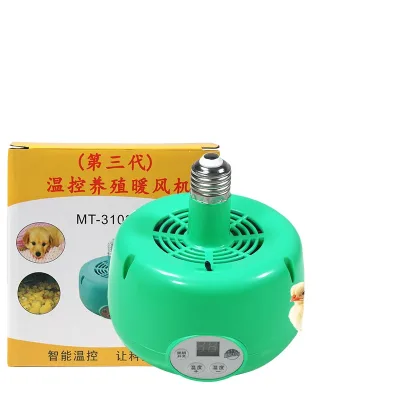


Automatic Thermal Regulation Electric Heating Poultry Gas Brooder Heater
$40.00 - $60.00
MOQ: 20 Pieces


Automatic Temperature Balance Electric Heating Poultry Gas Brooder Heater
$40.00 - $60.00
MOQ: 20 Pieces

Intelligent Heat Management Electric Heating Poultry Gas Brooder Heater
$40.00 - $60.00
MOQ: 20 Pieces

Chicken farm fuel warm air blower heater intelligent constant temperature
$150.00 - $300.00
MOQ: 1 Sets
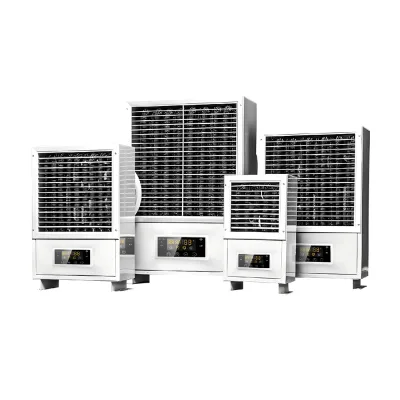
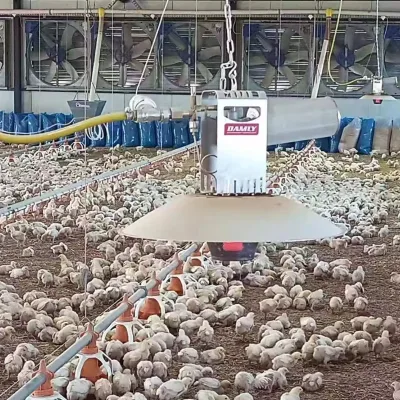
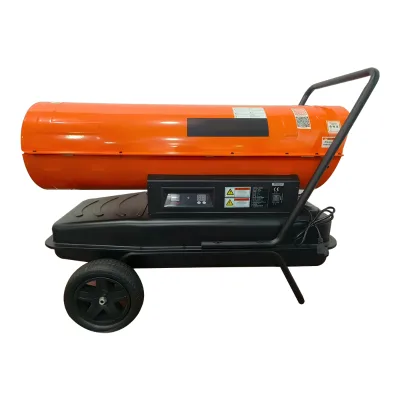


High Power Constant Temperature Diesel Heater for Livestock Farming Equipment
$105.60 - $112.50
MOQ: 50 Pieces


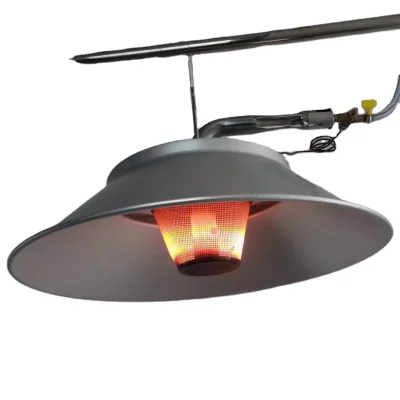

Stable Heater Horse Heater Animal Heater with Remote Control Waterproof IP65
$1.00 - $110.00
MOQ: 1 Pieces

Comprehensive Sourcing Guide
Automatic Temperature Control Livestock Heater Sourcing Guide
Sourcing reliable heating solutions for livestock operations requires a careful balance between thermal efficiency, automation precision, and operational durability. The market for automatic temperature control livestock heaters encompasses a diverse range of technologies, from infrared radiant systems to electric hot blast stoves and gas-fired induction units. Buyers must navigate this variety by focusing on specific operational needs, such as brooding chicks, maintaining ambient warmth in manufacturing plants, or supporting general farm reproduction apparatuses. The core challenge lies in identifying equipment that not only meets the immediate heating demand but also integrates seamlessly with existing farm infrastructure through computerized controls and customizable dimensions.
This guide provides a structured approach to evaluating suppliers and products based on observed market signals and technical realities. It emphasizes the importance of verifying critical specifications such as heating modes, power sources, and temperature control mechanisms before committing to a purchase. By understanding the distinct categories of heaters available—from horizontal type structures to stainless steel heating equipment—procurement teams can make informed decisions that minimize downtime and maximize animal welfare or production efficiency. The following sections detail the essential steps for validating product claims, ensuring compliance, and managing commercial risks associated with international machinery procurement.
Product Scope and Observed Listing Signals
The current market landscape for livestock heating equipment reveals a wide spectrum of product types, primarily categorized by their heating mechanism and application. Common offerings include chicks hatching machines, brooding heaters, and hot blast stoves, each serving distinct purposes within agricultural and industrial settings. Infrared radiant heating is frequently observed as a primary heating mode, particularly for brooding applications where targeted warmth is crucial for young animals. Additionally, electric heating tubes and resistance heating elements are prevalent in computerized systems designed for precise temperature regulation, while gas-fired options offer alternative fuel sources for facilities with specific energy infrastructure.
Listing signals indicate that customization is widely available, allowing buyers to tailor equipment to specific spatial and operational constraints. Products are often described with attributes such as horizontal type structures or stainless steel construction, suggesting durability and ease of integration into various environments. The observed product names, such as "Brooding Heater" or "Induction Heating Machine," highlight the specialized nature of these devices, which are not generic space heaters but purpose-built apparatuses for reproduction and incubation. Buyers should note that while many products are listed as "New," the underlying technology varies significantly, ranging from simple thermostat-controlled units to advanced computerized systems with integrated air fans and temperature controllers.
Technical Specifications to Verify
When evaluating technical specifications, the first priority is to confirm the heating mode and power source alignment with your facility’s capabilities. For electric systems, verify the phase type, as options often include single-phase or three-phase configurations, which directly impact installation requirements and electrical load management. Power ranges can vary substantially, with some units operating between 3kw and 30kw, necessitating a careful assessment of your available power supply. Additionally, check the voltage standards, as products may support a range from 220v to 480v, ensuring compatibility with local grid infrastructure to prevent operational failures or equipment damage.
Temperature control and thermal efficiency are critical performance indicators that must be rigorously verified. Look for specifications regarding temperature ranges, such as 0°C to 40°C for certain incubation equipment, or maximum temperatures up to 300°C for industrial-grade heaters. The temperature raise rate is another vital metric, with some high-performance units capable of increasing temperature by 10 degrees Celsius per second during operation. Buyers should also inquire about thermal efficiency, as values exceeding 95% indicate superior energy utilization, which can significantly reduce long-term operational costs. Confirm whether the system includes an integrated thermostat or optional temperature controllers to ensure precise and automated regulation.
Compliance and Safety Documentation
Compliance with international and regional safety standards is non-negotiable when sourcing livestock heating equipment. Certifications such as CE and ISO9001 are commonly listed, indicating adherence to European safety directives and quality management systems. However, buyers must verify the specific scope of these certifications, as some products may also carry RoHS, GMP, or QS certifications, which are relevant for food-safe or pharmaceutical-adjacent agricultural applications. It is essential to request valid certification documents directly from the supplier to ensure that the specific model being purchased meets the regulatory requirements of your operating jurisdiction.
Beyond certifications, machinery test reports and standard compliance documents provide additional layers of assurance regarding product reliability. Suppliers often provide machinery test reports that detail performance metrics under controlled conditions, offering objective data on heating consistency and electrical safety. Standards such as SGS may be referenced in product descriptions, suggesting third-party verification of quality attributes. Buyers should insist on receiving these test reports and standard compliance certificates before finalizing any order, as they serve as critical evidence of the product’s ability to perform safely and effectively in real-world livestock environments.
Cost Drivers and Commercial Terms
Understanding the cost drivers behind livestock heating equipment helps buyers anticipate total expenditure beyond the initial purchase price. Key factors influencing cost include the heating capacity, material construction, and the level of automation. Units with higher thermal efficiency, such as those exceeding 95%, may have a higher upfront cost but offer better long-term value through reduced energy consumption. Similarly, computerized systems with integrated air fans and precise temperature controllers typically command a premium over basic manual units, reflecting the added value of automation and reduced labor requirements.
Commercial terms, including minimum order quantities (MOQ) and packaging standards, also play a significant role in procurement planning. Observed MOQ ranges vary from 1 to 50 units, allowing for flexibility in purchasing small batches for testing or larger orders for full-scale deployment. Packaging methods, such as carton, paper box, wooden box, or export wooden cases, impact shipping costs and product protection during transit. Buyers should negotiate clear terms regarding packaging to ensure that sensitive electronic components and heating elements arrive undamaged, and clarify whether freight costs are included or excluded from the quoted price to avoid unexpected logistical expenses.
Supplier Qualification and Quality Control
Supplier qualification is a critical step in mitigating procurement risk, particularly when sourcing machinery from international markets. Buyers should prioritize suppliers who provide comprehensive documentation, including detailed product specifications, certification copies, and machinery test reports. The presence of attributes such as "Computerized" and "Customization Available" suggests a supplier’s capability to adapt products to specific needs, but this should be validated through direct communication and review of past performance records. Establishing a clear line of communication with the supplier’s technical team can help clarify ambiguities in product descriptions and ensure that the supplied equipment matches your operational requirements.
Quality control measures should be integrated into the procurement process to safeguard against defects and performance issues. Requesting pre-shipment inspections or third-party verification services can provide an additional layer of assurance, particularly for high-value or complex heating systems. Buyers should also inquire about the supplier’s after-sales support structure, including warranty terms, availability of spare parts, and technical assistance protocols. Given that products originate from regions like Jiangsu, China, understanding the supplier’s export experience and logistical capabilities is essential for ensuring timely delivery and smooth customs clearance.
Long-Term Procurement Checks
Long-term procurement success depends on establishing robust maintenance and performance monitoring protocols for livestock heating equipment. Regular inspection of heating elements, thermostats, and electrical connections is necessary to maintain optimal performance and prevent unexpected failures during critical breeding or incubation periods. Buyers should develop a preventive maintenance schedule that aligns with the manufacturer’s recommendations, ensuring that components such as air fans and temperature controllers are cleaned and calibrated regularly. This proactive approach minimizes downtime and extends the operational lifespan of the equipment, protecting your investment over time.
Continuous evaluation of supplier performance and product reliability is also essential for future procurement decisions. Track key performance indicators such as energy consumption, temperature stability, and maintenance frequency to assess the true cost of ownership for each unit. Feedback from field operators regarding ease of use and reliability should be documented and shared with the procurement team to inform future purchasing strategies. By maintaining a disciplined approach to long-term checks, buyers can build a resilient supply chain that supports consistent livestock production and operational efficiency.
FAQs
What certifications are available for these heaters?
Certifications include CE, ISO9001, ISO, RoHS, GMP, and QS depending on the specific model. These documents verify compliance with international safety and quality standards. Buyers should verify the exact certificate list for the selected unit, as options vary between the HL-Heater and JQL series models.
Can the equipment be customized for specific farms?
Yes, customization is available for dimensions and configurations. The product supports tailored solutions to fit unique farm layouts or operational requirements. Buyers can request specific adjustments to the standard horizontal type structure or heating area to ensure optimal integration into their existing infrastructure.
What is the maximum temperature range for these units?
The maximum temperature reaches 300°C with a raise rate of 10°C per second. The standard operating range is 0°C to 40°C for incubation applications. This rapid heating capability ensures efficient brooding conditions, while the thermal efficiency exceeds 95% for consistent energy usage.
Which power sources and phases are supported?
Power sources include electric and gas options. Electric models support single-phase and three-phase configurations with power ranges from 3kW to 30kW. Voltage standards typically span 220V to 480V, allowing flexibility for different electrical infrastructures across various manufacturing plants and farms.
How is the equipment packaged for shipping?
Packaging options include carton, paper box, wooden box, plywood box, and export wooden cases. The choice depends on the specific model and shipping requirements. These robust methods protect the machinery during transit, ensuring the new condition of the equipment remains intact upon arrival at the destination.
What is the noise level during operation?
The noise level is maintained at 55 dB or lower during operation. This quiet performance is suitable for sensitive environments like poultry farms or indoor manufacturing plants. The integrated design minimizes acoustic disturbance while providing necessary heating and ventilation for livestock or industrial processes.