Source Wet Engine Fuel Filter for Industry, Metallurgy, and Liquid Systems
Find 30 Wet Engine Fuel Filter options from verified Chinese suppliers. Compare specifications including HEPA and medium filtration grades, cartridge structures, and delivery times ranging from 15 to 25 working days for industrial and metallurgy applications; compare the available evidence and request quotations based on your requirements.
Key considerations
Products List




Comprehensive Sourcing Guide
Wet Engine Fuel Filter Sourcing Guide
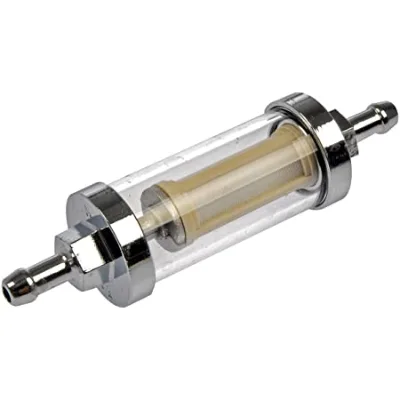
Procuring wet engine fuel filters requires precise alignment between the filter's internal wetting mechanism and the specific engine's fuel delivery architecture. Buyers must verify that the selected unit supports the "Wet" pattern classification observed in current listings, ensuring compatibility with engines where the filter housing contains fuel during operation. This distinction is critical for preventing dry-running conditions that could damage sensitive injection pumps or cause premature seal failure in high-pressure systems.
The observed market data indicates a diverse range of structural options, including cartridge and element assemblies, which must be matched to the specific adaptation model of the engine. Sourcing teams should prioritize suppliers who explicitly list "Cum Engine" or similar specific engine models in their product specifications to ensure the filter's internal geometry and flow characteristics meet the manufacturer's design requirements.
Product Scope and Observed Listing Signals
Current market listings reveal a broad spectrum of filter types, ranging from HEPA air filters to specialized fuel and oil filtration units, necessitating careful filtering of search results. Buyers should focus on items explicitly labeled with "Fuel Filter" and "Wet" pattern attributes to avoid confusion with dry air filtration systems or cabin filters that share similar housing shapes but serve entirely different functions. The presence of "Metal" and "Fiber" materials in the supply chain suggests a variety of construction methods, requiring verification of the core material against the specific fuel type being processed.
Listing signals such as "Compact" activated carbon types or "Paper Core" constructions indicate specific filtration strategies that may or may not suit a wet engine application. Procurement specialists must scrutinize the "Filtration Grade" to ensure it meets the necessary standards for fuel purity, as listings show grades ranging from "Pre Filter" to "Medium Filter." This variation highlights the importance of matching the filter's micron rating and structural integrity to the engine's operational demands rather than assuming all listed filters are interchangeable.
Technical Specifications to Verify
Technical verification begins with confirming the exact adaptation model and engine model compatibility, as listings specify models like "Xe400dk" and "Cum Engine" which dictate the physical interface requirements. Buyers must ensure the filter's standard dimensions, such as the observed "96140.511/16"-16" specification, align perfectly with the engine's mounting points to prevent leaks or installation failures. The "Flat Connector" attribute observed in some listings further emphasizes the need for precise connector matching to ensure a secure fuel line attachment.
The internal structure of the filter, whether described as a "Cartridge Filter" or "Filter Element/Assy," must be validated against the engine's flow rate and pressure requirements. Specifications like "Metal Housing + Filter Paper + Plastic Drain Valve" suggest a robust design suitable for heavy-duty applications, but the buyer must confirm that the drain valve mechanism is compatible with the wet fuel environment. Additionally, the "Paper Element" composition, potentially made of "Carbon Fiber Composite Paper," requires assessment to ensure it withstands the chemical properties of the fuel without degrading.
Compliance and Safety Documentation
Safety documentation for wet engine fuel filters must include evidence of material compatibility with the specific fuel blend used in the target engine. While some listings mention "ISO9001" certification, buyers should verify that this quality management system covers the specific manufacturing processes for fuel filtration components, ensuring that the "High Quality" claims are backed by audited procedures. The absence of specific safety test data in general listings means that buyers must request detailed material safety data sheets (MSDS) to confirm the filter materials do not react adversely with the fuel.
Regulatory compliance extends to the packaging and origin of the product, with listings indicating origins in "Shandong, China" and "Henan, China." Buyers should ensure that the "OEM" or "Custom Packaging" standards meet the destination country's import regulations regarding hazardous materials, as fuel filters often contain residual fuel or specific chemical coatings. Documentation must also verify that the "Condition: New" status is genuine and that the product has not been refurbished, which could compromise the integrity of the wet sealing mechanisms.
Cost Drivers and Commercial Terms
Cost drivers for wet engine fuel filters are heavily influenced by the complexity of the filtration grade and the materials used in the core construction. Listings showing a price range of "0.5-100" USD reflect significant variance based on whether the unit is a simple pre-filter or a high-grade HEPA-style assembly, though the latter is less common for fuel applications. Buyers must analyze the "MOQ" ranges, which vary from "1" to "1000" units, to determine the most economical order quantity that balances inventory costs with the "15-25 Working Days" delivery time.
Commercial terms such as "Tt" payment methods and "OEM Packaging" options add layers of complexity to the total cost of ownership. The "Long Working Life" advantage cited in some listings can reduce long-term procurement costs, but this claim must be validated against the specific operating conditions of the engine. Buyers should negotiate based on the "Customized Service" availability, as tailored solutions often command a premium but can significantly reduce downtime and maintenance costs in the long run.
Supplier Qualification and Quality Control
Supplier qualification requires a rigorous assessment of their ability to maintain consistent quality across the "Wet" pattern classification and specific engine adaptations. The presence of "Customization" capabilities in the supply chain is a positive indicator, suggesting that suppliers can adapt the "Filter Connector" or "Structure" to meet unique engine requirements. However, buyers must verify that the "High Quality" assertion is supported by internal quality control protocols, particularly for the "Paper Core" and "Metal Housing" components that are critical for fuel filtration integrity.
Quality control checks should focus on the consistency of the "Filtration Grade" and the structural integrity of the "Filter Element/Assy." Suppliers offering "Neutral/Color Box/Customized" packaging must demonstrate that their internal processes do not compromise the filter's performance during transit. It is essential to audit the supplier's production facilities in "Shandong" or "Henan" to ensure that the "Wet" pattern filters are manufactured in a controlled environment that prevents contamination and ensures the "Long Working Life" claims are achievable.
Long-Term Procurement Checks
Long-term procurement strategies for wet engine fuel filters must include a robust system for tracking performance metrics and failure rates over time. Buyers should establish a feedback loop with the supplier to monitor the "Delivery Time" consistency, as delays in receiving critical fuel filters can halt engine operations and incur significant downtime costs. The "15day" or "15-25 Working Days" lead times observed in listings should be benchmarked against actual performance to ensure that the supply chain remains resilient against market fluctuations.
Continuous verification of the "Filtration Grade" and "Material" composition is essential to maintain engine efficiency and prevent premature wear. Procurement teams should regularly review the "Customized Service" offerings to ensure they remain aligned with evolving engine technologies and fuel standards. By maintaining a close relationship with suppliers who provide "OEM" or "Custom Packaging," buyers can ensure that the filters continue to meet the specific "Adaptation Model" requirements of their fleet, securing a reliable supply of high-performance filtration components.
FAQs
What customization options are available for wet engine fuel filters?
Customization is available for these wet engine fuel filters to meet specific industrial needs. Buyers can request tailored packaging, such as plywood boxes or pallets, and may choose from various colors including white, gray, and black. The supplier supports customized services to ensure the product fits unique operational requirements effectively.
Which filtration grades are offered for these wet engine fuel filters?
These wet engine fuel filters come in multiple filtration grades including HEPA, medium, and pre-filter options. The specific grade depends on the application, whether it is for air, liquid, or fuel systems. This variety ensures that the filter meets the precise cleanliness standards required for different industrial and metallurgy applications.
How long is the delivery time for Wet Engine Fuel Filter orders?
The standard delivery time for Wet Engine Fuel Filter orders ranges from 15 to 25 working days. Some specific models may have a lead time of 15 days depending on stock availability. This timeframe allows for proper manufacturing and quality checks before the products are shipped from the origin in China.
Can I find wet engine fuel filters with ISO9001 certification?
Yes, wet engine fuel filters with ISO9001 certification are available for purchase. This certification confirms that the manufacturing process meets international quality management standards. Buyers seeking high-quality products can rely on this credential to ensure consistent performance and reliability in their industrial operations.
What is the minimum order quantity for wet engine fuel filters?
The minimum order quantity for wet engine fuel filters typically ranges from 50 to 100 units. Some specific listings may require a minimum of 100 units. This MOQ ensures efficient production runs while allowing buyers to procure sufficient quantities for their industrial or metallurgy applications without excessive inventory costs.
Which materials are used to construct these wet engine fuel filters?
These wet engine fuel filters are constructed using metal, fiber, and paper core materials. Specific components may include carbon fiber composite paper or metal housing combined with filter paper. The material selection ensures durability and effective filtration performance for various liquid and air applications in industrial settings.
What payment methods are accepted for Wet Engine Fuel Filter purchases?
The accepted payment method for Wet Engine Fuel Filter purchases is typically TT, which stands for Telegraphic Transfer. This standard banking method ensures secure and efficient transactions between buyers and suppliers. It is a widely used payment option in international trade for industrial components like these filters.