Source Petroleum Truck Plastic Sight Glass for Oil Tank, Water Tank, and Tank Truck
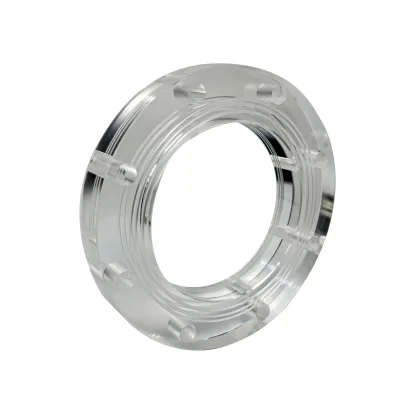
Find 30 Petroleum Truck Plastic Sight Glass options for oil tanks, water tanks, and tank trucks. Compare vertical column designs, acrylic materials, and flange connections to select the right sight glass for your petroleum equipment needs; compare the available evidence and request quotations based on your requirements.
Key considerations
Products List





Customized 6.76mm Automotive Laminated Safety Glass for Bus /Truck Windshield Glass
$45.00 - $50.00
MOQ: 10 Pieces




Comprehensive Sourcing Guide
Petroleum Truck Plastic Sight Glass Sourcing Guide
Procuring sight glass components for petroleum trucks requires a precise understanding of material compatibility and operational visibility. These devices are critical for monitoring fluid levels in underground or surface storage tanks, ensuring accurate inventory management and preventing overflow incidents. Buyers must distinguish between simple acrylic indicators and complex flange-mounted assemblies designed for high-pressure environments. The core keyword highlights the intersection of plastic construction and heavy-duty transport applications, where durability and clarity are non-negotiable.
The market offers a variety of configurations, ranging from basic vertical columns to specialized flange connections. Suppliers often list products with specific model numbers like JS-SG or JSAP-4, indicating distinct design features tailored for oil tankers or stationary storage. Understanding these variations is essential for matching the sight glass to the specific valve or tank interface. Buyers should focus on the physical attributes, such as thickness and mounting type, to ensure the component integrates seamlessly with existing infrastructure without compromising structural integrity.
Product Scope and Observed Listing Signals
Current market listings reveal a diverse range of sight glass products, with prices spanning from $0.11 to $4,999 USD. This wide variance reflects differences in material quality, size, and additional features like integrated valves or custom packaging. The observed minimum order quantities (MOQ) typically range from 1 to 500 units, offering flexibility for both small-scale replacements and large fleet deployments. Buyers should note that lower-priced items may be basic acrylic pieces, while higher-cost options often include robust flanges and specialized mounting hardware.
Product attributes frequently mention customization options, allowing buyers to specify dimensions and connection types. Common sizes include 3-inch and 4-inch variants, with some models supporting capacities up to 50ml for precise measurement. The color is predominantly transparent, ensuring clear visibility of the medium, which is often oil or water. Packaging details vary, with some suppliers offering cartons containing multiple units, while others provide custom packaging to meet specific logistical requirements. These signals help buyers assess the scalability and adaptability of the supplier’s offerings.
Technical Specifications to Verify
Verifying technical specifications is crucial for ensuring the sight glass performs reliably in harsh petroleum environments. Key attributes to confirm include the body material, which is often plastic or acrylic, and the mounting type, typically vertical for tank installations. The thickness of the glass, such as 30mm, directly impacts durability and resistance to impact. Buyers should also check the connection type, with flange connections being common for secure attachment to tank valves or pipes. These specifications ensure the component can withstand the mechanical stresses of transport and operation.
Operating conditions must align with the product’s rated temperature range, often specified as -20℃ to 80℃. This range ensures the plastic material remains stable and does not deform under typical storage or transport temperatures. Additionally, the principle of operation, such as piezoelectric or radar types for level measurement, should be verified if the sight glass includes electronic components. Accuracy metrics, like ±8mm measurement accuracy, are vital for precise inventory control. Buyers must ensure these technical parameters match the specific requirements of their petroleum truck or tank system.
Compliance and Safety Documentation
Compliance with industry standards is essential for safety and regulatory adherence in petroleum handling. Buyers should request documentation confirming that the sight glass meets relevant safety certifications, such as ISO standards, which indicate adherence to quality management systems. While specific standards like EN 10204-3.1 or CE marking may be referenced, buyers must verify their applicability to the specific product type and region. Proper documentation ensures that the component has undergone rigorous testing for pressure resistance and material compatibility.
Safety features, such as the see-through design, allow for visual inspection without opening the tank, reducing the risk of exposure to hazardous vapors. Buyers should also inquire about the product’s origin, with many suppliers listing locations in China, such as Jiangsu or Anhui provinces. Understanding the manufacturing location can provide insights into supply chain reliability and quality control practices. Additionally, payment terms like T/T or PayPal should be reviewed to ensure secure transactions. Proper compliance documentation mitigates legal and operational risks.
Cost Drivers and Commercial Terms
Several factors influence the cost of petroleum truck sight glasses, including material quality, size, and customization requirements. Larger sizes, such as 4-inch models, generally command higher prices due to increased material usage and manufacturing complexity. Customization options, such as specific flange dimensions or packaging, can also add to the cost. Buyers should evaluate the total cost of ownership, considering not just the unit price but also shipping, installation, and maintenance expenses over the product’s lifecycle.
Commercial terms, including MOQ and payment methods, play a significant role in procurement planning. Suppliers may offer flexible MOQs, starting from as low as 2 units, which is beneficial for small orders. Payment options like T/T or PayPal provide convenience, but buyers should negotiate terms that align with their cash flow. Additionally, lead times and shipping methods should be clarified to avoid delays. Understanding these commercial dynamics helps buyers optimize their procurement strategy and manage budget constraints effectively.
Supplier Qualification and Quality Control
Evaluating supplier qualification is critical for ensuring consistent quality and reliable supply. Buyers should verify the supplier’s production capabilities, including their ability to handle customization requests and maintain consistent product standards. Quality control processes, such as inspection of material thickness and connection integrity, should be documented and transparent. Suppliers with established certifications, like ISO, often have more robust quality management systems in place, reducing the risk of defects.
Communication and responsiveness are also key indicators of supplier reliability. Buyers should assess the supplier’s ability to provide detailed product information, technical support, and after-sales service. Clear packaging details, such as 20 pieces per carton, indicate organized logistics practices. Additionally, suppliers should be willing to provide samples for testing before bulk orders. Establishing a strong relationship with a qualified supplier ensures long-term partnership and minimizes supply chain disruptions.
Long-Term Procurement Checks
Long-term procurement success depends on regular performance monitoring and supplier relationship management. Buyers should track the durability and performance of sight glasses in real-world applications, noting any issues with clarity, leakage, or material degradation. Regular audits of supplier quality control processes can help identify potential problems early. Maintaining open communication with suppliers allows for continuous improvement and adaptation to changing operational needs.
Reviewing commercial terms periodically ensures that pricing and delivery conditions remain competitive. Buyers should also stay informed about industry trends and technological advancements in sight glass design. This proactive approach helps in making informed decisions about future purchases and upgrades. By focusing on long-term checks, buyers can optimize their procurement strategy, reduce costs, and enhance operational efficiency in petroleum truck management.
FAQs
What customization options are available for Petroleum Truck Plastic Sight Glass?
Customization is available for Petroleum Truck Plastic Sight Glass to meet specific client needs. Buyers can request tailored packaging details and product dimensions. The standard size is 4 inches, but other specifications like 3 inches exist. This flexibility allows for adapting the sight glass to various tank truck requirements effectively.
Which certifications do Petroleum Truck Plastic Sight Glass manufacturers hold?
Manufacturers of Petroleum Truck Plastic Sight Glass often hold ISO certification to ensure quality standards. This certification verifies that production processes meet international requirements for safety and reliability. Buyers should verify specific documentation when sourcing to confirm compliance with industry standards for oil and water tank applications.
How is the mounting type configured for underground petroleum truck sight glass?
The mounting type for underground petroleum truck sight glass is typically vertical. This configuration ensures stability and proper alignment within the tank structure. The product is designed for use in oil tanks and water tanks, providing a transparent view of the liquid level while maintaining structural integrity under operational conditions.
Can buyers find Petroleum Truck Plastic Sight Glass with a 50ml capacity?
Yes, buyers can find Petroleum Truck Plastic Sight Glass with a 50ml capacity option. This specific capacity is listed among the available product attributes for certain models. It is suitable for applications requiring precise volume monitoring in smaller tank sections or specific industrial setups involving oil or water storage systems.
What is the minimum order quantity for Petroleum Truck Plastic Sight Glass?
The minimum order quantity for Petroleum Truck Plastic Sight Glass ranges from 1 to 500 units depending on the supplier. Some listings indicate an MOQ of 2 pieces for specific models. Buyers should check individual supplier requirements as the quantity may vary based on customization needs and specific product models like JS-SG.
Which material is used for the body of Petroleum Truck Plastic Sight Glass?
The body material for Petroleum Truck Plastic Sight Glass is typically plastic or acrylic. These materials provide transparency and durability for viewing liquid levels in tanks. The product is designed to withstand temperatures between -20 and 80 degrees Celsius, ensuring reliable performance in various petroleum and water tank environments.
Where are Petroleum Truck Plastic Sight Glass products manufactured?
Petroleum Truck Plastic Sight Glass products are manufactured in locations such as Jiangsu Xuzhou and Anhui, China. These regions serve as the primary origins for the listed items. Buyers sourcing these products should expect the place of origin to be within China, aligning with the global supply chain for this specific industrial equipment.