Source Automatic Vannamei Shrimp Peeler for Food Factories, Seafood Processors, and Exporters
Explore 30 listings for the Automatic Vannamei Shrimp Peeler, featuring models with capacities from 50kg to 300kg per hour. Buyers can compare electric options made of stainless steel with customized production sizes and video technical support.
Key considerations
Products List

High Efficiency Automatic Shrimp Peeler Vannamei Penaeus Shrimp Peeling Machine
$69000.00 - $80000.00
MOQ: 1 Pieces

High Capacity Commercial Fresh Frozen Vannamei Shrimp Peeler Deveiner Machine
$69000.00 - $80000.00
MOQ: 1 Pieces


Prawn Peeling Sheller Machine Penaeus Vanname Shrimp Peeler Shelling Machine
$6180.00 - $6380.00
MOQ: 1 set


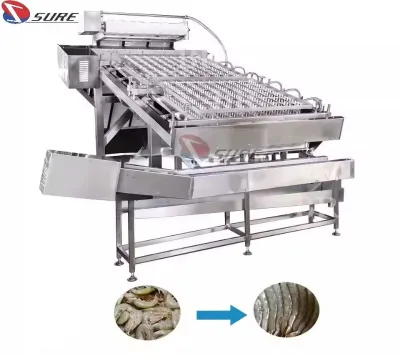
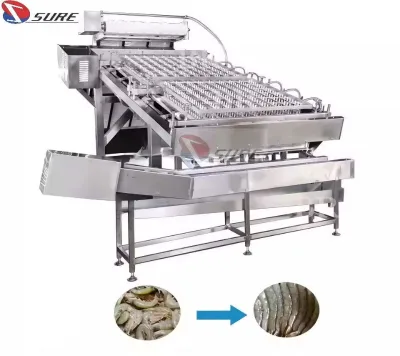
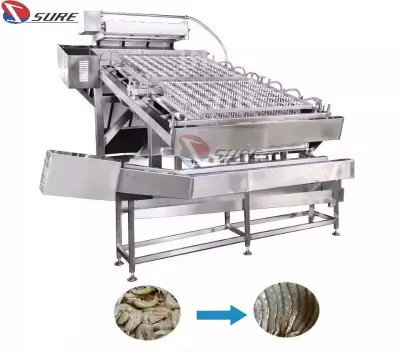
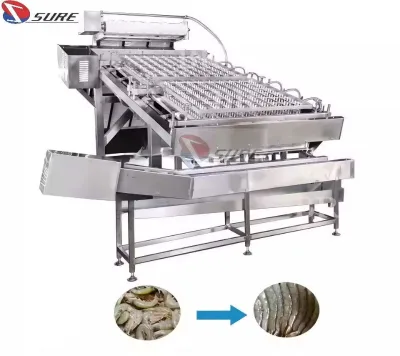
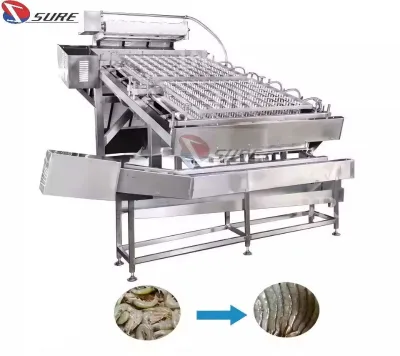
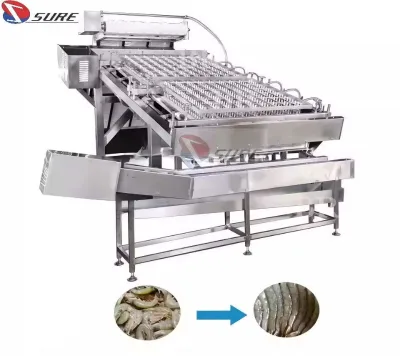
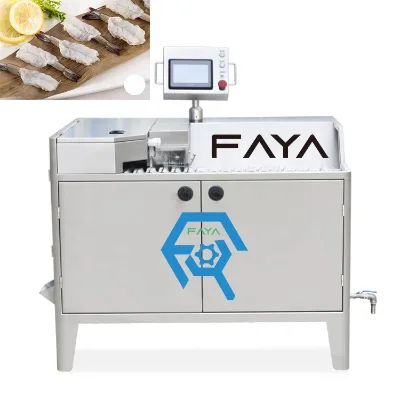
Multifunctional Shrimp Shelling Machine Intestine Cleaning Machine PLC Automatic Adjustment
$21446.53 - $25918.79
MOQ: 1 sets


High Yield Vannamei White Prawn Shrimp Shelling Peeling Processing Peeler Machine
$110000.00 - $120000.00
MOQ: 1 Pieces
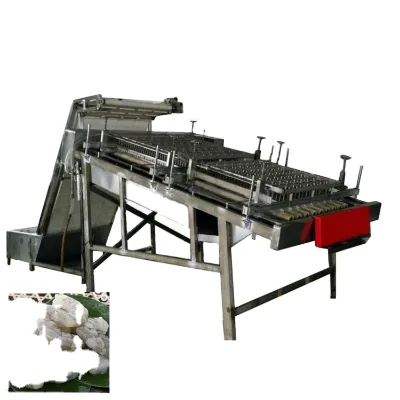

Automatic Shrimp Dehead Machine Stainless Steel Shrimp Peeler Shrimp Peeling Machine
$9880.00 - $23700.00
MOQ: 1 Pieces

Stainless Shrimp Peeler Automatic Shrimp Peeling Machine Shrimp Peeler and Deveiner Machine
$9880.00 - $23700.00
MOQ: 1 Pieces

Shrimp Peel Shrimp Shell Removing Shrimp Peeler and Deveining Machine
$9880.00 - $23700.00
MOQ: 1 Pieces

Shrimp Peel Remover Shrimp Peeler Shrimp Peeling and Deveining Machine
$9880.00 - $23700.00
MOQ: 1 Pieces

Automatic Prawn Shrimp Peeler Process Equipment Small Shrimp Peeling and Deveining Machine
$9880.00 - $23700.00
MOQ: 1 Pieces


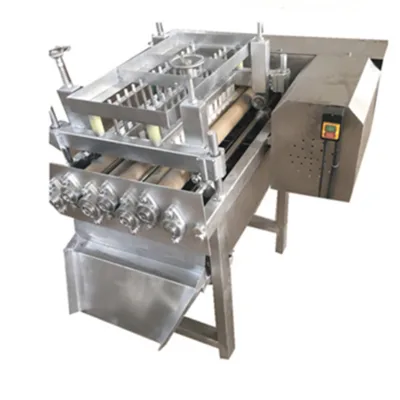
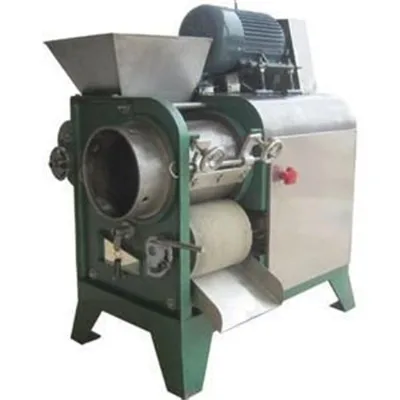
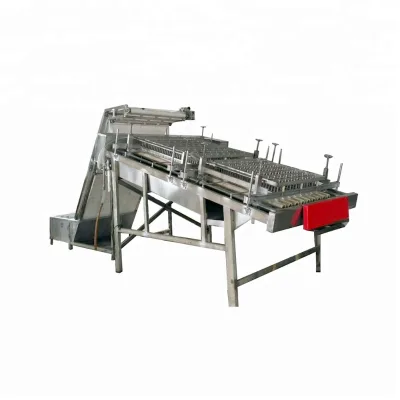


Comprehensive Sourcing Guide
Strategic Sourcing Guide for Automatic Vannamei Shrimp Peelers
The global demand for processed seafood, particularly Vannamei shrimp, has driven a significant shift toward automation in processing facilities. Buyers seeking an Automatic Vannamei Shrimp Peeler must navigate a complex landscape of technical specifications, material standards, and supplier capabilities. This guide provides a disciplined approach to sourcing these critical pieces of equipment, focusing on evidence-based evaluation rather than marketing claims. The objective is to equip procurement professionals with the necessary framework to identify machinery that ensures high efficiency, operational safety, and long-term reliability within a food and beverage factory setting.
Technical Specifications and Operational Parameters
When evaluating an Automatic Vannamei Shrimp Peeler, the primary focus must be on the core technical specifications that define the machine's capability. The supplied data indicates that these machines are predominantly electric in nature, operating on standard industrial voltages. Buyers should expect to encounter models designed for 220V and 380V power sources, depending on the local electrical infrastructure of the processing facility. The automatic grade of these machines is a critical differentiator, ensuring that the peeling process is streamlined without the need for manual intervention, which is essential for high-volume production lines.
Capacity is another pivotal specification. The market offers a range of throughput capabilities, with observed data pointing to models ranging from 50kg per hour to 300kg per hour. Specific model numbers such as FL-Sue, YZBX-50, and the SR series (SR-30, SR-80, SR-150, SR-300) represent different tiers of production capacity. A facility processing smaller batches may opt for the 50kg/h YZBX-50 model, while larger industrial operations will require the 200-300kg/h range found in the SR series. It is important to note that while some listings suggest a capacity of 80/150/300kg per hour, buyers must verify the specific configuration of the unit they intend to purchase, as "customized" production sizes are frequently available to meet unique throughput requirements.
Water consumption is a significant operational cost factor. Data suggests a water usage rate of approximately 1.2 tons per hour for certain models. This figure should be cross-referenced with the facility's water treatment capabilities and sustainability goals. Furthermore, the machinery test report provided by suppliers serves as a crucial verification tool for these performance metrics, ensuring that the advertised capacity and water consumption align with actual operational output.
Material Composition and Construction Standards
The integrity of the food processing equipment is paramount, and the material composition of the shrimp peeler is the first line of defense against contamination and corrosion. The overwhelming majority of reliable units in this category are constructed from stainless steel, specifically grade 304 stainless steel. This material choice is non-negotiable for food-grade applications as it resists rust, withstands harsh cleaning chemicals, and maintains hygiene standards required by international food safety regulations. Some listings may refer to the material simply as "stainless steel" or "staniless steel," but procurement teams must insist on the specific 304 grade to ensure longevity and compliance.
The construction also involves critical core components, with the engine being a primary element. The condition of the machinery is typically listed as "new," but buyers should verify the age of the components and the quality of the assembly. The production size is often customized according to customer needs, which allows for integration into existing conveyor systems or specific processing lines. The standard for these machines is frequently customized, meaning there is no single universal standard that applies to every unit. Instead, buyers must rely on the machinery test report and the specific standards agreed upon in the purchase contract to validate the build quality.
Compliance, Certification, and Safety Verification
In the absence of a universal certification mandate for every listed unit, buyers must adopt a rigorous verification protocol. The supplied context mentions that a machinery test report is provided for certain models. This document is the primary evidence of compliance and performance. It should detail the results of stress tests, safety checks, and efficiency evaluations. Buyers should not assume that a machine is compliant based on its description alone; the test report must be reviewed by technical staff to confirm that the machine meets the specific safety and hygiene standards of the target market.
Warranty and after-sales support are integral components of the compliance framework. A standard warranty period of 1 year is observed in the market, but this should be clearly defined in the contract. Additionally, the provision of video technique support is a common after-sales service. While this is a valuable resource for troubleshooting, it should not replace the need for on-site technical support during the initial installation phase. Buyers should also verify the "standard" of the machine, which may be listed as 50kg/h in some contexts, indicating that the standard itself is tied to performance output rather than a generic industry norm.
Cost Drivers and Pricing Dynamics
The pricing for automatic vannamei shrimp peelers varies significantly based on capacity, customization, and material specifications. The observed price range in the market spans from $2,000 to $120,000 USD. This wide disparity is driven by several factors. First, the capacity of the machine is a major cost driver; a 50kg/h unit will be substantially less expensive than a 300kg/h industrial model. Second, the level of customization plays a role. Units with customized production sizes, packing, and standards often command a higher price due to the additional engineering and manufacturing time required.
The minimum order quantity (MOQ) is consistently observed as 1 set, which lowers the barrier to entry for smaller buyers. However, the total cost of ownership extends beyond the purchase price. Buyers must factor in shipping costs, which are often "chosen" by the supplier or buyer, and the potential costs associated with custom packaging. The weight of the machine, ranging from 230kg to 300kg, also influences logistics and installation expenses. It is essential for buyers to request a detailed breakdown of costs to understand the value proposition of each model, ensuring that the price aligns with the expected throughput and durability.
Supplier Evaluation and Operational Fit
Selecting the right supplier requires a deep dive into their operational capabilities and reputation. The origin of these machines is predominantly China, with specific mentions of Tianjin as a production hub. While the brand name "SURE" appears in the data, buyers should not limit their search to a single brand. Instead, they should evaluate suppliers based on their ability to provide the specific model numbers required, such as the SR series or YZBX models. The supplier's ability to offer customized solutions is a key differentiator. Whether it is the production size, the packing method (standard wooden package or customized according to customer needs), or the standard configuration, the supplier must demonstrate flexibility.
The "Easy Operation High Efficiency" feature is a common selling point, but buyers must verify this through the machinery test report and, if possible, site visits or video demonstrations. The applicable industries are clearly defined as food and beverage factories, so the supplier should have experience in this sector. The "type" of the machine is listed as a peeler, but the specific application is for shrimp. Buyers should ensure the supplier understands the nuances of Vannamei shrimp processing, as the machine must handle the specific size and texture of this species without causing excessive damage or waste.
Quality Control and Long-Term Procurement Considerations
Quality control is not a one-time event but a continuous process that begins with the supplier selection and extends through the machine's lifecycle. The "New" condition of the machinery is a starting point, but the durability of the 304 stainless steel and the reliability of the engine are long-term concerns. Buyers should establish a maintenance schedule based on the manufacturer's recommendations, which are often supported by the video technique support provided. The "After-sales Service Provided" should be clearly defined in the contract, including response times and the scope of support.
Long-term procurement considerations also involve the scalability of the operation. If a facility plans to expand, the ability to upgrade or add additional units is crucial. The "Customized" nature of the production size and standard suggests that the market is flexible, but buyers must ensure that future expansions are compatible with the initial purchase. The "Production Capacity" being customized means that the machine can be tailored to future needs, but this requires careful planning and clear communication with the supplier.
Comparative Analysis of Machine Models
To facilitate decision-making, buyers should compare the available models based on key performance indicators. The following table summarizes the observed specifications for the primary models mentioned in the market data.
| Model Series | Typical Capacity | Material | Voltage | Weight (Approx.) | Key Feature |
|---|---|---|---|---|---|
| YZBX-50 | 50 kg/h | 304 Stainless Steel | 220V/380V | 300 kg | High Efficiency |
| SR Series | 200-300 kg/h | 304 Stainless Steel | 380V | 230-300 kg | Customized Size |
| FL-Sue | 80/150/300 kg/h | Stainless Steel | 220V/380V | Variable | Easy Operation |
| Generic | 50 kg/h | Stainless Steel | 220V/380V | 300 kg | Standard Packing |
This comparison highlights that while the material remains consistent, the capacity and weight vary significantly. The SR series appears to be the most robust for high-volume operations, while the YZBX-50 is suitable for smaller facilities. Buyers must align their choice with their specific production volume and facility constraints.
Final Procurement Recommendations
Sourcing an Automatic Vannamei Shrimp Peeler requires a methodical approach that prioritizes technical verification over marketing assertions. Buyers must demand machinery test reports, confirm the 304 stainless steel construction, and ensure that the voltage and capacity match their facility's requirements. The wide price range and customization options offer flexibility but also necessitate careful due diligence. By focusing on the evidence provided in the product data and adhering to strict quality control protocols, procurement teams can secure equipment that enhances operational efficiency and meets the rigorous demands of the food processing industry. The goal is to invest in machinery that not only performs well today but remains a reliable asset for years to come.
FAQs
What voltage options are available for automatic vannamei shrimp peelers?
These machines typically operate on 220V or 380V electric power sources depending on the specific model. Buyers must verify the required voltage against their facility's electrical infrastructure before purchasing to ensure safe and efficient operation.
How much water does an Automatic Vannamei Shrimp Peeler consume per hour?
Certain models consume approximately 1.2 tons of water per hour during operation. This consumption rate should be cross-referenced with your facility's water treatment capabilities and sustainability goals to manage operational costs effectively.
Which material grade is used for constructing reliable shrimp peeling machines?
Reliable units are predominantly constructed from 304 stainless steel to ensure food-grade hygiene and corrosion resistance. Some listings may simply state stainless steel, but procurement teams should insist on the specific 304 grade for longevity.
Can buyers find automatic vannamei shrimp peelers with customized production sizes?
Yes, production sizes and standards are frequently customized according to specific customer needs and facility requirements. Buyers should communicate their unique throughput needs early to ensure the machine integrates seamlessly into their existing processing lines.
What is the typical warranty period for an Automatic Vannamei Shrimp Peeler?
A standard warranty period of one year is commonly observed in the market for these machines. This warranty should be clearly defined in the purchase contract to ensure coverage for core components like the engine and structural integrity.
How is the minimum order quantity defined for these shrimp peeling machines?
The minimum order quantity is consistently observed as one set, which lowers the barrier to entry for smaller buyers. This allows facilities to purchase a single unit without needing to commit to bulk orders immediately.
What after-sales support is typically provided for automatic vannamei shrimp peelers?
Video technique support is a common after-sales service provided to assist with troubleshooting and operation. While valuable, this should not replace the need for on-site technical support during the initial installation phase of the equipment.