Find Automatic Vegetable and Meat Food Chopper and Grinder for Sausage Production, Meat Processing, and Food Industry Use
Browse 30 listings of the Automatic Vegetable and Meat Food Chopper and Grinder, including electric 380V stainless steel models for sausage stuffing and meat processing. Compare capacity, hole knife sizes, control options, and MOQ before requesting supplier quotes.
Key considerations
Products List


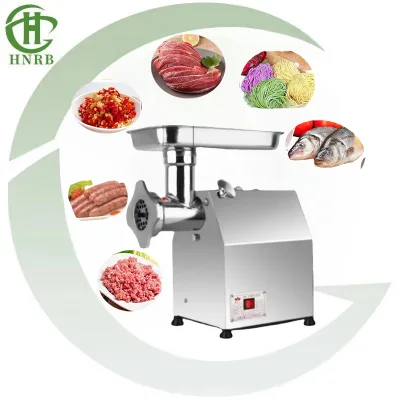

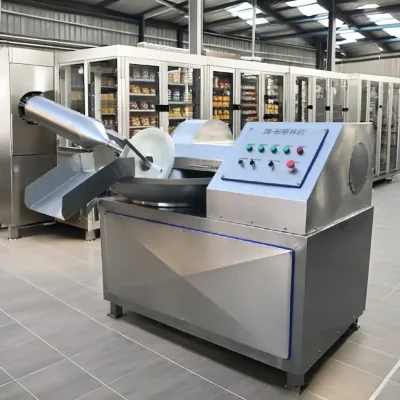
Versatile Bowl Chopper and Meat Grinder for Efficient Food Processing
$5500.00 - $5700.00
MOQ: 1 Pieces




Comprehensive Sourcing Guide
Automatic Vegetable and Meat Food Chopper and Grinder Sourcing Guide
Sourcing industrial-grade automatic vegetable and meat food choppers and grinders requires a clear understanding of the distinction between heavy-duty commercial equipment and smaller-scale processing tools. The market offers a wide spectrum of machinery, ranging from high-capacity stainless steel units designed for continuous sausage stuffing and large-volume meat processing to compact bowl choppers suitable for specific mixing and cutting tasks. Buyers must first define their operational volume and material handling needs, as the equipment labeled as a "meat grinder" may serve different functions, such as chopping, mixing, or cutting, depending on the specific model and configuration.
The procurement process is further complicated by the variability in product attributes listed across suppliers. While many machines share core characteristics like electric power sources and automatic operation, specific features such as control interfaces, housing materials, and voltage requirements differ significantly. For instance, some units are built with 304 stainless steel for hygiene and durability, while others may utilize plastic housings for lighter applications. Understanding these distinctions is critical to selecting machinery that aligns with your facility’s infrastructure and food safety standards.
Product Scope and Observed Listing Signals
The observed product landscape includes a diverse array of models, such as the JR-120, JOHTANK-ZBJ-125, and JOHTANK-HRJR-130, each tailored to different operational scales. High-capacity industrial units, often constructed from SUS or 304 stainless steel, are typically designed for automatic grade processing and feature robust power sources like 380V electric motors. These machines are frequently marketed with advantages such as easy operation and high efficiency, making them suitable for applications like sausage stuffing production and fresh or frozen meat processing. The presence of touch screen or button controls allows for customizable user interfaces, enhancing operational flexibility in busy production environments.
In contrast, smaller or specialized units, such as the YKZP-CH710 and YKZP-CH709, may feature different material compositions, including plastic housings, and operate on standard AC voltages ranging from 100-240V. These models often carry certifications like CE/EU and LFGB, indicating compliance with specific regional safety and food contact standards. The keyword "Food Processing Bowl Chopper Machine" suggests a focus on mixing and chopping functions, which may differ from the grinding capabilities of larger meat grinders. Buyers should carefully review the "Usage" and "Function" attributes to ensure the machine’s primary action—whether cutting, mincing, or mixing—matches their specific workflow requirements.
Technical Specifications to Verify
Voltage and power source compatibility are critical technical factors that must be verified before purchase. Industrial machines often require 380V electric power, which is standard for heavy-duty commercial kitchens and processing plants, while smaller units may operate on 100-240V AC 50/60Hz, offering greater flexibility for varied electrical infrastructures. Buyers must confirm the power requirements of the specific model to avoid costly retrofitting or operational failures. Additionally, the "Automatic Grade" attribute indicates the level of automation, with many units offering fully automatic operation to reduce labor intensity and increase throughput.
The physical construction and control mechanisms of the machine also require close scrutiny. Materials such as 304 stainless steel are preferred for food contact surfaces due to their corrosion resistance and ease of cleaning, whereas plastic housings may be suitable for non-intensive applications. Control systems vary from simple button interfaces to advanced touch screens, allowing for precise adjustments. Furthermore, the "Hole Knife" specification, with a range from 3mm to 30mm, indicates the versatility of the grinding or chopping output. Buyers should verify if the machine supports customization of these parameters to meet specific product texture requirements.
Compliance and Safety Documentation
Certification status is a primary indicator of regulatory compliance and market readiness. Products listed with CE/EU and LFGB certifications demonstrate adherence to European safety and food contact material standards, which is essential for exporters and buyers operating in regulated markets. These certifications typically cover electrical safety, machinery directives, and the suitability of materials for direct food contact. Buyers should request valid certification documents and verify their authenticity with the issuing body to ensure ongoing compliance.
Beyond certifications, documentation regarding material composition and operational safety is vital. The use of 304 stainless steel or SUS materials should be confirmed through material test reports or supplier declarations to ensure the absence of harmful substances. Additionally, the "Customization" and "OEM" availability suggests that buyers can tailor certain aspects of the machine, such as language settings or control interfaces, to meet local operational needs. However, any customizations must be reviewed for compliance with local safety regulations and food hygiene standards.
Cost Drivers and Commercial Terms
The price range for these machines is broad, reflecting the diversity in capacity, material quality, and technological features. Observed prices span from low-cost units to high-end industrial systems, with costs influenced by factors such as the type of motor, the grade of stainless steel used, and the complexity of the control system. Buyers should analyze the total cost of ownership, including energy consumption, maintenance requirements, and potential downtime, rather than focusing solely on the initial purchase price. The "Capacity" attribute, often listed as customized, indicates that production volume is a key determinant of cost.
Commercial terms such as MOQ (Minimum Order Quantity) and packing methods also impact the overall procurement strategy. MOQs can range from single units to larger batches, depending on the supplier’s production model and the level of customization required. Packing methods, including plywood cases, wooden crates, and foam packing, are designed to protect the machinery during transit, particularly for international shipments originating from regions like Shandong, China. Buyers should negotiate clear terms regarding shipping responsibilities, insurance, and delivery timelines to mitigate logistical risks.
Supplier Qualification and Quality Control
Supplier qualification involves verifying the manufacturer’s capability to produce consistent, high-quality machinery. Given that many products originate from China, buyers should assess the supplier’s production facilities, quality control processes, and after-sales support infrastructure. The availability of OEM services and customization options suggests a degree of manufacturing flexibility, but it also requires rigorous oversight to ensure that custom specifications are met without compromising quality. Buyers should request factory audits or third-party inspections to validate the supplier’s claims regarding production capacity and quality management systems.
Quality control measures should extend to the final product inspection, focusing on critical attributes such as material integrity, electrical safety, and operational performance. The "Advantage" of easy operation and high efficiency should be verified through functional testing, ensuring that the machine performs as expected under load. Buyers should also establish clear acceptance criteria for delivery, including checks for packaging integrity and completeness of accessories. Establishing a strong relationship with the supplier through regular communication and clear specifications can help prevent misunderstandings and ensure timely delivery of compliant equipment.
Long-Term Procurement Checks
Long-term procurement success depends on the availability of spare parts, technical support, and maintenance services. Buyers should inquire about the supplier’s inventory of critical components, such as knives, blades, and motor parts, to minimize downtime during repairs. The "Customized" nature of some products may complicate spare parts availability, so it is essential to confirm the standardization of key components across different models. Additionally, access to technical documentation, including user manuals and troubleshooting guides, is crucial for effective operation and maintenance by in-house staff.
Continuous monitoring of supplier performance and product reliability is necessary to ensure long-term value. Buyers should track metrics such as machine uptime, energy efficiency, and maintenance frequency to assess the overall performance of the equipment. Feedback from operational staff can provide valuable insights into usability and potential improvements. By maintaining a proactive approach to supplier management and equipment maintenance, buyers can optimize the lifecycle of their automatic vegetable and meat food choppers and grinders, ensuring sustained productivity and compliance with evolving industry standards.
FAQs
How can I get a customized capacity for an Automatic Vegetable and Meat Food Chopper and Grinder?
Capacity can be customized according to your production requirements. Manufacturers typically adjust motor power, hopper size, and throughput to match your daily processing volume. When inquiring, state whether you process fresh or frozen meat and vegetables, mention your target output per hour, and confirm voltage needs such as 380V so the supplier can quote a suitable configuration.
What voltage do these meat grinder machines use?
Industrial models in this category operate on 380V electric power, while some smaller household units support 100-240V AC at 50/60Hz. Before ordering, confirm your facility's power supply and phase requirements. Export buyers should also check plug type and whether the control system uses a touch screen or buttons, since both control options are commonly available.
Which materials are used for the machine body and cutting parts?
Commercial meat grinder and chopper models are commonly built from SUS 304 stainless steel, which suits meat processing environments where hygiene and corrosion resistance matter. Smaller consumer-style units may use plastic housing. When sourcing, ask specifically whether all food-contact surfaces are stainless steel, including the hole knife, and confirm the smallest and largest grinding plate sizes available.
Can the hole knife plate be changed for different grinding sizes?
Yes, hole knife plates are interchangeable, with sizes ranging from a minimum of 3mm up to a maximum of 30mm. Choose the plate based on your end product, for example fine mincing for sausage stuffing or coarser cuts for prepared foods. Ask suppliers which plate diameters are included, whether spare plates can be ordered separately, and how often plates need sharpening.
What is the minimum order quantity for these chopper and grinder machines?
Minimum order quantities in this product category vary widely, from single-unit orders for large industrial machines to bulk quantities for compact models. MOQ depends on machine size, customization level, and packaging method such as plywood case or wooden packing. Request the specific MOQ for your chosen model early, since customized configurations may require higher minimums than standard units.
How is the machine packed for shipping and what does that mean for delivery?
Industrial meat grinders are typically packed in plywood or wooden cases to protect the equipment during long-distance transport, while smaller units may use foam packing. Wooden case packing reduces damage risk for heavy machines and supports sea freight. Confirm the packing method before ordering, check outer case dimensions like 70.5x36x26.5cm for compact models, and ask about shipping options from China.
What functions does an Automatic Vegetable and Meat Food Chopper and Grinder perform?
These machines combine cutting, chopping, mincing, grinding, and mixing in one process, handling both fresh and frozen meat as well as vegetables. Automatic electric operation with a 380V power supply supports industrial meat processing, including sausage stuffing production. Confirm with the supplier whether a lefter is included, since availability depends on your process needs.
Can I get OEM or custom branding on a meat grinder machine?
OEM customization is generally accepted in this category, including machine configuration, control type, and language settings adjusted as needed. Buyers should specify the model of interest, such as JR-120 or comparable automatic electric grinders, and describe required branding, manuals, and interface language. Customized orders may affect lead time and minimum order quantity, so confirm both with the supplier before production.