Source Automotive Battery Management SMD Inductor for EVs, BMS, and Chargers
Compare 30 Automotive Battery Management SMD Inductor options from verified manufacturers. Review specifications like inductance, current rating, and dimensions to select the right component for your electronics projects.
Key considerations
Products List
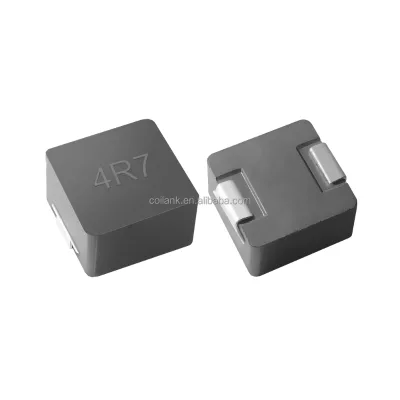
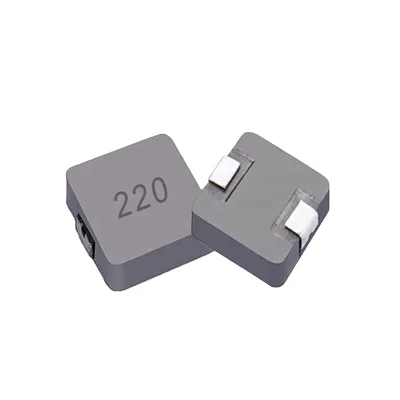
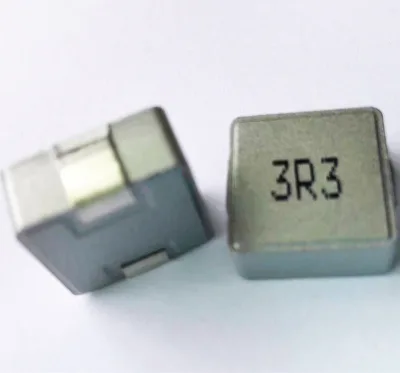
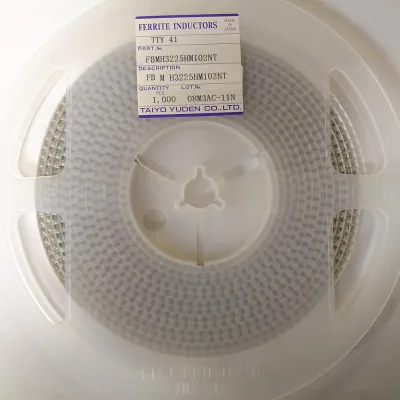

High Current Power Inductor Eea135 Inductor, Transformer Supplier Factory China
$0.01 - $0.10
MOQ: 2000 Pieces

High Current Power Inductor Eea2212 Inductor Transformer Supplier Factory China
$0.01 - $0.10
MOQ: 2000 Pieces

High Current Power Inductor Eeb26V Inductor, Transformer Supplier Factory China
$0.00 - $0.01
MOQ: 2000 Pieces

High Current Power Inductor EEC148 Inductor, Transformer Supplier Factory China
$0.01 - $0.10
MOQ: 2000 Pieces


SMD Chip Power Inductor, CD, SD, Sk, LG, Se Type Surface Mount Inductor
$0.19 - $0.30
MOQ: 5000 Pieces




Comprehensive Sourcing Guide
Strategic Sourcing Guide for Automotive Battery Management SMD Inductors
Procuring Surface Mount Device (SMD) inductors for automotive battery management systems (BMS) requires a rigorous approach that balances electrical performance with stringent reliability standards. The automotive sector demands components that can withstand extreme environmental conditions while maintaining precise inductance values under high current loads. Buyers must navigate a complex landscape of technical specifications, certification requirements, and supply chain logistics to ensure the selected components integrate seamlessly into high-voltage or high-current BMS architectures. This guide outlines the critical factors for sourcing these specialized passive components, focusing on evidence-based evaluation criteria derived from industry standards and observable product attributes.
Technical Specifications and Electrical Performance
The selection of an SMD inductor for a BMS begins with a deep dive into electrical specifications. In automotive applications, the inductor must handle significant current without saturating, as saturation leads to a collapse in inductance and potential system failure. The core material is a primary determinant of performance; alloyed powder cores are frequently utilized in high-power applications due to their ability to manage high flux densities while minimizing core losses. Buyers should verify the specific current rating, noting that values can vary significantly based on the operating temperature and the specific circuit topology.
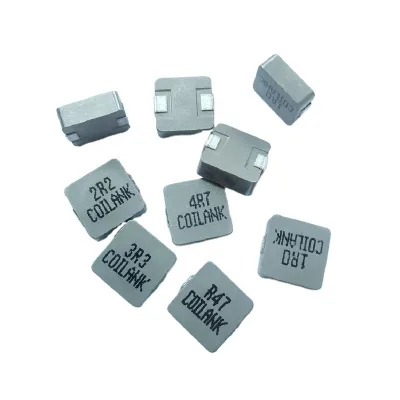
Dimensions are equally critical for automated assembly lines. Standardized package sizes, such as those measuring approximately 16.9mm by 17.5mm with a seated height of 7.0mm, or smaller variants around 6.6mm by 7.7mm with a height of 5.0mm, dictate the footprint on the printed circuit board (PCB). The height constraint is particularly important for low-profile automotive electronics where space is at a premium. Furthermore, the inductance value, often available in a range from 2.2uH to 22uH, must align with the switching frequency of the power converter, which is typically rated around 100KHz for these applications.
The Direct Current Resistance (DCR) is another vital parameter. Lower DCR values, such as those in the milliohm range (e.g., 2.5mohm to 138mohm depending on the specific model), reduce power loss and heat generation, which is essential for maintaining efficiency in battery management circuits. Tolerance levels, often observed at ±20%, must be accounted for in the system design to ensure the BMS operates within safe limits even when component values drift. Shielding is a mandatory feature for automotive electronics to prevent electromagnetic interference (EMI) from affecting sensitive sensors or communication lines within the vehicle.
Compliance, Certification, and Regulatory Standards
In the automotive industry, compliance is not merely a suggestion but a prerequisite for market entry. Components intended for use in BMS must adhere to international quality and environmental standards. A robust supplier should demonstrate adherence to ISO9001 for quality management and ISO14001 for environmental management. These certifications indicate a systematic approach to manufacturing consistency and environmental responsibility. Additionally, compliance with RoHS (Restriction of Hazardous Substances) and REACH (Registration, Evaluation, Authorization, and Restriction of Chemicals) is essential to ensure the components are free from restricted substances that could pose health risks or environmental hazards.
Buyers must verify that the specific inductor models meet the rigorous demands of automotive-grade reliability. While general industrial standards provide a baseline, automotive applications often require adherence to specific AEC-Q200 standards for passive components, though the exact certification status of a specific batch should always be confirmed with the manufacturer. The absence of specific automotive certifications in a datasheet does not necessarily disqualify a product, but it necessitates a more thorough internal validation process by the buyer. The supplier's status as an Original Manufacturer (OEM) can be a strong indicator of their ability to provide traceable and compliant components, as they control the entire production process from raw material to finished good.
Cost Drivers and Pricing Dynamics
Understanding the cost structure of SMD inductors is crucial for budgeting and total cost of ownership analysis. The price of these components is influenced by several factors, including the complexity of the magnetic core, the precision of the winding process, and the shielding requirements. High-current ratings and low DCR values often command a premium due to the increased material costs and tighter manufacturing tolerances required. The observed price range for such components can vary, but buyers should expect a correlation between performance metrics and unit cost.
Minimum Order Quantity (MOQ) is a significant cost driver in B2B procurement. Ranges observed in the market can span from small quantities of 5 units for prototyping to large volumes of 5000 units for mass production. Suppliers often offer tiered pricing structures where the unit cost decreases as the order volume increases. The packaging format also impacts cost; components supplied in reels, such as 200 or 1000 pieces per reel, are optimized for automated pick-and-place machines, reducing assembly costs. However, the logistics of handling large reels and the associated storage requirements must be factored into the overall procurement strategy.
Typical Applications and Operational Environments
The primary application for these inductors is in automotive electronics, specifically within battery management systems for electric vehicles (EVs) and hybrid electric vehicles (HEVs). In these systems, inductors play a critical role in DC-DC converters, which step down high-voltage battery outputs to lower voltages required by vehicle accessories and control units. The inductors must also manage the charging and discharging cycles of the battery pack, requiring high stability and efficiency.
The operational environment for automotive components is harsh. The inductors must function reliably across a wide temperature range, typically from -55℃ to +155℃. This extreme range covers the freezing conditions of winter and the intense heat generated under the hood or within the battery pack during high-load operations. The mounting type is almost exclusively Surface Mount Technology (SMT), which offers superior vibration resistance compared to through-hole components, a critical factor given the constant vibrations experienced in moving vehicles. The shielding design ensures that the electromagnetic emissions from the inductor do not interfere with other sensitive electronic systems, such as infotainment or driver assistance sensors.
Supplier Evaluation and Supply Chain Reliability
Selecting the right supplier is as important as selecting the right component. Buyers should prioritize suppliers who identify as Original Manufacturers, as this ensures direct control over quality and the ability to provide technical support. The supplier's location, often in manufacturing hubs like Jiangsu, China, can influence lead times and logistics costs. However, the proximity to major shipping ports like Shenzhen facilitates efficient global distribution.
Reliability is measured by the supplier's ability to meet lead times and delivery schedules. Typical lead times for production runs can range from 3 to 20 days, while sample delivery might be expedited to 3-7 days. Buyers must assess the supplier's capacity to scale production to meet fluctuating demand without compromising quality. Payment terms such as Trade Assurance, T/T, L/C, and Western Union offer varying levels of security for both parties. A supplier offering Trade Assurance provides an additional layer of protection for the buyer, ensuring that funds are only released upon satisfactory delivery.
Quality Control and Testing Protocols
Quality control is the backbone of automotive component sourcing. Buyers must insist on a comprehensive quality assurance process that includes incoming material inspection, in-process testing, and final product verification. Key parameters to verify include inductance value, DC resistance, current rating, and saturation current. The tolerance of ±20% is a standard specification, but buyers should confirm if tighter tolerances are available for critical applications.
Testing should also cover environmental stress screening to ensure the components can withstand the specified temperature ranges and mechanical stresses. The gross weight and package dimensions, such as a single gross weight of 0.100 kg or a batch weight of 2.000 kg, are useful for logistics planning but also serve as indicators of material density and build quality. The use of professional packaging, including reels, inner boxes, and outer cartons, helps prevent damage during transit. Buyers should request test reports or certificates of conformity to validate that the components meet the specified electrical and mechanical characteristics before committing to a large order.
Long-Term Procurement Considerations
Sourcing for the automotive industry requires a long-term perspective. Supply chain resilience is paramount, as disruptions can halt production lines costing millions. Buyers should evaluate the supplier's ability to maintain consistent quality over time and their capacity to support product lifecycle management. The availability of datasheets and technical documentation is essential for long-term maintenance and troubleshooting. If datasheets are not readily available and require direct contact, this can be a bottleneck for engineering teams.
Future-proofing the supply chain involves understanding the supplier's roadmap for component obsolescence and their commitment to continuous improvement. The advantage of professional service and timely delivery should be weighed against the potential risks of single-sourcing. Diversifying the supplier base or establishing backup agreements can mitigate the risk of supply shortages. Additionally, the HS code 8504500000 provides a clear classification for customs and trade compliance, ensuring smooth import and export processes. By focusing on these long-term factors, buyers can build a robust supply chain that supports the demanding requirements of modern automotive battery management systems.
Comparative Analysis of Key Product Attributes
To facilitate decision-making, the following table summarizes the key attributes observed in high-power SMD inductors suitable for automotive applications. This comparison highlights the variations in size, current rating, and inductance that buyers must consider based on their specific circuit requirements.
| Attribute | High-Power Variant (1770 Case) | Compact Variant (0750 Case) |
|---|---|---|
| Model Number | APS17A70 | APS07A50M220 |
| Dimensions (mm) | 16.9 x 17.5 x 7.0 | 6.6 x 7.7 x 5.0 |
| Inductance Range | 2.2uH to 22uH | 22uH (Specific) |
| Current Rating (A) | Up to 39.1A | 2.52A (Typical) |
| Saturation Current (A) | Varies by model | 4.04A |
| DC Resistance (mohm) | 2.5 to 22.7 | 138 |
| Tolerance | 20% | ±20% (M) |
| Package Type | Reel packing | Reel (1000pcs/reel) |
| Core Material | Alloyed Powder | Alloyed Powder |
| Shielding | Shielded | Yes |
| Operating Temp | -55℃ ~ +155℃ | -55℃ ~ +155℃ |
| Application | Automotive Electronics | Automotive Electronics |
This comparative view underscores the trade-offs between size and performance. The larger 1770 case offers significantly higher current handling capabilities, making it suitable for main power paths in the BMS, while the smaller 0750 case is ideal for signal conditioning or lower current auxiliary circuits. Buyers must align these attributes with the specific electrical demands of their design to ensure optimal system performance and reliability.
FAQs
What certifications do these automotive inductors hold?
These inductors hold ISO9001, ISO14001, RoHS, and REACH certifications. These standards ensure quality management and environmental compliance for automotive electronics applications.
Which dimensions are available for these surface mount inductors?
Available dimensions include 16.9 by 17.5 by 7.0mm and 6.6 by 7.7 by 5.0mm. These sizes support various PCB footprints for compact automotive battery management systems.
How long is the lead time for production orders?
The standard lead time ranges from 3 to 20 days for production runs. Sample delivery is typically expedited to 3 to 7 days for evaluation purposes.
Can these inductors operate in extreme temperatures?
Yes, they operate reliably from -55℃ to +155℃. This wide range ensures stability in harsh automotive environments under the hood or within battery packs.
What is the minimum order quantity for these components?
Minimum order quantities range from 5 to 5000 units depending on the supplier. Specific reel packing often starts at 200 pieces per reel for automated assembly.
Which core material is used for high power applications?
Alloyed powder is used as the core material for these high power inductors. This material manages high flux densities while minimizing core losses effectively.