Source Automotive Body Repair Fender Inner for Cars
Find reliable Automotive Body Repair Fender Inner components for vehicle restoration and collision repair. Compare 30 listings featuring plastic and steel materials, custom options, and various models to find the right fit for your sourcing needs; compare the available evidence and request quotations based on your requirements.
Key considerations
Products List


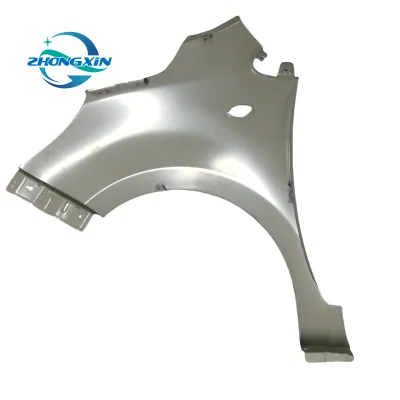
Car Doors Fenders Bumpers Hoods Windshields Auto Body Repair Paint Rack
$12.00 - $16.00
MOQ: 100 Pieces




Comprehensive Sourcing Guide
Automotive Body Repair Fender Inner Sourcing Guide
Procuring Automotive Body Repair Fender Inner components requires a precise understanding of the specific vehicle application and the structural role these parts play in restoring vehicle integrity. Buyers must verify that the selected inner fender aligns with the designated fitting position, such as the front fender, to ensure proper clearance and mounting compatibility with the vehicle chassis. The material composition is a critical factor, as observed listings indicate a mix of plastic and steel options, each offering distinct advantages regarding weight reduction, corrosion resistance, and impact absorption for different repair scenarios.
Commercial availability often presents a wide range of customization options, allowing buyers to source parts that meet specific OEM or aftermarket requirements. The observed market signals suggest that production standards can be customized, with some suppliers offering tailored molding methods like injection molding for plastic variants or specific surface treatments for steel components. This flexibility enables procurement teams to match the exact specifications of the damaged vehicle, ensuring that the replacement part integrates seamlessly with existing body panels and suspension geometry without requiring extensive modification.
Product Scope and Observed Listing Signals
The current market for Automotive Body Repair Fender Inner components displays a diverse range of product models and material grades, reflecting the varied needs of the global repair industry. Listings indicate that products are available in new condition, with specific models identified by unique codes such as 027589, 760061, and X01-90000135. These identifiers are essential for buyers to cross-reference with vehicle service manuals, ensuring that the purchased part corresponds to the correct generation and trim level of the target vehicle. The presence of both plastic and steel materials suggests that buyers must evaluate the specific performance requirements of their repair projects before selecting a supplier.
Observations of listing attributes reveal that color options typically include black and silver, which may be relevant for parts that are visible during the repair process or require painting to match the vehicle exterior. The packaging methods vary significantly, ranging from wooden packages and pallets to cartons and custom boxes, which directly impacts logistics planning and protection during transit. Buyers should note that the market serves both OEM and ODM sectors, indicating that suppliers may offer both original equipment specifications and aftermarket alternatives, necessitating a clear definition of the required quality tier during the initial inquiry phase.
Technical Specifications to Verify
Technical verification begins with confirming the molding method and plastic type for polymer-based components, as these factors dictate the part's durability and resistance to environmental stress. Available data points to injection molding as a primary manufacturing process, utilizing thermosetting plastic granules to achieve the necessary structural rigidity. Buyers must ensure that the specific plastic formulation matches the thermal and mechanical demands of the vehicle's operating environment, particularly for parts located near the engine bay or exposed to road debris. The drawing specifications, including 2D and 3D formats, should be reviewed to confirm that the internal geometry supports the intended mounting points and fastener locations.
For steel variants, the grade and weight specifications are critical indicators of structural integrity and fitment precision. Observed weight data, such as 1.63 kg or 8.5 kg, provides a baseline for verifying that the component meets the expected mass requirements for the specific vehicle model. The standard dimensions, such as 807030cm for packaging or specific product standards, must be cross-checked against the physical constraints of the repair bay and shipping containers. Additionally, the surface finish should be confirmed as customized or standard to ensure compatibility with subsequent painting or coating processes required for a professional repair finish.
Compliance and Safety Documentation
Ensuring that automotive body repair components meet international safety and quality standards is a fundamental requirement for maintaining vehicle roadworthiness and liability protection. The observed listings reference certifications such as ISO, CE, and ISO9001/SGS, which serve as evidence that the manufacturing facility adheres to established quality management systems. Buyers should request valid certification documents to verify that the production processes for both plastic and steel components have undergone rigorous auditing, ensuring that the parts are free from defects that could compromise vehicle safety during operation.
Beyond general certifications, specific product testing results are essential to validate the performance claims made by suppliers. The attribute "100% Tested" suggests that each unit undergoes a quality check before shipment, but buyers must clarify the specific parameters of this testing, such as dimensional accuracy, material strength, and corrosion resistance. Documentation should also confirm that the products comply with the relevant automotive industry standards for the target market, ensuring that the repair parts do not introduce new safety hazards or violate local vehicle regulations regarding body modifications and structural repairs.
Cost Drivers and Commercial Terms
The pricing structure for Automotive Body Repair Fender Inner components is influenced by material costs, manufacturing complexity, and the level of customization required. The observed price range of 0.56 to 116 USD reflects the significant variance between basic aftermarket parts and specialized, high-grade components that may require complex tooling or premium materials. Buyers must analyze the total cost of ownership, including the impact of the molding method and surface treatment on the final unit price, to determine the most cost-effective solution that still meets the necessary quality and performance standards for the repair job.
Commercial terms regarding payment and delivery are equally critical for managing cash flow and project timelines. The available payment methods, including TT and LC, offer flexibility for different transaction sizes and risk profiles, while the delivery time ranges from 15 to 35 days depending on the order volume and customization level. The minimum order quantity (MOQ) is negotiable, allowing buyers to scale their procurement based on immediate repair needs or long-term inventory strategies. Understanding these terms helps in planning the procurement cycle effectively, ensuring that parts arrive in time to minimize vehicle downtime for the end customer.
Supplier Qualification and Quality Control
Supplier qualification involves a thorough assessment of the manufacturer's capabilities, including their in-house mold facilities and production capacity. The presence of in-house mold capabilities is a significant advantage, as it allows for greater control over the production schedule and the ability to make rapid adjustments to the product design if necessary. Buyers should verify the supplier's track record in the automotive industry, specifically their experience with producing fender inner components for both OEM and aftermarket applications, to ensure they possess the technical expertise required for high-volume or specialized orders.
Quality control processes must be robust to guarantee that every component meets the strict tolerances required for automotive body repair. The observation that products are "100% Tested" indicates a commitment to quality, but buyers should request detailed quality control reports that outline the specific inspection criteria used. This includes verifying the consistency of the molding process, the accuracy of the dimensions, and the integrity of the material composition. Establishing a clear quality agreement with the supplier ensures that any deviations from the standard are identified and addressed before the parts leave the manufacturing facility.
Long-Term Procurement Checks
Establishing a long-term procurement relationship requires regular performance reviews and continuous monitoring of the supplier's ability to maintain consistent quality and delivery schedules. Buyers should implement a system for tracking key performance indicators, such as on-time delivery rates, defect rates, and responsiveness to technical inquiries, to ensure that the supplier remains a reliable partner over time. This proactive approach helps in identifying potential issues early and allows for corrective actions to be taken before they impact the supply chain or the quality of the final repair work.
As the automotive industry evolves, the specifications for body repair components may change to accommodate new vehicle designs and safety regulations. Buyers must maintain open communication with suppliers to stay informed about any updates to product standards or material specifications that could affect their inventory. Regular audits and feedback sessions can help align the supplier's production capabilities with the buyer's evolving needs, ensuring that the procurement strategy remains agile and responsive to market changes. This ongoing engagement fosters a partnership that supports long-term stability and mutual growth in the automotive repair sector.
FAQs
Can Automotive Body Repair Fender Inner parts be customized for specific vehicle models?
Yes, customization is available for Automotive Body Repair Fender Inner parts to meet specific vehicle requirements. Buyers can provide 2D or 3D drawings for tailored production. The material options include plastic and steel, with injection molding methods used for plastic components. This ensures a perfect fit and easy installation for various automotive applications.
What certifications are required for Automotive Body Repair Fender Inner suppliers?
Suppliers typically hold ISO and CE certifications, along with ISO9001 and SGS credentials. These standards ensure quality management and product safety for Automotive Body Repair Fender Inner parts. Buyers should verify these documents to confirm compliance with international manufacturing standards. Certified suppliers often provide 100% tested products, ensuring reliability for OEM and aftermarket markets.
What is the typical lead time for manufacturing Automotive Body Repair Fender Inner parts?
The typical lead time ranges from 7 to 35 days, depending on order volume and customization needs. Some standard items may have a shorter delivery time of 15 to 25 days. Buyers should confirm the exact schedule with the supplier, as production capacity and material availability can influence the final delivery date for Automotive Body Repair Fender Inner components.
How is the packaging handled for shipping Automotive Body Repair Fender Inner parts?
Packaging options include wooden packages, cartons, pallets, or custom boxes to ensure safe transit. The standard packing dimensions are often around 80x70x30cm, with weights varying by material. Suppliers use sturdy materials to protect parts during sea, air, or express shipment. Buyers can request customized packaging to meet specific logistics or storage requirements for Automotive Body Repair Fender Inner products.
What materials are commonly used for Automotive Body Repair Fender Inner components?
Common materials include plastic and steel, selected based on durability and cost requirements. Plastic parts may use thermosetting plastic granules processed via injection molding. Steel options provide robust structural support for front fender applications. Buyers can choose materials based on their specific automotive needs, ensuring compatibility with existing vehicle structures and repair standards.
What is the minimum order quantity for Automotive Body Repair Fender Inner parts?
The minimum order quantity is negotiable, typically ranging from 1 to 500 units. Buyers can discuss specific MOQs with suppliers to align with their inventory needs. Flexible ordering allows for both small-scale repairs and large OEM projects. This adaptability supports various business models, from aftermarket distributors to direct automotive service centers seeking Automotive Body Repair Fender Inner supplies.