Source Automotive Exterior Door Handle Cover for Ford Mazda Bus
Compare 30 listings for Automotive Exterior Door Handle Cover options suitable for Ford Fiesta, Mazda, and various buses. Buyers can evaluate customization, materials like ABS, and OEM services from Chinese manufacturers with lead times ranging from 10 to 30 days.
Key considerations
Products List
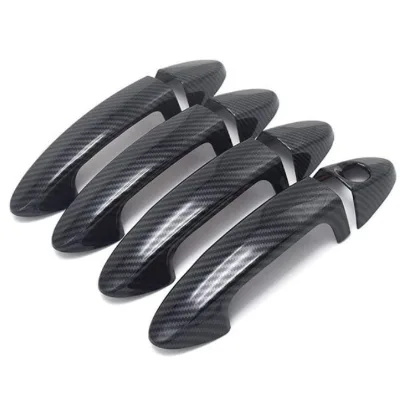


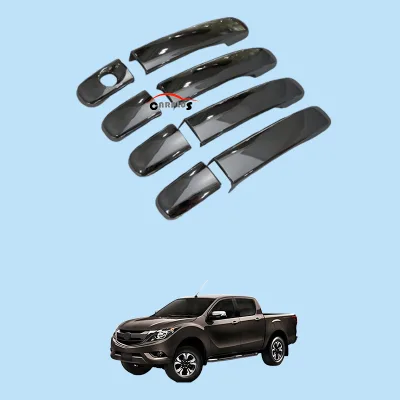
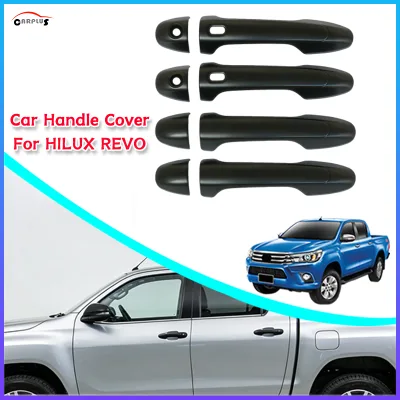
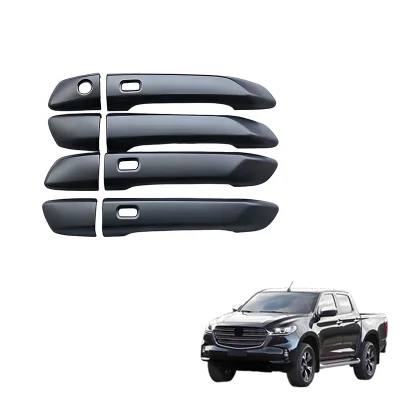
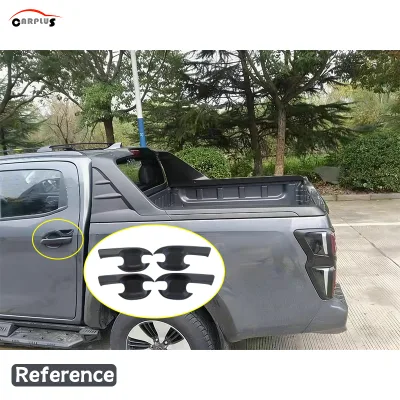

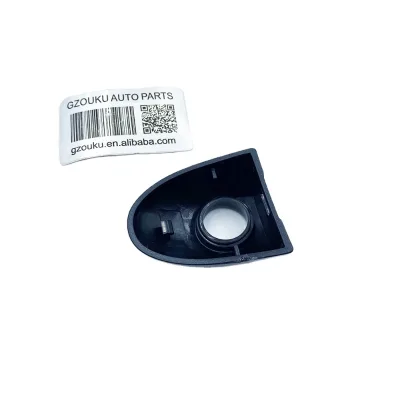


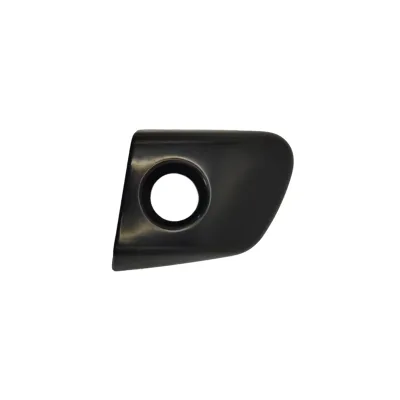


Hot Selling Ergonomic and Durable Applicable for SUV Driver External Door Handle
$3.12 - $3.46
MOQ: 300 Pieces


Comprehensive Sourcing Guide
Automotive Exterior Door Handle Cover Sourcing Guide
Sourcing automotive exterior door handle covers requires a disciplined approach to aligning component specifications with vehicle fitment and aesthetic requirements. Buyers must navigate a market where customization options range from standard black finishes to bespoke color matching, ensuring the final assembly integrates seamlessly with the host vehicle’s body lines. The primary objective is to secure components that offer both functional durability and visual consistency, particularly for replacement or repair scenarios where original equipment manufacturer (OEM) parity is critical.
Procurement teams should prioritize suppliers who demonstrate robust manufacturing capabilities, including injection molding and CNC processes, to ensure dimensional accuracy. The observed market indicates a strong presence of Chinese manufacturers offering OEM and ODM services, which facilitates tailored solutions for various vehicle makes. Understanding the distinction between generic aftermarket parts and specific fitment components, such as those designed for Ford Fiesta or Mazda models, is essential for minimizing installation errors and reducing return rates in the supply chain.
Product Scope and Observed Listing Signals
The current market landscape for exterior door handle covers reveals a diverse array of product configurations tailored to different vehicle segments. Listings frequently highlight compatibility with specific models, such as the Ford Fiesta from 2009 to 2012, while others target broader applications including buses and trucks. Buyers will encounter products described as inner pull handles, outer back door handles, or protective covers, each serving distinct installation positions on the vehicle’s exterior. This variety necessitates careful verification of the intended installation position to ensure the selected part aligns with the specific repair or upgrade project requirements.
Material composition is a key differentiator among available options, with ABS plastic emerging as a common choice for its balance of strength and weight. Some listings specify PU materials for enhanced durability, while others emphasize customization capabilities for logo, color, and packaging. The observed price range suggests significant variation based on these material choices and customization levels. Procurement specialists must evaluate whether the listed attributes, such as single-item selling units or bulk packaging, align with their immediate inventory needs and long-term storage logistics.
Technical Specifications to Verify
Dimensional accuracy and material integrity are paramount when evaluating technical specifications for door handle covers. Buyers should verify that the model numbers, such as NWIPP or YXAH-01, correspond precisely to the vehicle’s body structure and mounting points. The use of standard sizes versus customized dimensions requires explicit confirmation to prevent fitment issues during assembly. Additionally, the installation method, whether utilizing glue tape or direct mounting, must be clearly defined to ensure compatibility with existing vehicle hardware and to maintain structural integrity under operational stress.
Surface finish and color consistency are critical for aesthetic alignment, especially when replacing multiple handles on a single vehicle. Suppliers offering customized colors must provide accurate color matching protocols to ensure uniformity across all installed components. The presence of features like custom logos or specific packaging shapes adds another layer of complexity to the verification process. Procurement teams should request detailed technical drawings or 3D design files to validate that the physical product will meet the exact spatial and visual requirements of the target application.
Compliance and Safety Documentation
Regulatory compliance is a non-negotiable aspect of sourcing automotive components, particularly those exposed to external environmental factors. Buyers must ensure that suppliers provide valid certifications such as ISO9000 for quality management systems, which indicates a structured approach to manufacturing consistency. Additionally, material safety certifications like Reach, MSDS, and LFGB are crucial for verifying that the plastics and adhesives used do not contain harmful substances. These documents serve as proof that the components meet international environmental and safety standards, reducing liability risks for the end user.
Documentation should also cover the origin of materials and the manufacturing processes employed to ensure traceability. Suppliers claiming OEM standards must be able to demonstrate adherence to specific industry protocols for automotive parts production. Buyers should request copies of these certificates and verify their validity with the issuing bodies. This due diligence helps mitigate the risk of sourcing non-compliant products that could lead to regulatory penalties or safety recalls, ensuring that the supply chain remains robust and legally sound.
Cost Drivers and Commercial Terms
Pricing for automotive exterior door handle covers is influenced by several factors, including material costs, customization complexity, and order volume. The observed price range reflects the disparity between basic standard parts and highly customized solutions with specific branding or color requirements. Buyers must consider the minimum order quantity (MOQ) thresholds, which can vary significantly from small batches for prototyping to large volumes for mass production. Understanding these commercial terms is essential for budgeting and negotiating favorable payment conditions that align with cash flow requirements.
Lead times and delivery schedules are critical components of the commercial agreement, impacting inventory management and project timelines. Suppliers typically offer sample times of three to seven days, with production lead times ranging from ten to thirty days depending on the order size and complexity. Buyers should clarify the loading port and shipping terms to anticipate potential delays and logistics costs. Establishing clear expectations regarding delivery times and after-sales support, such as online technical assistance, helps build a reliable partnership and ensures smooth operations throughout the procurement cycle.
Supplier Qualification and Quality Control
Evaluating supplier qualifications involves assessing their manufacturing capabilities, quality control processes, and after-sales support structures. Buyers should prioritize suppliers who offer comprehensive services, including OEM/ODM production, 3D design assistance, and custom logo integration. The presence of advanced molding processes like injection molding and vacuum forming indicates a capacity for high-volume, consistent production. Verifying the supplier’s ability to provide prototypes through SLA or CNC processes allows buyers to test fit and function before committing to large-scale orders.
Quality control measures must be rigorously defined to ensure that every batch meets the specified standards. Buyers should inquire about the supplier’s inspection protocols, including pre-shipment checks and packaging standards to prevent damage during transit. The warranty period, typically twelve months for such components, provides a safety net against manufacturing defects. Establishing a clear communication channel for technical support and issue resolution is vital for maintaining product quality and addressing any discrepancies that may arise during installation or use.
Long-Term Procurement Checks
Sustaining a successful procurement strategy requires ongoing monitoring of supplier performance and product quality over time. Buyers should establish key performance indicators (KPIs) to track delivery accuracy, defect rates, and responsiveness to technical queries. Regular audits of the supplier’s quality management systems can help identify potential issues before they impact production. Maintaining open lines of communication and fostering a collaborative relationship with the supplier ensures that any changes in vehicle models or design requirements can be accommodated efficiently.
Continuous improvement initiatives should be encouraged to drive innovation and cost optimization in the supply chain. Buyers can leverage feedback from installation teams and end-users to refine specifications and enhance product durability. Staying informed about industry trends and regulatory changes ensures that the sourced components remain compliant and competitive. By prioritizing long-term partnerships over transactional relationships, procurement teams can secure a reliable supply of high-quality automotive exterior door handle covers that support their operational goals and customer satisfaction.
FAQs
What certifications do these door handles have?
These automotive exterior door handle covers hold ISO, Reach, MSDS, LFGB, and FDA certifications. The products meet OEM standards and are suitable for various vehicles including Ford Fiesta models from 2009 to 2012. Buyers can verify specific compliance documents before placing bulk orders.
How long is the lead time for production?
The standard lead time for these automotive exterior door handle covers ranges from 10 to 20 days after order confirmation. Sample production takes 3 to 7 days, while full delivery may require 15 to 30 days depending on order volume and customization requirements specified by the buyer.
Can I customize the logo and color of the handles?
Yes, customization is available for logo, color, packing, shape, and size of these automotive exterior door handle covers. Buyers can request specific branding or design changes to match their vehicle models. The manufacturer supports OEM and ODM services for tailored production needs.
What is the minimum order quantity for these parts?
The minimum order quantity varies, with some listings requiring 500 pieces while others accept orders as low as 20 sets. Buyers should confirm the specific MOQ based on the product model and customization level. Bulk orders may qualify for different pricing tiers or shipping terms.
Which vehicles are compatible with these door handles?
These automotive exterior door handle covers are suitable for Ford Fiesta models from 2009 to 2012 and various other car, bus, and truck types. They are designed for exterior door installation and can be used for replacement or repair purposes across multiple vehicle brands and models.
What materials are used to make these handles?
The automotive exterior door handle covers are primarily made from ABS material, ensuring durability and protection. Some variants may use PU materials for enhanced quality. The products are new condition and designed to fit standard body positions for reliable exterior door functionality.
What payment methods are accepted for these orders?
Accepted payment methods include TT, LC, Western Union, and PayPal for these automotive exterior door handle covers. Buyers can choose the most convenient method based on their location and transaction size. Secure payment terms are established to ensure smooth processing of international orders.