Source Automotive Headlights for trucks, cars, and SUVs
Find 30 verified options for Automotive Headlights suitable for trucks, cars, and SUVs. Buyers can compare specifications, certifications, and pricing from multiple suppliers to select the right lighting solution.
Key considerations
Products List


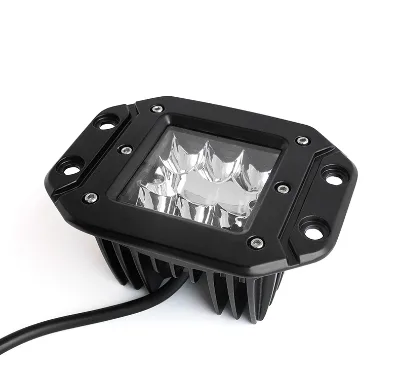


Car Body Parts Headlight Projector Lens Dynamic Signal Head Lamp LED Headlights
$800.00 - $1000.00
MOQ: 10 Sets


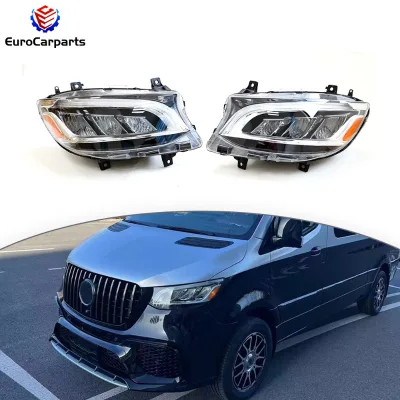

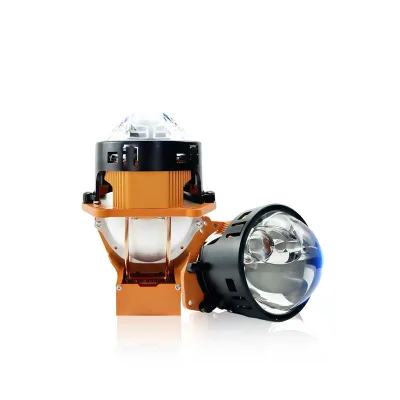


$5.00 - $50.00
MOQ: 100
Comprehensive Sourcing Guide
Strategic Sourcing Guide for Automotive Headlights
The global automotive lighting market presents a complex landscape for procurement professionals seeking reliable components for vehicle assembly, retrofitting, or aftermarket distribution. Sourcing Automotive Headlights requires a rigorous approach that balances technical performance, regulatory compliance, and supply chain stability. Buyers must navigate a wide array of specifications, from voltage requirements and material composition to specific certification standards mandated by different regional markets. This guide outlines the essential factors for evaluating potential suppliers and products, ensuring that procurement decisions are grounded in verified data and industry best practices rather than unverified marketing claims.
Technical Specifications and Performance Parameters
When evaluating Automotive Headlights, the primary focus must be on the technical specifications that define the product's functionality and compatibility. The core of any lighting system is its electrical architecture, which dictates how the component integrates with the vehicle's power supply. In the observed market data, voltage ratings vary significantly, with common configurations including 12V systems, 24V systems, and flexible ranges such as 9-36V. This variability is critical for buyers targeting different vehicle segments, as heavy-duty trucks often utilize 24V systems while passenger cars typically operate on 12V. Procurement teams must verify that the selected headlight matches the specific voltage requirements of the target vehicle platform to prevent electrical failures.
Material composition is another decisive factor in performance and longevity. The market offers options ranging from traditional halogen technology to modern LED solutions. Halogen-based units, such as those utilizing the H5W base, provide a familiar light spectrum but may offer lower efficiency compared to LED alternatives. Conversely, LED headlights, identified by models like MXAP065, often boast superior energy efficiency and longer operational lifespans. The observed data indicates a potential lifespan of up to 30,000 hours for LED variants, a metric that should be validated against the specific application's duty cycle. Furthermore, the working environment must be considered; components designed for extreme conditions should withstand temperature ranges from -40°C to +80°C, ensuring reliability in diverse climates.
Light output and beam pattern are equally vital. The functional requirements often include dipped headlights, high beams, and front position lamps. Some products are designed specifically for these distinct functions, while others serve as universal upgrades. The color temperature and output, typically observed as white light, must meet the visibility standards required for safety. Buyers should also examine the base type and physical dimensions to ensure a precise fit within the vehicle's housing. The presence of customization options allows for tailored solutions, where color and specific features can be adapted to customer requests, though this introduces complexity into the supply chain that must be managed carefully.
Regulatory Compliance and Certification Verification
Navigating the regulatory landscape is perhaps the most critical aspect of sourcing Automotive Headlights, as non-compliant products can lead to severe legal and financial repercussions. Different regions enforce distinct certification standards that must be met before a product can be legally sold or installed. The observed market data highlights a robust array of certifications, including CCC (China Compulsory Certification), E-mark (European Economic Area), DOT (Department of Transportation, USA), GOST (Russia), SONCAP (Nigeria), PVOC (Saudi Arabia), NRCS (South Africa), and GCC (Gulf Cooperation Council). Additionally, standards such as ARAI (India) and ISO9001/SGS for quality management are frequently cited.
Buyers must treat these certifications as non-negotiable prerequisites rather than optional features. The presence of multiple certifications suggests a supplier's capability to export to various global markets, but verification is essential. For instance, a product claiming E-mark compliance must possess the specific E-numbering that corresponds to the region of sale. Similarly, DOT certification is mandatory for the US market, while CCC is required for domestic sales in China. It is important to note that not every listed product satisfies every certification; the data indicates that specific models may carry specific subsets of these approvals. Procurement teams should request valid, up-to-date certification documents for the exact model number being purchased, rather than accepting generic claims.
Waterproofing and environmental resistance are also part of the compliance and durability spectrum. An IP67 rating, as observed in specific product listings, indicates a high level of protection against dust and temporary immersion in water. This is a crucial specification for headlights exposed to the elements. Buyers should verify that the claimed IP rating aligns with the intended application environment. For vehicles operating in heavy rain or dusty conditions, a lower rating could lead to premature failure. The condition of the product, typically listed as "New," and the warranty period, often cited as one year, provide additional layers of assurance regarding the manufacturer's confidence in their compliance and quality standards.
Cost Drivers and Pricing Structures
Understanding the cost drivers in the automotive lighting sector is essential for developing a realistic procurement budget. The price range in the observed market spans from $0.20 to $1,000, reflecting the vast diversity in product complexity, technology, and volume. Several factors influence where a specific product falls within this spectrum. The technology used is a primary driver; LED units generally command a higher price point than halogen bulbs due to the cost of semiconductor materials and heat dissipation engineering. Similarly, the inclusion of advanced features such as universal fitment, customization options, and multi-function capabilities (e.g., combined dipped and high beam) adds to the unit cost.
Volume is another significant determinant of pricing. The Minimum Order Quantity (MOQ) ranges from 1 to 1,000 units, indicating that suppliers offer flexibility for both small-scale testing and large-scale production runs. Buyers purchasing at the lower end of the MOQ spectrum may face higher per-unit costs, while those committing to larger volumes can negotiate more competitive pricing. The observed data mentions "Lowest" and "Competitive" price attributes, but these are relative terms that depend heavily on the specific model and order size. Buyers should not rely on these generic descriptors but should instead request detailed quotes based on their specific volume requirements.
Packaging and logistics also contribute to the total cost of ownership. The data indicates various packing methods, including plywood cases, pallets, and cartons, with some suppliers offering custom packing upon request. The standard packing size of 505040cm suggests specific dimensional constraints that affect shipping efficiency. Buyers should factor in the cost of specialized packaging, which may be necessary to prevent damage during transit, especially for fragile LED components. Additionally, the lead time, observed as ranging from 15 to 30 days, impacts inventory planning and potential rush fees. A longer lead time may allow for lower production costs but requires earlier planning, whereas shorter lead times might incur premium charges for expedited manufacturing.
Typical Applications and Market Segmentation
Automotive Headlights serve a wide range of applications, from original equipment manufacturing (OEM) to aftermarket upgrades and retrofitting. The observed market data highlights a strong presence of products designed for "Universal" car models, indicating a significant aftermarket segment focused on replacing or upgrading existing lighting systems. These universal components are particularly valuable for fleet operators and independent repair shops that require parts compatible with a broad spectrum of vehicles without needing model-specific tooling. The "Purpose" field often cites "for retrofit/upgrade," confirming the demand for enhancement solutions that improve visibility and aesthetics.
In the OEM and ODM sectors, the focus shifts to integration and customization. Suppliers offering "OEM ODM" capabilities are essential for manufacturers looking to develop proprietary lighting solutions. These partnerships often involve customizing the color, style, and specific functions to match the vehicle's design language. The "European" style mentioned in the data points to a specific aesthetic preference that may be required for certain markets. Furthermore, the "Installation" attribute claiming "100% Fit" is a critical selling point for both OEM and aftermarket buyers, as it reduces labor costs and installation errors.
The versatility of the products is further demonstrated by the "Market" attribute, which includes both OEM and ODM segments. This suggests that the same supplier may serve multiple channels, providing different levels of customization and support. For buyers in the commercial vehicle sector, the ability to handle 24V systems and robust IP ratings is crucial. In contrast, passenger vehicle buyers may prioritize aesthetic features and energy efficiency. Understanding the specific application context allows buyers to filter the vast array of available products and focus on those that align with their operational needs.
Supplier Evaluation and Quality Assurance
Evaluating suppliers requires a multi-faceted approach that goes beyond surface-level marketing claims. The location of the supplier, often cited as China or specific regions like Zhongshan and Guangdong, provides context regarding the manufacturing ecosystem but does not guarantee quality on its own. Buyers should verify the supplier's production capacity and history, looking for evidence of consistent output and adherence to quality standards. The "Quality" attribute is frequently described as "High Level," but this is an observation that must be substantiated through audits and sample testing.
Quality control processes are paramount in the automotive industry. Buyers should inquire about the supplier's internal quality assurance protocols, including incoming material inspection, in-process testing, and final product verification. The presence of ISO9001 certification is a positive indicator of a structured quality management system, but it should be complemented by specific product testing data. For instance, verifying the "Life span" of 30,000 hours requires access to accelerated life test reports. Similarly, the "Waterproof" claim of IP67 should be backed by independent test results.
Payment terms, such as TT (Telegraphic Transfer) and LC (Letter of Credit), are standard in international trade and offer varying levels of security. Buyers should assess the supplier's financial stability and reputation to mitigate risks associated with payment. The "Condition" of the product being "New" is a basic requirement, but buyers must ensure that the supply chain does not involve refurbished or used components. Additionally, the "Warranty" period, typically one year, serves as a commitment to product reliability. A supplier willing to offer a robust warranty is often more confident in their quality control processes.
Long-Term Procurement Considerations
Sourcing Automotive Headlights is not merely a transactional activity but a strategic partnership that impacts long-term operational efficiency. Buyers must consider the scalability of the supply chain, ensuring that the supplier can meet increasing demand without compromising quality or lead times. The observed lead times of 15 to 30 days suggest a need for careful inventory management to avoid stockouts. For businesses with fluctuating demand, suppliers offering flexible MOQs and customization options provide a significant advantage.
Sustainability and future-proofing are also critical considerations. As the industry shifts towards electric vehicles and advanced lighting technologies, buyers should evaluate the supplier's R&D capabilities and commitment to innovation. The availability of LED technology and the potential for further customization indicate a forward-looking approach. Furthermore, the "Customization" attribute allows for adaptation to changing market trends and regulatory requirements. Buyers should maintain open communication with suppliers to stay informed about new developments and potential obsolescence of current models.
Finally, the total cost of ownership extends beyond the purchase price. Factors such as warranty claims, replacement costs, and the impact of product failures on brand reputation must be factored into the decision-making process. A supplier with a strong track record of quality and compliance reduces the risk of costly recalls and legal issues. By prioritizing suppliers who demonstrate transparency, technical expertise, and a commitment to continuous improvement, buyers can build a resilient supply chain that supports long-term growth and success in the competitive automotive lighting market.
Comparative Analysis of Product Attributes
To facilitate informed decision-making, the following table summarizes key attributes observed in the market data, highlighting the variations that buyers must consider during the sourcing process.
| Attribute Category | Observed Variations | Key Verification Points |
|---|---|---|
| Voltage | 12V, 24V, 9-36V (Optional) | Match vehicle electrical system; verify compatibility. |
| Material | Halogen, LED | Assess efficiency, lifespan, and heat management needs. |
| Certifications | CCC, E-mark, DOT, GOST, SONCAP, PVOC, NRCS, GCC, ARAI, ISO, CE | Confirm region-specific validity; request certificates for specific models. |
| Waterproof Rating | IP67, General Waterproof | Verify IP rating against intended operating environment. |
| Lifespan | Up to 30,000 hours (LED) | Request test data to validate claimed lifespan. |
| Lead Time | 15 Days, 30 Days | Plan inventory based on specific order lead times. |
| Packing | Plywood Case, Pallet, Carton, Custom | Assess shipping costs and damage protection requirements. |
| Customization | Available (Color, Style, Model) | Define requirements early to avoid delays. |
| Origin | China (Zhongshan, Guangdong) | Verify manufacturing location and supply chain transparency. |
This comparative overview underscores the necessity of detailed due diligence. The diversity in specifications means that a "one-size-fits-all" approach is ineffective. Buyers must align their specific technical and regulatory requirements with the capabilities of the supplier, ensuring that the selected product delivers the expected performance and compliance standards. By adhering to these rigorous evaluation criteria, procurement professionals can secure high-quality Automotive Headlights that meet the demands of the modern automotive industry.
FAQs
What certifications do Automotive Headlights typically require?
Automotive Headlights often require certifications such as CCC, E-mark, DOT, and GOST depending on the target region. Some models also hold ISO9001, SGS, or ARAI approvals. Buyers must verify that specific models possess valid documents for the intended market rather than assuming all products meet every standard.
How long is the lead time for ordering these lights?
The lead time for these Automotive Headlights ranges from 15 to 30 days depending on the supplier and order volume. Some manufacturers offer a 15-day delivery time while others require 30 days. Buyers should plan inventory accordingly to avoid delays in production or retrofitting schedules.
Which voltage options are available for automotive headlight systems?
Available voltage options include 12V, 24V, and a flexible range of 9-36V for universal compatibility. Heavy-duty trucks often use 24V systems while passenger cars typically operate on 12V. Procurement teams must verify that the selected headlight matches the specific voltage requirements of the target vehicle platform.
Can Automotive Headlights be customized for specific customer needs?
Yes, customization is available for colors and specific features based on customer requests. Some products allow for tailored solutions regarding light color and functional requirements. This flexibility introduces complexity into the supply chain that must be managed carefully during the procurement process.
What is the typical lifespan of LED Automotive Headlights?
LED Automotive Headlights can have a lifespan of up to 30,000 hours under normal operating conditions. This metric should be validated against the specific application's duty cycle to ensure reliability. Buyers should request accelerated life test reports to substantiate these longevity claims.
How do I verify the waterproof rating of these headlights?
Some Automotive Headlights feature an IP67 rating indicating protection against dust and temporary water immersion. This specification is crucial for vehicles operating in heavy rain or dusty conditions. Buyers should verify that the claimed IP rating aligns with the intended application environment to prevent premature failure.
What packaging methods are used for shipping Automotive Headlights?
Packaging methods include plywood cases, pallets, cartons, and custom requests depending on the supplier. Standard packing sizes may be around 50*50*40cm to ensure shipping efficiency. Buyers should factor in the cost of specialized packaging necessary to prevent damage during transit for fragile LED components.