Source Automotive Superseal Electrical Socket Housing for Cars
Find and compare 30 Automotive Superseal Electrical Socket Housing options from verified Chinese manufacturers. These low voltage wiring harness components feature copper terminals and PVC pipe bandaging, suitable for automobile, motorcycle, and industrial projects.
Key considerations
Products List


Automotive AMP Superseal Connector Electric Light Wire Harness Assembly
$1.00 - $10.00
MOQ: 100 Pieces


AMP Automotive Superseal 1.5 Series Waterproof Auto Wire Harness Connector
$0.07 - $0.10
MOQ: 100 Pieces


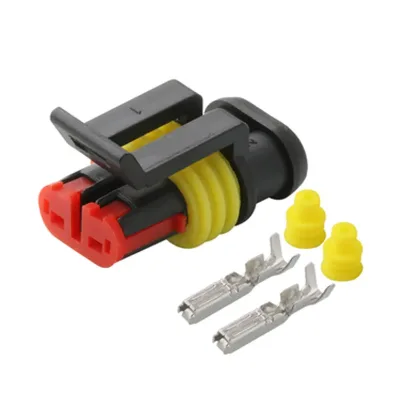


Durable Auto Electrical Connectors for Superior Automotive Wiring Harness
$0.06 - $0.07
MOQ: 2500 Pieces

Durable Performance Connectors for Reliable Automotive Electrical Applications
$0.01 - $0.01
MOQ: 3000 Pieces

Durable Terminals and Safety Auto Electrical Connectors for Performance
$0.01 - $0.01
MOQ: 5000 Pieces

High-Quality Auto Electrical Connectors for Long-Lasting Performance and Durability
$0.01 - $0.01
MOQ: 3000 Pieces

Reliable Auto Electrical Connectors with Durable Performance for Longevity
$0.01 - $0.01
MOQ: 3000 Pieces

High-Quality Electrical Connectors for Reliable Auto Connector Performance
$0.01 - $0.01
MOQ: 2500 Pieces


282108-1 6 Pin AMP Superseal 1.5mm Series Automotive Waterproof Connector
$0.00 - $0.02
MOQ: 1000 Pieces


Comprehensive Sourcing Guide
Automotive Superseal Electrical Socket Housing Sourcing Guide
Sourcing automotive superseal electrical socket housings requires a disciplined approach to technical verification and supplier qualification. These components are critical for maintaining signal integrity and environmental protection in low-voltage wiring harnesses, particularly within the automotive and motorcycle sectors. Buyers must navigate a market where product attributes vary significantly across listings, ensuring that the selected housing meets the specific mechanical and electrical demands of the final assembly. This guide provides evidence-based procurement strategies to help buyers identify suitable suppliers and validate product performance without relying on unverified claims.
The procurement process begins with a clear understanding of the product’s role within the broader wiring harness ecosystem. Socket housings serve as the structural interface for terminals, ensuring secure connections in high-vibration environments. Given the observed application data spanning automobiles, motorcycles, and industrial projects, buyers must prioritize components that offer robust sealing and durability. The following sections detail the technical specifications, compliance requirements, and commercial considerations necessary for successful sourcing.
Product Scope and Observed Listing Signals
The observed market for automotive superseal electrical socket housings reveals a diverse range of product configurations and supplier capabilities. Listings frequently highlight applications in audio and video systems, as well as general electronic and computer interfaces, indicating versatility beyond strict automotive use. Buyers should note that while many suppliers claim compatibility with standard automotive connectors, the actual product models vary, including references to TE, AMP Superseal, and generic female connector designs. This variation necessitates careful cross-referencing of part numbers and pin configurations to ensure compatibility with existing harness designs.
Packing and logistics signals also provide insight into supplier maturity. Observed packing methods range from simple bags to cartons, with some suppliers offering express shipping options via DHL, FedEx, UPS, and TNT. This suggests a mix of small-batch distributors and larger manufacturing entities. Buyers should interpret these signals as indicators of supply chain flexibility rather than standardized logistics protocols. The presence of both "Bag or Carton" and specific courier services implies that suppliers are equipped to handle varying order volumes, from prototype samples to bulk production runs, but buyers must confirm packaging standards to prevent damage during transit.
Technical Specifications to Verify
Technical verification is paramount when sourcing socket housings, as minor deviations can lead to assembly failures or electrical faults. Buyers must verify the pin configuration, with observed listings indicating options for 1 to 6 pins, including specific 4-pin variants. The interface type is another critical factor, with products supporting both AC/DC and DC/DC applications. It is essential to confirm that the housing material, often nylon, is compatible with the intended operating environment, particularly regarding temperature resistance and chemical exposure. The shape of the housing, typically round or rectangular, must also align with the spatial constraints of the vehicle or equipment being assembled.
Terminal compatibility is a frequent point of confusion in this category. While some listings specify "male connector" attributes for the housing, this often refers to the mating interface rather than the housing itself. Buyers must ensure that the socket housing is designed to accept the correct terminal type, such as crimping assembling classes or fine pitch connectors. The wire core material, usually copper wire, and terminal material, often copper or silver-plated copper, must be verified to ensure optimal conductivity. Additionally, the bandaging materials, such as PVC pipe, should be checked for compatibility with the housing’s sealing mechanisms to maintain environmental protection.
Compliance and Safety Documentation
Compliance with international standards is non-negotiable for automotive and industrial applications. Buyers must request documentation for certifications such as RoHS, CE, UL, CCC, and VDE, which are frequently cited in supplier listings. These certifications indicate adherence to environmental regulations and safety standards, but buyers should verify the scope of each certificate to ensure it covers the specific product model being purchased. For instance, UL certification is critical for electrical safety, while RoHS compliance ensures the absence of hazardous substances, which is increasingly important for global supply chains.
The presence of ISO 9001 or ISO 9001:2015 standards in supplier profiles suggests a commitment to quality management systems, but buyers should not assume this guarantees product-specific compliance. Instead, buyers should request test reports or material data sheets that confirm the housing’s performance under specific conditions. The observed standards, including Rohs and UL, should be cross-referenced with the buyer’s local regulatory requirements. For automotive applications, additional industry-specific standards may apply, and buyers should consult with their engineering teams to determine if further validation is necessary.
Cost Drivers and Commercial Terms
Cost structures for automotive superseal electrical socket housings are influenced by material costs, production processes, and order volume. The use of silver-plated copper terminals and high-quality nylon housings can increase unit costs, but these materials offer superior conductivity and durability. Buyers should analyze the price range, which has been observed between 0 and 10 USD, keeping in mind that lower prices may correlate with lower quality or smaller order quantities. The minimum order quantity (MOQ) ranges from 1 to 5000 units, allowing for flexibility in procurement strategies, from prototyping to mass production.
Commercial terms such as payment methods, lead times, and shipping costs should be negotiated based on the supplier’s capabilities and the buyer’s volume requirements. Suppliers offering express shipping options may charge premium rates, which should be factored into the total cost of ownership. Buyers should also consider the cost of customization, which is available from many suppliers, as this can impact pricing and lead times. Clear communication regarding these terms can help avoid unexpected expenses and ensure that the procurement process aligns with the buyer’s budget and timeline.
Supplier Qualification and Quality Control
Supplier qualification involves assessing the manufacturer’s production capabilities and quality control processes. Buyers should verify the production process, which often includes injection molding for housing components, to ensure consistency and precision. The origin of the products, primarily China and Shanghai, indicates a mature manufacturing ecosystem, but buyers should conduct on-site audits or request third-party inspections to verify quality standards. The classification of products as fine pitch connectors or automotive wiring harnesses should be matched with the supplier’s expertise and track record in those specific areas.
Quality control measures should include incoming material inspections, in-process checks, and final product testing. Buyers should request evidence of these controls, such as statistical process control charts or defect rate reports. The use of standardized packing methods, such as bags or cartons, should be accompanied by clear labeling and traceability systems. Suppliers that offer customization services should demonstrate their ability to maintain quality across different product variants. Establishing a strong relationship with a qualified supplier can mitigate risks and ensure a steady supply of high-quality components.
Long-Term Procurement Checks
Long-term procurement success depends on continuous monitoring of supplier performance and product reliability. Buyers should establish key performance indicators (KPIs) such as on-time delivery, defect rates, and responsiveness to issues. Regular audits and feedback loops can help identify areas for improvement and ensure that the supplier remains aligned with the buyer’s evolving needs. The automotive industry’s shift towards electric vehicles and advanced driver-assistance systems may require new housing specifications, so buyers should maintain open communication with suppliers to stay ahead of technological changes.
Supply chain resilience is another critical factor for long-term procurement. Buyers should diversify their supplier base to mitigate risks associated with geopolitical events, natural disasters, or production disruptions. Maintaining a buffer stock of critical components can help ensure continuity of operations. Additionally, buyers should stay informed about regulatory changes and industry trends that may impact the availability or cost of materials. By proactively managing these factors, buyers can build a robust and sustainable procurement strategy for automotive superseal electrical socket housings.
FAQs
What certifications do these automotive connectors have?
These connectors hold certifications including RoHS, CE, CCC, ISO, and VDE. They are designed to meet international safety and environmental standards for use in automotive wiring harnesses and electronic applications.
Which materials are used for the wire core and terminals?
The wire core material is copper wire, and the terminal material is also copper or silver-plated copper. These conductive materials ensure reliable electrical performance in low voltage wiring harness systems.
Can I request customization for these electrical socket housings?
Yes, customization is available for these products to meet specific project requirements. Buyers can request tailored solutions for their automotive or electronic wiring needs while maintaining standard quality controls.
What is the typical packaging method for these connectors?
Products are typically packed in bags or cartons for protection during transit. Some shipments may also utilize courier services like DHL, FedEx, UPS, or TNT for secure delivery to international destinations.
Where are these automotive wiring harness components manufactured?
These components originate from China, with specific production locations noted in Shanghai. The manufacturing process involves injection molding to create durable nylon housings and precise terminal assemblies.
What interface types are supported by these connectors?
The connectors support AC/DC and DC/DC interface types for various electronic applications. They are suitable for use in automobiles, motorcycles, computers, and home appliances requiring stable electrical connections.