Source Martini Bar Spoon for cocktail parties and bars
Compare 30 listings for the Martini Bar Spoon from verified Chinese suppliers. Buyers can evaluate stainless steel options, custom logo capabilities, and varying MOQs for bar tools and bar accessories.
Key considerations
Products List
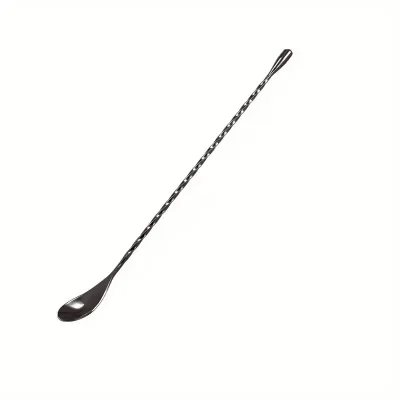
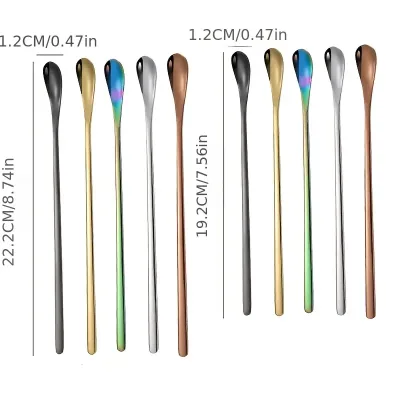
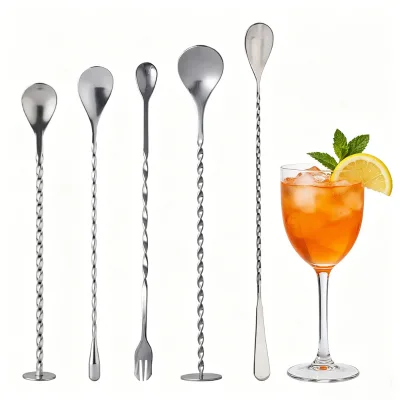
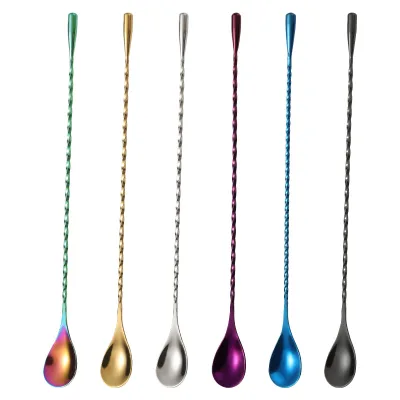
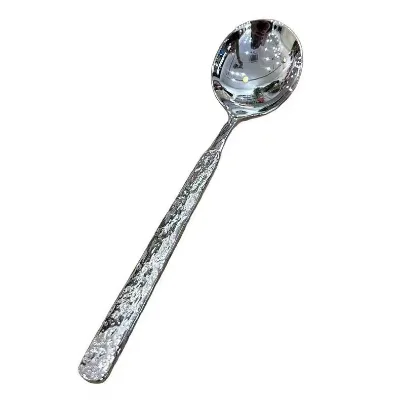
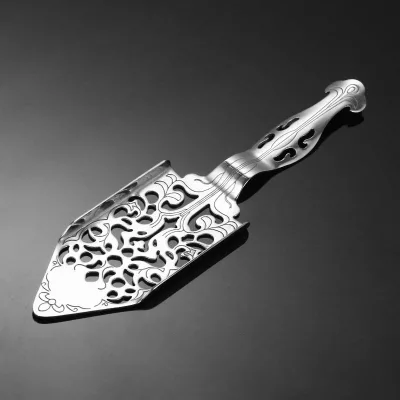


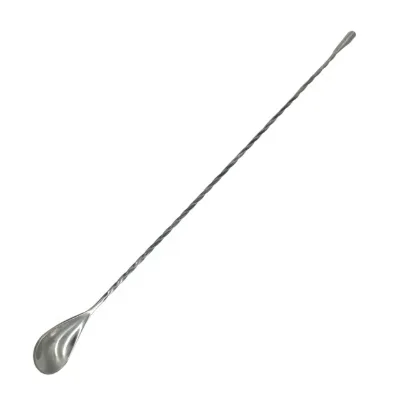
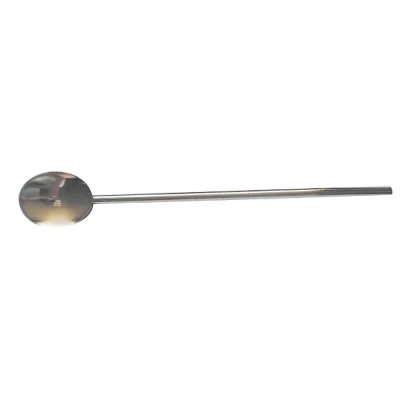
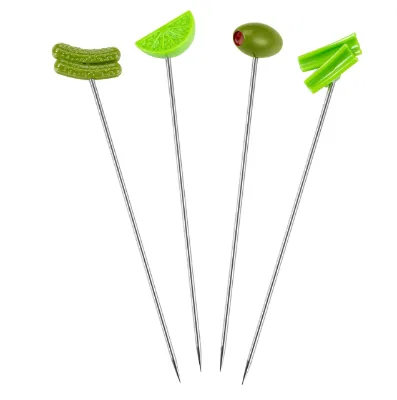
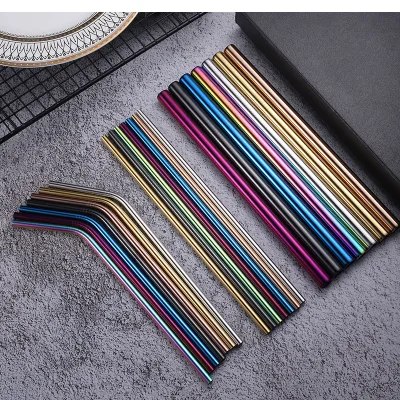
New Cocktail Pick Bar Tools Cocktail Spoon with Straw Metal All-season Bars Clubs
$0.30 - $0.60
MOQ: 3600 Minimum




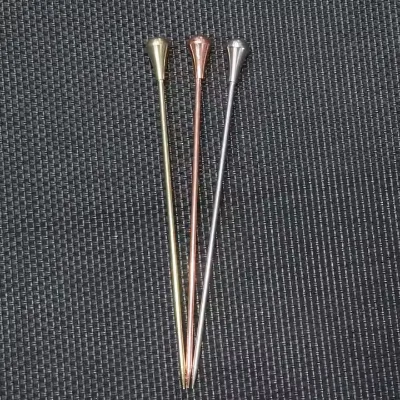
Promotional Stainless Steel Bar Spoon Coffee Spoon for Cafe Bar Home Use
$0.30 - $0.65
MOQ: 1000 Pieces



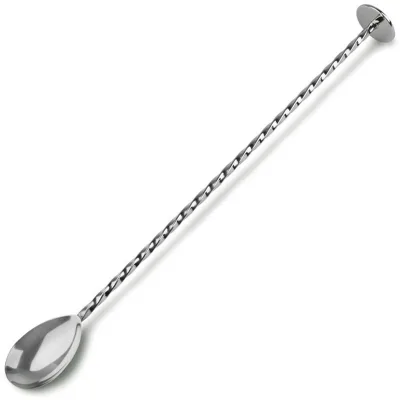
Multi Function Stainless Steel Bar Spoon with Ice Strainer Colander Design
$0.90 - $1.50
MOQ: 200 Pieces


Comprehensive Sourcing Guide
Strategic Sourcing Guide for Martini Bar Spoons
Understanding Product Specifications and Material Integrity
When sourcing a Martini Bar Spoon, the primary objective is to identify a tool that balances aesthetic appeal with functional precision. The core product category is defined as a "Bar Spoon" or "Stainless Steel Mixing Spoon," often categorized under "Bar Tools" or "Bar Accessories." A critical observation from available market data indicates that the material composition is predominantly Stainless Steel, with specific mentions of SS304 as a verified grade. This material selection is non-negotiable for professional applications, as it ensures resistance to corrosion from acidic cocktail ingredients and provides the necessary weight for effective stirring.
The physical dimensions of the spoon are equally vital for its intended use. The "Single package size" varies significantly across listings, ranging from compact 5x5x26 cm packages to larger 10x10x30 cm or 30x3x3 cm configurations. These variations suggest differences in packaging density or the inclusion of additional accessories. However, the functional dimension that matters most is the "Overall Length," which is observed to be approximately 30 cm. This length is standard for bar spoons, allowing the user to reach the bottom of tall mixing glasses and highball vessels without straining the wrist. The diameter of the bowl or handle components is noted to be greater than 10 cm in some contexts, though this likely refers to packaging or specific design elements rather than the spoon head itself.
Color options are a significant differentiator in this market. While "Silver" is the most common finish, suppliers offer a diverse palette including "Gold," "Copper," "Black," "Rose Gold," and "Rainbow." These finishes are typically achieved through surface treatments such as "laser," "silkscreen," "etch," or "embossed" processes. Buyers must verify that these finishes are applied to the stainless steel substrate to ensure they do not chip or fade during repeated washing. The "Single gross weight" also varies, with observed values of 0.300 kg and 1.000 kg. This discrepancy highlights the need for buyers to specify the desired weight class, as a heavier spoon provides better momentum for mixing, while a lighter one offers ease of handling.
Compliance, Certification, and Safety Standards
In the B2B procurement of bar tools, compliance is often more about material safety than complex regulatory certification, yet it remains a critical verification step. The product attributes explicitly mention "Eco-Friendly" as a feature, which implies adherence to environmental standards regarding material sourcing and manufacturing processes. However, buyers should not assume this claim is universally true for every listed item without verification. The term "Eco-Friendly" in this context likely refers to the durability and recyclability of stainless steel, but specific certifications such as FDA compliance for food contact or LFGB standards for European markets must be confirmed directly with the supplier.
The origin of the product is a key factor in compliance. The supplied data points to two primary manufacturing hubs: "Fujian, China" and "Zhejiang, China." Both regions have established reputations for metalworking, but the specific factory's adherence to international safety standards varies. Buyers must request documentation proving that the stainless steel used (specifically SS304) meets food-grade safety requirements. This includes verifying that the alloy composition is free from harmful heavy metals and that the surface finish does not leach substances into acidic liquids like lemon juice or vermouth.
Furthermore, the "Logo" application methods—laser, silkscreen, etch, or embossed—must be evaluated for safety. Some printing inks used in silkscreen processes may not be food-safe if they come into direct contact with the beverage. Buyers should insist on a declaration that any decorative elements applied to the part of the spoon that touches the liquid are non-toxic and food-grade. The "Customed Logo" and "Customized Color" options add complexity to compliance, as custom batches may not undergo the same rigorous testing as standard stock items. Therefore, a "Certificate of Analysis" or a specific food-contact compliance statement should be a mandatory requirement before finalizing any order, regardless of the supplier's location.
Cost Drivers and Pricing Dynamics
The pricing structure for martini bar spoons is influenced by a complex interplay of material costs, customization levels, and order volume. The observed listed price range in the market is extremely broad, spanning from $0.01 to $3.00 USD. This wide variance is not indicative of quality differences alone but is heavily driven by the Minimum Order Quantity (MOQ) and the level of customization requested.
The MOQ data reveals a significant stratification in the market. Some suppliers list an MOQ as low as 2 pieces or 10 pieces, catering to small businesses or sample orders. In contrast, other listings specify an MOQ of 300 units, while others extend to 100,000 units. This suggests that the lower end of the price spectrum ($0.01) is likely reserved for bulk industrial orders where economies of scale drastically reduce the per-unit cost. Conversely, the higher end of the price range ($3.00) likely reflects small-batch orders, custom branding, or premium finishes like rose gold or rainbow coatings.
Material grade is another primary cost driver. While "Metal" is the generic category, the specific mention of "SS304" indicates a higher-grade stainless steel compared to generic 200 or 400 series alloys. SS304 is more expensive due to its superior corrosion resistance and durability. Buyers opting for this grade should expect a higher price point, even if the MOQ is high. Additionally, the "Packing" method influences cost. Options such as "Custom Box" or "white color box" add to the unit price compared to bulk packing. The "Single package size" variations also impact shipping costs; a 30x3x3 cm package is more efficient to ship than a 10x10x30 cm box, potentially lowering the landed cost for the buyer.
It is crucial for buyers to understand that the "Selling Units" are often listed as "Single item," but the actual transaction is based on the MOQ. A price of $0.01 is meaningless if the MOQ is 100,000 units, as the total capital requirement becomes prohibitive for most buyers. Therefore, the effective cost per unit must be calculated based on the buyer's required volume. Buyers should also consider the "Lead time," which is not explicitly provided in the data but is implied to vary based on the complexity of the "Customed Logo" and the "Production" schedule. Custom orders typically require longer lead times, which can indirectly affect the total cost of ownership if inventory planning is not managed correctly.
Typical Applications and Functional Versatility
The Martini Bar Spoon is designed for a specific set of applications within the hospitality industry. The primary "Usage" is identified as "cocktail," "martini," and "Bar." This confirms its role as a mixing tool rather than a serving utensil. The long, twisted handle design, implied by the "Bar Spoons" category and the 30 cm length, is engineered to create a vortex in the liquid, ensuring thorough mixing of ingredients without excessive aeration. This is particularly important for spirit-forward drinks like martinis, where clarity and temperature are paramount.
Beyond the bar counter, the product attributes suggest versatility in other settings. The "occasion" is listed as "Party," and the "usage" includes "festivals." This indicates that these spoons are suitable for large-scale events where durability and aesthetics are required. The "feature" of being "Eco-Friendly" and "Durable" supports their use in high-traffic environments where disposable alternatives are discouraged. The "Product name" variations, such as "stainless steel mixing spoon" and "Bar Stirring Spoon," further emphasize their function in mixing and stirring.
The "function" is explicitly stated as "pour the liquid," which seems to be a misclassification in some listings, as bar spoons are primarily for stirring, not pouring. However, in the context of a bar setup, the spoon is often used to guide the pour or to layer ingredients. The "bar accessories type" includes "Cocktail & Snack Trays," suggesting that these spoons are often sold as part of a larger bar kit. The "color" options, including "Silver, Gold, Copper, Black, Rainbow," allow for customization to match the theme of a specific event or the branding of a bar. This aesthetic flexibility makes the Martini Bar Spoon a popular choice for themed parties and high-end establishments.
Supplier Evaluation and Verification Protocols
Evaluating suppliers for martini bar spoons requires a rigorous approach to verify the claims made in product listings. The data indicates that products originate from "Fujian, China" and "Zhejiang, China." While these regions are known for manufacturing, the specific capabilities of each factory vary. Buyers should prioritize suppliers who can provide detailed information about their "production" capabilities, specifically regarding the "Bar Tools" and "Bar Accessories" categories.
A critical step in supplier evaluation is verifying the "material" claims. The listing mentions "Stainless Steel" and "SS304." Buyers must request a mill test certificate or a third-party lab report to confirm the material grade. This is essential to ensure the spoon will not rust or corrode over time. Additionally, the "Logo" application methods—laser, silkscreen, etch, or embossed—should be inspected. Buyers should ask for samples to verify the quality of the branding and ensure that the logo does not peel or fade after repeated use.
The "MOQ" and "Selling Units" data suggest that suppliers have different capacity levels. A supplier with an MOQ of 2 pieces may be a trading company or a small workshop, while one with an MOQ of 100,000 is likely a large-scale manufacturer. Buyers should align their order volume with the supplier's capacity to ensure consistent quality and timely delivery. The "Single gross weight" and "Single package size" data can also be used to verify the supplier's logistics capabilities. A supplier claiming a weight of 1.0 kg per unit but offering a package size of 5x5x26 cm may be inconsistent, indicating a need for further clarification.
Finally, buyers should verify the "feature" claims, such as "Eco-Friendly" and "Stocked." These claims should be backed by evidence, such as sustainability reports or inventory records. The "brand_name" "SJ" is mentioned in one listing, but buyers should not rely on brand recognition alone. Instead, they should focus on the supplier's track record, production capacity, and ability to meet specific quality standards.
Quality Control and Long-Term Procurement Considerations
Quality control for martini bar spoons must focus on both functional performance and aesthetic durability. The "feature" of "Durable" implies that the spoon should withstand repeated use and washing. Buyers should implement a quality control plan that includes visual inspections for surface defects, such as scratches or uneven plating. The "color" consistency is also critical; a batch of spoons should have uniform coloring, especially for custom orders with "Customized Color."
The "Single gross weight" variation (0.300 kg vs. 1.000 kg) highlights the need for weight verification. A significant deviation from the specified weight could indicate a difference in material thickness or density, which affects the spoon's balance and mixing efficiency. Buyers should establish a tolerance range for weight and reject batches that fall outside this range. The "Overall Length" of 30 cm should also be measured to ensure it meets the functional requirements of the bar.
Long-term procurement considerations involve building a relationship with a supplier who can provide consistent quality over time. The "production" of "Dinner Spoon" and "spoon" suggests that some suppliers may have broader product lines, which could be beneficial for bundling orders. However, buyers should ensure that the supplier's focus remains on bar tools to guarantee expertise in this specific category. The "feature" of "Stocked" indicates that some suppliers may have inventory ready for immediate shipment, which is advantageous for urgent orders. However, buyers should be cautious of relying solely on stocked items, as they may not meet specific customization needs.
In conclusion, sourcing a Martini Bar Spoon requires a detailed understanding of the product specifications, material integrity, and supplier capabilities. By focusing on the verified facts provided, such as the material grade, dimensions, and origin, buyers can make informed decisions that ensure the quality and performance of their bar tools. The wide range of prices and MOQs necessitates careful negotiation and planning to align the procurement strategy with the buyer's specific needs and budget.
FAQs
What material is used for martini bar spoons?
Martini bar spoons are primarily made of stainless steel, with some listings specifying SS304 grade. This material ensures resistance to corrosion from acidic cocktail ingredients and provides the necessary weight for effective stirring in professional settings.
Which dimensions are standard for a bar spoon?
The overall length is typically observed at 30 cm, allowing users to reach the bottom of tall mixing glasses. Package sizes vary from 5x5x26 cm to 30x3x3 cm, indicating different packaging densities or accessory inclusions depending on the supplier.
Can I customize the logo on the spoon?
Yes, suppliers offer logo customization via laser, silkscreen, etch, or embossed processes. Buyers must verify that any decorative elements applied to parts touching the liquid are non-toxic and food-grade to ensure safety during beverage preparation.
What is the typical minimum order quantity?
Minimum order quantities range widely from 2 pieces for samples to 100,000 units for bulk industrial orders. The specific MOQ depends on the supplier, with some requiring 10, 300, or higher volumes to qualify for certain price points.
Where are these bar tools manufactured?
Products originate from manufacturing hubs in Fujian and Zhejiang, China. Both regions have established reputations for metalworking, but buyers should request documentation to confirm adherence to international safety standards for the specific factory.
How does price vary with order volume?
Listed prices span from 0.01 to 3 USD, heavily driven by minimum order quantity and customization levels. Lower prices typically correspond to high-volume orders, while higher prices reflect small batches, custom branding, or premium finishes like rose gold.
What color options are available for the spoon?
Common finishes include silver, gold, copper, black, rose gold, and rainbow. These colors are achieved through surface treatments, but buyers should verify that the plating does not chip or fade during repeated washing and use.