Source B Curl Individual Lashes for Daily Wear, Festivals, and Emulation
Explore 30 listings for B Curl Individual Lashes featuring hand-made and machine-made options in synthetic hair and PBT materials. Buyers can compare thickness, curl types, and packaging details to find suitable extensions for daily use, television, or festival applications.
Key considerations
Products List


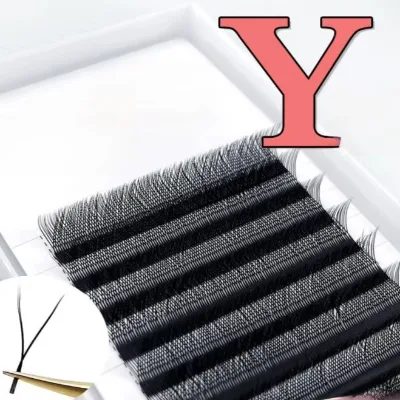
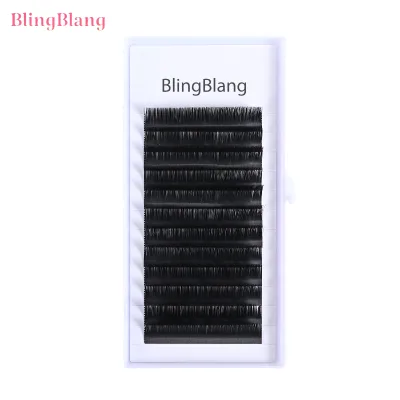
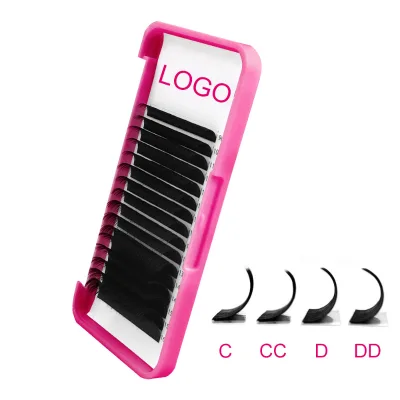
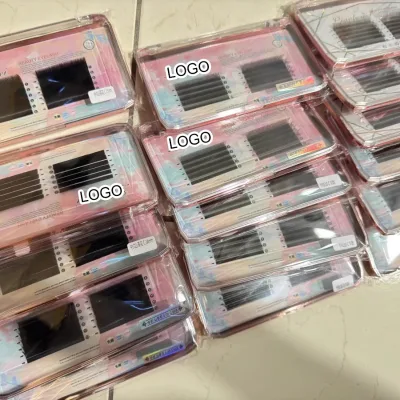
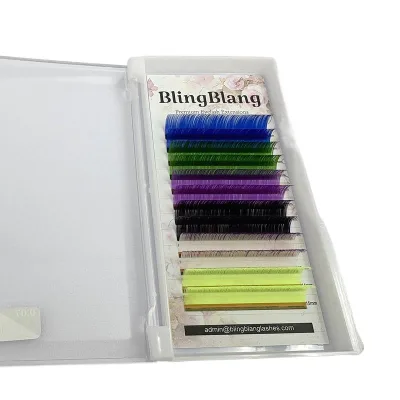
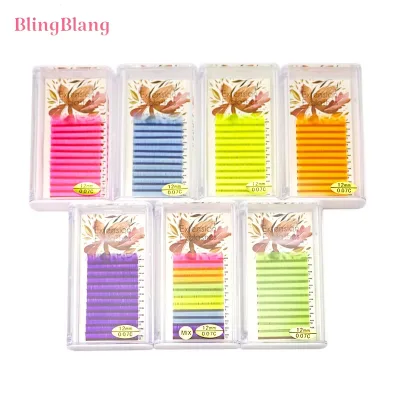


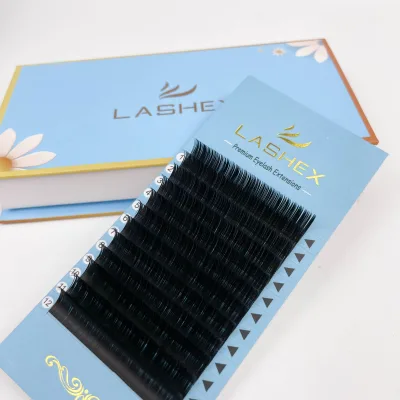


Comprehensive Sourcing Guide
Strategic Sourcing Guide for B Curl Individual Lashes
Understanding Product Specifications and Technical Variability
When sourcing B Curl Individual Lashes, buyers must first navigate a landscape of diverse technical specifications that define the final product's performance and aesthetic outcome. The core keyword implies a specific curvature, yet the market data reveals a complex array of available attributes that require careful verification. The observed product listings indicate that individual eyelash extensions are available in various thicknesses, with specific mentions of 0.05 mm, 0.07 mm, and 0.15 mm. These dimensions are critical as they directly influence the weight of the lash on the natural lash line and the overall volume of the application. A 0.05 mm lash is typically associated with a natural, lightweight look, while 0.07 mm offers slightly more definition, and 0.15 mm is often used for dramatic volume effects.
The curvature of the lash, specifically the "B curl," is a standard classification, but the supply chain presents multiple curl options including C, CC, D, and DD curls. While the buyer is targeting the B curl, it is essential to confirm that the specific supplier can consistently produce this curvature, as some listings emphasize "Natural Soft" features or "Natural Long" styles which may prioritize different curl profiles. Furthermore, the length of the lashes is a variable specification, with observed ranges extending from 8 mm to 14 mm. This range allows for the creation of customized lash maps, but the buyer must ensure that the specific B curl lashes selected align with the desired length for the intended application.
Material composition is another pivotal technical factor. The supply data highlights several material types, including synthetic hair, PBT (Polybutylene Terephthalate), faux mink, and cashmere silk. PBT is a common synthetic material known for its durability and ability to hold a curl, making it a frequent choice for individual extensions. However, the presence of "faux mink" and "cashmere silk" in the data suggests that buyers must explicitly verify the material composition of the B curl lashes they order, as these terms can sometimes be used interchangeably in marketing but represent different tactile and visual properties. The "Hand Made" versus "Machine Made" distinction is also present in the data, with some products described as "100% Handmake False Eyelash Hair" and others as "MACHINE MADE." This distinction significantly impacts the uniformity, tapering, and overall quality of the lash, which is a crucial consideration for high-end applications.
Compliance, Certification, and Safety Standards
In the realm of beauty and personal care products, particularly those applied near the eye, compliance and safety are paramount. While the supplied product facts do not list specific certification numbers or third-party test results, the nature of the industry dictates that buyers must verify these credentials before finalizing any procurement. The origin of the products is listed as China, with specific mentions of Hebei as a place of origin. Sourcing from this region requires a rigorous vetting process to ensure that the manufacturing facilities adhere to international safety standards.
Buyers should request documentation confirming that the materials used, such as PBT or synthetic fibers, are free from harmful substances like formaldehyde, latex, or heavy metals. The "Private Label" and "OEM ODM" services mentioned in the data suggest that many suppliers are willing to customize packaging and branding, but this customization must not compromise the safety of the product. The packaging itself, described as an "ABS Case with PP Bag" or simply a "tray," must be hygienic and designed to protect the lashes from dust and deformation during transit.
It is important to note that the data mentions "12lines/tray" as a standard, which implies a specific organization of the lashes. Buyers should verify if this standard aligns with the safety and handling requirements of their specific market. Additionally, the "back card" is noted as customizable with a private logo, which is a common practice for branding but requires that the printing inks and adhesives used on the card are non-toxic and safe for consumer contact. Since no specific certification standards (such as ISO or FDA) are explicitly listed in the provided facts, the procurement strategy must include a mandatory request for safety data sheets (SDS) and compliance certificates from the supplier. The absence of these documents in the initial product listing should be treated as a red flag requiring immediate clarification.
Cost Drivers and Pricing Dynamics
The pricing landscape for B Curl Individual Lashes is influenced by several key factors, including material quality, labor intensity, and customization requirements. The observed price range in the market data spans from 0.2 to 5.99 USD. This wide variance indicates that price is not solely a function of the product type but is heavily dependent on the specific attributes selected. For instance, lashes made from "faux mink" or "cashmere silk" may command a higher price point compared to standard synthetic hair or PBT options, reflecting the perceived premium quality and texture.
Labor costs are a significant driver, particularly given the "Hand Made" attribute observed in several listings. Hand-made lashes require skilled artisans to create the tapered ends and uniform curls, which increases production time and cost compared to machine-made alternatives. The data explicitly mentions "100% Handmake False Eyelash Hair" as a distinct category, suggesting that buyers seeking the highest quality for a B curl application should be prepared for a higher price point. Conversely, "MACHINE MADE" options may offer a more economical solution but might lack the nuanced tapering and softness associated with hand-crafted products.
Customization is another major cost factor. The availability of "Private Label" services, "Customized Package Accepted," and "back card: private logo accepted" implies that orders with specific branding or packaging requirements will incur additional costs. The "MOQ" (Minimum Order Quantity) also plays a role in the unit price. While some listings show an MOQ of just 1, others specify "3 Trays" or even up to 1000 units. Generally, higher order volumes allow for economies of scale, potentially lowering the per-unit cost. However, the "Selling Units: Single item" attribute suggests that some suppliers cater to small-scale buyers or samples, which may come at a premium per unit.
Buyers must also consider the "thickness" and "length" as cost variables. Thinner lashes (e.g., 0.03 mm or 0.05 mm) often require more precision and higher-quality raw materials, potentially increasing the cost. Similarly, longer lengths (e.g., 14 mm) may be priced differently than shorter ones (e.g., 8 mm) due to the increased material usage and handling complexity. The "color" attribute, ranging from "Black" to "colorful," also influences pricing, with standard black lashes typically being the most cost-effective, while specialty colors may carry a surcharge.
Typical Applications and Market Usage
The versatility of B Curl Individual Lashes makes them suitable for a wide range of applications, from professional salon services to personal daily use. The observed usage categories include "Ragdoll," "Television," "Emulation," "Festival," and "Daily." These diverse applications highlight the adaptability of the product to different aesthetic needs. In professional settings, B curl lashes are often used to create a natural yet enhanced look, bridging the gap between the straight A curl and the more dramatic C or D curls. This makes them ideal for clients who desire a subtle lift without an overly dramatic appearance.
The "Natural Soft" and "Natural Long" features mentioned in the data align well with the "Daily" usage category, suggesting that these lashes are designed for everyday wear where comfort and a natural aesthetic are prioritized. For "Festival" or "Television" applications, the durability and hold of the curl become more critical. The "Hand Made" attribute is particularly relevant here, as hand-crafted lashes often provide a more natural taper that blends seamlessly with the natural lash line, reducing the risk of clumping or visible seams during high-definition filming or close-up interactions.
The "Classic Extension Eyelashes" and "Volume Extension Eyelashes" categories indicate that B curl lashes can be used in both classic (one-to-one) and volume (multi-lash fan) techniques. The "C-classic" and "C-bottom" model numbers suggest specific applications within these techniques, though the buyer must confirm that the B curl variant is available for their preferred method. The "12lines/tray" standard implies a specific organization that facilitates efficient application in professional settings, allowing technicians to quickly select lashes of the correct length and curl.
Furthermore, the "Emulation" usage category suggests that these lashes may be used for cosplay or character replication, where specific curl and length combinations are necessary to achieve a particular look. The "colorful" option mentioned in the data supports this, offering buyers the ability to source lashes that match specific costume requirements. The "Ragdoll" reference, while less common, may indicate a niche market for specialized doll-making or artistic projects, further expanding the potential application scope of these products.
Supplier Evaluation and Quality Control Protocols
Evaluating suppliers for B Curl Individual Lashes requires a multi-faceted approach that goes beyond simple price comparison. The presence of "OEM ODM" services and "Private Label" capabilities indicates that many suppliers are capable of customization, but the buyer must verify their ability to maintain consistency across large orders. The "Hand Made" attribute is a strong indicator of quality, but it also introduces variability. Therefore, a robust quality control (QC) protocol is essential. Buyers should request samples to assess the uniformity of the curl, the consistency of the thickness, and the quality of the tapering.
The "ABS Case with PP Bag" packaging suggests a focus on product protection, but the buyer should also evaluate the supplier's ability to maintain the integrity of the lashes during shipping. The "tray" packaging mentioned in the data must be sturdy enough to prevent crushing or deformation of the delicate lashes. Additionally, the "back card" customization options should be reviewed for print quality and durability, as these are often the first point of contact for the end consumer.
Given the "China" origin and specific "Hebei" location, buyers should consider the logistical aspects of sourcing. The "lead time" is not explicitly provided in the data, so it is crucial to establish clear timelines for production and delivery. The "MOQ" of "3 Trays" for some products suggests that small orders are feasible, but larger orders may require different terms. Buyers should also verify the supplier's ability to handle "Customized Package Accepted" requests, ensuring that the packaging meets any specific regulatory or branding requirements of their target market.
Quality control should also extend to the material verification. The data lists "PBT," "faux mink," and "cashmere silk" as materials. Buyers must ensure that the supplier can provide consistent batches of the specified material, as variations in fiber quality can affect the curl retention and overall performance. The "100% Handmake" claim should be validated through physical inspection of the samples, checking for the characteristic tapered ends and uniform curl that define high-quality hand-made lashes.
Long-Term Procurement Considerations and Relationship Building
Establishing a long-term partnership with a supplier for B Curl Individual Lashes requires a strategic approach that prioritizes reliability, consistency, and mutual growth. The "Service: OEM ODM" attribute indicates that suppliers are open to collaborative development, which can be beneficial for buyers looking to differentiate their product line. However, this collaboration requires clear communication and well-defined specifications to ensure that the final product meets the buyer's expectations.
The "Private Label" and "Customized Package" options offer opportunities for brand building, but they also require careful management to avoid quality issues. Buyers should invest time in developing a comprehensive specification sheet that details the exact requirements for the B curl lashes, including thickness, length, material, and packaging. This document should be shared with the supplier and used as a reference for all future orders to ensure consistency.
The "MOQ" and "lead time" factors are critical for inventory management. While the data shows a wide range of MOQs, from 1 to 1000, buyers should negotiate terms that align with their sales velocity and storage capabilities. A supplier that can offer flexible MOQs and reliable lead times will be more valuable in the long run, allowing the buyer to respond quickly to market demands without overstocking.
Furthermore, the "colorful" and "Natural Long" options suggest that the market is evolving, with increasing demand for variety and customization. Buyers should stay informed about emerging trends and work with suppliers who can adapt to these changes. The "12lines/tray" standard and other specific model numbers indicate a level of standardization in the industry, but buyers should also be open to exploring new configurations that may offer competitive advantages.
Finally, building a strong relationship with the supplier involves regular communication and feedback. Buyers should provide constructive feedback on product quality and performance, helping the supplier improve their offerings. In return, suppliers should provide timely updates on production status and any potential issues that may affect the order. This collaborative approach ensures that both parties benefit from a successful and sustainable procurement relationship.
FAQs
Can I get private label packaging for B Curl Individual Lashes?
Yes, private label packaging is available for these lashes. Suppliers accept customized back cards with private logos and offer options like ABS cases with PP bags or standard trays to meet your branding needs.
What material options exist for B Curl Individual Lashes?
The lashes are available in synthetic hair, PBT, faux mink, and cashmere silk. Buyers must verify the specific material composition as terms like faux mink may vary in texture and durability compared to standard synthetic options.
Which thicknesses are offered for B Curl Individual Lashes?
Thickness options include 0.03 mm, 0.05 mm, 0.07 mm, and 0.15 mm. Thinner lashes provide a natural look while thicker options create more volume, so select based on the desired aesthetic effect.
How are B Curl Individual Lashes manufactured?
Manufacturing methods include both hand-made and machine-made processes. Hand-made lashes often feature better tapering and softness, while machine-made options may offer different uniformity levels depending on the supplier.
What is the minimum order quantity for B Curl Individual Lashes?
Minimum order quantities vary by supplier, with some accepting as low as 1 unit and others requiring 3 trays. Buyers should check specific vendor requirements as MOQs can range up to 1000 units depending on customization.
Can B Curl Individual Lashes be customized for specific lengths?
Yes, lengths range from 8 mm to 14 mm to allow for customized lash maps. Suppliers can produce specific lengths to match your desired application, whether for daily wear or festival use.
What curl types are available besides B curl?
Available curl types include C, CC, D, and DD curls in addition to the B curl. Buyers should confirm that the specific B curl variant is available if that is their primary requirement.