Source B1 Fire Rating HPL Sheet for Furniture and Lab Use
Find 29 options for B1 Fire Rating HPL Sheet suitable for furniture, kitchen, and laboratory applications. Compare thicknesses from 0.35mm to 30mm, surface finishes like glossy or matte, and customization options to identify the right material for your project needs.
Key considerations
Products List


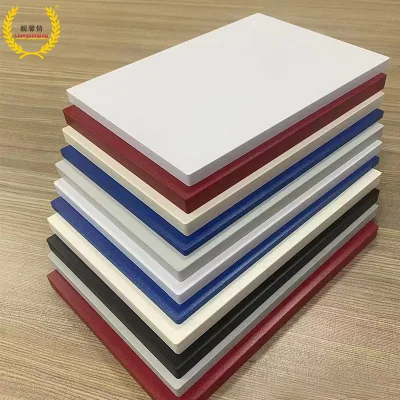


Factory Wholesale 1220X2440X9mm Colored Fire Rated HPL Sheet with Grade E1 B1-C
$300.00 - $400.00
MOQ: 1 cubic meter

Fireproof Laminate Sheets Material HPL Board Cladding Chemical Resistant Board
$25.00 - $200.00
MOQ: 100 Pieces

Compact Laminate Sheet Fireproof Panel HPL Board Cladding Chemical Resistant Board
$25.00 - $200.00
MOQ: 100 Pieces

Compact Fireproof Laminate Sheets HPL Board Cladding Chemical Resistant Board
$25.00 - $200.00
MOQ: 100 Pieces

Fireproof Laminate Sheets Decoration Material HPL Board Cladding Chemical Resistant Board
$25.00 - $200.00
MOQ: 100 Pieces


Comprehensive Sourcing Guide
B1 Fire Rating HPL Sheet Sourcing Guide
Procuring High-Pressure Laminate (HPL) sheets with a verified B1 fire rating requires a disciplined approach to distinguishing between marketing claims and certified performance data. Buyers must prioritize suppliers who can provide specific test reports confirming the B1 classification, as this rating indicates the material is difficult to ignite and has a low flame spread, making it suitable for high-traffic commercial and institutional environments. The sourcing strategy should focus on verifying the specific product model and thickness, as fire performance can vary significantly between compact laminate and standard HPL sheet variants.
The market landscape for these materials is diverse, with listings indicating a wide range of thicknesses from 0.35mm to 30mm and various surface finishes including matte, glossy, and textured options. Sourcing decisions should be guided by the intended application, whether for furniture, laboratory surfaces, or building interiors, as the required durability and fire resistance levels differ by use case. Buyers should be prepared to navigate a broad price spectrum and minimum order quantity (MOQ) requirements, ensuring that the selected supplier can meet both the technical specifications and the logistical constraints of the project.
Product Scope and Observed Listing Signals
The product scope for B1 fire-rated HPL sheets encompasses a variety of configurations, including compact laminate models and standard HPL sheets designed for furniture, kitchen, and bathroom applications. Listings frequently highlight features such as wear resistance, waterproofing, and moisture proofing, which are critical for maintaining surface integrity in humid or high-use environments. The observed product models range from general HPL sheets to specific compact laminate designs, each offering distinct thickness profiles and surface textures that must align with the project's aesthetic and functional requirements.
Observations of listing signals reveal that suppliers often offer customization in color and surface finish, allowing for tailored solutions that meet specific design briefs. The standard sizes observed include 12202440mm, 12203050mm, and 1300*2800mm, though some listings also reference imperial dimensions like 4x8 feet. Buyers should note that while many products are described as having a B1 fire rating, the specific material composition, such as the use of melamine and kraft paper, varies and should be cross-referenced with the supplier's technical data sheets to ensure the fire rating applies to the exact product variant being ordered.
Technical Specifications to Verify
When evaluating technical specifications, the thickness of the HPL sheet is a primary determinant of its structural integrity and fire performance capabilities. The market offers a broad range of thicknesses, from thin decorative sheets at 0.35mm to heavy-duty compact laminates reaching up to 30mm, with intermediate options like 9mm and 1.6-25mm also available. Buyers must verify that the selected thickness corresponds to the intended application, as thicker sheets generally offer superior impact and frictional resistance, which are essential for laboratory and school furniture where durability is paramount.
Surface finishing and physical properties are equally critical, with options ranging from glossy and matte to embossed textures that provide slip resistance and aesthetic depth. The density of the material, observed in the range of 740~850kg/M3, influences the sheet's weight and rigidity, which are important factors for installation and long-term performance. Additionally, the edge treatment, such as beveled edges, and the shape, typically rectangular, must be confirmed to ensure compatibility with the fabrication equipment and design specifications of the final product.
Compliance and Safety Documentation
Ensuring compliance with safety standards is non-negotiable when sourcing B1 fire-rated materials, as this classification is a key requirement for many commercial building codes and interior design projects. Buyers should request explicit documentation confirming the B1 fire rating, as this is a specific observation from the product attributes and not a universal guarantee for all HPL sheets. The verification process should include checking for formaldehyde emission standards, with observed grades ranging from E0 to E2, to ensure the material meets indoor air quality requirements for schools, laboratories, and residential spaces.
Beyond fire and emission ratings, the sourcing guide emphasizes the importance of verifying other certifications such as ISO and CE, which indicate adherence to international quality management and safety standards. While some background information mentions standards like EN 13501-1 or ASTM E84, buyers should rely on the specific certifications provided by the supplier rather than assuming compliance with these external standards. The presence of a Grade A classification and specific production processes, such as dry-process manufacturing, further supports the material's quality and consistency, but these should be validated through the supplier's quality assurance documentation.
Cost Drivers and Commercial Terms
The cost of B1 fire-rated HPL sheets is influenced by several factors, including the thickness, surface finish, and the level of customization required. The observed price range in the market spans from $1.5 to $400, reflecting the diversity of product types from thin decorative sheets to thick, high-performance compact laminates. Buyers should anticipate that higher thicknesses and specialized surface textures, such as embossed or matte finishes, will command a premium, while standard glossy finishes in common sizes may offer more competitive pricing.
Commercial terms and logistics play a significant role in the total cost of ownership, with suppliers often requiring a minimum order quantity (MOQ) that can range from 300 pieces to 15,000 units depending on the product and supplier. Payment terms typically include options like FOB, CIF, 30% T/T in advance, or L/C at sight, which buyers must align with their financial policies and risk tolerance. Lead times are also a critical cost driver, with observed delivery times of around 15 days for HPL sheets, though this can vary based on order volume and the supplier's production schedule.
Supplier Qualification and Quality Control
Supplier qualification should begin with a thorough review of their production capabilities and quality control systems, particularly regarding the consistency of the B1 fire rating across batches. Buyers should verify that the supplier has a documented production process, such as the dry-process method observed in some listings, and that they maintain strict controls over material inputs like melamine and kraft paper. The origin of the product, often listed as China or specifically Shenzhen, should be considered in the context of the supplier's reputation and their ability to provide consistent quality over time.
Quality control extends to the packaging and shipping process, where the use of wooden pallets with corner protectors is a standard observation that helps prevent damage during transit. Buyers should ensure that the supplier has a robust system for inspecting the final product for defects, such as uneven surface finishes or incorrect dimensions, before shipment. The condition of the product, typically listed as "New," should be confirmed upon receipt, and any discrepancies should be addressed immediately through the agreed-upon dispute resolution mechanisms in the commercial terms.
Long-Term Procurement Checks
Establishing a long-term procurement relationship requires ongoing checks to ensure that the supplier continues to meet the specified B1 fire rating and other technical requirements. Buyers should implement a schedule for periodic re-verification of product samples, testing for fire resistance, moisture proofing, and wear resistance to confirm that the material properties have not degraded over time. This proactive approach helps mitigate the risk of supply chain disruptions and ensures that the installed products continue to perform as expected in their intended environments.
Regular audits of the supplier's certification status and compliance with evolving standards are also essential for maintaining a high-quality supply chain. As regulations regarding formaldehyde emissions and fire safety may change, buyers must stay informed and require their suppliers to adapt their production processes accordingly. By maintaining open communication and setting clear expectations for quality and compliance, buyers can secure a reliable source of B1 fire-rated HPL sheets that supports the long-term success of their projects.
FAQs
What is the fire rating of the HPL sheets?
The HPL sheets have a B1 fire rating, making them suitable for environments requiring flame retardancy. This classification indicates limited flammability and slow flame spread. The material is composed of melamine and kraft paper, processed to ensure safety standards are met for indoor applications in furniture and laboratories.
What thickness options are available for these sheets?
Thickness ranges from 0.35mm to 30mm depending on the specific product model. Compact laminate options go up to 30mm, while standard HPL sheets typically range from 0.35mm to 3.0mm. Buyers can select the appropriate thickness based on structural requirements for furniture, building, or school applications.
Can the HPL sheets be customized for specific projects?
Yes, customization is available for color and surface finishing. Options include glossy, matte, texture, and embossed finishes. Colors can be customized to match design requirements. This flexibility allows for tailored solutions in kitchen, bathroom, and laboratory settings where specific aesthetics and durability are needed.
What are the standard sizes for these HPL sheets?
Standard sizes include 1220x2440mm, 1220x3050mm, and 1300x2800mm. Other sizes like 4x8 feet are also available. These dimensions accommodate various paneling needs. Buyers should verify specific size requirements with suppliers to ensure compatibility with their manufacturing or installation processes.
What certifications do these HPL sheets hold?
The sheets hold ISO certification and meet CE standards. Formaldehyde emission grades include E0, E1, and E2. These certifications ensure quality and safety for indoor use. Buyers requiring specific compliance should confirm the exact grade and certification documents with the manufacturer before ordering.
What is the typical delivery time for orders?
The typical delivery time is 15 days. This lead time applies to standard orders. Buyers should account for this duration when planning projects. Expedited shipping options may be available depending on the supplier's capacity and the specific customization requirements of the order.