Source Backless Slim Wrap Mermaid Dress for weddings, parties, and events
Compare 30 listings for the Backless Slim Wrap Mermaid Dress featuring lace, satin, and chiffon options with natural waistlines and V-necks. Buyers can evaluate customization, fabric weights, and lead times from Qingdao suppliers.
Key considerations
Products List
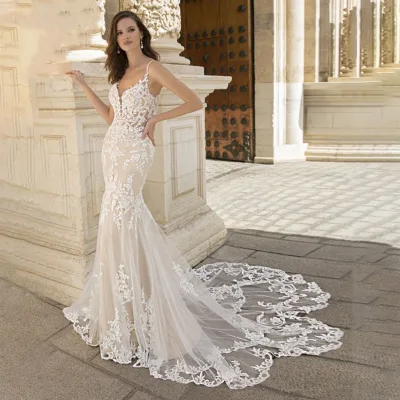

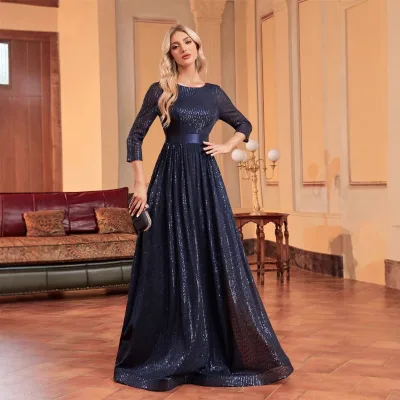
Three-quarter Sleeve Satin Dress Backless A-line Mermaid Evening Dress
$50.00 - $56.00
MOQ: 299 pieces
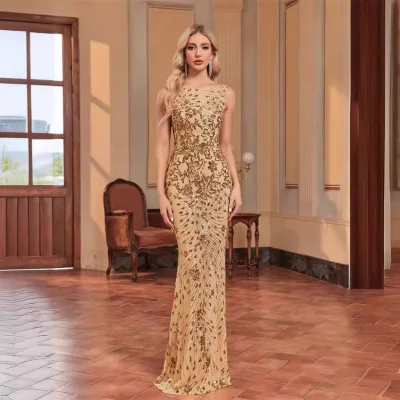
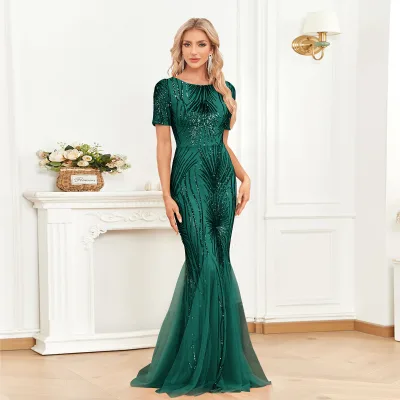
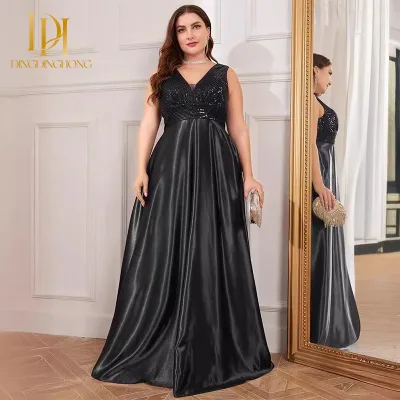
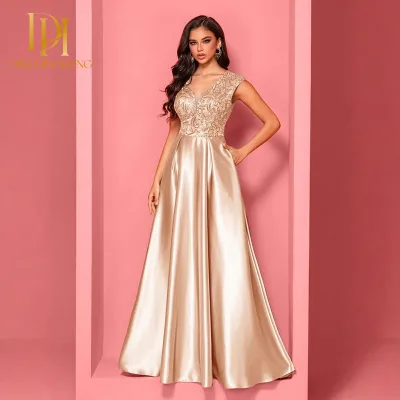
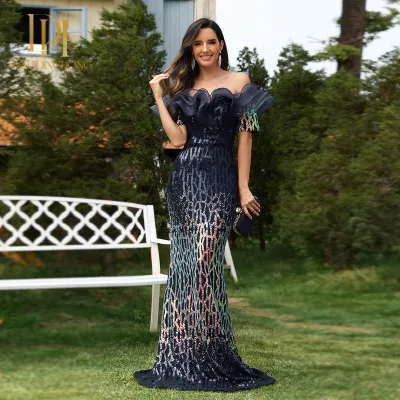


Blue Evening Dress V-Neckline Sleeveless Mermaid Prom Party Dresses Z811
$79.00 - $149.00
MOQ: 1 Pieces


Sleeveless Bridal Gown off Shoulder Mermaid Wedding Dresses 2026 H1035
$129.00 - $199.00
MOQ: 1 Pieces


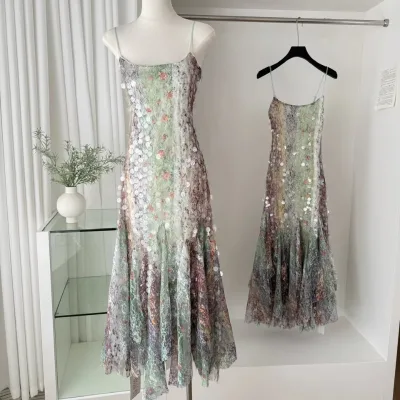

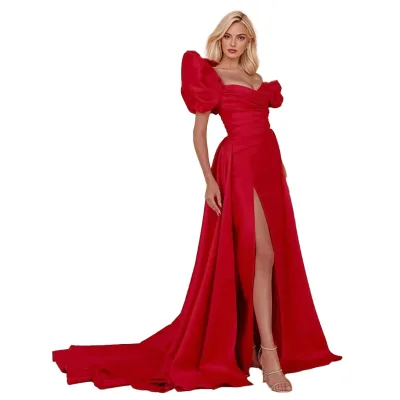
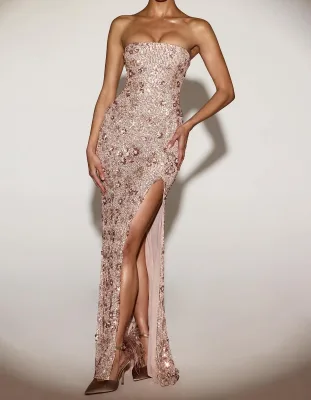


Sexy Short Sleeves Lace up Back Beading Mermaid Wedding Dress with Tail
$217.00 - $339.00
MOQ: 1 Pieces

Sexy Pink Mermaid Blingbling Women Bridal Party Dress for Wedding with Bow
$107.00 - $289.00
MOQ: 1 Pieces
Comprehensive Sourcing Guide
Strategic Sourcing Guide for Backless Slim Wrap Mermaid Dresses
The global B2B market for formal and evening wear continues to demand garments that balance aesthetic elegance with functional versatility. For buyers specifically targeting a Backless Slim Wrap Mermaid Dress, the procurement process requires a nuanced understanding of how specific design elements intersect with material science and manufacturing capabilities. The core keyword describes a silhouette that is fitted through the bodice and hips before flaring out at the knees, a style often associated with high-impact events. When combined with a backless design and a wrap construction, the sourcing strategy must address unique challenges regarding structural integrity, fabric drape, and customization logistics. This guide outlines the essential technical, compliance, and operational factors necessary for securing a reliable supply chain for this specific garment category.
Technical Specifications and Silhouette Engineering
The mermaid silhouette, also frequently categorized as trumpet, presents distinct engineering requirements compared to A-line or sheath dresses. In the observed market data, the silhouette is explicitly defined as "Mermaid" or "Mermaid/Trumpet," with a "Natural" waistline that emphasizes the body's natural curves. The "slim" descriptor in the core keyword implies a close-fitting cut through the torso and hips, which necessitates precise pattern grading to ensure the garment maintains its shape without restricting movement. The "wrap" style adds complexity, as it requires a closure mechanism that secures the garment while maintaining the "backless" aesthetic.
Fabric selection is paramount for this silhouette. The available data indicates a diverse range of materials, including "Lace," "Polyester," "Satin," and "Chiffon." For a backless design, the fabric must possess sufficient body to hold the mermaid flare while remaining flexible enough for the wrap closure. "Lace" is noted as a primary material in several listings, often paired with "Satin" or "Chiffon" for lining. The "woven" weaving method is the standard construction technique observed, which provides the necessary stability for the structured hips of the mermaid cut. Buyers must verify that the fabric weight supports the design; observed weights range from 80 grams to 180 grams, with lighter weights suitable for summer events and heavier weights providing better structure for floor-length variations.
Design Attributes and Customization Parameters
The aesthetic execution of a Backless Slim Wrap Mermaid Dress relies heavily on specific design attributes that define its market positioning. The "V-neck" is a common pairing with the backless feature, creating a balanced neckline that draws attention to the décolletage while the open back provides drama. The "sleeveless" or "sleeve" length of "Short" is standard, ensuring the focus remains on the silhouette and the back detail.
Customization is a critical driver for B2B buyers in this sector. The supply type is identified as "OEM service," indicating that manufacturers are equipped to produce private-label goods. Key customization areas include "Logo Design," which can be placed on the "Front" or "back," and "Label & Tag" support for branding. The "prod_model" sizes range from "S" to "2XL," covering a broad demographic, including "Plus Size" options noted in the feature set. However, buyers must be aware that while "Customization" is generally available, specific constraints exist. For instance, while some listings support "7_days_sample_order_lead_time," others explicitly state "Not Support," requiring buyers to clarify sample turnaround expectations before placing bulk orders.
The "feature" set for these garments is extensive, including "Eco-Friendly," "Anti-static," "Breathable," and "Washable." These attributes suggest that modern manufacturing processes are incorporating functional finishes. The "fashion_element" ranges from "Vintage" to "Simple" and "Backless," allowing buyers to target specific niche markets. The "pattern_type" is predominantly "Solid," though "Digital printing" is available for more complex designs. Understanding these variables is essential for aligning the product with the intended target audience, whether for "Party," "Mother of Bride," or "Modern" style events.
Compliance, Standards, and Material Verification
In the B2B textile sector, compliance is not merely a regulatory hurdle but a marker of quality and reliability. While specific certification names are not universally applied across all listings, buyers must verify adherence to international safety and quality standards. The data mentions a "prod_standard" of "470g," which likely refers to a specific weight or quality benchmark for a particular batch, though this should be treated as an observation rather than a universal standard.
Material verification is the first step in compliance. The listed materials include "100% Polyester," "Lace," and "Chiffon." Buyers should request material composition certificates to confirm the percentage of synthetic versus natural fibers, especially if the product claims to be "Eco-Friendly." The "Anti-static" and "Washable" features require specific chemical treatments or fabric blends that must be validated through third-party testing. For garments intended for export, compliance with REACH (Registration, Evaluation, Authorisation and Restriction of Chemicals) in Europe or CPSIA in the United States is often expected, even if not explicitly listed in the product summary.
Furthermore, the "Standard" for production should be clearly defined in the contract. While the observed data includes a weight specification of "470g," this does not replace the need for a comprehensive quality manual. Buyers should verify that the manufacturer has a documented quality control process that covers colorfastness, seam strength, and shrinkage rates. The "Woven" method and "Other" technics suggest that the construction may involve specialized finishing techniques that require specific machinery, which should be inspected during the supplier audit phase.
Cost Drivers and Pricing Dynamics
The pricing for backless slim wrap mermaid dresses is influenced by a complex interplay of material costs, labor intensity, and customization requirements. The observed price range in the market spans from 1 to 339 USD, a significant variance that reflects differences in quality, brand positioning, and order volume. The lower end of the spectrum likely corresponds to basic polyester blends with minimal embellishment, while the higher end encompasses premium fabrics like high-grade lace or satin with intricate detailing.
Material costs are a primary driver. The use of "Lace" and "Satin" typically increases the base cost compared to standard "Chiffon" or plain "Polyester." Additionally, the "Mermaid" silhouette requires more complex pattern making and sewing techniques, which increases labor costs. The "Sequined" decoration noted in some listings adds another layer of cost, as it involves hand or machine application of embellishments that are time-consuming to execute.
Minimum Order Quantity (MOQ) is another critical cost factor. The observed MOQ range is 1 to 299 units. For buyers seeking to test the market, a low MOQ of 1 allows for sample evaluation, but the unit cost will be significantly higher. As the order volume increases, the per-unit cost typically decreases due to economies of scale in material purchasing and production line efficiency. Buyers must balance the desire for low MOQs with the need for competitive pricing. The "OEM service" nature of the supply implies that setup costs for custom logos and labels may be absorbed into the unit price or charged separately, depending on the order volume.
Supplier Evaluation and Operational Logistics
Selecting the right supplier is perhaps the most critical step in the procurement process. The data indicates that the "prod_origin" is "Qingdao, China," a major hub for textile manufacturing. Buyers should prioritize suppliers who demonstrate transparency in their production capabilities. The "7_days_sample_order_lead_time" is a key metric for evaluating responsiveness. While some suppliers support this rapid turnaround, others do not, which can impact the speed of product development and time-to-market.
Supplier evaluation should also focus on their ability to handle the specific technical challenges of the mermaid silhouette. The "Built-in bra" feature is listed as "Yes" in some products, which requires precise internal construction to ensure support without visible lines. Suppliers must demonstrate expertise in integrating structural elements like boning or elastic into the "Natural" waistline. The "Train" style, specifically "Sweep/ Brush Train," adds length and weight to the garment, requiring careful hemming and finishing to prevent damage during transport.
Logistics and packaging are also vital. The "prod_packing" is listed as "Bagged," which is standard for protecting garments during shipping. However, buyers should verify if the packaging meets specific retail requirements, such as the inclusion of hangers, tissue paper, or branded boxes. The "Loose" fit is described as "Moderate," which suggests that the garments are designed to be comfortable but structured. Buyers should request physical samples to verify the fit and the quality of the "Backless" cut, ensuring that the wrap closure is secure and does not gap during movement.
Quality Control and Long-Term Procurement Strategy
Implementing a robust quality control (QC) strategy is essential for maintaining brand reputation. Given the "Washable" and "Anti-wrinkle" features, buyers should conduct pre-shipment inspections that specifically test these claims. The "Eco-Friendly" attribute, if claimed, requires verification through valid documentation, as greenwashing is a risk in the textile industry. Inspections should cover the "Sequined" decorations to ensure they are securely attached and do not shed, as well as the "Digital printing" to check for color consistency and registration.
For long-term procurement, building a relationship with a supplier who offers "Customization" is advantageous. The ability to adjust "Logo Design" and "Label & Tag" allows for brand differentiation. Buyers should also consider the "Season" alignment; the "Spring/Summer" designation suggests that the fabrics and styles are optimized for warmer weather, which may limit the applicability of these dresses in colder climates unless layered.
Finally, buyers must maintain a flexible approach to specifications. The observed data shows variations in "fabric_weight" and "Length" (ranging from "Midi" to "Floor-Length"). A successful procurement strategy involves clear communication of these requirements to the supplier to avoid discrepancies. By focusing on technical specifications, verifying compliance, and maintaining rigorous quality control, buyers can successfully source high-quality backless slim wrap mermaid dresses that meet both aesthetic and functional demands.
FAQs
What fabric types are available for this dress style?
Available fabrics include lace, polyester, satin, and chiffon. Buyers can select from these materials based on the desired drape and weight, with options ranging from 80 grams to 180 grams per unit.
Can I request custom logo placement on the garment?
Yes, logo design is customizable with placement options on the front or back. The manufacturer supports label and tag customization to align with your brand identity for private label orders.
What is the lead time for sample orders?
Sample order lead times vary by supplier, with some supporting a 7-day turnaround while others do not support rapid sampling. Buyers must verify specific sample capabilities before placing bulk orders.
Which sizes are included in the standard production range?
The standard production range includes sizes S, M, L, XL, and 2XL. Plus size options are available, ensuring the dress fits a broad demographic including larger body types.
How is the dress packaged for shipping?
The standard packaging method is bagged to protect the garment during transit. Buyers should confirm if additional retail packaging like hangers or boxes is available for specific orders.
What customization services are offered for this dress?
OEM services are available for full customization including logo design and label support. Buyers can request specific modifications to the silhouette, fabric, or decoration to meet unique design requirements.