Source Backpack Luggage Strap for Travel, Shipping, and Events
Compare 30 Backpack Luggage Strap options from Chinese manufacturers with varying widths, materials, and customization features. Buyers can evaluate MOQs, packing methods, and delivery times to find suitable solutions for travel, shipping, and event needs.
Key considerations
Products List


Baggage Belt, Luggage Bag Strap, Baggage Strap, Number Local Luggage Strap
$0.65 - $0.70
MOQ: 1000 Pieces

Adjustable Luggage Strap, Suitcase Polyester Luggage Belt, Cross Packing Strap
$0.55 - $0.65
MOQ: 1000 Pieces

Multicolour Luggage Belt Strap, Suitcase Belt, Promotional Gift Travel Luggage Strap
$0.55 - $0.65
MOQ: 1000 Pieces

Multicolour Trolley Case Travel Suitcase Luggage Strap Belt, Wheel Bag Packing Belt
$0.55 - $0.65
MOQ: 1000 Pieces

Luggage Strap, Very Long Cross Luggage Straps Suitcase Belts Travel Accessories
$0.65 - $0.70
MOQ: 1000 Pieces


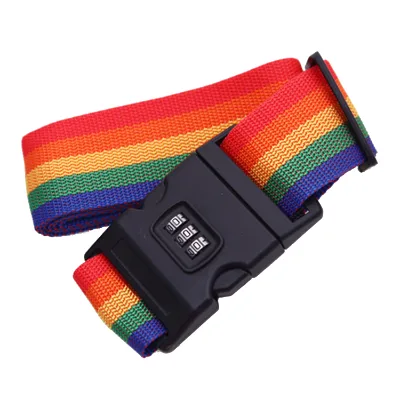


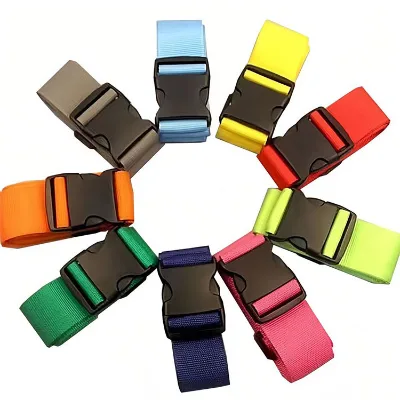


Luggage Strap Leather Luggage Made of PU Leather Luggage Travel Tags Leather
$101.50 - $111.70
MOQ: 50 Sets

Comprehensive Sourcing Guide
Backpack Luggage Strap Sourcing Guide
Sourcing backpack luggage straps requires a careful balance between functional durability and aesthetic customization. These accessories serve as critical connectors between rolling luggage and backpacks, allowing travelers to consolidate their carry-on items for easier navigation through airports and transit hubs. The market offers a wide variety of options, ranging from simple elastic bands to more complex webbing systems with plastic buckles. Buyers must distinguish between basic utility straps and those designed for specific branding or promotional purposes, as the manufacturing processes and material requirements differ significantly. Understanding the core attributes of these products is essential for selecting the right supplier who can meet both performance standards and branding goals.
The procurement landscape for these items is characterized by high flexibility in design and packaging. Suppliers often provide extensive customization options, including logo printing, color selection, and size adjustments. This flexibility allows brands to create cohesive product lines or promotional giveaways that align with their corporate identity. However, this variety also introduces complexity in quality control and specification verification. Buyers need to establish clear technical requirements early in the sourcing process to avoid discrepancies between the ordered product and the final delivery. Clear communication regarding materials, dimensions, and finishing techniques is paramount to ensuring the straps perform as expected under real-world travel conditions.
Product Scope and Observed Listing Signals
The observed market signals indicate a diverse range of product configurations available from suppliers, primarily originating from China. Listings show a wide price range, reflecting differences in material quality, order volume, and customization complexity. The minimum order quantities (MOQ) vary significantly, with some suppliers accepting orders as low as 50 pieces, while others require volumes up to 3,000 pieces. This variance allows buyers to choose suppliers based on their inventory needs, whether they are testing a new product line or fulfilling a large-scale corporate order. The presence of both low-MOQ and high-volume suppliers provides flexibility for businesses of different sizes to enter the market.
Product specifications observed in the market include various widths, such as 20mm and 5cm, and lengths like 17x3cm or 2x90cm. Materials are predominantly polyester, chosen for its strength and resistance to wear. Some products feature plastic locks or buckles, adding functionality for quick release and secure fastening. Packaging methods also vary, with options including OPP bags, export packing, and carton packing. These details suggest that buyers should carefully review the specific model numbers and technical sheets provided by suppliers to ensure the physical dimensions and packaging align with their logistical and retail requirements.
Technical Specifications to Verify
Verifying the technical specifications of backpack luggage straps is crucial for ensuring product compatibility and durability. Buyers should confirm the exact dimensions of the strap, including width and length, as these affect the fit on different types of luggage. The material composition, typically polyester, should be verified for tensile strength and elasticity retention. Additionally, the type of hardware used, such as plastic buckles or clips, must be assessed for durability and ease of use. Suppliers may offer custom sizes, so it is essential to provide precise measurements and tolerance levels to avoid fit issues.
The printing and branding techniques used on the straps also require careful verification. Common methods include screen printing, heat transfer printing, and other logo application processes. Buyers should request samples to evaluate the clarity, color fastness, and adhesion of the printed logos. The choice of printing method can impact the longevity of the branding, especially under conditions of friction and exposure to elements. Furthermore, the packaging details, such as whether items are packed individually in OPP bags or in bulk cartons, should be confirmed to align with the buyer’s distribution strategy.
Compliance and Safety Documentation
While specific certification requirements may vary by destination market, buyers should inquire about the supplier’s compliance with relevant safety and quality standards. Some suppliers may hold certifications such as ISO, which indicates a structured approach to quality management. Additionally, eco-friendly attributes, such as recyclable materials, may be a selling point for environmentally conscious brands. Buyers should request documentation to verify these claims, ensuring that the materials used do not contain harmful substances and that the manufacturing process adheres to environmental regulations.
Safety considerations also extend to the physical design of the straps. The hardware components, particularly plastic buckles, should be free from sharp edges and designed to withstand repeated use without breaking. Buyers should verify that the straps meet any applicable regional safety standards for luggage accessories. Although specific test results may not always be readily available, requesting information on material safety and durability testing can provide insight into the product’s reliability. Ensuring compliance with these standards helps mitigate risks associated with product liability and customer dissatisfaction.
Cost Drivers and Commercial Terms
The cost of backpack luggage straps is influenced by several factors, including material costs, customization complexity, and order volume. Higher customization requirements, such as unique logo designs or specific color matches, can increase production costs. Similarly, smaller order volumes may result in higher per-unit prices due to setup costs and lower economies of scale. Buyers should negotiate pricing based on their expected order quantities and be prepared for price variations depending on the complexity of the design. Understanding these cost drivers allows for more accurate budgeting and forecasting.
Commercial terms, including payment methods and delivery times, are also critical components of the sourcing process. Suppliers typically offer payment terms such as T/T (Telegraphic Transfer), and delivery times can range from a few days for samples to several weeks for bulk orders. Buyers should clarify the lead times for both sample production and mass production to align with their product launch schedules. Additionally, shipping options, including air, sea, and express courier services, should be discussed to determine the most cost-effective and timely delivery method for the order.
Supplier Qualification and Quality Control
Qualifying suppliers involves assessing their production capabilities, quality control processes, and responsiveness. Buyers should request samples to evaluate the physical quality of the straps, including the strength of the webbing, the functionality of the buckles, and the quality of the printing. It is also important to verify the supplier’s ability to handle custom orders, including their flexibility in accommodating specific design requirements. Suppliers with a track record of producing high-quality customized products are more likely to meet the buyer’s expectations.
Quality control measures should be established to ensure consistency across production batches. Buyers should inquire about the supplier’s inspection processes, including pre-production samples and final random inspections. Establishing clear quality standards and acceptance criteria helps minimize the risk of receiving defective products. Additionally, maintaining open communication with the supplier regarding any issues or changes in requirements can facilitate smoother production and delivery. Building a strong relationship with a reliable supplier is key to long-term success in sourcing backpack luggage straps.
Long-Term Procurement Checks
Long-term procurement success depends on continuous monitoring of supplier performance and market trends. Buyers should regularly review supplier performance metrics, such as on-time delivery rates, product quality consistency, and responsiveness to issues. Establishing a system for tracking these metrics helps identify potential problems early and allows for proactive management of the supply chain. Additionally, staying informed about changes in material costs, manufacturing technologies, and consumer preferences can help buyers make informed decisions about future orders.
Sustainability and ethical sourcing practices are increasingly important in the procurement landscape. Buyers should consider the environmental impact of the materials and manufacturing processes used by their suppliers. Inquiring about eco-friendly options, such as recyclable materials or sustainable production methods, can enhance the brand’s reputation and appeal to environmentally conscious consumers. Regularly reviewing and updating sourcing strategies to align with these values ensures that the procurement process remains relevant and responsible in the long term.
FAQs
Can I customize the logo on the Backpack Luggage Strap?
Yes, you can request any logo design on the product. The manufacturer accepts client designs and offers customization services for various models like WM-3314 and L-6009 to meet your specific branding needs.
What is the minimum order quantity for these straps?
The minimum order quantity varies by model, ranging from 50 pieces to 3000 pieces. Some specific models require 500 or 1000 pieces as the baseline for production orders.
How long does it take to receive samples?
Samples are acceptable and typically take 5 to 7 days to prepare. This lead time allows you to verify the quality and specifications before committing to a larger bulk order.
What materials are used to make the luggage straps?
The straps are primarily made from polyester material with plastic locks. This combination ensures durability while maintaining a fashionable style suitable for various luggage and accessory applications.
Which shipping methods are available for delivery?
You can choose to ship by air, sea, or express courier services. The supplier offers flexible shipping options to accommodate different urgency levels and budget constraints for your orders.
What are the standard dimensions for the straps?
Standard widths include 5cm, 20mm, and 2*90cm or 1.5*90cm depending on the model. Some products also offer customized sizes to match specific client requirements exactly.
Is the product eco-friendly and recyclable?
Yes, the product is certified as recyclable and eco-friendly. This feature ensures that the luggage straps meet environmental standards while providing a washable and durable solution for travelers.