Source Bag Corner Protector for School Hospital Home
Compare 30 Bag Corner Protector options from verified suppliers in Guangzhou and Dongguan. Buyers can evaluate features like corrosion resistance, impact protection, and customization for school, hospital, and home applications.
Key considerations
Products List




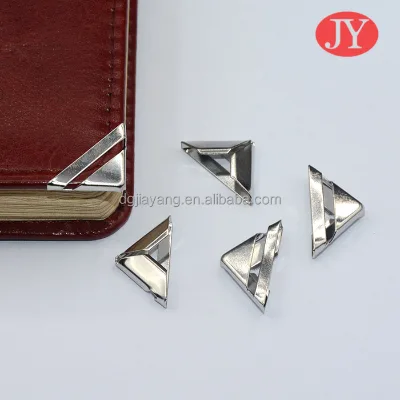
Protector Corners and Edge Protection Paper Corner Protector for Goods
$0.22 - $0.28
MOQ: 50000 Pieces


Comprehensive Sourcing Guide
Strategic Sourcing Guide for Bag Corner Protectors
Navigating the global market for bag corner protectors requires a disciplined approach that balances technical precision with supply chain reliability. These components are critical for maintaining the structural integrity of packaging, particularly for rigid goods that are susceptible to impact damage during transit. The procurement process involves evaluating a diverse range of product attributes, from material composition and geometric shapes to compliance with international safety standards. Buyers must distinguish between generic protective solutions and specialized variants designed for specific industrial or consumer applications. This guide outlines the essential factors for sourcing bag corner protectors effectively, leveraging observed market data and verified product specifications to inform decision-making.
Technical Specifications and Material Composition
The foundational aspect of sourcing bag corner protectors lies in understanding the technical specifications that define their performance. The market offers a variety of models, each tailored to different load-bearing requirements and aesthetic needs. A primary observation in the current supply landscape is the diversity in material composition. While some high-performance protectors utilize durable polymers or reinforced plastics, others are constructed from paper-based materials, indicating a segment focused on sustainability and lightweight applications. The specific model numbers, such as CG76W and CG515, suggest a standardized coding system used by manufacturers to denote dimensions and structural properties.
Geometry plays a pivotal role in the functionality of these protectors. The available shapes include L, U, Semi-Circle, Waved, and Flat configurations, allowing buyers to select the form that best fits the corner geometry of the product being packaged. For instance, an L-shape is often preferred for standard rectangular boxes, while a Semi-Circle might be utilized for rounded edges. The dimensions are equally critical; observed specifications indicate standard lengths of 100cm, with cross-sectional measurements like 1004.51cm being common. However, customization is frequently available, enabling buyers to specify exact sizes such as 50252.5CM to match unique packaging requirements. The presence of adhesive on the back side is another technical feature that simplifies installation, ensuring the protector remains securely attached during handling and shipping.
Compliance, Certification, and Safety Standards
In the B2B sector, compliance is not merely a formality but a prerequisite for market access and liability protection. When sourcing bag corner protectors, buyers must rigorously verify the certification status of potential suppliers. The market data highlights several key certifications that serve as indicators of quality and safety. Products are frequently associated with CE and GS marks, which denote conformity with European health, safety, and environmental protection standards. Additionally, ISO9001 certification is a common benchmark, signaling that the manufacturer adheres to international quality management systems.
Beyond general quality certifications, specific environmental and safety reports are essential. The RoHS report is a critical standard to verify, ensuring that the materials used do not contain restricted hazardous substances. For suppliers targeting the Western market, BSCI (Business Social Compliance Initiative) passed status is a significant differentiator, indicating adherence to ethical labor practices. The color coding of the protectors, such as Black and Yellow or Red Round, often serves a dual purpose: visual identification and safety signaling. In public or industrial settings, these high-visibility colors are mandated to prevent accidents and ensure that the protective measures are easily noticeable. Buyers should request documentation for all listed certifications to validate that the specific batch of products meets the required regulatory framework before finalizing a purchase.
Cost Drivers and Pricing Dynamics
Understanding the cost structure of bag corner protectors is vital for budgeting and negotiation. The observed price range in the market spans from $0.01 to $70 USD, a wide variance that reflects differences in material quality, production complexity, and order volume. The primary cost driver is the material used; paper-based protectors generally occupy the lower end of the price spectrum, offering a cost-effective solution for lightweight goods, while plastic or metal-reinforced variants command higher prices due to superior durability and impact resistance.
Order quantity is another significant factor influencing unit cost. The Minimum Order Quantity (MOQ) varies drastically, ranging from as low as 1 unit to 50,000 units. This flexibility allows small businesses to test products with minimal financial risk, while large-scale manufacturers can leverage economies of scale to reduce per-unit costs. Customization is a major cost variable; while standard models are readily available, requests for custom logos, specific colors, or non-standard dimensions will increase the unit price and potentially extend lead times. The packaging method, whether in PE bags, polybags, or cartons, also impacts the final cost, as more robust packaging solutions incur higher material and labor expenses. Buyers should analyze their total cost of ownership, considering not just the unit price but also the potential savings from reduced product damage and improved logistics efficiency.
Typical Applications and Usage Scenarios
Bag corner protectors serve a wide array of applications across various industries, driven by the need to protect goods during storage and transportation. The observed usage scenarios include schools, hospitals, and residential homes, indicating that these products are essential for both commercial and domestic packaging needs. In the context of public usage, corner protectors often function as warning or caution indicators, utilizing high-visibility colors like black and yellow to alert personnel to potential hazards or to mark protected zones.
The functional requirements vary significantly based on the application. In industrial settings, the primary function is shock-proofing and impact resistance, ensuring that fragile items remain intact despite rough handling. For decorative applications, the focus shifts to aesthetic appeal, with products designed to be "beautiful" and "high visual" while still providing protection. The style of the protector, such as Chinese Style or L Shape, may be selected to align with the branding or cultural context of the end product. Furthermore, the ability to customize the logo allows companies to integrate branding directly onto the protective element, turning a functional component into a marketing tool. Whether for packaging or wall protection, the versatility of these products makes them a staple in supply chains that demand both safety and style.
Supplier Evaluation and Geographic Considerations
Selecting the right supplier requires a thorough evaluation of their capabilities, location, and service offerings. The supply base for bag corner protectors is concentrated in specific regions of China, with Guangzhou and Dongguan in Guangdong province emerging as key manufacturing hubs. These locations benefit from established logistics networks, including the Shenzhen loading port, which facilitates efficient export to worldwide markets. When evaluating suppliers, buyers should verify the origin of the product to ensure it aligns with their sourcing strategy and to anticipate potential logistics costs.
Service capabilities are equally important in the selection process. Suppliers that offer OEM (Original Equipment Manufacturer) and ODM (Original Design Manufacturer) services provide greater flexibility for buyers seeking customized solutions. The availability of online technical support for after-sales service is a critical indicator of a supplier's commitment to long-term partnership. Buyers should also assess the supplier's ability to handle large volumes, given the observed MOQ range up to 50,000 units. A reliable supplier should be transparent about their production capacity, lead times, and quality control processes. Additionally, the ability to provide samples and detailed product specifications, such as the exact model numbers and standard dimensions, is essential for verifying that the supplier can meet specific project requirements.
Quality Control and Long-Term Procurement Strategy
Implementing a robust quality control (QC) strategy is essential to mitigate the risks associated with sourcing bag corner protectors. Given the wide range of performance claims, such as "strong ability to crash" and "corrosion-resistant," buyers must establish clear acceptance criteria. Quality checks should focus on the physical integrity of the product, ensuring that the adhesive is applied correctly and that the shape remains consistent with the specified model. For products claiming to be "opaque" or "folded," visual inspection and functional testing are necessary to confirm that the attributes match the description.
Long-term procurement considerations involve building a sustainable relationship with suppliers who can consistently deliver high-quality products. This includes verifying that the production standards, such as the 1.2m/pc standard or specific size requirements, are maintained across all batches. Buyers should also consider the environmental impact of their sourcing decisions, particularly when selecting between paper-based and plastic materials. A strategic approach involves diversifying the supplier base to reduce dependency on a single source and to ensure continuity of supply in the event of disruptions. Regular audits of supplier facilities, particularly regarding their BSCI and ISO certifications, can help maintain high standards of quality and ethical compliance. By focusing on these long-term factors, buyers can secure a reliable supply of bag corner protectors that meets their operational needs and supports their brand reputation.
Comparative Analysis of Product Attributes
To facilitate informed decision-making, it is helpful to compare the key attributes of available bag corner protectors. The following table summarizes the observed variations in specifications, certifications, and applications, providing a clear overview of the market landscape.
| Attribute Category | Standard/Observed Value | Customization Options | Typical Application |
|---|---|---|---|
| Material | Paper, Plastic, Metal | Available (e.g., Paper vs. Plastic) | Packaging, Wall Protection |
| Shape | L, U, Semi-Circle, Waved, Flat | Available (e.g., L Shape, Custom) | Rectangular Boxes, Rounded Edges |
| Dimensions | 1004.51cm, 100cm Length | Available (e.g., 50252.5CM) | Standard Packaging, Custom Fits |
| Certifications | CE, GS, ISO9001, RoHS, BSCI | N/A (Supplier dependent) | Export Markets, Public Safety |
| Color | White, Black/Yellow, Red Round | Available (Customized) | Industrial Warning, Aesthetic |
| Adhesive | On Back Side | Available (Type/Strength) | Quick Installation |
| Origin | Guangzhou, Dongguan, China | N/A | Worldwide Export |
| Function | Shock-Proof, Heat Preservation | Available (Specific Performance) | Logistics, Storage, Decoration |
This comparison highlights the importance of aligning specific product attributes with the buyer's unique requirements. While standard models offer immediate availability, the availability of customization allows for tailored solutions that enhance product protection and brand identity. By carefully evaluating these attributes, buyers can make strategic sourcing decisions that optimize cost, quality, and performance.
FAQs
What certifications do bag corner protectors typically have?
These products commonly carry CE, GS, and ISO9001 certifications to ensure safety and quality standards. Some suppliers also provide RoHS reports and BSCI passed factory certifications for ethical compliance. Buyers should verify specific batch documentation to confirm adherence to these international standards before purchasing.
Which shapes are available for bag corner protectors?
Available shapes include L, U, Semi-Circle, Waved, and Flat configurations to fit various packaging needs. The L Shape is often preferred for standard rectangular boxes, while other forms suit rounded edges. Custom shapes are also available to match unique product geometries.
Can I customize the size and logo of these protectors?
Yes, customization is available for dimensions, colors, and logos to meet specific branding or sizing requirements. Standard sizes like 100*4.5*1cm can be adjusted, and logos can be printed on the product. This allows for tailored solutions for different industrial or consumer applications.
What materials are used to make bag corner protectors?
Products are constructed from various materials including paper, plastic, and reinforced polymers depending on the application. Paper-based options offer sustainability for lightweight goods, while plastic variants provide superior durability and impact resistance. The material choice depends on the required strength and environmental goals.
Where are Bag Corner Protector manufacturers located?
Manufacturing hubs are concentrated in Guangzhou and Dongguan, Guangdong province, China. These locations benefit from established logistics networks and the nearby Shenzhen loading port for efficient export. Buyers can source from these regions to access a wide range of suppliers and competitive pricing.
How does the minimum order quantity vary for these products?
The minimum order quantity ranges from 1 unit to 50,000 units depending on the supplier and customization level. Small businesses can test products with low MOQs, while large manufacturers leverage higher volumes for cost savings. Customization requests may influence the specific MOQ requirements set by the vendor.