Source Bagging Machine for Flour Rice Starch Applications
Find 30 Bagging Machine options for flour, rice, and starch processing. Compare specifications, motor types, and customization features from verified Chinese suppliers to select the right automatic or semi-automatic filling and sealing solution for your production needs.
Key considerations
Products List
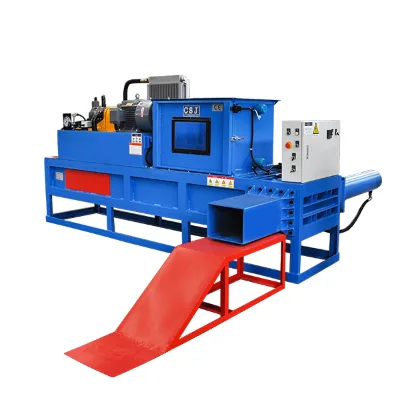


$43000.00 - $45000.00
MOQ: 1 Sets


High Efficiency Two Lines Two Scales Bagging Machine/Packing Machine for Sale
$60000.00 - $70000.00
MOQ: 1 Pieces

Single Line Two Scales Bagging Machine/Packing Machine for Handling Bulk Cargo
$30000.00 - $40000.00
MOQ: 1 Pieces


Comprehensive Sourcing Guide
Strategic Sourcing Guide for Bagging Machines in Global Markets
The global demand for automated packaging solutions has driven significant innovation in bagging machinery, particularly for industries handling dry bulk materials such as flour, rice, starch, and grains. For procurement professionals, navigating the market requires a disciplined approach that distinguishes between verified product attributes and general market expectations. This guide synthesizes available data on bagging machines, focusing on technical specifications, operational capabilities, and the critical evaluation metrics necessary for making informed B2B purchasing decisions. Buyers must prioritize machines that align with their specific material handling needs while ensuring that supplier claims regarding performance and compliance are substantiated by tangible evidence.
Technical Specifications and Operational Capabilities
When evaluating bagging machines, the primary focus must be on the core mechanical components and the specific functional capabilities of the unit. The market offers a diverse range of configurations, from vertical units to those designed for complex forming and sealing operations. A critical observation in the current supply landscape is the variation in core components. While some units are driven by motors and pumps, others rely on engines or pneumatic systems. For instance, specific models in the current inventory are noted to have "Motor" and "Pump" as core components, whereas other listings highlight an "Engine" as the primary driver. This distinction is vital for maintenance planning and energy efficiency assessments.
The driving mechanism of the machine is another key technical differentiator. Buyers will encounter units classified as "Electric" driven, which typically offer consistent speed and control for high-volume operations, as well as "Pneumatic" driven models that may be preferred for specific sealing applications or environments where electrical sparks are a concern. The automatic grade of the machinery also varies significantly. The data indicates the presence of both "Automatic" and "Semi-Automatic" grades. An automatic grade implies a fully integrated system capable of handling the forming, filling, and sealing processes with minimal human intervention, which is essential for high-throughput facilities. Conversely, semi-automatic units may require more operator involvement, potentially affecting labor costs and throughput consistency.
The forming function of the Bagging Machine is equally critical. Advanced units are designed to perform a triad of operations: forming, filling, and sealing. These machines utilize specific forming species, such as "Bag Moulding," to create the bag structure from raw materials like composite materials or plastic before filling them with the target product. The material type handled by these machines ranges from powders to solids and grains. Specific applications listed include flour, rice flour, starch, beans, wheat, snacks, dairy products, and cleaning detergents. This versatility suggests that while some machines are specialized, others are designed as "All" application units capable of handling a wide spectrum of dry and semi-dry goods.
Physical Dimensions and Packaging Standards
The physical footprint and packaging standards of bagging machines are often overlooked during the initial selection phase but are critical for logistics and facility planning. The dimensions of these machines vary widely depending on the model and capacity. Observed specifications include a range of standard sizes, such as 680x1150x1330mm, 1.7x1.02x1.55 meters, and larger industrial units measuring up to 3100x1300x3400mm. Buyers must carefully cross-reference these dimensions with their available floor space to ensure the machine can be installed without requiring costly facility modifications.
Weight is another significant factor in logistics and structural planning. One specific model observed in the market has a weight of 140 kg, which is relatively lightweight for industrial machinery, while other high-capacity units may have different mass profiles. The packaging of the machine for shipment is also standardized in the industry. Common packaging methods include "Wooden Case," "Woodencase," and "Seaworthy Package" or "Sea Transportation" containers. These robust packaging solutions are designed to protect the machinery during international transit, which is a common scenario given that the primary place of origin for these units is China, with specific manufacturing hubs identified in locations like Kaifeng and Hefei.
Compliance, Certification, and Origin Verification
In the context of international procurement, verifying the origin and compliance status of the machinery is paramount. The supplied data confirms that the place of origin for these bagging machines is China, with specific mentions of Kaifeng and Hefei as production locations. This geographical concentration can influence lead times, shipping costs, and the availability of spare parts. Buyers should be aware that while the origin is consistently listed as China, the specific manufacturing city can impact the logistical chain and the nature of the supplier relationship.
Regarding compliance and certification, the market data presents a nuanced picture. While some background information suggests the existence of CE certification as a potential attribute, it is categorized as low-confidence and should not be assumed as a standard feature for every listed product. Buyers must treat certification status as a variable that requires direct verification with the supplier rather than a guaranteed attribute. The presence of a "machinery test report" is a high-confidence fact for some units, indicating that specific models have undergone formal testing procedures. This report serves as a crucial document for validating the safety and performance claims of the machine.
Furthermore, the warranty terms provide a baseline for post-purchase support. A standard warranty period of 1 Year is observed across the available listings. This duration is a critical factor in the total cost of ownership calculation, as it defines the period during which the supplier is responsible for repairs and replacements. Buyers should ensure that the warranty terms are clearly defined in the contract, including what specific components are covered and the response time for service requests.
Cost Drivers and Procurement Economics
The cost of bagging machines is influenced by a complex interplay of factors, including the automatic grade, core components, and the complexity of the forming function. The observed price range in the market is extremely broad, spanning from 10 USD to 10,000,000 USD. This vast disparity indicates that the market includes everything from small, manual or semi-automatic units to large-scale, fully automated industrial lines. Buyers must avoid making assumptions about pricing based on a single data point; instead, they should request detailed quotations that break down the cost based on specific configurations.
The Minimum Order Quantity (MOQ) is another economic factor that affects procurement strategy. The observed MOQ range is between 1 and 4 units. This flexibility allows buyers to start with small pilot orders, which is particularly useful for testing the machine's performance in their specific production environment before committing to larger volumes. The selling units are typically listed as "Single item," suggesting that the pricing is per machine rather than per batch, although bulk discounts may be available for larger orders.
Customization is a significant cost driver in this sector. The data confirms that customization is available for these machines, allowing buyers to tailor the equipment to their specific production lines. This could include modifications to the dimensions, the type of bag moulding, or the integration of specific control systems. While customization adds value, it also extends lead times and increases the initial investment. Buyers should weigh the benefits of a tailored solution against the potential delays and higher costs associated with non-standard manufacturing.
Supplier Evaluation and Quality Assurance
Evaluating suppliers requires a rigorous approach that goes beyond the basic product listing. The availability of a "machinery test report" is a strong indicator of a supplier's commitment to quality. This document should be reviewed to verify that the machine meets the required safety and performance standards. Additionally, the "Long Service Life" and "Wide Range of Application" are highlighted as key selling points. While these are marketing claims, they should be substantiated by the supplier through case studies, customer references, or detailed technical documentation.
The condition of the machines is listed as "New," which is a standard expectation for new procurement. However, buyers should verify the manufacturing date and ensure that the machine has not been stored for extended periods, which could affect the lifespan of electronic components and seals. The "Customized" status of the products suggests that the supplier is capable of adapting their production lines to meet specific client needs. This flexibility is a positive sign of a mature manufacturing operation.
Quality control should be a central part of the procurement process. Buyers should insist on pre-shipment inspections, particularly for machines that are being shipped from China to international destinations. The "Seaworthy Package" and "Wooden Case" packaging standards are good indicators of the supplier's attention to logistics, but they do not replace the need for a physical inspection of the machine's assembly, electrical connections, and mechanical alignment.
Long-Term Procurement and Operational Considerations
Selecting a Bagging Machine is not merely a transactional decision but a strategic investment in the production line's future efficiency. The "Automatic Grade" of the machine will directly impact labor costs and operational consistency. Fully automatic units reduce the reliance on skilled labor but require a higher level of technical expertise for maintenance. Semi-automatic units offer a middle ground, providing automation for the most repetitive tasks while retaining human oversight for quality control.
The application versatility of the machine is another long-term consideration. Machines that can handle a wide range of materials, from rice and flour to snacks and detergents, offer greater flexibility for the buyer. This adaptability allows the production line to respond to market changes without the need for significant capital investment in new equipment. The "Forming Function" of filling, sealing, and forming ensures that the machine can handle the entire packaging process, reducing the need for multiple pieces of equipment and streamlining the workflow.
Finally, the availability of spare parts and technical support is crucial for long-term operations. The "1 Year" warranty provides a safety net, but buyers should also inquire about the availability of spare parts beyond the warranty period. The "Motor," "Pump," and "Engine" components identified in the core components list should be checked for standardization and availability in the global market. Ensuring that these parts are readily available will minimize downtime and protect the investment in the Bagging Machine. By focusing on these long-term factors, buyers can secure a reliable and efficient packaging solution that supports their business growth.
FAQs
What core components are included in these bagging machines?
Core components typically include motors, pumps, or engines depending on the specific model. Some units feature motors and pumps, while others list engines as the primary driver. Buyers should verify the exact component list for the selected model to ensure compatibility with their power systems.
Can these machines handle multiple material types like flour and rice?
Yes, many units are designed for a wide range of applications including flour, rice, starch, beans, and wheat. Some models specifically handle snacks, dairy products, and cleaning detergents. This versatility allows the machinery to adapt to various dry bulk material handling needs without requiring separate equipment.
What is the warranty period for these bagging machines?
The standard warranty period observed for these units is one year. This coverage typically applies to repairs and replacements during the initial operating phase. Buyers should confirm specific warranty terms in the contract to understand what components are covered and the response time for service requests.
How does the automatic grade affect the machine operation?
Machines are available in both automatic and semi-automatic grades to suit different production needs. Automatic units handle forming, filling, and sealing with minimal human intervention, while semi-automatic models may require more operator involvement. The choice impacts labor costs and throughput consistency significantly.
Where are these bagging machines manufactured and shipped from?
The place of origin is China, with specific manufacturing hubs identified in Kaifeng and Hefei. Products are typically shipped using seaworthy packages or wooden cases to ensure safety during international transit. Buyers should account for these locations when calculating lead times and shipping logistics.
What are the minimum order quantities for purchasing these machines?
The minimum order quantity ranges from one to four units depending on the supplier and model. This flexibility allows buyers to start with small pilot orders to test performance before committing to larger volumes. Most listings indicate single item selling units rather than mandatory bulk batches.
Is customization available for these bagging machines?
Customization is available for these machines to tailor equipment to specific production lines. Modifications can include dimensions, bag moulding types, or integration of specific control systems. While customization adds value, it may extend lead times and increase the initial investment compared to standard configurations.