Source Bakhoor Incense Burner for Home, Temple, and Office
Find 30 Bakhoor Incense Burner options from China. Compare ceramic and metal designs in various sizes and colors. Evaluate suppliers based on MOQ, packaging, and shipping ports to find the right fit for your needs; compare the available evidence and request quotations based on your requirements.
Key considerations
Products List
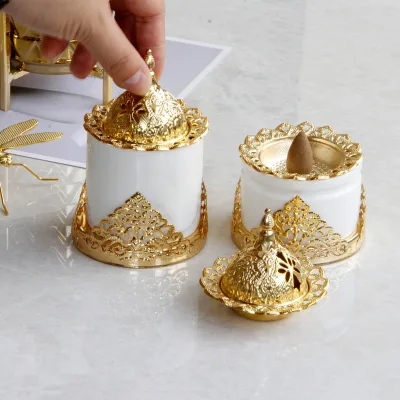
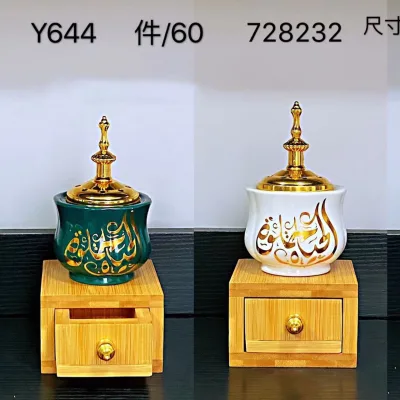
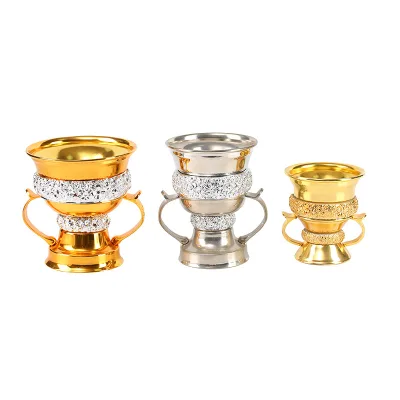
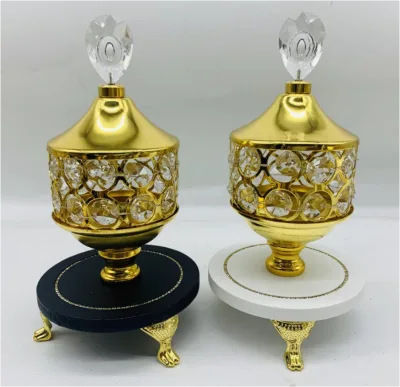
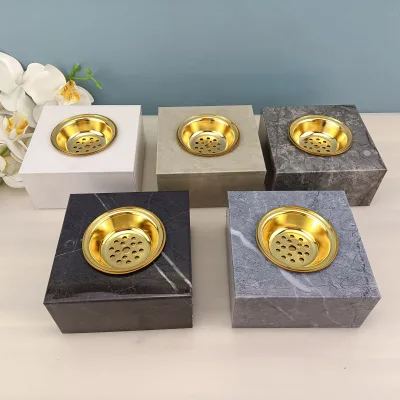
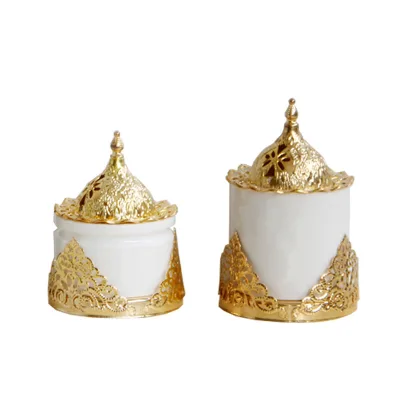
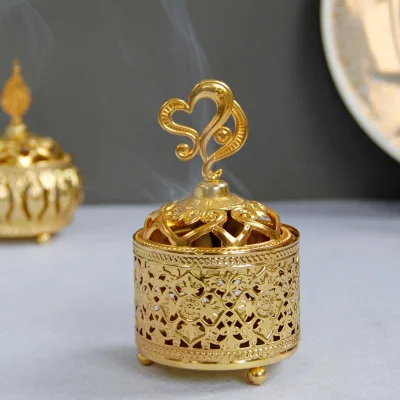
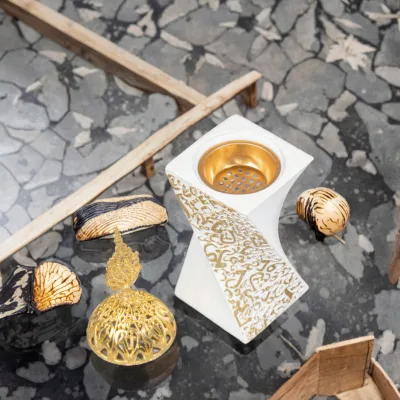
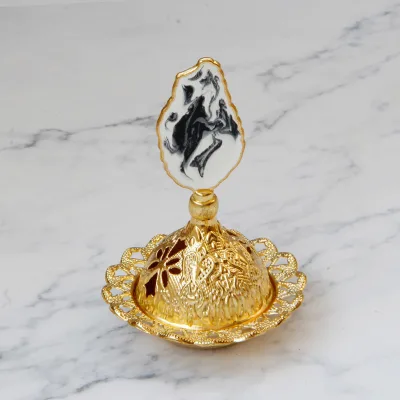
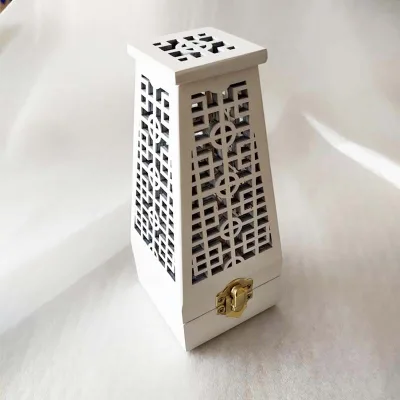


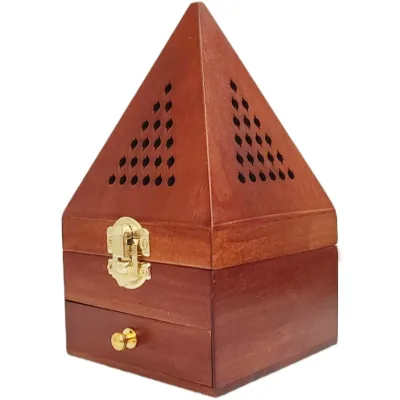
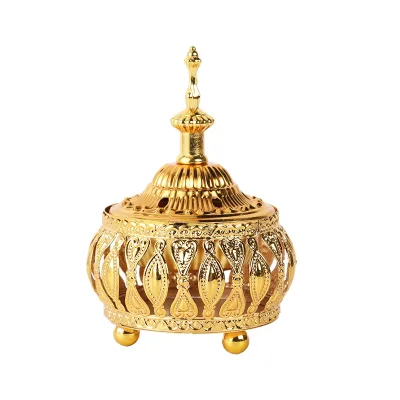
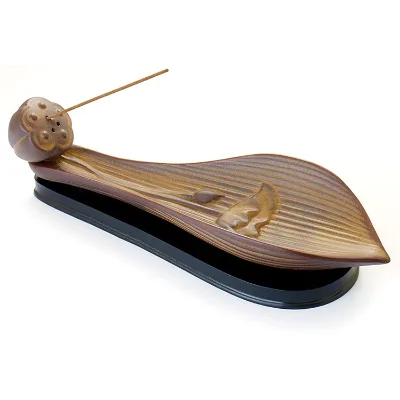
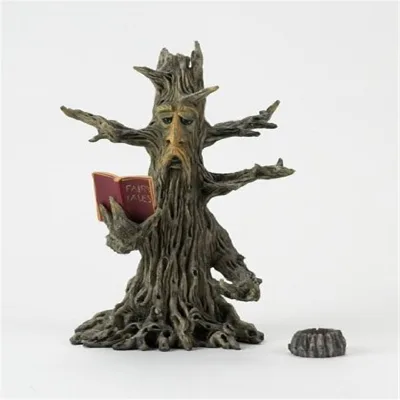
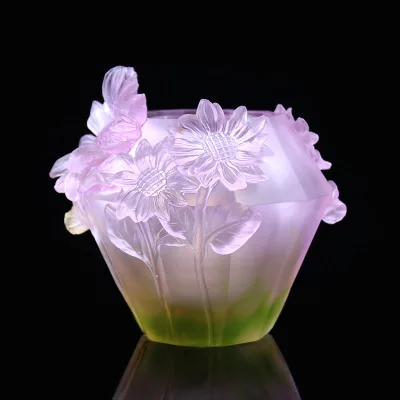
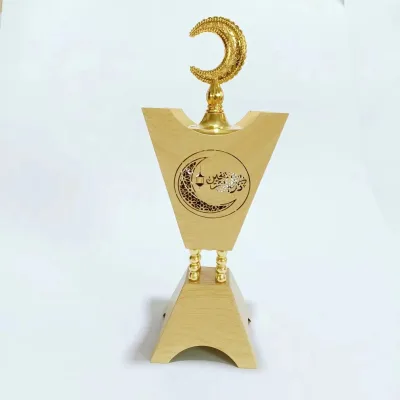
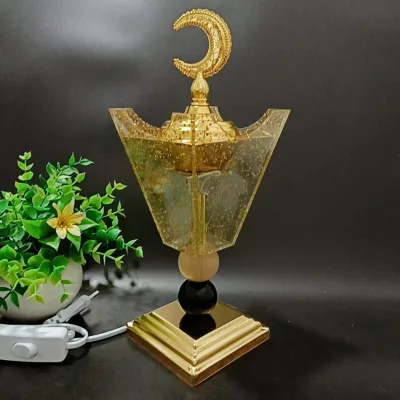
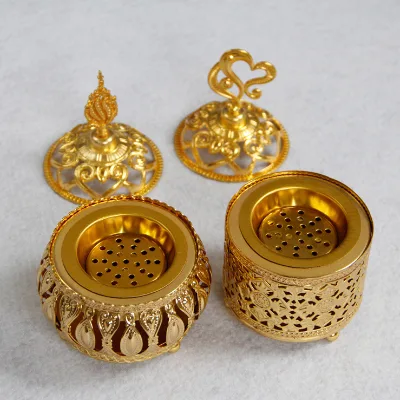
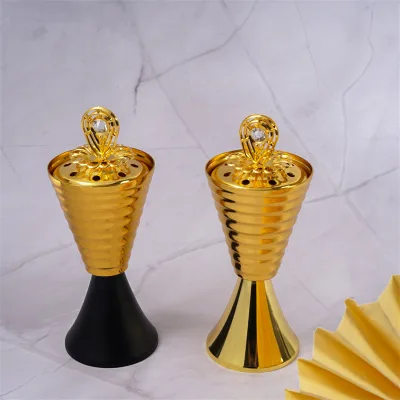


Hot Wholesale Price Arabic Incense Burner Electric Bakhoor Burner for Quran Speakers
$10.86 - $14.65
MOQ: 50 Pieces

Comprehensive Sourcing Guide
Bakhoor Incense Burner Sourcing Guide
Sourcing bakhoor incense burners requires distinguishing between ceramic and metal variants, as the supplied data reveals distinct material profiles ranging from traditional ceramics to iron and metal constructions. Buyers must verify the specific material composition of each listing, noting that some products are explicitly described as ceramic while others are identified as iron or general metal, which directly impacts durability and heat resistance. The observed product attributes indicate a variety of shapes, including round and ear-shaped designs, alongside size variations from small to large dimensions, necessitating careful selection based on the intended usage environment.
Commercial listings for these burners often feature diverse styling cues, such as gold finishes, mixed colors, or specific regional themes like mid-east or Arabic designs. Procurement teams should scrutinize the "Style" and "Color" fields to ensure alignment with target market preferences, as some items are marketed for religious applications while others focus on home fragrance or general decoration. The presence of multiple supply capabilities, ranging from 5,000 pieces per day to 6,000 boxes per week, suggests a robust manufacturing base, yet buyers must confirm if the specific supplier can meet their volume requirements without compromising the distinct aesthetic features of the product.
Product Scope and Observed Listing Signals
The product scope for bakhoor incense burners encompasses a wide array of functional and decorative items, with observed listings highlighting applications in Buddhist temples, indoor decoration, and aromatic home usage. Buyers should note that while some products are labeled specifically for incense, others emphasize broader uses such as collecting or general fragrance enhancement, requiring a clear definition of the primary use case before placing orders. The data indicates that these items are often sold as single units or in mixed color sets, with packaging details varying significantly between color boxes and OPP bags, which influences the final retail presentation and unboxing experience.
Listing signals reveal a high degree of customization potential, with some suppliers offering customized colors and specific model numbers like CH-48 or 01 to differentiate their inventory. The observed price range of 1 to 45 USD suggests a broad spectrum of quality and material value, where lower-priced items may be simple ceramic or iron pieces, while higher-priced options could feature more intricate designs or superior finishes. Procurement professionals must carefully parse the "Product Name" and "Keyword" fields, as terms like "arabic incense burner" or "new design incense burner" signal specific market niches that may require distinct marketing strategies or regulatory compliance checks depending on the destination country.
Technical Specifications to Verify
Technical verification begins with confirming the physical dimensions, as the data presents multiple size specifications ranging from 9.39.311.5cm to 13.213.216cm, alongside general descriptors like "large and small" or "common size." Buyers must ensure that the selected model number corresponds to the exact dimensions required for their specific bakhoor sticks or charcoal, as mismatched sizes can lead to functional failures or safety hazards during use. The shape attributes, including round and ear-shaped designs, also play a critical role in stability and airflow, which are essential for the proper burning of aromatic resins without excessive smoke or uneven combustion.
Material integrity is another critical technical parameter, with listings explicitly stating materials such as ceramic, iron, and metal, each offering different thermal properties and longevity. Ceramic options are often preferred for their heat retention and traditional aesthetic, while iron and metal variants may offer greater durability and modern styling. Buyers should verify the "Ash Content" attribute, noting that some products claim zero ash content, which is a significant performance indicator for cleanliness and ease of maintenance. Additionally, the absence of electrical components, indicated by "Plug Type: Nope," confirms these are passive heating devices, simplifying safety requirements but requiring careful attention to heat dissipation design.
Compliance and Safety Documentation
While the supplied data does not explicitly list specific certification numbers, the presence of a low-confidence background reference to CE suggests that compliance with international safety standards is a relevant consideration for export markets. Buyers should request formal documentation proving that the ceramic, iron, or metal burners meet the fire safety and material toxicity regulations of their target destination, particularly regarding lead content in glazes or heavy metals in metal alloys. The "Feature" field mentioning "new design" implies innovation, but this does not automatically confer safety compliance, necessitating a rigorous review of test reports from accredited laboratories before finalizing any purchase agreement.
Safety documentation must also address the intended usage environment, as these burners are designed for indoor applications including temples and homes where ventilation may be limited. Procurement teams should verify that the supplier provides clear instructions on safe handling, including warnings about hot surfaces and proper placement on heat-resistant stands. Although the data mentions "Season: All-Season" or specific seasons like Spring and Fall, this refers to usage timing rather than environmental durability, so buyers must confirm that the materials can withstand repeated heating cycles without cracking or degrading. Ensuring that the packaging details, such as the strong outer cartons mentioned, include safety warnings is also a prudent step to mitigate liability during transit and retail display.
Cost Drivers and Commercial Terms
Cost drivers for bakhoor incense burners are heavily influenced by material selection, with ceramic and iron variants likely carrying different price points due to raw material costs and manufacturing complexity. The observed MOQ range of 1 to 1000 pieces indicates flexibility, yet specific listings show MOQs of 30, 60, or 64 pieces, suggesting that smaller orders may incur higher per-unit costs or require premium pricing tiers. Buyers should analyze the "Supply Ability" figures, such as 5,000 pieces per day or 6,000 boxes per week, to understand the economies of scale available and negotiate better pricing for larger volume commitments that align with the supplier's production capacity.
Commercial terms vary significantly across listings, with payment options including T/T, Western Union, PayPal, and Alipay, offering buyers multiple channels for financial settlement. The "Packaging Details" section reveals that costs are also affected by packaging choices, such as color boxes versus OPP bags, and the inclusion of mixed colors in a single carton can impact the overall unit cost and shipping efficiency. Buyers must carefully review the "Port of Dispatch" options, which include Yiwu, Ningbo, Shanghai, and Guangzhou, as the choice of port can influence freight costs and lead times. It is essential to clarify whether the quoted price includes the color box packaging or if that is an additional cost, as this can significantly alter the total landed cost calculation.
Supplier Qualification and Quality Control
Supplier qualification should focus on verifying the "Place of Origin," as the data indicates manufacturing hubs in Fujian and Zhejiang, China, both of which are known for ceramic and metalware production. Buyers must confirm that the supplier has a proven track record in producing the specific material type required, whether it is the ceramic burners with gold finishes or the iron variants with mixed colors. The "Brand Name" field shows variations like "HONGQIANG" and "Gold Home," which may indicate different production lines or private label capabilities, requiring due diligence to ensure the brand reputation aligns with the quality expectations of the buyer's market.
Quality control protocols must be established to address the variability in product attributes observed in the listings, such as differences in size, shape, and color consistency. Buyers should implement a pre-shipment inspection process that specifically checks for defects in the ceramic glaze, the structural integrity of the iron or metal frames, and the accuracy of the dimensions against the provided specifications. The "Feature" of "new design" suggests that suppliers may be introducing new molds or patterns, which increases the risk of initial production inconsistencies. Establishing a clear acceptance criteria for color matching and finish quality is crucial, especially when ordering mixed color sets where uniformity across the batch is often expected by end consumers.
Long-Term Procurement Checks
Long-term procurement success depends on maintaining a consistent supply chain capable of meeting fluctuating demand without compromising product quality or design integrity. Buyers should monitor the "Supply Ability" metrics over time to ensure that the supplier can sustain high-volume orders, such as the 5,000 pieces per day capacity, without experiencing delays or quality degradation. Regular communication regarding inventory levels and production schedules is essential, particularly for items with specific model numbers like CH-48, to prevent stockouts during peak seasons when demand for bakhoor burners may surge.
Continuous evaluation of the product's market performance is also necessary, as trends in "Style" and "Application" can shift rapidly between religious, home fragrance, and decorative categories. Buyers should track customer feedback on the "Function" and "Usage" aspects to ensure the burners continue to meet user expectations for safety and aesthetics. Periodic re-verification of the "Material" and "Color" specifications is recommended to confirm that the supplier has not switched to lower-cost alternatives without notice. Finally, maintaining a relationship with the supplier to discuss potential design updates or customization options will help keep the product line competitive and aligned with evolving consumer preferences in the global incense market.
FAQs
What materials are used for bakhoor incense burners?
Bakhoor incense burners are primarily crafted from ceramic and iron. Ceramic options offer a traditional aesthetic suitable for home usage, while iron variants provide durability and a distinct metallic finish. Both materials are selected for their ability to safely hold burning incense, ensuring stable performance during aromatic use in various indoor settings.
Where are bakhoor incense burners manufactured?
These burners are manufactured in China, specifically originating from Fujian and Zhejiang provinces. This regional production ensures access to specialized ceramic and metalworking expertise. The supply chain is robust, with dispatch ports including Ningbo, Shanghai, Guangzhou, and Yiwu, facilitating efficient global logistics for bulk orders and international distribution networks.
What are the typical MOQ requirements for bakhoor incense burners?
Minimum order quantities vary by supplier and product type. Some ceramic models require a minimum of 64 pieces, while iron variants may start at 30 or 60 pieces. Buyers should verify specific MOQs based on the chosen material and design. These thresholds ensure production efficiency and are standard for wholesale transactions in this category.
Can bakhoor incense burners be customized in color?
Yes, customization is available for many bakhoor incense burners. Options include gold finishes, mixed colors, or fully customized color schemes to match specific branding or aesthetic preferences. This flexibility allows buyers to tailor products for diverse markets, ensuring the final items align with target customer expectations and decorative requirements for home or temple use.
What packaging details are provided for bakhoor incense burners?
Packaging typically includes color boxes or OPP bags for individual protection, placed within strong outer cartons. For example, ceramic units may be packed as 60 pieces per carton, while iron items might use 80 pieces per carton. This structured packaging protects the burners during transit and supports efficient inventory management for retailers and distributors.
What shapes are available for bakhoor incense burners?
Common shapes include round designs and specialized forms like ear-shaped burners. These shapes are chosen for their aesthetic appeal and functional stability when holding incense. The variety allows buyers to select styles that best fit their market, whether for traditional religious settings, modern home decoration, or specific cultural preferences in aromatic usage.