Source Baking Pine Flavor for Bread, Cake, and Cookies
Find 30 verified suppliers offering Baking Pine Flavor in liquid and powder forms. Compare specifications, certifications, and pricing for food-grade ingredients suitable for bread, cake, and biscuit production.
Key considerations
Products List


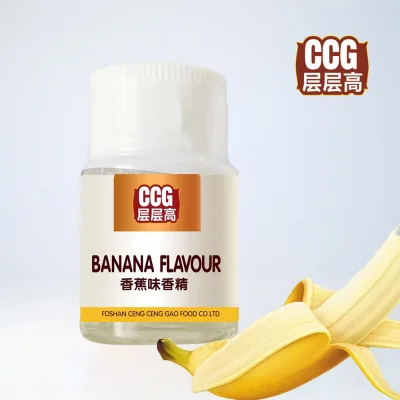
Factory Supply Banana Flavor Among Bakers and Candy Makers and Ingredient to boost Final Product
$16.00 - $18.00
MOQ: 1000 kilograms


Comprehensive Sourcing Guide
Strategic Sourcing Guide for Baking Pine Flavor Ingredients
Procuring high-quality Baking Pine Flavor requires a disciplined approach that balances sensory profile accuracy with rigorous supply chain verification. The market for pine-flavored ingredients in the baking sector is diverse, ranging from synthetic formulations to natural extracts, each serving distinct culinary applications. Buyers must navigate a landscape where product attributes vary significantly between suppliers, necessitating a clear understanding of technical specifications, regulatory compliance, and cost structures before initiating any procurement cycle. This guide outlines the essential steps for sourcing pine flavor for bread, cakes, biscuits, and cookies, ensuring that the final product meets both consumer expectations and safety standards.
Technical Specifications and Formulation Characteristics
The foundation of successful sourcing lies in verifying the physical and chemical properties of the pine flavor. In the current market, pine flavor ingredients are available in multiple forms, primarily liquid and powder, to accommodate different manufacturing processes. Liquid forms are often preferred for direct mixing into batters and icings, offering immediate solubility, while powder forms provide better stability for dry mixes and extended shelf life in specific environments. The state of the product is a critical observation; while some listings indicate a liquid state, others describe a powder form, and the buyer must confirm the specific form required for their production line.
Solubility is another paramount technical attribute. Effective baking flavors must exhibit both water and oil solubility to ensure uniform distribution within the complex matrix of baked goods, which often contain both aqueous and lipid phases. The color profile is typically described as colorless or light yellow, ensuring that the flavoring agent does not alter the visual appeal of the final product. The odor is characterized as having a characteristic pine scent, often described as a fresh aroma, which is essential for delivering the desired sensory experience. Furthermore, the purity of the ingredient is a key differentiator, with many suppliers claiming 100% purity for their food-grade additives. Buyers should verify these claims against the specific batch analysis provided by the manufacturer.
The main substances in these products are identified as food flavor ingredients, specifically designed for applications in beverages, ice cream, pastries, chewing gum, and baking. The type of flavor can be categorized as either synthetic or natural, a distinction that impacts both cost and regulatory labeling. Synthetic flavors, often derived through chemosynthesis, offer consistent profiles and lower costs, while natural flavors may command a premium but appeal to consumers seeking clean-label products. The specific model or standard designation, such as GB30616 or other internal codes, serves as a reference for the formulation's compliance with specific regional food safety regulations.
Regulatory Compliance and Certification Verification
Navigating the regulatory landscape is non-negotiable when sourcing food additives for international trade. Certification acts as the primary proof of a supplier's adherence to safety and quality standards. The most common certifications observed in the sector include ISO and ISO22000, which indicate a robust management system for food safety. Additionally, Halal certification is frequently required for markets in the Middle East and Southeast Asia, ensuring the product is permissible for consumption by Muslim communities.
Beyond general food safety standards, specific documentation is essential for import clearance and quality assurance. Certificates of Analysis (COA) and Material Safety Data Sheets (MSDS) are standard requirements that provide detailed information on the chemical composition and safety handling procedures. The International Fragrance Association (IFRA) standards are also relevant, particularly for ensuring that the fragrance components used in the pine flavor are within safe usage limits. Some suppliers may also list CE certification, though this is more common for industrial equipment; its presence in a food ingredient context should be scrutinized to ensure it refers to the correct regulatory framework.
Buyers must also verify the product's origin, which is predominantly listed as China. While this does not preclude quality, it necessitates a thorough review of the supplier's export history and compliance with the importing country's specific food regulations. The standard designation, such as CBM or OEM specifications, should be cross-referenced with local laws to ensure the product is legally marketable. The absence of these certifications or the inability to provide them upon request should be treated as a significant red flag, indicating a potential risk to the supply chain's integrity.
Cost Drivers and Economic Factors
The pricing structure for Baking Pine Flavor is influenced by several variables, including the type of flavor (natural vs. synthetic), the grade of the product, and the packaging requirements. The observed price range in the market spans from $0.10 to $200, a wide disparity that reflects differences in concentration, purity, and brand positioning. High-grade, natural pine flavors with complex extraction processes will naturally command higher prices compared to synthetic alternatives.
Minimum Order Quantity (MOQ) is a critical economic factor that impacts the total cost of ownership. The market shows a broad MOQ range, from as low as 5kg for sample or trial orders to 2400kg for bulk industrial contracts. A specific observation in the data indicates an MOQ of 500kg for certain bulk listings, while others offer flexibility down to 5kg. Buyers must align their order volume with their production capacity to avoid excessive inventory costs or stockouts. The packaging material also plays a role in cost; laminated materials in bags, buckets, or cartons are standard, but the specific dimensions and weight limits (e.g., 1kg, 5kg, 25kg, 50kg) affect shipping logistics and handling expenses.
Lead times and transportation methods further influence the final cost. Typical transportation windows are estimated at 3-5 days for regional deliveries, but international shipping can vary significantly based on the supplier's location and the chosen logistics partner. Buyers should factor in these lead times when planning production schedules to ensure continuity of supply. Additionally, the availability of free samples, often provided in quantities of 20g or 30ml, allows buyers to conduct preliminary cost-benefit analyses without significant financial commitment.
Typical Applications in Baking and Confectionery
Pine flavor is a versatile ingredient used across a wide spectrum of food applications, with a strong emphasis on the baking sector. The primary applications include bread, cake, biscuits, and cookies, where the distinct pine aroma can enhance the sensory profile of the product. The flavor is also utilized in beverages, ice cream, and chewing gum, demonstrating its adaptability to different food matrices. The specific usage scenarios often depend on the form of the flavor; liquid flavors are ideal for direct incorporation into liquid batters and fillings, while powder flavors are better suited for dry mixes and dusting applications.
The versatility of the flavor extends to its compatibility with various food types, including milk essences and other dairy-based products. The solubility profile ensures that the flavor integrates seamlessly into both water-based and oil-based systems, making it suitable for a diverse range of recipes. For instance, in cake production, the fresh aroma of pine can provide a refreshing contrast to sweet, rich ingredients, while in biscuits, it can offer a subtle, earthy note that complements the crunch and texture. The ability to customize the flavor, including offering different tastes through OEM services, allows manufacturers to create unique product identities that stand out in a competitive market.
Supplier Evaluation and Selection Criteria
Selecting the right supplier requires a multi-faceted evaluation process that goes beyond price comparisons. Buyers should prioritize suppliers who demonstrate transparency in their product attributes, such as clearly stating the state, form, and packaging of the pine flavor. The availability of customization options, including OEM services for different taste profiles, is a strong indicator of a supplier's flexibility and commitment to meeting specific client needs.
Reputation and reliability are also crucial. Suppliers with a history of providing free samples, such as 20g or 30ml quantities, allow buyers to test the product's quality before committing to a larger order. The presence of comprehensive documentation, including COA, MSDS, and various certifications, is a testament to the supplier's adherence to quality standards. Buyers should also assess the supplier's production capacity and lead times to ensure they can meet demand fluctuations. The specific model numbers and standard designations provided by the supplier should be verified against the buyer's internal requirements to ensure compatibility.
Quality Control and Storage Protocols
Maintaining the quality of pine flavor throughout the supply chain is essential for preserving its sensory attributes. The recommended storage method for many products is a cool, dry place, although some listings specify frozen storage, indicating the need for temperature-controlled logistics for certain formulations. The shelf life of the product is another critical factor, with observed ranges extending from 12 months to 24 months. Buyers must ensure that the product they receive has sufficient remaining shelf life to accommodate their production and distribution timelines.
Quality control measures should include regular testing for purity, solubility, and odor consistency. The characteristic odor and fresh aroma of the pine flavor should remain stable over the product's shelf life, provided that storage conditions are maintained. The packaging material, often laminated, plays a vital role in protecting the flavor from external contaminants and moisture. Buyers should inspect the packaging for integrity upon receipt and verify that the product has not been exposed to extreme temperatures or humidity during transit.
Long-Term Procurement Considerations
Sourcing pine flavor is not a one-time transaction but a long-term partnership that requires ongoing management. Buyers should establish clear communication channels with their suppliers to address any issues related to product consistency, supply disruptions, or regulatory changes. The ability of the supplier to provide consistent quality over time is paramount, especially for brands that rely on a specific flavor profile to maintain customer loyalty.
Flexibility in order quantities and lead times is also important for adapting to market demands. Suppliers who offer a range of packaging options, from small 1kg units to large 50kg drums, provide the scalability needed for different production volumes. Additionally, the availability of customization services allows buyers to innovate and respond to changing consumer preferences without being locked into a single formulation. By focusing on these long-term factors, buyers can build a resilient supply chain that supports their business growth and ensures the consistent delivery of high-quality baked goods.
FAQs
What forms of Baking Pine Flavor are available?
Baking Pine Flavor is available in both liquid and powder forms to suit different production needs. Liquid options offer immediate solubility for batters, while powders provide stability for dry mixes. Both forms are designed for applications in bread, cake, and biscuits.
Which certifications do pine flavor suppliers typically hold?
Suppliers commonly hold ISO and ISO22000 certifications to ensure food safety standards. Additional documentation often includes Halal, COA, MSDS, and IFRA compliance. These certifications verify that the product meets international regulatory requirements for export and consumption.
Can I request free samples before placing a large order?
Yes, free samples are frequently provided in quantities of 20g or 30ml for evaluation. This allows buyers to test the characteristic odor and fresh aroma before committing to bulk purchases. Sample availability helps verify product quality and solubility in your specific recipes.
What is the minimum order quantity for pine flavor ingredients?
Minimum order quantities vary significantly, ranging from 5kg for trial orders to 500kg for bulk industrial contracts. Some listings specify 500kg as a standard threshold, while others offer flexibility down to 5kg. Buyers should align their order volume with production capacity to manage costs effectively.
How should Baking Pine Flavor be stored to maintain quality?
The product should be stored in a cool, dry place, though some formulations require frozen storage. Proper storage preserves the shelf life, which ranges from 12 to 24 months. Laminated packaging in bags, buckets, or cartons protects the flavor from moisture and contaminants during transit.
Is customization available for pine flavor profiles?
Customization is available through OEM services that allow for different taste flavors. Suppliers can adjust the formulation to meet specific brand requirements for bakery applications. This flexibility enables manufacturers to create unique sensory profiles for their baked goods.
What is the typical lead time for transportation?
Typical transportation windows are estimated at 3 to 5 days for regional deliveries. International shipping times may vary based on the supplier's location in China and logistics partners. Buyers should factor in these lead times when planning production schedules to ensure supply continuity.