Source Custom Bathrobe Designs for Hotels, Spas, and Homes
Explore 30 listings for custom Bathrobe options featuring cotton materials, embroidery, and quick-drying fabrics. Compare specifications for hotel, spa, and home use, including size charts, packaging details, and customization availability from China-based suppliers.
Key considerations
Products List







Comprehensive Sourcing Guide
Bathrobe Sourcing Guide
Sourcing bathrobes for B2B distribution requires a nuanced understanding of material performance, customization capabilities, and supply chain logistics. The market offers a diverse range of options, from casual home wear to specialized hotel amenities, each demanding specific verification steps to ensure product quality and commercial viability. Buyers must navigate varying technical specifications, such as weave types and fabric compositions, while aligning these with their target market’s seasonal and functional expectations. This guide provides a structured approach to evaluating Bathrobe suppliers, focusing on evidence-based decision-making and risk mitigation throughout the procurement lifecycle.
The following sections detail the critical aspects of Bathrobe sourcing, including product scope, technical verification, compliance requirements, cost analysis, supplier qualification, and long-term procurement strategies. By adhering to these guidelines, buyers can establish robust sourcing channels that balance cost efficiency with quality assurance. The focus remains on actionable insights derived from observed market signals and standard industry practices, ensuring that procurement decisions are grounded in factual data and practical experience rather than speculative claims.
Product Scope and Observed Listing Signals
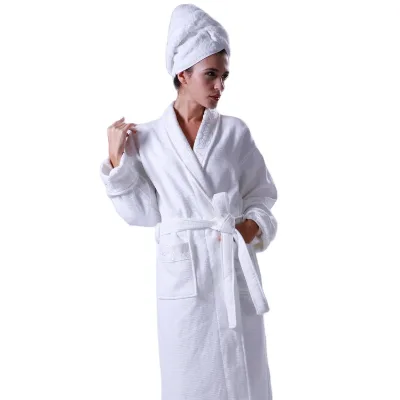
The Bathrobe market encompasses a wide variety of product types, including robes, rompers, and specialized hotel amenities, catering to different consumer segments and use cases. Observed listings indicate a strong emphasis on customization, with many suppliers offering tailored designs, logos, and packaging solutions to meet specific brand requirements. Materials predominantly feature cotton, including 100% cotton options, which are valued for their breathability and comfort, making them suitable for both summer and spring/autumn seasons. Functional attributes such as warmth, coolness, and comfort are frequently highlighted, reflecting the diverse needs of end-users ranging from casual home wear to professional hospitality settings.
Listing signals also reveal significant variability in product specifications, with models ranging from basic casual styles to more elaborate designs featuring embroidery, dobby patterns, and quick-drying technologies. Sizes are often standardized, with options like Large (L) available, though many suppliers recommend referring to detailed size charts to ensure accurate fit, particularly for unisex or adult-oriented products. Packaging methods vary from individual OPP bags to export cartons, with dimensions and weights provided to assist in logistics planning. These signals suggest that buyers should prioritize suppliers who offer transparent and detailed product information, as this facilitates more accurate inventory management and customer satisfaction.
Technical Specifications to Verify
Verifying technical specifications is crucial to ensuring that the bathrobes meet the intended functional and aesthetic requirements. Buyers should confirm the weave type, such as knitting or weaving, as this directly impacts the fabric’s texture, durability, and drape. Material composition must be explicitly stated, with a preference for 100% cotton or clearly defined blends to avoid discrepancies in product performance. Sleeve style, whether long sleeve or customized, and overall style, such as casual or fancy, should align with the target market’s preferences. Additionally, features like pattern types, including embroidery or printed logos, and color options, such as white or custom shades, require precise verification to match brand identity.
Packaging and dimensional specifications are equally important for logistics and storage efficiency. Buyers should verify single package dimensions, gross weight, and packing methods, such as individual OPP bags or export cartons, to calculate shipping costs and warehouse space requirements accurately. Model numbers and product codes should be cross-referenced with supplier catalogs to ensure consistency in ordering and inventory tracking. Furthermore, customization options, including logo printing, labeling, and design alterations, must be clearly defined in terms of feasibility, cost implications, and minimum order quantities. These technical details form the foundation of a successful procurement agreement, minimizing the risk of post-delivery disputes.
Compliance and Safety Documentation
Compliance and safety documentation are essential for ensuring that bathrobes meet regulatory standards and consumer safety expectations. Buyers should request evidence of material safety certifications, such as OEKO-TEX, which verifies that the fabrics are free from harmful substances and safe for skin contact. Although specific certification status may vary by supplier, obtaining documentation for such standards is a best practice to mitigate health risks and enhance product credibility. Additionally, suppliers should provide information on production standards and quality control processes, ensuring that the bathrobes adhere to recognized industry benchmarks for durability and performance.
Labeling and care instructions must also be verified to ensure compliance with local regulations regarding product information and consumer guidance. Labels should include accurate material composition, care instructions, and manufacturer details, facilitating proper use and maintenance by end-users. Buyers should also inquire about any specific safety tests or inspections conducted by the supplier, such as colorfastness or shrinkage tests, to ensure the product’s longevity and appearance retention. By prioritizing compliance and safety documentation, buyers can protect their brand reputation and ensure that their bathrobes meet the highest standards of quality and consumer trust.
Cost Drivers and Commercial Terms
Cost drivers in Bathrobe sourcing include material quality, customization complexity, order volume, and packaging requirements. High-quality materials, such as 100% cotton, and intricate designs, like embroidery or custom patterns, typically increase production costs. Buyers should negotiate clear pricing structures that account for these variables, ensuring transparency in cost allocation. Minimum order quantities (MOQs) also play a significant role in pricing, with lower MOQs often resulting in higher per-unit costs. Understanding these dynamics allows buyers to optimize their orders for cost efficiency while maintaining desired quality levels.
Commercial terms, including payment methods, production lead times, and shipping arrangements, must be clearly defined to avoid misunderstandings. Buyers should establish agreements on production timelines, which may vary based on order quantity and customization requirements, and ensure that these align with their inventory and sales cycles. Shipping terms, such as FOB or CIF, should be specified to clarify responsibility for transportation costs and risks. Additionally, policies for sample provision, returns, and defect resolution should be outlined to protect the buyer’s interests. By negotiating favorable commercial terms, buyers can enhance their supply chain resilience and financial predictability.
Supplier Qualification and Quality Control
Supplier qualification is a critical step in ensuring reliable and consistent Bathrobe production. Buyers should assess suppliers’ manufacturing capabilities, including their experience with cotton fabrics, customization processes, and quality control systems. Requesting references or case studies from previous clients can provide insights into the supplier’s reliability and product quality. Additionally, verifying the supplier’s location, such as Guangdong, China, and their production facilities, helps in evaluating their logistical efficiency and compliance with local regulations. A thorough supplier audit, whether on-site or virtual, can reveal potential risks and opportunities for collaboration.
Quality control measures should be integrated into the procurement process to ensure that the bathrobes meet specified standards. Buyers should establish clear quality criteria, including material composition, stitching integrity, and finish quality, and request pre-production samples for approval. Implementing in-process inspections and final random inspections can help identify and rectify defects before shipment. Additionally, suppliers should provide documentation of their quality control processes, including testing results and inspection reports, to demonstrate their commitment to product excellence. By prioritizing supplier qualification and quality control, buyers can minimize the risk of receiving substandard products and enhance customer satisfaction.
Long-Term Procurement Checks
Long-term procurement checks involve continuous monitoring and evaluation of supplier performance to ensure sustained quality and reliability. Buyers should establish key performance indicators (KPIs) related to delivery times, product quality, and customer satisfaction, and regularly review these metrics to identify areas for improvement. Feedback loops with end-users and internal stakeholders can provide valuable insights into product performance and market trends, enabling proactive adjustments to sourcing strategies. Additionally, maintaining open communication with suppliers fosters collaboration and innovation, leading to enhanced product offerings and competitive advantages.
Regular audits and reassessments of supplier capabilities are essential to adapt to changing market conditions and regulatory requirements. Buyers should stay informed about industry developments, such as new material technologies or sustainability initiatives, and evaluate their suppliers’ alignment with these trends. Building a diversified supplier base can mitigate risks associated with single-source dependencies, ensuring continuity of supply and flexibility in sourcing decisions. By implementing robust long-term procurement checks, buyers can cultivate resilient and adaptive supply chains that support their business growth and market competitiveness.
FAQs
What materials are used for the bathrobes?
The bathrobes are made from 100% Cotton or Cotton blends. This material choice ensures comfort and warmth while providing a soft texture suitable for home use or hotel settings.
Can I request a custom design for the Bathrobe?
Yes, custom design is available for these bathrobes. Buyers can request specific logos, patterns, or styles, and the production time will be adjusted according to the order quantity.
What is the minimum order quantity for these items?
The minimum order quantity is 1000 pieces for custom orders. Some listings may allow lower quantities, but the standard requirement for customized production is set at this threshold.
Where are these bathrobes manufactured?
These bathrobes originate from China Mainland, specifically Guangdong. The products are packed in export cartons or single OPP bags depending on the specific listing requirements.
Are free samples available for testing the product?
Free samples are available for buyers to evaluate the quality. This allows potential clients to check the fabric, stitching, and overall finish before committing to a larger purchase order.
What packaging options are provided for the bathrobes?
Packaging options include single pieces in OPP bags or export cartons. Custom packaging is also available to meet specific buyer requirements for branding or shipping efficiency.