Source Beard Conditioning Oil for Growth, Softening, and Care
Find 30 listings for Beard Conditioning Oil from verified suppliers offering OEM services. Compare capacities, raw materials, and certifications to select the right option for your brand needs.
Key considerations
Products List


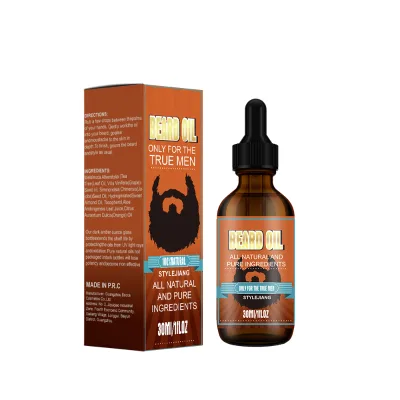
Facial Care Liquid Men's Beard Oil After Shave Water Moisturizing Beard Oil
$2.30 - $2.50
MOQ: 1000 Pieces

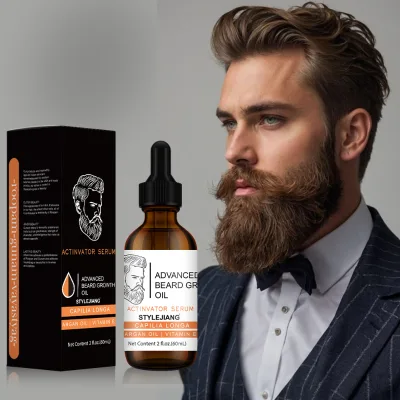
Advanced Beard Conditioner Keeps Facial Hair Soft and Moisturizes Skin Beard Oil
$1.62 - $2.32
MOQ: 3000 Pieces


Natural Hair Growth Customized Men Hair Styling Organic 100% Beard Growth Oil
$1.80 - $2.30
MOQ: 3000 Pieces


Profession Men Beard Care Moisturizing Grooming Health Gift Beard Growth Oil
$1.90 - $2.30
MOQ: 1000 Pieces



Comprehensive Sourcing Guide
Strategic Sourcing Guide for Beard Conditioning Oil Procurement
The global market for men's grooming products has seen a significant surge in demand for specialized beard care solutions, with Beard Conditioning Oil emerging as a critical category for both private label brands and established retailers. Sourcing this product requires a disciplined approach that balances technical specifications, regulatory compliance, and supply chain reliability. Buyers must navigate a complex landscape where product formulations vary from pure essential oils to compound blends, each carrying distinct manufacturing requirements and quality assurance protocols. This guide provides a structured framework for evaluating potential suppliers and ensuring the procurement of high-quality beard conditioning oils that meet specific market needs.
Understanding Product Formulations and Technical Specifications
The first step in sourcing Beard Conditioning Oil is a rigorous analysis of the product's technical specifications. The market offers a diverse range of formulations, including pure essential oils, compound essential oils, and specialized blends designed for beard growth and conditioning. A critical distinction lies in the raw materials used. Suppliers may utilize seeds, flowers, or leaves as the primary source for their extracts. For instance, some products are derived specifically from seed-based raw materials, while others rely on floral or leafy botanicals. The grade of separation is equally important; high-quality procurement targets "Pure Grade" materials to ensure the integrity of the final product.
Capacity and volume are primary differentiators in this category. Market observations indicate that beard oils are commonly available in 30ml, 50ml, and 95ml configurations, with some larger formats reaching 120ml. The packaging standard often dictates the minimum order quantity (MOQ) and logistics planning. For example, a 50ml product might be packed at 144 pieces per carton, whereas a 30ml variant could be packed at 120 pieces per carton. Buyers must verify the specific prod_standard and prod_model associated with their desired volume. Some suppliers offer OEM/ODM models where the standard is defined by the client's specific requirements, such as 60ml or 30ml/pcs, while others adhere to fixed standards like 95ml/pcs.
The application area is another technical parameter that influences formulation. While some essential oils are designed for general body application, beard-specific oils are formulated for facial skin and hair follicles. The "Face" application specification requires a higher degree of purity and safety testing compared to body products. Furthermore, the method of extraction, whether cold-pressed or steam-distilled, impacts the chemical profile and shelf life of the oil. Buyers should explicitly request the extraction method to ensure it aligns with their brand's quality standards.
Compliance, Certification, and Regulatory Standards
Navigating the regulatory landscape is paramount for importing cosmetic and personal care products. The beard oil market is subject to stringent safety and quality standards, particularly in regions like North America and the European Union. Suppliers should possess recognized certifications such as GMP (Good Manufacturing Practice), which ensures that products are consistently produced and controlled according to quality standards. Additionally, MSDS (Material Safety Data Sheet) documentation is essential for shipping and handling, providing critical information on the chemical composition and safety precautions.
CE certification is another key indicator of compliance, particularly for products entering the European market. This certification verifies that the product meets health, safety, and environmental protection standards. However, buyers must verify that these certifications are current and applicable to the specific product model being sourced. The presence of certifications like MSDS, CE, and GMP suggests a supplier's commitment to quality, but they should not be accepted as a blanket guarantee without verification of the specific batch and production facility.
Purity claims are often a central part of marketing but require strict verification. Products labeled as "100% Pure Nature" or "Organic" must be backed by third-party testing results. While some suppliers list "Organic" as an ingredient attribute, buyers should demand certificates of analysis (CoA) to confirm the absence of synthetic additives, pesticides, or contaminants. The "Pure Grade" separation mentioned in product specifications is a positive indicator, but it must be corroborated by laboratory reports. Without these documents, the risk of non-compliance with local regulations increases significantly.
Cost Drivers and Pricing Structures
The pricing of Beard Conditioning Oil is influenced by a complex interplay of factors, including raw material costs, packaging complexity, and order volume. The observed price range in the market spans from $0.50 to $100 per unit, a wide variance that reflects differences in formulation quality, brand positioning, and order quantity. Low-cost options often utilize generic essential oil blends and standard packaging, while premium products command higher prices due to the use of rare botanicals, organic certifications, and custom design services.
Minimum Order Quantity (MOQ) is a significant cost driver. Suppliers may offer flexible MOQs ranging from as low as 1 unit for sampling to 3000 units for bulk production. However, specific high-volume or custom-formulation orders often come with a higher threshold, such as an MOQ of 1000 units or more. Buyers must balance the desire for lower unit costs against the financial risk of holding inventory. The "Private Customized Packaging" option, while attractive for branding, typically increases the per-unit cost due to the setup and printing expenses involved.
Payment terms also play a role in the overall cost structure. Standard terms include T/T (Telegraphic Transfer), Western Union, and Money Gram. Buyers should negotiate terms that align with their cash flow, such as a deposit followed by a balance upon shipment. The lead time, which typically ranges from 14 to 21 days for standard orders, can impact inventory planning and associated holding costs. Rush orders or custom formula development may extend this timeline, requiring careful coordination to avoid stockouts.
Typical Applications and Market Positioning
Beard conditioning oils serve multiple functions beyond simple moisturization. The primary application is beard care, focusing on softening facial hair, reducing itchiness, and promoting a healthy appearance. Advanced formulations often claim additional benefits such as beard growth, anti-loss properties, and nourishment. These functional claims, including "Moisturizing," "Beard Growth," and "Reparing" (Repairing), "Nourihsing" (Nourishing), and "Anti-Loss," must be substantiated by the product's ingredient profile.
The target demographic for these products is primarily adults, though some formulations are designed for "All Ages." The "Anti-Frizz" feature is a specific attribute that addresses the texture and manageability of the beard, making it a key selling point for consumers with coarse or unruly hair. The "Private Label" availability allows brands to position these oils as exclusive products, leveraging the "Custom Formula," "Design," "Packing," and "Shooting" services offered by suppliers to create a unique market identity.
Understanding the application context helps in selecting the right product. For instance, a product with "Seeds" as the raw material might be marketed as a natural, earthy solution, while "Flowers" might appeal to a more aromatic, luxury segment. The "Compound Essential Oil" type suggests a blend of multiple scents and benefits, whereas "Pure Essential Oil" offers a singular, potent experience. Buyers should align the product's application and feature set with their specific brand narrative and customer expectations.
Supplier Evaluation and Service Capabilities
Evaluating a supplier goes beyond checking certifications; it involves assessing their operational capabilities and service flexibility. The "Supply Type" of OEM/ODM indicates that the supplier is equipped to handle both Original Equipment Manufacturing and Original Design Manufacturing. This flexibility is crucial for brands looking to customize their products. Key service offerings include custom formula development, design assistance, packaging customization, and even shooting services for marketing materials.
The location of the manufacturing facility is a critical factor in logistics and quality control. Many suppliers are based in China, with specific hubs like Guangdong known for their robust manufacturing infrastructure. The "prod_origin" being listed as China or Guangdong China suggests a mature supply chain, but buyers should verify the specific factory location to assess transportation costs and potential geopolitical risks. The "Disposable" attribute being "Non-Disposable" confirms that the product is intended for repeated use, which is standard for oil-based grooming products.
Supplier reliability is often reflected in their ability to meet lead times and handle customization requests. A lead time of 14-21 days is standard, but complex customizations may require longer periods. Buyers should establish clear communication channels to track production progress and ensure that the final product matches the agreed-upon specifications. The availability of "Private Label" services and the ability to handle "Boxes" packaging indicate a supplier's readiness to support branded products.
Quality Control and Long-Term Procurement Strategy
Implementing a robust quality control (QC) strategy is essential for maintaining product integrity. Buyers should establish a protocol for pre-shipment inspections, focusing on visual defects, packaging accuracy, and label compliance. The "prod_packing" specifications, such as 144PCS/CTN or 120PCS/CTN, must be strictly adhered to to prevent damage during transit. Regular audits of the supplier's production line can help identify potential issues before they affect the final product.
Long-term procurement considerations involve building a sustainable relationship with the supplier. This includes negotiating volume discounts, securing priority production slots, and establishing clear protocols for handling defects or returns. The "Three Years" warranty mentioned in some product attributes is a significant value proposition, indicating the supplier's confidence in their product's durability and performance. However, buyers should clarify the scope of this warranty to understand what is covered, such as manufacturing defects versus shelf-life issues.
As the market evolves, buyers must remain adaptable to changes in regulations and consumer preferences. The "Feature" of "Moisturizing, Beard Growth" and the "Function" of "Reparing, Nourihsing, Anti-Loss, Beard Regrowth" suggest a trend toward multifunctional products. Procurement strategies should account for the potential need to update formulations or packaging to meet these evolving demands. By maintaining a focus on quality, compliance, and supplier collaboration, buyers can secure a reliable supply of beard conditioning oils that drive growth and customer satisfaction in the competitive grooming market.
FAQs
What certifications do Beard Conditioning Oil manufacturers typically hold?
Manufacturers often hold GMP, MSDS, and CE certifications to ensure safety and compliance. These documents verify that products meet health and quality standards required for international shipping and market entry.
Which raw materials are commonly used in beard oil formulations?
Common raw materials include seeds, flowers, and leaves extracted for their beneficial properties. Suppliers may offer pure grade separation to ensure the integrity and quality of the final essential oil blend.
Can I customize the packaging for my beard oil brand?
Yes, private customized packaging and private label services are available for most orders. Suppliers offer design and packing customization to help brands establish a unique market identity and product presentation.
What is the typical lead time for beard oil production?
The standard lead time ranges from 14 to 21 days for most orders. This duration allows for manufacturing, quality checks, and packaging preparation before the goods are ready for shipment.
How does the MOQ vary for Beard Conditioning Oil orders?
Minimum order quantities can range from 1 unit for sampling up to 3000 units for bulk production. Custom formula orders often require a higher threshold, such as 1000 units or more.
What capacities are available for beard oil products?
Products are commonly available in 30ml, 50ml, 60ml, 95ml, and 120ml capacities. The specific volume often dictates the packing standard, such as 144 pieces per carton for 50ml units.