Source Beeswax for candle making, cosmetics, and beekeeping
Compare 30 verified listings for Beeswax suitable for candle making, cosmetic formulations, and beekeeping applications. Buyers can review specifications like melting point, grade, and packaging options from suppliers in China.
Key considerations
Products List
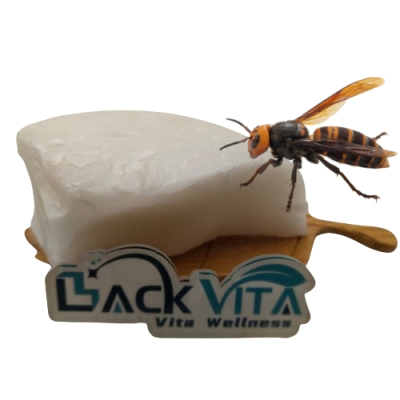

Natural Beeswax Foundation Sheet Honey Comb Beeswax for Beekeeping Condition New
$2.00 - $2.50
MOQ: 1000 Pieces






Comprehensive Sourcing Guide
Strategic Sourcing Guide for Beeswax Procurement
Understanding Product Variants and Technical Specifications
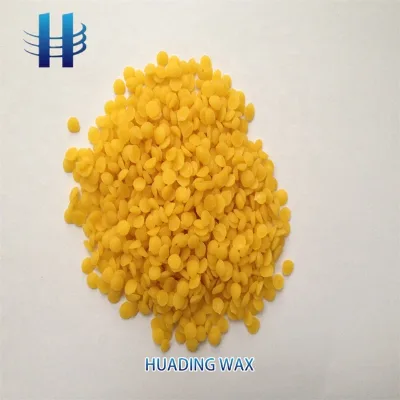
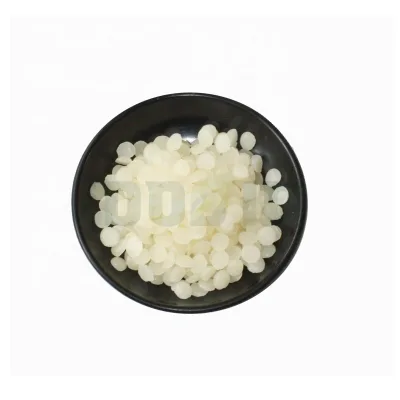
When initiating a procurement strategy for Beeswax, the first critical step is distinguishing between the distinct product variants available in the global market. The supply landscape reveals a bifurcation between raw material forms intended for industrial or cosmetic processing and finished goods designed for specific agricultural applications. One observed category is the raw material, often described as "WHITE Beeswax" or "Yellow White Beeswax Block Slab." These forms are typically characterized by a natural honey smell and a melting point ranging between 62℃ and 67℃. The physical composition of these blocks often includes hydrocarbon content varying between 16% and 18%, with a saponification value (KOHmg/g) observed in the range of 85 to 102. These technical parameters are vital for buyers in the cosmetic and candle-making sectors, as the melting point directly influences processing temperatures and the final texture of the product.
In contrast, another significant segment of the market offers "Beeswax Foundation Sheet," a specialized product used primarily in beekeeping. These items are often manufactured to customized sizes and may be available in yellow or white colorations. While the raw block form is processed via solvent extraction, the foundation sheets are often associated with artificial planting methods and are marketed as "Herbal Extract" or "Food Grade" materials depending on the specific supplier's classification. It is essential for buyers to recognize that a single listing may contain attributes from different product lines, such as a "Food Grade" classification appearing alongside "Industrial Grade" specifications in different contexts. The form factor varies significantly, ranging from bulk drums and aluminum foil bags to single cartons with a gross weight of 1.500 kg. Understanding these physical distinctions is the foundation for accurate specification writing and prevents the procurement of unsuitable materials for specific manufacturing lines.
Compliance, Certification, and Grade Verification
Navigating the compliance landscape for Beeswax requires rigorous verification of grade and certification status, as the intended application dictates the necessary standards. The market data indicates a clear distinction between "Food Grade," "Industrial Grade," and materials suitable for "Food / cosmetic / industry" use. For buyers targeting the food or cosmetic sectors, verifying that the product is "GMO Free" and meets specific safety certifications is non-negotiable. Observed listings frequently cite "Kosher/ Halal" certifications, which are critical for brands targeting specific religious demographics or international markets with strict dietary laws.
Buyers must also scrutinize the "Certificate of Analysis" (COA) availability. The presence of a COA is a high-confidence indicator of a supplier's commitment to quality transparency, allowing procurement teams to verify the chemical composition against the claimed specifications. While some background knowledge suggests the existence of ISO 9001, ISO 14001, and ISO 45001 standards, these should not be assumed as guaranteed attributes without direct confirmation from the supplier. Instead, procurement professionals should request explicit documentation confirming these standards. The "Shelf Life" is another critical compliance factor, with some suppliers noting "Long time" durability, while others simply list "Shelf Life" as a generic attribute. Verifying the actual expiration or stability period is essential for inventory management, particularly for products intended for long-term storage in varying climatic conditions.
Cost Drivers and Pricing Structure Analysis
The pricing structure for Beeswax is influenced by a complex interplay of grade, packaging, and order volume. The observed market data reveals a substantial price variance, with listed prices ranging from $0.31 to $3035 USD. This wide spectrum is not indicative of a single product but rather reflects the difference between raw material samples, bulk industrial drums, and specialized finished goods like foundation sheets. The Minimum Order Quantity (MOQ) is a primary driver of unit cost, with observed ranges spanning from 1 kg to 2000 units. Buyers purchasing at the lower end of the MOQ spectrum, such as 1 kg, often face higher per-unit costs but benefit from lower capital commitment and the availability of free samples.
Packaging plays a significant role in the final landed cost. Products packaged in "Drum" or "Aluminum Foil Bag" formats are typically designed for bulk industrial use, whereas "Carton Packing" or "Single item" units are more common for smaller batches or retail-ready products. The "Unit Weight" of individual packages, observed at 72-80g for certain items, versus the 5 kg weight of larger blocks, further complicates the cost analysis. Buyers must calculate the total cost of ownership, including the efficiency of the packaging for their specific logistics needs. For instance, a supplier offering a "Free Sample" allows for cost-effective quality verification before committing to a larger order, which can mitigate the risk of purchasing non-compliant or substandard material. The "Selling Units" being listed as "Single item" for some products suggests a retail-oriented approach, while bulk listings imply a B2B focus.
Typical Applications and Usage Scenarios
The versatility of Beeswax allows it to serve diverse industries, each with unique performance requirements. In the "Beekeeping" sector, the primary application is the production of "Beeswax Foundation Sheet," which serves as the structural base for honeycombs. These products are often "New" condition and may be customized to specific hive sizes. For the "Food" and "Cosmetic" industries, the raw "Beeswax Block Slab" is the preferred input. The "Instruction for use" often highlights applications in "candle making" and "cosmetic" formulation, leveraging the material's natural honey smell and melting properties.
The "Extraction Type" of "Solvent Extraction" is a critical factor for buyers in the pharmaceutical or high-purity cosmetic sectors, as it ensures the removal of impurities. However, for traditional candle makers, the "Natural Honey Smell" is a desirable attribute that enhances the sensory experience of the final product. The "Condition" of the product, typically listed as "New," ensures that the material has not degraded or oxidized prior to purchase. Buyers must align their application needs with the specific "Grade" of the product; for example, "Food Grade" is mandatory for edible applications, while "Industrial Grade" may suffice for lubricants or protective coatings. The "Customization" availability allows manufacturers to tailor the product to specific brand requirements, such as specific melting points or color profiles.
Supplier Evaluation and Geographic Considerations
Evaluating suppliers requires a careful analysis of their geographic origins and manufacturing capabilities. The supply chain for Beeswax is heavily concentrated in China, with specific regions like "Shaanxi," "Henan," and "Changege" (likely a typo for Changge) identified as key production hubs. The "Place of Origin" is a critical data point for logistics planning and potential tariff implications. Suppliers located in these regions often offer "OEM" (Original Equipment Manufacturer) services, allowing buyers to brand the product under their own name. This capability is particularly valuable for companies seeking private-label solutions in the candle or cosmetic sectors.
When assessing a supplier, buyers should verify the "Manufacturer" status and the consistency of the "Address" provided. The presence of "In Stock" availability is a strong indicator of a supplier's ability to meet immediate demand, reducing lead time risks. However, the "Single package size" of 15X20X20 cm suggests that even "In Stock" items may require specific handling or storage space. Buyers should also consider the "Season" attribute, which is listed as "All Seasons," indicating that the supply chain is not subject to seasonal disruptions common in agricultural products. Despite this, verifying the "Cultivation method" as "artificial planting" can provide insights into the sustainability and ethical sourcing practices of the supplier, which is increasingly important for modern B2B procurement strategies.
Quality Control and Long-Term Procurement Strategy
Establishing a robust quality control protocol is essential for maintaining product integrity throughout the supply chain. The "Model Number" and "Product Name" should be used as primary identifiers to ensure consistency across orders. For example, distinguishing between "Beeswax Foundation Sheet" and "Yellow White Beeswax Block Slab" prevents confusion in the warehouse and production lines. Buyers should implement a verification process that checks the "Color" (yellow/white) and "Smell" (Natural Honey Smell) against the initial sample. The "Saponification value" and "Hydrocarbon" content should be verified through third-party testing to ensure they fall within the acceptable ranges of 85-102 and 16-18% respectively.
For long-term procurement, building a relationship with suppliers who offer "Customization" and "Free Sample" options is advantageous. This approach allows for iterative testing and refinement of the product to meet specific brand standards. The "Shelf Life" attribute, whether listed as "Long time" or generic, should be monitored closely to prevent inventory degradation. Buyers should also consider the "Packaging" durability, ensuring that "Carton" or "Drum" packaging protects the product from moisture and temperature fluctuations during transit. By focusing on these technical and logistical details, procurement teams can secure a reliable supply of high-quality Beeswax that meets both operational and regulatory requirements.
FAQs
What certifications are available for Beeswax products?
Products often carry Kosher and Halal certifications to meet dietary requirements. Buyers should verify the Certificate of Analysis availability to confirm quality standards and ensure the material is GMO Free for food or cosmetic applications.
How is the Beeswax packaged for shipment?
Packaging options include drums, aluminum foil bags, and cartons depending on order volume. Single package sizes are typically 15x20x20 cm with a gross weight of 1.500 kg, while bulk items may be shipped in larger drums.
Which specifications define the raw Beeswax block?
Raw blocks feature a melting point between 62 and 67 degrees Celsius with a saponification value of 85 to 102. The hydrocarbon content ranges from 16 to 18 percent, and the material exhibits a natural honey smell.
Can buyers obtain free samples before ordering?
Yes, free samples are available to help verify quality before committing to a larger purchase. This allows buyers to test attributes like color, smell, and melting point without immediate financial risk for the initial evaluation.
What are the minimum order quantities for Beeswax?
Minimum order quantities range from 1 kg to 2000 units depending on the specific product variant. Lower MOQs like 1 kg are often suitable for samples or small batches, while bulk industrial orders may require higher volumes.
Where are the Beeswax products manufactured?
Products originate from various regions in China, including Shaanxi, Henan, and Changge. These locations serve as key production hubs for both raw material blocks and specialized items like Beeswax foundation sheets.
What grades of Beeswax are available for purchase?
Available grades include Food Grade, Industrial Grade, and materials suitable for food, cosmetic, and industry use. Buyers must select the appropriate grade based on their intended application to ensure compliance with safety standards.