Source Beet Root Gummies for beauty, nutrition, and immune support
Compare 30 listings of Beet Root Gummies from manufacturers in China. Buyers can evaluate specifications like dosage, ingredients, and OEM options for bulk orders.
Key considerations
Products List
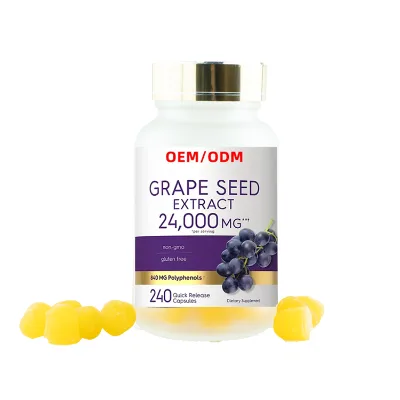
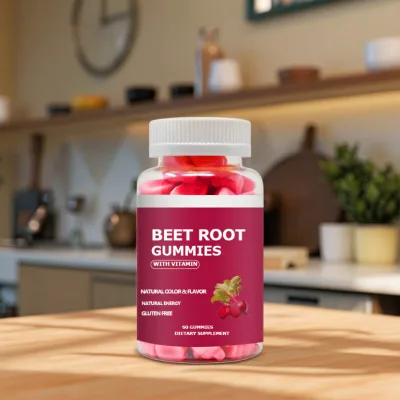
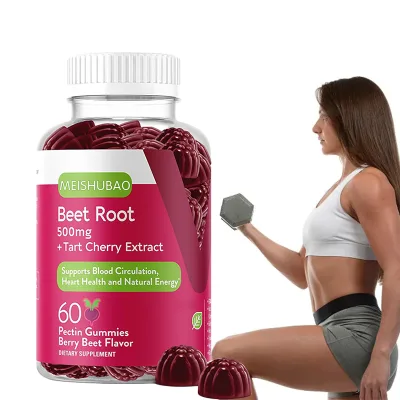

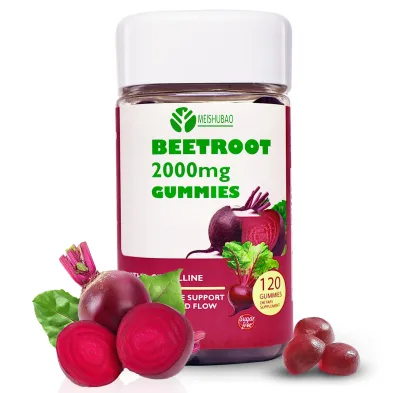
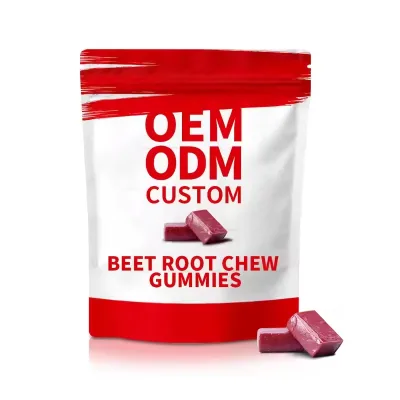
OEM Customized Beetroot Gummies, Health Beet Supplements, Beetroot Gummies
$1.03 - $5.44
MOQ: 500 Minimum
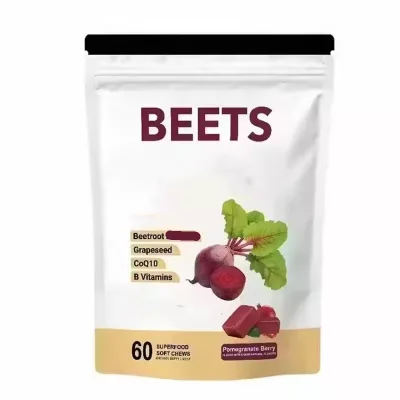
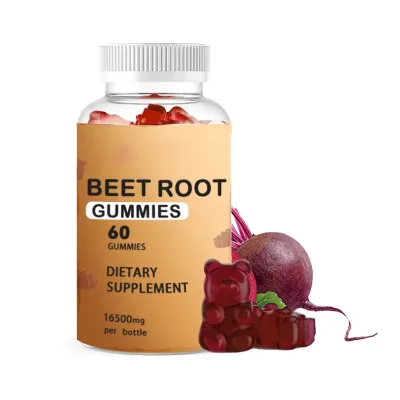


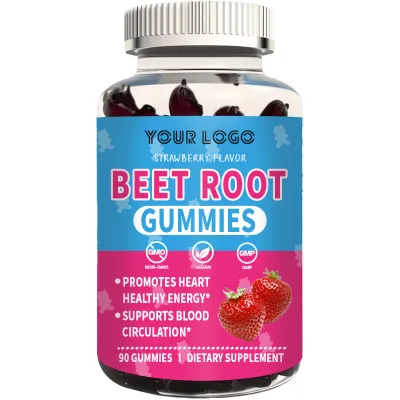
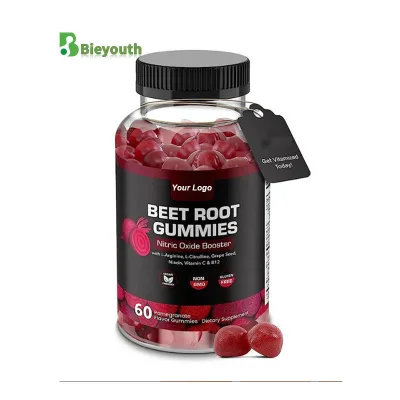


Antioxidant-Rich Beet Root Gummies for Heart Health & Energy Support-OEM Available
$2.40 - $3.60
MOQ: 100 Bottle

OEM Beet Root Energy Gummies Boost Stamina & Immune Custom Formula Available
$2.10 - $3.60
MOQ: 100 Bottle

OEM ODM Beet Root Gummies Vegan Beetroot Supplements Manufacturer Private Label
$2.30 - $3.50
MOQ: 100 bottle


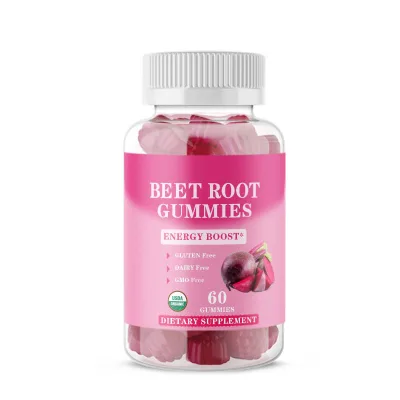

Comprehensive Sourcing Guide
Strategic Sourcing Guide for Beet Root Gummies in the B2B Market
Navigating the B2B procurement landscape for Beet Root Gummies requires a disciplined approach that balances technical specifications with rigorous compliance verification. The market for functional gummies has expanded significantly, driven by consumer demand for convenient, palatable nutritional supplements. However, for procurement professionals, the primary challenge lies in distinguishing between generic offerings and products that meet specific regulatory and quality standards. This guide outlines the critical factors buyers must evaluate when sourcing Beet Root Gummies, focusing on the intersection of ingredient integrity, manufacturing capabilities, and supply chain reliability.
Technical Specifications and Formulation Integrity
The foundation of any successful procurement strategy for Beet Root Gummies begins with a precise understanding of the product's technical specifications. The core ingredient, beetroot extract, serves as the primary active component, often marketed for its potential to support immune function and provide essential nutrition. Buyers must verify the exact dosage form and concentration. In the current market, gummies are the dominant format, replacing traditional capsules to improve consumer adherence.
When reviewing supplier data, attention must be paid to the specific model numbers and product identifiers provided. For instance, distinct product lines may carry identifiers such as "Haoyuan0040" or "MSB-HP01," which correspond to different formulation batches or production lines. The single package size is a critical logistical variable; observed specifications indicate variations such as 20x10.5x13 cm or 15x20x30 cm, directly impacting shipping costs and warehouse storage efficiency. Furthermore, the single gross weight, which can range from 0.500 kg to 1.500 kg depending on the packaging configuration, must be factored into freight calculations.
The dosage per unit is another vital technical parameter. While some formulations may offer a dose of 300mg per gummy, others might specify a total bottle capacity of 60 gummies. It is essential to confirm whether the "300mg" refers to the weight of the extract or the total gummy mass, as this distinction affects the potency and efficacy of the final product. Additionally, the flavor profile, often described as mixed berry or other variations, must align with the target demographic's preferences. The appearance of the gummy, including the possibility of customization for shape, is a differentiating factor that suppliers may offer under OEM or ODM services.
Compliance, Certification, and Regulatory Alignment
In the global supplement industry, compliance is not merely a suggestion but a prerequisite for market entry. Buyers must rigorously verify that suppliers hold recognized certifications that validate their manufacturing processes. High-confidence data indicates that reputable manufacturers often possess ISO9001 certification, which ensures adherence to quality management standards. Furthermore, for products targeting specific religious or dietary demographics, certifications such as Halal and Kosher are frequently observed and may be mandatory depending on the export destination.
The grade of the raw materials is equally critical. Sourcing must be restricted to suppliers who explicitly state that their ingredients are of "food Grade." This designation confirms that the beetroot extract and other components are safe for human consumption and meet the stringent purity requirements of food safety regulations. The testing methods employed by the supplier also serve as a proxy for quality assurance. Standard analytical techniques such as HPLC (High-Performance Liquid Chromatography) and UV (Ultraviolet) spectroscopy are commonly cited for verifying the concentration of active ingredients and detecting contaminants.
Buyers should not assume that all listed products automatically satisfy every certification or standard. Instead, procurement teams must request specific documentation for each batch. The "Place of Origin" is a significant indicator of regulatory jurisdiction. Products originating from regions like Shaanxi or Guangdong in China are subject to specific local manufacturing regulations, which may differ from those in the European Union or North America. Consequently, buyers must verify that the supplier's facility is registered and inspected by the relevant authorities in the target market. The absence of a specific certification claim in a product listing should not be interpreted as a negative; rather, it necessitates a direct inquiry to the supplier to confirm their current status.
Cost Drivers and Economic Considerations
Understanding the cost structure of Beet Root Gummies is essential for budgeting and margin analysis. The price of these products is influenced by several variables, including the complexity of the formulation, the scale of production, and the level of customization required. The observed price range in the market spans from $0.02 to $15.00 USD, a wide disparity that reflects differences in ingredient quality, packaging sophistication, and order volume.
The Minimum Order Quantity (MOQ) is a primary driver of unit economics. Suppliers may set MOQs ranging from 1 unit for sampling purposes to 100,000 units for full-scale production runs. Specific product lines may enforce a strict MOQ of 500 bottles or 100,000 gummies. These thresholds directly impact the per-unit cost; larger orders typically yield lower prices due to economies of scale. Buyers must balance the need for inventory against the capital tied up in stock.
Customization services, such as private labeling, specific gummy shapes, or unique flavor profiles, often incur additional costs. While the base product may be available at a standard rate, the "Service" category indicates that OEM (Original Equipment Manufacturer) and ODM (Original Design Manufacturer) options are available. These services allow brands to differentiate their products but require a higher level of engagement and potentially higher upfront investment. The shelf life of the product, typically cited as 24 months or 2 years, also influences cost. A longer shelf life may justify a slightly higher initial purchase price by reducing the risk of inventory obsolescence.
Typical Applications and Target Demographics
Beet Root Gummies are versatile products designed for a broad spectrum of consumer needs. The primary application is as a dietary supplement aimed at providing nutrition and supporting immune health. The "Main function" is often listed as providing nutrition, while specific benefits may include immune support. The target demographic is extensive, encompassing men, women, adults, teenagers, and the middle-aged and elderly populations. However, specific exclusions must be noted; for instance, the product is generally not applicable to newborns, a critical safety consideration for marketing and labeling.
The product is positioned as a beauty product in some contexts, leveraging the antioxidant properties of beetroot extract. This positioning appeals to consumers seeking natural solutions for skin health and vitality. The "Applicable People" field often lists "Grape Seed Extract Capsules" in error or as a cross-reference, but for Beet Root Gummies, the focus remains on the general adult population. The dosage form, described as "Gummy Candy," enhances compliance among consumers who struggle with swallowing traditional pills.
Supplier Evaluation and Service Capabilities
Selecting the right supplier involves more than just comparing prices; it requires a deep dive into their service capabilities and operational flexibility. The "Service" attribute highlights the availability of OEM and ODM options, which are crucial for brands looking to establish a unique market presence. Suppliers offering these services must demonstrate the ability to handle private label requests, including custom packaging and branding.
The "Sample" availability is a key indicator of supplier reliability. The ability to obtain grape seed extract gummies or Beet Root Gummies samples allows buyers to conduct physical quality checks before committing to large orders. This step is vital for verifying the texture, taste, and visual appearance of the gummies. The "Appearance" attribute suggests that customization of the gummy shape is possible, which can be a significant differentiator in a crowded market.
Buyers should also evaluate the supplier's responsiveness and transparency regarding their "Place of Origin." Whether the product originates from Shaanxi or Guangdong, the supplier must be able to provide clear documentation regarding the manufacturing process. The "Brand Name" field may list "Ausreson" or "White label," indicating that some suppliers operate as contract manufacturers while others may have their own branded lines. For B2B buyers, the "White label" option is often preferred as it allows for the creation of a proprietary brand without the need for in-house manufacturing.
Quality Control and Long-Term Procurement Strategies
Ensuring consistent quality over time is the ultimate goal of any procurement strategy. The "Test" methods, such as HPLC and UV, provide a baseline for quality control, but buyers should also inquire about the frequency of testing and the specific parameters being monitored. The "Shelf Life" of 24 months or 2 years must be clearly defined, including the conditions under which this duration is maintained. The "Storage Method" is consistently described as requiring a cool, dry place, away from sunlight. This requirement must be communicated clearly to logistics partners to prevent product degradation during transit and storage.
Long-term procurement considerations involve building a relationship with a supplier that can scale with the buyer's growth. The "MOQ" flexibility is a key factor here; a supplier that can accommodate both small trial orders and large production runs offers greater strategic value. The "Other dosage" attribute indicates that suppliers are open to customization, which is essential for adapting to changing market demands or regulatory requirements.
Buyers must also consider the "Single package size" and "Single gross weight" when planning their supply chain. These dimensions affect shipping efficiency and storage costs. A supplier that offers optimized packaging can significantly reduce the total cost of ownership. Finally, the "Grade" of the product must be maintained consistently. Any deviation from "food Grade" status could lead to regulatory violations and reputational damage.
Summary of Key Procurement Parameters
To facilitate a quick comparison of critical attributes, the following table summarizes the key specifications and requirements observed in the market for Beet Root Gummies.
| Parameter | Observed Values / Requirements | Procurement Action |
|---|---|---|
| Main Ingredient | Beetroot extract | Verify purity and source |
| Dosage Form | Gummy Candy | Confirm texture and taste |
| Shelf Life | 24 Months / 2 Years | Check expiration dating |
| Certifications | ISO9001, Halal, Kosher | Request valid certificates |
| MOQ Range | 1 to 100,000 units | Negotiate based on volume |
| Storage | Cool, Dry Place, Avoid Sunlight | Ensure logistics compliance |
| Testing | HPLC, UV | Review batch test reports |
| Origin | Shaanxi, Guangdong (China) | Verify facility registration |
| Grade | Food Grade | Confirm supplier declaration |
| Customization | Shape, Flavor, Private Label | Discuss OEM/ODM capabilities |
By adhering to these guidelines and maintaining a rigorous approach to verification, buyers can secure high-quality Beet Root Gummies that meet both regulatory standards and market expectations. The focus must remain on evidence-based decision-making, ensuring that every claim regarding quality, safety, and performance is substantiated by documentation and testing data.
FAQs
What certifications do beet root gummy manufacturers hold?
Reputable manufacturers often hold ISO9001, Halal, and Kosher certifications to validate quality and safety. These standards ensure the product meets international regulatory requirements for food-grade ingredients and manufacturing processes.
How is the dosage form of Beet Root Gummies defined?
The product is explicitly defined as a gummy candy or gummies dosage form rather than traditional capsules. This format improves consumer adherence while delivering the active beetroot extract for immune support and nutrition.
Can buyers request customization for gummy shape and flavor?
Yes, suppliers offer OEM and ODM services allowing for customized gummy shapes and mixed berry or other flavors. Buyers can specify unique appearances to differentiate their brand in the competitive supplement market.
What is the typical shelf life for these supplements?
The standard shelf life is 24 months or 2 years when stored correctly. Products must be kept in a cool, dry place away from sunlight to maintain potency and prevent degradation during storage.
Which locations are the primary origins for these products?
Products originate from manufacturing hubs in China, specifically Shaanxi and Guangdong provinces. These regions host facilities capable of producing food-grade extracts with documented testing methods like HPLC and UV analysis.
What are the minimum order quantities for bulk purchases?
MOQs vary significantly, ranging from 500 bottles for some lines to 100,000 gummies for others. Buyers must check specific product lines to determine the exact threshold required for full-scale production runs.
Are samples available for quality verification before bulk orders?
Samples such as grape seed extract gummies or Beet Root Gummies are available for physical quality checks. This allows buyers to verify texture, taste, and appearance before committing to large inventory investments.