Source Micro Wax Setting Moissanite Earrings for Gifts
Compare 30 listings for Micro Wax Setting Moissanite Earrings suitable for daily wear, parties, and gifts. Options include 925 sterling silver and alloy materials with customizable sizes and plating to meet your specific design requirements; compare the available evidence and request quotations based on your requirements.
Key considerations
Products List


925 Sterling Silver Stud Earrings Fashion Moissanite Jewelry Set Women Earring
$14.20 - $22.70
MOQ: 1 Piece


Hot Selling Sterling Silver Earrings Moissanite Gift Fashion Star Earrings
$3.74 - $4.21
MOQ: 200 Pieces

Round Moissanite Jewelry Shinning Earrings 925 Sliver Sterling Stud Earrings
$0.90 - $1.75
MOQ: 120 Pieces


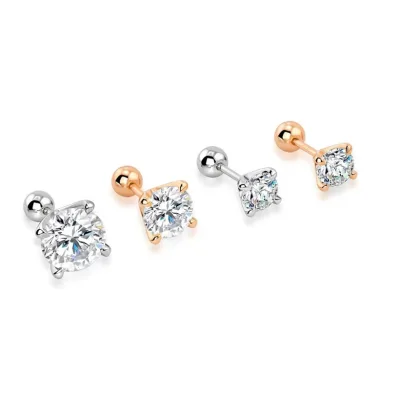


Classic 925 Sterling Silver CZ Round Stud Earrings for Fashion Enthusiasts
$5.83 - $7.10
MOQ: 6 Pieces


Comprehensive Sourcing Guide
Micro Wax Setting Moissanite Earrings Sourcing Guide
Procuring Micro Wax Setting Moissanite Earrings requires a clear understanding of the specific casting techniques used to secure small stones without visible prongs. The observed product data indicates that casting is the primary processing method, which allows for intricate designs where the wax model is burned out to create a mold for the metal. Buyers must verify that the supplier utilizes this process to ensure the structural integrity of the tiny moissanite stones, which are often set in clusters or as single focal points in stud styles.
The market signals suggest a diverse range of options available from manufacturers with over 14 to 15 years of factory experience. These suppliers often offer customization for stone color and plating, including rhodium and gold finishes, to meet specific aesthetic requirements. When sourcing, buyers should prioritize vendors who explicitly welcome ODM and OEM requests, as this indicates the flexibility needed to adapt the micro-setting technique to unique design briefs while maintaining the high standards expected in the jewelry sector.
Product Scope and Observed Listing Signals
The product scope for Micro Wax Setting Moissanite Earrings encompasses various styles, including stud earrings and eardrops, designed for daily wear, parties, and gifting. The observed listings highlight a gender-neutral appeal, with products suitable for females, males, and children, though specific models may target female demographics exclusively. The style ranges from simple designs to star fashion trends, allowing buyers to source pieces that align with current market demands for both understated elegance and bold statement jewelry.
Listing signals reveal that customization is a central feature of the supply chain, with options for customized sizes, stone colors, and logo placement. The packaging varies from individual OPP bags with bubble wrap to custom cards and cartons, reflecting different shipping and retail needs. Buyers should note that while some models feature specific dimensions like 6mm main stones, others may have smaller 1.25mm stones, requiring careful selection based on the intended visual impact and target customer preference for stone size.
Technical Specifications to Verify
Verifying the material composition is critical, as the supply chain includes both 925 sterling silver and alloy options. Buyers must confirm the specific material for each order, as the purity of 92.5% silver is a key differentiator for quality and value. The presence of a 925 stamp on the product serves as a primary verification point for silver content, ensuring that the metal meets the expected standards for durability and hypoallergenic properties, which are essential for earrings worn close to the skin.
The technical specifications also extend to the physical dimensions and finishing processes of the earrings. The main stone size can vary significantly, from 1.25mm to 6mm, and the plating color may be rhodium or gold, affecting both the appearance and the longevity of the finish. Buyers should request detailed specifications for the main stone size and plating thickness to ensure the micro wax setting can securely hold the stones without compromising the aesthetic or structural integrity of the final product.
Compliance and Safety Documentation
While specific certification documents are not explicitly listed in the provided facts, buyers must ensure that all products comply with international safety standards for jewelry, particularly regarding nickel content and heavy metals. The origin of the products is identified as China, a major manufacturing hub, which necessitates rigorous due diligence to confirm that the factory adheres to relevant export regulations and safety protocols. Without explicit certification data, the burden falls on the buyer to request third-party test reports to validate the safety of the materials used.
Documentation regarding the production process and material purity is equally important for maintaining brand integrity. The observed 92.5% purity and 925 stamping suggest a focus on quality, but formal documentation is required to substantiate these claims for customs clearance and retail compliance. Buyers should verify that the supplier can provide certificates of authenticity for the silver content and safety compliance for the moissanite stones, ensuring that the final products meet the regulatory requirements of the destination market.
Cost Drivers and Commercial Terms
The cost of Micro Wax Setting Moissanite Earrings is influenced by the material choice, with 925 sterling silver commanding a higher price point than alloy alternatives. The complexity of the micro-setting process, which requires precision casting to secure small stones, also adds to the manufacturing cost. Buyers should anticipate that customized orders, including specific plating colors or logo additions, will incur additional charges compared to standard stock items, reflecting the extra labor and material handling involved.
Commercial terms such as the minimum order quantity (MOQ) and lead times are significant factors in the procurement strategy. The observed MOQ ranges from 1 to 200 pieces, with specific models requiring a minimum of 30 pieces, which impacts the initial investment required for new product lines. Buyers must negotiate these terms carefully, considering the balance between inventory risk and the ability to secure favorable pricing, while also clarifying the production lead times to ensure timely delivery for seasonal launches or promotional events.
Supplier Qualification and Quality Control
Supplier qualification should focus on verifying the factory's experience and capacity to handle customized orders. The data indicates that many suppliers possess over 14 to 15 years of experience, which is a strong indicator of technical proficiency in casting and setting techniques. Buyers should prioritize partners who explicitly welcome ODM and OEM requests, as this demonstrates a commitment to collaboration and the ability to adapt their production lines to meet specific design and quality requirements.
Quality control measures must be established to ensure consistency in the micro-setting of moissanite stones and the application of plating. The observed packaging methods, such as bubble wrap and cartons, suggest an awareness of shipping risks, but buyers should implement their own inspection protocols to check for loose stones, plating defects, and dimensional accuracy. Regular quality audits and sample approvals are essential to maintain the high standards expected in the jewelry market and to prevent costly returns or customer dissatisfaction.
Long-Term Procurement Checks
Establishing a long-term relationship with a supplier requires ongoing monitoring of their ability to maintain consistent quality and delivery schedules. Buyers should regularly review the supplier's performance against agreed-upon standards, including the accuracy of the 925 stamping and the durability of the rhodium or gold plating. Continuous communication regarding design updates and market trends will help ensure that the product line remains competitive and aligned with evolving consumer preferences in the jewelry sector.
Future procurement strategies should also account for potential changes in material costs and supply chain dynamics. As the market for moissanite and silver jewelry evolves, buyers must remain agile in adjusting their orders and specifications to reflect new trends or regulatory changes. Building a robust supplier network and maintaining open lines of communication will facilitate smoother transitions and ensure a steady supply of high-quality Micro Wax Setting Moissanite Earrings for the long term.
FAQs
What materials are used for Micro Wax Setting Moissanite Earrings?
These earrings are crafted from 925 sterling silver with a 92.5% purity stamp. The main stones are moissanite, available in customized colors. Some variants use alloy materials. The pieces are rhodium or gold plated for durability and shine, ensuring a high-quality finish for daily wear or special occasions.
Can I customize the logo and packaging for these earrings?
Yes, customization is accepted for both logos and packaging. You can request customized cards or standard OPP bag packing with bubble wrap and cartons. The factory welcomes ODM and OEM requests, allowing you to tailor the product model and branding to your specific business needs and market requirements effectively.
What is the typical MOQ for ordering these earrings?
The standard MOQ is 30 pieces per item. However, observed ranges indicate flexibility from 1 to 200 units depending on the supplier. This low entry point allows buyers to test market demand with minimal initial investment while still accessing factory-direct pricing and customization options for bulk orders later.
Which stone sizes are available for moissanite stud earrings?
Main stone sizes vary by model, including 6mm and 1.25mm options. The stones are set using micro wax techniques for secure placement. Buyers can choose from simple styles or star fashion designs. The customized stone color options allow for versatile styling, making these earrings suitable for gifts, collections, or daily decoration.
How are these earrings processed and manufactured?
The earrings are produced using casting processes in factories with over 15 years of experience. The manufacturing accepts customized sizes and designs. Each item is packed securely in OPP bags, bubble wrap, and cartons. The origin is China, ensuring consistent quality control and adherence to standard production practices for jewelry accessories.