Find Water Drop Silver Necklace for Jewelry, Gifts, and Fashion
Explore 30 Water Drop Silver Necklace options to compare materials, plating, and pricing. This guide helps buyers evaluate specifications and supplier capabilities for their sourcing needs, ensuring you find the right fit for your business requirements; compare the available evidence and request quotations based on your requirements.
Key considerations
Products List
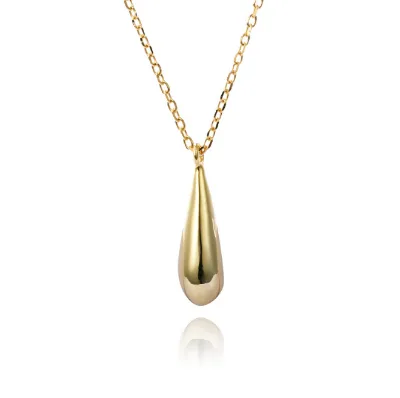


S925 Sterling Silver Necklace for Women Waterdrop Shape Fashion Pendant Necklace
$9.00 - $10.50
MOQ: 20 Pieces



Comprehensive Sourcing Guide
Water Drop Silver Necklace Sourcing Guide
Sourcing water drop silver necklaces requires a disciplined approach to verifying material authenticity and design consistency. Buyers must prioritize suppliers who can provide clear documentation regarding the silver content, as the market contains a wide range of quality levels. The primary focus should be on confirming that the base metal is genuine sterling silver, typically marked with a 92.5% purity standard, rather than lower-grade alloys that may be plated to mimic the appearance. This initial verification step is critical for maintaining brand integrity and ensuring customer satisfaction in the final retail environment.
Beyond material verification, buyers should assess the supplier’s capability to handle specific design requirements, such as the water drop pendant shape. This involves reviewing sample portfolios to ensure the casting or fabrication process produces clean lines and smooth surfaces without visible defects. The sourcing process should also account for the intended end-user, whether for female, male, or universal wear, as this influences the chain length and pendant size specifications. By aligning technical capabilities with commercial needs, procurement teams can establish a reliable supply chain that supports consistent product quality and timely delivery.
Product Scope and Observed Listing Signals
The observed product listings indicate a diverse range of options, with prices spanning from $0.87 to $48.40 per unit. This wide price variance suggests that the market includes both entry-level fashion items and higher-end jewelry pieces. Buyers should interpret these price points as indicators of material quality, craftsmanship, and brand positioning rather than as fixed market rates. Understanding this spectrum helps in setting realistic budget expectations and identifying suppliers who align with specific cost structures. It is essential to correlate price with the stated material specifications to avoid overpaying for lower-quality items or underestimating the value of premium offerings.
Minimum Order Quantities (MOQ) in the observed data range from 1 to 1100 units, providing flexibility for both small-scale testing and large-volume production. A low MOQ allows buyers to test market reception with minimal financial risk, while higher MOQs may offer better unit pricing for established lines. The presence of customization options, including OEM and ODM services, indicates that suppliers are willing to adapt designs to specific brand requirements. Buyers should evaluate whether the supplier’s minimums align with their inventory strategy, ensuring that they can scale production without facing prohibitive costs or logistical challenges. This flexibility is crucial for managing cash flow and optimizing stock levels.
Technical Specifications to Verify
When verifying technical specifications, buyers must focus on the base material and plating details. The data indicates that some products are made from 925 Sterling Silver, while others may use copper or brass with rhodium or gold plating. It is critical to distinguish between solid silver items and plated alternatives, as this significantly impacts durability and value. Buyers should request detailed material certificates to confirm the purity of the silver and the thickness of any plating layers. This verification ensures that the product meets the promised quality standards and prevents discrepancies between the listed specifications and the actual delivered goods.
Chain length and pendant dimensions are also key technical parameters that require precise verification. Observed lengths include 40cm and 45cm, which are standard for many necklace styles, but buyers should confirm these measurements against their design requirements. The pendant shape, often described as heart or water drop, must be consistent across production batches to maintain brand identity. Additionally, the processing method, such as casting, affects the final product’s finish and structural integrity. Buyers should inspect samples for any casting defects, such as porosity or rough edges, to ensure that the manufacturing process supports the desired aesthetic and functional quality.
Compliance and Safety Documentation
Compliance with safety standards is a non-negotiable aspect of jewelry sourcing, particularly for products intended for children or sensitive skin. Buyers should request documentation that verifies the absence of harmful substances, such as lead or nickel, which can cause allergic reactions or health issues. While specific certification names are not provided in the data, the presence of high-quality materials like 925 Sterling Silver suggests adherence to certain industry standards. Buyers must ensure that suppliers can provide test reports from accredited laboratories, confirming that the products meet relevant safety regulations in their target markets. This documentation serves as a legal safeguard and a trust signal for end consumers.
In addition to material safety, buyers should verify that the packaging and labeling comply with local regulations. The observed packing methods, such as OPP bags and cartons, must be suitable for the product’s protection and presentation. Labels should clearly indicate the material composition, origin, and any care instructions to prevent consumer confusion. Suppliers should be able to provide compliant labeling templates that meet the requirements of the destination country. By ensuring that all documentation and packaging align with regulatory expectations, buyers can avoid potential legal issues and enhance the professional appearance of their products in the marketplace.
Cost Drivers and Commercial Terms
The primary cost drivers for water drop silver necklaces include the raw material cost, labor, and finishing processes. Sterling silver is a precious metal, and its price fluctuates based on global market conditions, which directly impacts the final product cost. Plating processes, such as rhodium or gold plating, add additional expenses due to the complexity and materials involved. Buyers should request detailed cost breakdowns from suppliers to understand how each component contributes to the total price. This transparency helps in negotiating better terms and identifying areas where cost savings can be achieved without compromising quality.
Commercial terms, including payment methods and shipping options, also play a significant role in the overall procurement cost. The data indicates that suppliers accept T/T and PayPal, with shipping methods including DHL, UPS, and other express services. Buyers should evaluate the total landed cost, which includes product price, shipping fees, insurance, and any applicable duties. Negotiating favorable payment terms, such as partial payments or extended credit periods, can improve cash flow management. Additionally, understanding the sample lead time, which ranges from 3 to 15 days, helps in planning the production schedule and ensuring timely delivery to the market.
Supplier Qualification and Quality Control
Qualifying suppliers involves assessing their manufacturing capabilities, quality control processes, and financial stability. Buyers should request references from existing clients and review the supplier’s production facilities to ensure they have the necessary equipment and expertise. The data suggests that suppliers offer high-quality products with competitive factory prices, but buyers must verify these claims through independent audits or third-party inspections. A robust quality control system should include incoming material checks, in-process inspections, and final product testing to ensure consistency and reliability.
Quality control protocols should be clearly defined and documented, with specific criteria for acceptable defects and tolerances. Buyers should agree on a quality assurance plan with the supplier, outlining the inspection frequency and the consequences of non-compliance. This plan should include provisions for corrective actions and rework in case of quality issues. By establishing a strong quality control framework, buyers can minimize the risk of receiving defective products and maintain a high level of customer satisfaction. Regular communication and feedback loops with the supplier are essential for continuous improvement and long-term partnership success.
Long-Term Procurement Checks
Long-term procurement success depends on maintaining a stable and reliable supply chain. Buyers should regularly review supplier performance metrics, such as on-time delivery rates, quality consistency, and responsiveness to inquiries. The data indicates that delivery times range from 7 to 25 days, which should be monitored to ensure that the supplier can meet production schedules. Establishing a performance scorecard helps in identifying areas for improvement and fostering a collaborative relationship with the supplier. This ongoing evaluation ensures that the supplier remains aligned with the buyer’s strategic goals and quality expectations.
Diversifying the supplier base is another critical long-term strategy to mitigate risk. Relying on a single supplier can expose the buyer to supply disruptions, price increases, or quality issues. By maintaining relationships with multiple qualified suppliers, buyers can ensure continuity of supply and leverage competitive pricing. Regular market research and supplier audits help in identifying new opportunities and maintaining a competitive edge. By implementing these long-term procurement checks, buyers can build a resilient and efficient supply chain that supports sustainable business growth and customer satisfaction.
FAQs
What materials are used for the Water Drop Silver Necklace?
The necklace is crafted from 925 sterling silver with a purity of 92.5 percent. It features rhodium plating or gold plating to enhance durability and shine. Some variants use copper or brass as the base metal before plating. This ensures a high-end finish suitable for daily decoration and gifting purposes.
Can I customize the length and style of the necklace?
Yes, customization is available for length and style to meet specific buyer requirements. The standard length is 45cm, but sizes can be customized upon request. The style includes fashion and national designs, allowing for unique pendant shapes like hearts. OEM and ODM services are acceptable for tailored production needs.
What is the minimum order quantity for bulk purchases?
The minimum order quantity varies by supplier but can range from one piece to 1100 pieces. Some specific listings require a minimum of 30 pieces for orders. This flexibility allows buyers to test the market with small batches or secure large stock for retail distribution without excessive initial investment.
How long does it take to receive samples and bulk orders?
Sample time is typically three days for stock items and fifteen days for customized orders. Bulk delivery times generally range from seven to twenty-five days depending on the supplier. Shipping methods include DHL, UPS, and other express agents to ensure timely arrival of the jewelry products to your location.
Which plating options are available for the silver necklace?
Available plating options include rhodium, gold, and rose gold to suit different aesthetic preferences. Some products offer custom plating colors to match specific design requirements. The plating is applied over copper or brass bases to ensure longevity and a premium look for the final jewelry piece.
Where are these silver necklaces manufactured and shipped from?
These necklaces are manufactured in Guangzhou and Panyu, China. The products are packed in OPP bags and cartons before shipping. Delivery is handled via various express agents including DHL, ensuring reliable logistics from the origin point to the final destination for international buyers.
What payment methods are accepted for these jewelry orders?
Accepted payment methods include T/T and PayPal for secure transactions. These options provide flexibility for both small sample orders and larger bulk purchases. Buyers can choose the method that best suits their financial processes while ensuring the supplier receives payment efficiently.