Source Third Party Appraisal Zircon Ring for Jewelry Makers
Source Third Party Appraisal Zircon Ring options from 30 verified listings. Compare 925 sterling silver materials, rhodium plating, and custom OEM services. Evaluate MOQs, delivery times, and SGS certifications to find suitable wholesale suppliers for your jewelry business needs; compare the available evidence and request quotations based on your requirements.
Key considerations
Products List
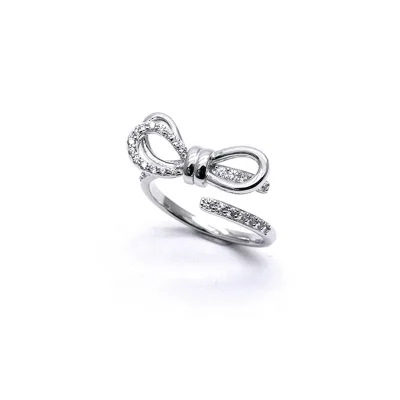


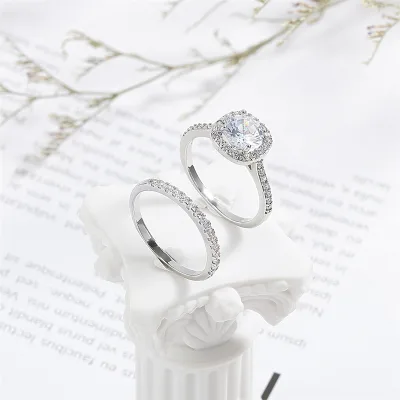
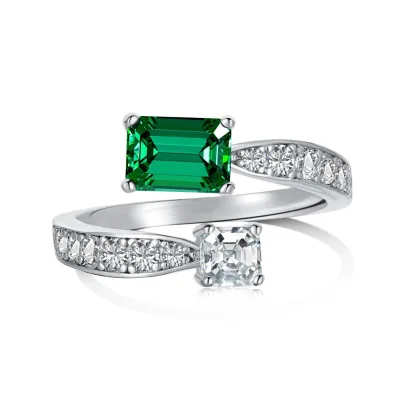
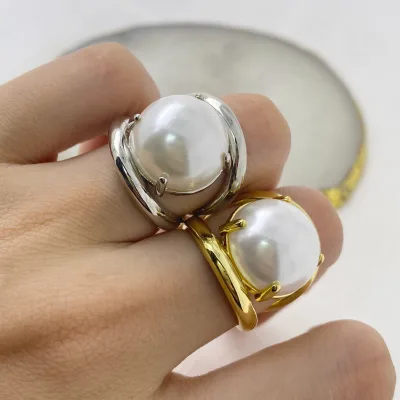
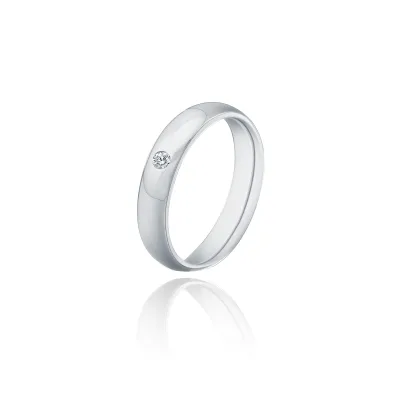
Fashion Zircon Open Ring Sweet White Gold Plating Design Index Finger Ring
$1.90 - $2.60
MOQ: 3 pieces






Comprehensive Sourcing Guide
Third Party Appraisal Zircon Ring Sourcing Guide
Procuring third-party appraised zircon rings requires a rigorous approach to verifying material authenticity and craftsmanship standards. Buyers must prioritize suppliers who explicitly document the use of 925 sterling silver and cubic zirconia, ensuring the core components meet established purity benchmarks. The presence of specific plating options like rhodium, rose gold, or yellow gold indicates a finished product ready for diverse market segments, but these finishes must be validated against the supplier's stated processing methods.
Verification of the ring's physical attributes, such as the available sizes ranging from 6 to 9, is essential before placing bulk orders. Sourcing teams should confirm that the customization options align with the specific design requirements, whether the goal is a simple round shape or a creative floral motif. Understanding the distinction between hand-made and casting processes helps in assessing the final quality and consistency of the jewelry pieces intended for wholesale distribution.
Product Scope and Observed Listing Signals
The observed product listings reveal a diverse range of ring types, including creative, simple, and fashion styles suitable for female and unisex markets. These items are primarily designed for decoration, gifts, and collection purposes, with some models specifically marketed for wedding events. The availability of customization services suggests that suppliers can adapt the product to specific business needs, such as jewelry making or promotional campaigns, provided the minimum order quantities are met.
Buyers should note the variation in minimum order quantities, which range from 10 to 30 pieces depending on the specific model and customization level. This flexibility allows smaller retailers to test the market while larger wholesalers can secure bulk inventory. The observed price points and delivery timelines, typically between 10 to 30 days, indicate a supply chain capable of handling both urgent and planned procurement cycles for various jewelry applications.
Technical Specifications to Verify
Technical due diligence must focus on the precise material composition, specifically confirming the 925 sterling silver content and the use of cubic zirconia as the primary accessory material. The stamping of "925" or customer-specific marks on the rings serves as a critical verification point for metal purity. Additionally, the setting method, such as wax setting or gem mounting, directly impacts the durability and security of the stones, requiring clear documentation from the manufacturer.
Dimensional consistency is another vital technical parameter, with observed ring sizes fixed at 6, 7, 8, and 9, alongside options for customized sizing. Buyers must verify the exact weight specifications, as some listings reference specific gram weights like 2.4g, which influences the perceived value and pricing structure. Ensuring that the plating thickness and color options match the requested aesthetic is crucial for maintaining brand consistency across different product lines.
Compliance and Safety Documentation
Compliance verification should center on the presence of SGS certification, which acts as a primary indicator of quality and safety standards for the jewelry components. This certification is often linked to the product standard and serves as a baseline for ensuring that materials do not contain harmful substances. Buyers must request current test reports to confirm that the cubic zirconia and silver alloys meet international safety requirements for consumer goods.
Documentation regarding the origin of the products, specifically from Guangzhou, China, should be cross-referenced with the supplier's business licenses and export credentials. The packaging standards, which may include OPP bags or strong cartons, must be evaluated to ensure they protect the jewelry during transit without compromising the product's aesthetic appeal. Clear communication regarding these compliance documents is necessary to mitigate risks associated with regulatory inspections in the destination market.
Cost Drivers and Commercial Terms
Cost structures are significantly influenced by the choice of plating, the complexity of the design, and the volume of the order. The availability of OEM and ODM services allows for tailored production, which can increase unit costs but offers greater market differentiation. Buyers should analyze the trade-off between standard models and custom designs to optimize their budget while maintaining the desired product quality and brand identity.
Commercial terms, including payment methods like bank transfers, PayPal, and Western Union, must be clearly defined to ensure secure transactions. The delivery time, ranging from 10 to 30 days after deposit, is a critical factor in supply chain planning and inventory management. Understanding the lead time variations based on order size and customization requirements helps in setting realistic expectations for product availability and customer delivery promises.
Supplier Qualification and Quality Control
Supplier qualification should involve a thorough assessment of their manufacturing capabilities, including both hand-made and casting processes. The ability to provide samples and detailed product specifications is a strong indicator of a supplier's reliability and transparency. Buyers must verify that the supplier has a proven track record in serving jewelry wholesalers, distributors, and makers, ensuring they understand the specific demands of the B2B jewelry market.
Quality control protocols must be established to monitor the consistency of the plating, the accuracy of the ring sizes, and the integrity of the stone settings. Regular inspections during the production phase can prevent defects and ensure that the final products meet the agreed-upon standards. Establishing a clear communication channel for addressing any quality issues promptly is essential for maintaining a long-term and productive business relationship.
Long-Term Procurement Checks
Long-term procurement strategies should include periodic audits of the supplier's production capacity and quality control systems to ensure sustained performance. Monitoring changes in material costs and market trends allows buyers to adjust their sourcing strategies proactively. Building a relationship based on mutual trust and clear expectations facilitates smoother negotiations and better terms over time.
Continuous evaluation of the supplier's ability to meet delivery deadlines and adapt to design changes is crucial for maintaining supply chain resilience. Buyers should regularly review the performance of different product models to identify which items offer the best value and customer satisfaction. Establishing a feedback loop with the supplier ensures that any emerging issues are addressed quickly, protecting the brand's reputation and market position.
FAQs
What materials are used for these zircon rings?
The rings are crafted from 925 Sterling Silver with a purity of 92.5%. They feature cubic zirconia or zircon accessories and are available in rhodium, rose gold, yellow gold, or black gold plating. The silver is stamped with 925 or a custom mark to verify authenticity and quality for wholesale buyers.
Can I customize the design and packaging?
Yes, customization is available for both design and packaging. You can request OEM or ODM services with custom designs. Packaging options include OPP bags, PP bags, or strong cartons as per your specific requirements. This flexibility supports branding needs for jewelry makers and distributors.
What is the minimum order quantity for these rings?
The minimum order quantity varies by product model. Some items require a minimum of 10 pieces, while others require 30 pieces. This range allows small businesses to test products while larger wholesalers can place bulk orders. Check specific model details for exact MOQ requirements before purchasing.
How long does delivery take after ordering?
Delivery times depend on the specific product and order status. Some items are delivered within 10 to 15 days after receiving the deposit. Other products have a standard delivery time of 20 to 30 days. These timelines apply to orders shipped from Guangzhou, China, via various courier services.
Which certifications verify the quality of these rings?
The products are certified by SGS to ensure quality standards. This certification applies to the materials and manufacturing processes. Buyers can rely on this verification for compliance and quality assurance. The rings are suitable for jewelry wholesalers and distributors who require documented quality standards for their inventory.
What payment methods are accepted for these orders?
Accepted payment methods include Bank Transfer, PayPal, MoneyGram, and Western Union. These options provide flexibility for international transactions. Buyers can choose the method that best suits their financial processes. Secure payment channels are used to facilitate smooth transactions for wholesale and custom jewelry orders.