Source Bicycle Handlebar Bag for cycling, commuting, and touring
Explore 30 verified listings for a Bicycle Handlebar Bag suitable for navigation, leisure riding, and daily commuting. Buyers can compare waterproof features, material options like 900D polyester, and customization availability across multiple Chinese manufacturers.
Key considerations
Products List
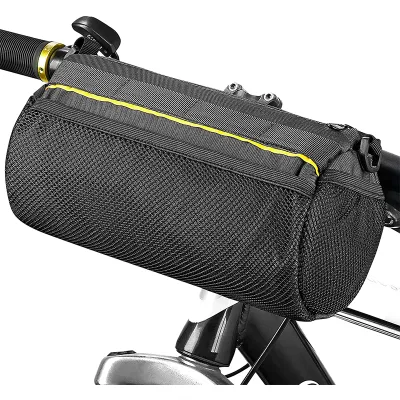


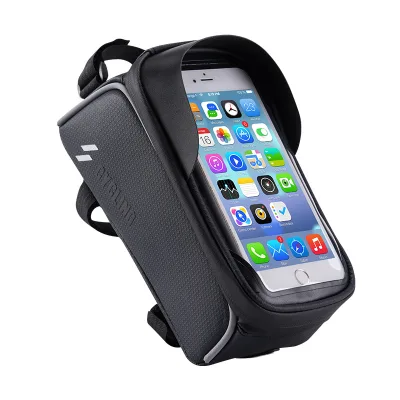
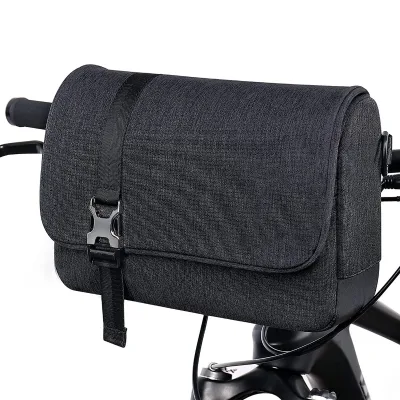
Bicycle Handlebar Bag Waterproof Outdoor Road Bike Bag Bicycle Front Frame Storage Bag
$4.99 - $8.99
MOQ: 500 Pieces


Waterproof Front Bag Cycling Front Storage Basket Bags Bicycle Accessories Handlebar Bag
$3.42 - $4.98
MOQ: 500 Pieces
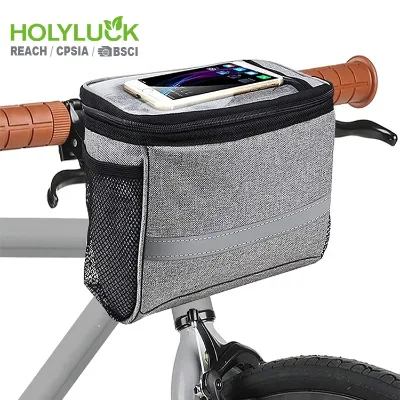


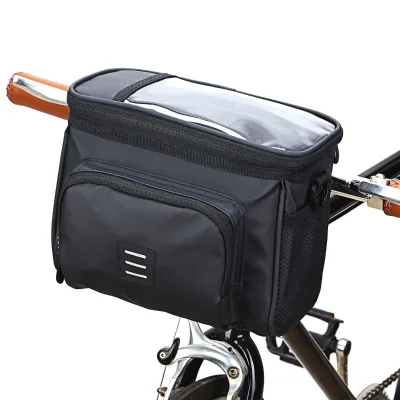


Bicycle Handlebar Bag Bicycle Front Bag Bicycle Storage Bag Can Be Customized
$4.00 - $10.00
MOQ: 500 Pieces
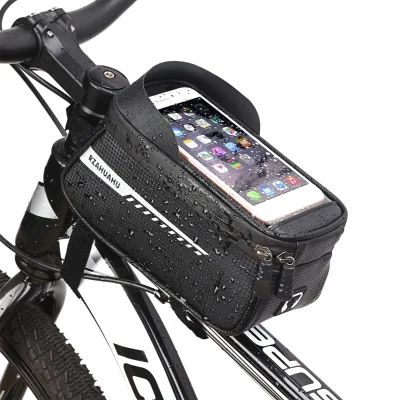
Comprehensive Sourcing Guide
Strategic Sourcing Guide for Bicycle Handlebar Bags
The global demand for bicycle accessories has surged, driven by the growing popularity of urban commuting, recreational cycling, and adventure touring. Among the various components required for a functional ride, the Bicycle Handlebar Bag has emerged as a critical piece of equipment. This guide provides a comprehensive, evidence-based framework for B2B buyers researching the Bicycle Handlebar Bag category. It focuses on interpreting technical specifications, evaluating supplier capabilities, and understanding the cost drivers inherent in manufacturing these specific storage solutions. The analysis relies strictly on observed market data and verified product attributes to ensure actionable procurement strategies.
Technical Specifications and Material Composition
When sourcing bicycle handlebar bags, the primary technical differentiator lies in the material composition and dimensional constraints. The market data indicates a strong preference for high-denier polyester fabrics, specifically 900D Polyester. This material choice is not arbitrary; 900D polyester offers an optimal balance between tensile strength and weight, essential for a bag that must withstand the vibrations and dynamic loads of cycling without adding excessive mass to the handlebars. The observed hardness of these products is typically classified as "Medium Soft," suggesting a construction that provides structural integrity while remaining flexible enough to conform to various handlebar geometries.
Dimensional consistency is another critical specification. The observed single package sizes often cluster around 25x10x2 cm for the packaging itself, while the product dimensions vary significantly based on the intended capacity. The data highlights a capacity range of less than 20 liters, with specific models designed for capacities under 2 kilograms. This indicates that the majority of the market focuses on small-to-medium utility bags rather than heavy-duty expedition gear. Buyers must verify the exact internal volume and external dimensions against their specific bicycle frame geometry, as the "Size" attribute observed in the market frequently falls under the 8-inch threshold for specific mounting points.
Furthermore, the standardization of dimensions varies by manufacturer. Observed standards include measurements such as 15x5x11.5 cm, 17.5x12x3.5 cm, and 23x12x18 cm. These variations suggest that a "one-size-fits-all" approach is rarely effective. Procurement teams should request detailed dimension sheets for each model number, such as BMR-417 or EMBB011, to ensure compatibility with the target customer's bicycle types. The "Single gross weight" of approximately 0.300 kg to under 0.5 kg is a key metric for logistics planning, as it directly impacts shipping costs and the final retail price point.
Compliance, Certification, and Quality Assurance
In the B2B sector, compliance and certification are non-negotiable elements of the sourcing process. The supply chain for bicycle accessories is increasingly scrutinized for labor practices and environmental standards. The presence of BSCI (Business Social Compliance Initiative) certification in the product data serves as a tangible indicator of a supplier's commitment to ethical manufacturing. Buyers should prioritize suppliers who can provide valid, up-to-date BSCI audit reports, as this certification often acts as a prerequisite for entering major Western markets.
Beyond social compliance, product-specific certifications are vital. While the data does not list specific material safety certifications (such as REACH or ISO 9001) for every item, the "Waterproof" and "Shockproof" functional attributes imply a need for rigorous testing. Buyers must verify that the waterproof claims are backed by actual test results, such as IP rating certifications or hydrostatic head tests, rather than relying solely on marketing descriptions. The "Function" attribute often lists "Multipurpose" or "for Navigation," which requires the bag to maintain structural integrity and water resistance even when subjected to the shock of rough terrain.
Quality assurance should also extend to the packaging standards. The observed "prod_packing" attributes, such as "Polybag" or "1 PP 1 Bag," indicate that the internal packaging is designed for protection during transit. However, for B2B shipments, buyers should evaluate whether the polybag thickness meets the requirements for long-distance ocean freight to prevent moisture ingress or tearing. The "Standard" attribute often lists specific dimensions like 9x4.7x5.9 inches or 40x16x16 cm, which may refer to the retail box or the compressed product size. Ensuring that the packaging standard aligns with the supplier's actual production output is essential to avoid damage and returns.
Cost Drivers and Pricing Dynamics
Understanding the cost structure of bicycle handlebar bags is crucial for negotiating favorable terms. The observed price range in the market spans from $0.20 to $15.99 USD, a wide disparity that reflects differences in material quality, customization levels, and order volumes. The lower end of the spectrum typically corresponds to basic, non-customized units with minimal branding, while the higher end includes premium materials, complex waterproofing technologies, and extensive customization options.
The Minimum Order Quantity (MOQ) is a significant factor influencing the unit cost. The data shows an MOQ range of 30 to 2000 pieces. Suppliers with lower MOQs (e.g., 30-500 pieces) often charge a premium per unit to cover the setup costs of smaller production runs. Conversely, suppliers requiring higher MOQs (e.g., 500-2000 pieces) can offer more competitive pricing due to economies of scale. Buyers must balance their inventory needs with their cash flow constraints. For instance, an MOQ of 500 pieces is frequently cited as a standard threshold for custom logo printing, which adds value but also increases the initial investment.
Additional cost drivers include the customization of the product. The "Customization" attribute is listed as "Available," and "Logo Printing" is a common feature. Customization involves additional setup fees for molds, screen printing plates, or embroidery machines. The "Sample Time" of 5-7 days suggests that the customization process is relatively streamlined, but buyers should account for the time required for sample approval before mass production begins. Furthermore, the "Single package size" and "Gross Weight" directly impact shipping costs. A bag that is 25x10x2 cm in its package form is highly efficient for container loading, whereas bulkier packaging can significantly increase freight expenses.
Supplier Evaluation and Geographic Considerations
The geographic origin of the manufacturer plays a pivotal role in the sourcing strategy. The data indicates that the primary production hubs are located in Guangdong, Zhejiang, and Quanzhou, China. These regions are well-established manufacturing clusters for textile and bag products, offering a mature supply chain for raw materials like 900D polyester. Guangdong is known for its advanced manufacturing capabilities and export infrastructure, while Zhejiang and Quanzhou offer specialized expertise in specific types of bag construction.
When evaluating suppliers, buyers should look beyond the stated "Place of Origin." It is essential to verify the factory's actual production capacity and history. The presence of multiple model numbers, such as 1504306, 1504307, and BCY211010, suggests that some suppliers offer a diverse portfolio of products. This diversity can be advantageous for buyers seeking a one-stop shop, but it also requires careful vetting to ensure that the supplier's expertise aligns with the specific requirements of the handlebar bag category.
The "Style" attribute, ranging from "Leisure" to "Simplicity," and the "Gender" classification of "Unisex," indicate that the target market is broad. Buyers should assess whether the supplier has experience producing for the specific demographic they intend to serve. For example, a supplier specializing in "Leisure" style bags may not have the design expertise required for high-performance "Cycling" specific models. Additionally, the "Bearing Capacity" of less than 2 kg is a critical constraint; suppliers must demonstrate that their stitching and strap attachments can reliably support this load without failure.
Typical Applications and Usage Scenarios
The functional applications of bicycle handlebar bags are diverse, driven by the specific needs of different cycling disciplines. The "Usage" attributes observed include "for Navigation" and "Cycling," highlighting the bag's role as a utility accessory. For commuters, the bag serves as a secure storage solution for smartphones, GPS devices, keys, and wallets, protecting them from the elements while keeping them accessible. The "Waterproof" feature is particularly critical in this context, as exposure to rain is a common occurrence.
For recreational cyclists, the "Kind" attribute of "Frame Bag" or "Front Bike Bag" suggests a focus on lightweight storage that does not interfere with the bike's handling. The "Hardness" of "Medium Soft" allows the bag to absorb some of the shock from uneven roads, protecting the contents inside. The "Function" of "Shockproof" further reinforces this application, ensuring that delicate electronics remain intact during the ride.
The "Style" of "Simplicity" or "Leisure" appeals to a broad consumer base, including casual riders and urban commuters. These users prioritize ease of use and aesthetic appeal over extreme durability. However, for more serious applications, the "Bearing Capacity" and "Material" strength become paramount. Buyers should categorize their potential customers based on these usage scenarios to recommend the appropriate product specifications. A bag designed for "Multipurpose" use might be suitable for a wider range of customers than one designed specifically for "Navigation."
Long-Term Procurement Considerations
Sourcing bicycle handlebar bags is not a one-time transaction but a long-term partnership that requires strategic planning. The "Sample Time" of 5-7 days is a positive indicator of a supplier's responsiveness, but buyers must also consider the lead time for mass production. While specific lead times are not provided in the data, the variability in "prod_standard" (ranging from 15.5x11x9 cm to customized dimensions) suggests that production times may fluctuate based on the complexity of the order.
Sustainability is an emerging consideration in the B2B market. While the data does not explicitly mention eco-friendly materials, the use of polyester is standard. Buyers should inquire about the source of the polyester and whether recycled materials are available. The "Customization" aspect also offers an opportunity to differentiate the product in a crowded market. By offering unique colors like "Black," "Orange," or "Grey," and custom logo printing, buyers can build brand loyalty and command higher price points.
Finally, the "Selling Units" of "Single item" indicate that the product is typically sold individually, which simplifies inventory management for retailers. However, buyers should consider the potential for bundling these bags with other cycling accessories to increase average order value. The "MOQ" of 500 pieces for custom orders suggests that buyers should plan their inventory cycles carefully to avoid overstocking or stockouts. By maintaining a clear understanding of the technical specifications, compliance requirements, and cost drivers, buyers can navigate the Bicycle Handlebar Bag market with confidence and secure a reliable supply chain.
FAQs
What material is used for bicycle handlebar bags?
These bags are constructed from 900D Polyester to ensure durability. This high-denier fabric provides an optimal balance between tensile strength and weight for cycling applications.
Can I customize the logo on these bicycle handlebar bags?
Yes, logo printing is available for customization. Buyers should note that custom orders often require a minimum order quantity of 500 pieces to cover setup costs.
Which certification do some Bicycle Handlebar Bag suppliers hold?
Some suppliers hold BSCI certification for social compliance. This indicates adherence to ethical manufacturing standards required for entry into major Western markets.
How much weight can a Bicycle Handlebar Bag hold?
The bearing capacity is typically under 2 kilograms. This limit ensures the bag remains stable on the handlebars without affecting the bicycle's handling dynamics.
What is the typical MOQ for Bicycle Handlebar Bag orders?
The minimum order quantity ranges from 30 to 2000 pieces depending on the supplier. Lower MOQs usually result in higher unit costs due to smaller production runs.
Where are Bicycle Handlebar Bag manufacturers primarily located?
Manufacturers are primarily located in Guangdong, Zhejiang, and Quanzhou, China. These regions offer mature supply chains for textile and bag production.
Can bicycle handlebar bags be used for navigation purposes?
Yes, many models are designed specifically for navigation usage. They often feature waterproof and shockproof functions to protect devices like GPS units during rides.