Source Bicycle Rear Reflector for Safety, Cycling, and Retail
Find and compare 30 Bicycle Rear Reflector options from verified Chinese manufacturers. Evaluate models like BXJ-B15 and KB101 based on materials such as acrylic and PMMA, certifications including CE and En13356, and packaging details to select the right safety components for your supply chain needs.
Key considerations
Products List


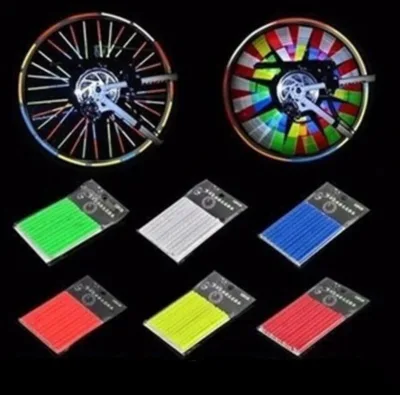

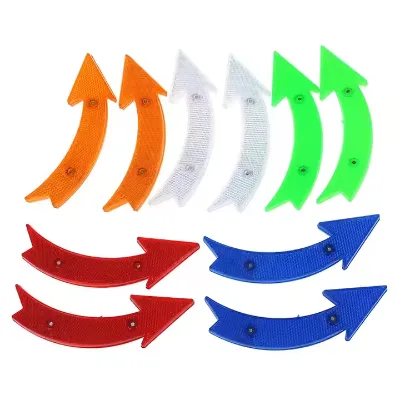
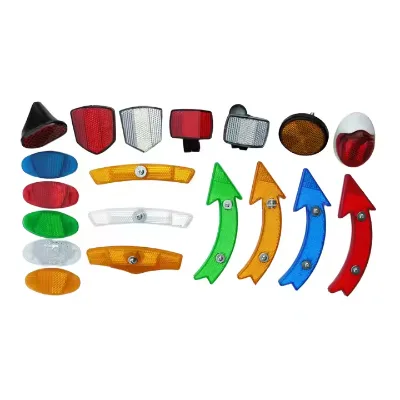
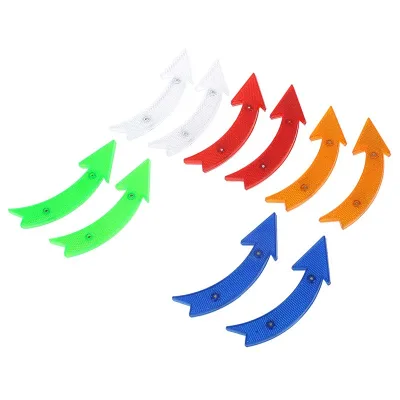
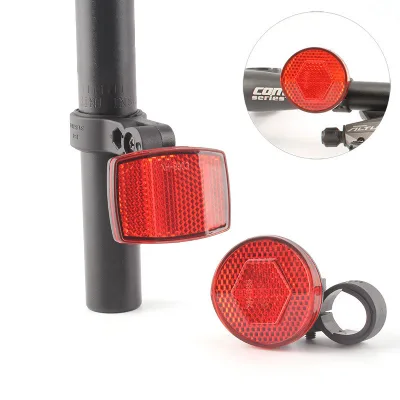
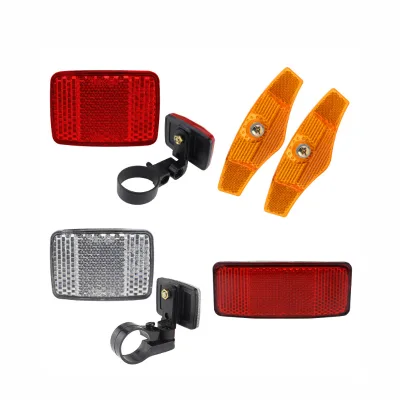
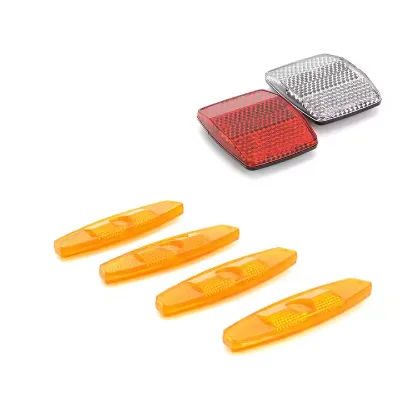


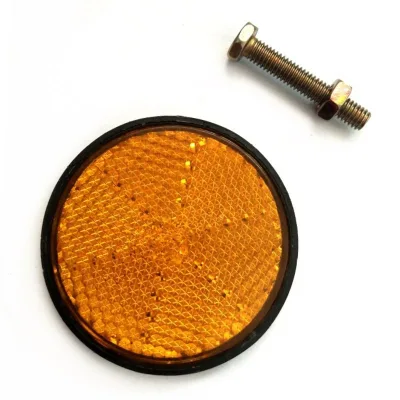
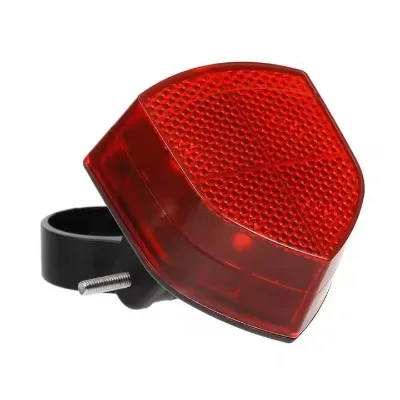


Comprehensive Sourcing Guide
Bicycle Rear Reflector Sourcing Guide
Procuring bicycle rear reflectors requires a clear understanding of the diverse product landscape, ranging from simple acrylic units to complex reflective lattice systems. Buyers must distinguish between models designed for ordinary bicycles and those intended for specific road sign applications, as the structural requirements and mounting mechanisms differ significantly. The observed market offers a wide array of customization options, allowing purchasers to tailor product attributes such as color, size, and packaging to their specific distribution needs.
The commercial landscape presents a broad price spectrum and varying minimum order quantities, necessitating careful budget planning before engaging with suppliers. While some listings indicate low entry thresholds, others require substantial volume commitments to secure favorable unit economics. Understanding these commercial signals is critical for aligning procurement strategies with inventory capacity and cash flow constraints, ensuring that the selected supplier can meet both immediate volume needs and long-term scaling requirements without compromising on product integrity.
Product Scope and Observed Listing Signals
The product scope encompasses a variety of rear reflector models, including specific designations like BXJ-B15 and BXJ-B01, which feature distinct dimensions and material compositions. Buyers should note that materials range from standard acrylic to specialized PMMA lenses, with thicknesses varying to meet different durability expectations. The observed listings also highlight diverse packaging configurations, from individual polybag units to bulk carton shipments containing thousands of pieces, which directly impacts logistics planning and storage requirements.
Color and functional attributes are key differentiators in this category, with white and red options being prominent alongside specialized pedestrian hanger functions. The fitting methods vary from rope and ball chain attachments to snap-install mechanisms, requiring buyers to verify compatibility with their specific bicycle frames or accessory systems. Additionally, the presence of customized options suggests that suppliers can adapt standard designs, but procurement teams must clearly define these custom parameters early to avoid production delays or specification mismatches.
Technical Specifications to Verify
Technical verification begins with precise dimensional analysis, as observed standards include measurements such as 6435mm and 119.528.5mm, which dictate the physical footprint of the reflector. Buyers must confirm that the listed thickness, such as the 8mm specification found in certain models, aligns with the required structural rigidity for the intended application. Ignoring these physical constraints can lead to installation failures or aesthetic inconsistencies, particularly when integrating reflectors into mass-produced bicycle models where space is limited.
Material composition and weight are equally critical technical factors that influence both performance and shipping costs. The use of reflective lattice materials and PMMA lenses suggests a focus on high visibility and durability, yet the weight differences between a 16g unit and a 20.65g unit can accumulate significantly in large orders. Procurement teams should request detailed material data sheets to ensure that the selected components meet the necessary optical and mechanical standards for their specific market segment, whether for general road use or specialized signage applications.
Compliance and Safety Documentation
Compliance verification is paramount, with observed certifications including CE and En13356, which indicate adherence to specific safety and quality benchmarks. Buyers must ensure that the supplier provides valid documentation for these certifications, as they are often mandatory for market entry in regions with strict safety regulations. The presence of CCC standards in some listings further highlights the importance of verifying that products meet the regulatory requirements of the destination country, particularly for goods originating from China.
Beyond certifications, the warranty terms and product condition serve as indicators of supplier confidence and product reliability. A five-year warranty on certain items suggests a high level of durability and manufacturer support, which can reduce long-term liability for the buyer. However, procurement teams must scrutinize the specific terms of these warranties to understand what is covered, such as material defects versus environmental wear, ensuring that the protection offered aligns with the expected lifespan of the reflectors in their operational environment.
Cost Drivers and Commercial Terms
Cost drivers in this category are heavily influenced by material selection, customization levels, and packaging complexity. The use of specialized materials like reflective lattice or PMMA lenses typically commands a higher price point compared to standard acrylic options, while custom colors and dimensions add further manufacturing overhead. Buyers should analyze the trade-off between unit cost and volume, as the observed MOQ ranges from 2 to 5000 pieces, meaning that smaller orders may incur significantly higher per-unit costs due to setup and handling fees.
Commercial terms extend beyond the unit price to include packaging specifications and shipping logistics. The variation from single polybag packaging to bulk carton shipments of 1000 or 5000 pieces affects both the initial purchase price and the downstream logistics expenses. Procurement teams must negotiate clear terms regarding who bears the cost of specialized packaging and how the product is secured during transit, as improper packing can lead to damage and financial loss, negating any savings achieved through lower unit pricing.
Supplier Qualification and Quality Control
Supplier qualification requires a thorough assessment of their production capabilities and quality control systems, particularly given the diverse origins observed in the market, including Zhengjiang and Shanghai. Buyers should verify that the supplier has a proven track record of maintaining consistent product quality across different batches, as variations in material thickness or color consistency can lead to customer dissatisfaction. The availability of customization services also indicates a flexible production line, but this flexibility must be balanced with rigorous quality assurance protocols.
Quality control measures should include pre-shipment inspections and adherence to the specified standards, such as the 5533.8mm dimensions or the 43.523.5*35cm packaging standards. Buyers must ensure that the supplier implements robust testing procedures to validate the reflective properties and structural integrity of the reflectors before they leave the factory. Establishing a clear communication channel for quality feedback is essential, allowing for the rapid identification and resolution of any defects that may arise during the production or inspection phases.
Long-Term Procurement Checks
Long-term procurement success depends on establishing a sustainable relationship with suppliers who can consistently meet evolving market demands and regulatory changes. Buyers should regularly review the supplier's ability to maintain certification status and adapt to new safety standards, ensuring that the product line remains compliant over time. This proactive approach helps mitigate the risk of supply chain disruptions and ensures that the reflectors continue to meet the safety expectations of end-users and regulatory bodies.
Continuous performance monitoring is also vital, requiring buyers to track key metrics such as defect rates, delivery times, and warranty claim frequencies. By analyzing these data points, procurement teams can identify trends and address potential issues before they escalate into major problems. Furthermore, maintaining a clear record of product specifications and supplier interactions facilitates smoother negotiations for future orders, ensuring that the procurement strategy remains aligned with the organization's long-term goals and operational efficiency.
FAQs
How are bicycle rear reflectors installed on a standard bicycle?
Installation is typically done by snapping the reflector onto the rear rack, seat stay, or fender, and some models use a rope or ball chain as a pedestrian hanger. Snap-fit mounting needs no tools, while hanger styles attach to seat posts or bags. Confirm the fitting method, such as snap or rope or ball chain, with the supplier before ordering.
What materials are commonly used for bicycle rear reflectors?
The lens is usually made of PMMA acrylic, and the reflective surface uses reflective lattice material. PMMA offers good optical clarity and weather resistance for outdoor cycling use. When comparing listings, check both the lens material and the reflective material type, because they directly affect brightness, durability, and long-term performance on the bicycle.
Which certifications should bicycle rear reflectors meet for export?
CE certification and the EN13356 standard are commonly listed for pedestrian and bicycle hanger reflectors, and CCC appears for some products. Requirements vary by destination market, so verify which certification applies to your target country. Ask suppliers for certification documents tied to the exact model you intend to purchase, not just general certificates.
What customization options are available for bicycle rear reflectors?
Customization is available on these listings, including customized colors such as white, red, and yellow, plus custom sizes and models. Customization usually affects unit price, minimum order quantity, and lead time, so confirm these details early. Provide your logo, packaging, and specification requirements in writing before requesting samples or quotes from suppliers.
How is the MOQ determined for Bicycle Rear Reflector orders?
Listed MOQs range from 2 pieces to 5000 pieces depending on the model, and some products specify a 500-piece MOQ. Low MOQs usually apply to stock items, while customized orders require higher quantities. Confirm the MOQ for your chosen model, color, and packaging configuration, since customization and packing choices can change the minimum order.
What packaging options are used for shipping bicycle rear reflectors?
Common packaging includes polybags, 2 pieces in a card, polybags inside cartons, and bulk cartons with 500 or 1000 pieces per carton, sometimes with pallets. Inner polybags protect reflective surfaces during transit. Discuss carton dimensions, units per carton, and pallet needs with your supplier so freight costs and retail-ready packaging match your distribution plan.
Which reflector sizes and models are typically available?
Listed models include BXJ-B01, BXJ-B03, BXJ-B05, BXJ-B11, BXJ-B13, BXJ-B15, KB101, KB301, and KB303, with sizes such as 119.5 by 28.5 mm, 64 by 35, 72.9 by 23, 55 by 33.8 mm, and 59.5 by 59.5 mm. Thickness examples include 8 mm, with weights around 16 g to 20.65 g. Match size and mounting style to your bicycle application.
Can suppliers provide warranty terms for bicycle rear reflectors?
Some listings show a 5-year warranty, which reflects confidence in the acrylic lens and reflective lattice construction. Warranty terms differ by model and supplier, so request written warranty coverage covering material defects and reflective performance. Also confirm the production origin, such as China or Shanghai, and clarify whether warranty claims cover replacement parts or full units.