Source Bimetallic Conical Screw Barrel for PVC, ABS, and PE
Find 30 listings for the Bimetallic Conical Screw Barrel designed for processing PVC, ABS, and PE plastics. Buyers can compare specifications like screw type, material, and nitrided hardness across suppliers in China.
Key considerations
Products List


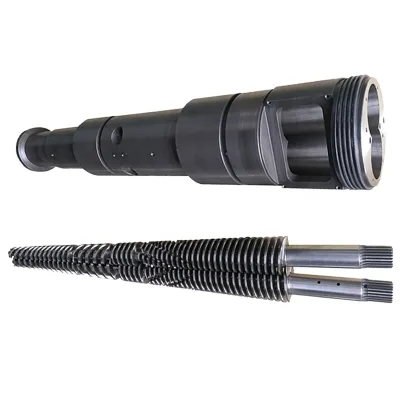


High Wear Resistant Screw Barrel Plastic Screw and Barrel Bimetallic Screw Barrel and Barrel
$500.00 - $2000.00
MOQ: 10 Pieces


Comprehensive Sourcing Guide
Strategic Sourcing Guide for Bimetallic Conical Screw Barrels
The procurement of industrial extrusion components, specifically the Bimetallic Conical Screw Barrel, requires a rigorous approach grounded in verified technical data and supply chain transparency. Buyers in the plastics processing sector must navigate a complex landscape where material science, manufacturing precision, and compliance standards intersect. This guide provides a structured framework for evaluating potential suppliers and products, ensuring that the acquired components meet the demanding operational requirements of modern extrusion lines. The focus remains strictly on observable attributes, verified specifications, and logical procurement strategies derived from industry standards and available product data.
Technical Architecture and Material Composition
The core of any high-performance extrusion system lies in the screw and barrel assembly. For a Bimetallic Conical Screw Barrel, the construction involves a steel core coated with a specialized wear-resistant alloy. This design is critical for handling abrasive plastic compounds while maintaining dimensional stability under high thermal and mechanical stress. The supplied data indicates that the base material for these components often includes specific alloy steels such as 38CrMoAlA and 42CrMo. These materials are selected for their high tensile strength and ability to undergo nitriding treatments effectively.
The nitriding process is a defining characteristic of the bimetallic construction. The data specifies a nitrided layer depth ranging from 0.5mm to 0.8mm, with a corresponding hardness of HRC 56-58. This precise metallurgical treatment ensures that the barrel surface can withstand the friction generated during the extrusion of materials like PVC, ABS, and PE. The conical geometry of the screw is particularly suited for processing rigid plastics, as it provides a gradual compression ratio that aids in melting and homogenizing the polymer melt.
When evaluating technical specifications, buyers must verify the screw diameter, which in the observed market ranges from 20mm to 500mm. The specific model numbers, such as ZYT422 or ZYE502, serve as unique identifiers for different configurations, but the underlying engineering principles remain consistent. The distinction between single-screw and twin-screw configurations is also vital. While the data highlights single-screw models for specific applications, the availability of twin-screw options suggests a broader capability for mixing and compounding. The structure of the barrel is described as vertical and horizontal composite, indicating versatility in machine integration.
Compliance, Certification, and Regulatory Standards
In the global B2B market, compliance is not merely a formality but a prerequisite for operational safety and product liability protection. The sourcing of bimetallic screw barrels must be accompanied by a thorough review of certification documents. The observed product data lists several recognized standards, including ISO 9001:2008, which serves as a baseline for quality management systems. While this standard confirms that the supplier has a documented process for quality control, it does not guarantee the performance of a specific batch of screws.
Beyond quality management, product-specific certifications are essential. The data references CE, SGS, BV, and TUV certifications. These marks indicate that the equipment or components have undergone testing for safety and performance against specific regulatory frameworks. For instance, CE marking is mandatory for products sold within the European Economic Area, ensuring compliance with health, safety, and environmental protection standards. Similarly, TUV and SGS certifications often involve third-party verification of material composition and mechanical properties.
Buyers should verify that the certifications listed on the product page match the actual documentation provided by the supplier. The presence of a "GB" standard reference suggests compliance with Chinese national standards, which is common for domestic manufacturing but may require translation or equivalence analysis for international buyers. It is crucial to note that while the data lists these certifications, the specific scope of each certification must be confirmed. A supplier may hold a general ISO certificate without specific testing for the bimetallic layer thickness or hardness. Therefore, procurement teams must request test reports that correlate directly with the claimed nitriding depth and hardness values.
Cost Drivers and Pricing Dynamics
Understanding the cost structure of bimetallic screw barrels is essential for budgeting and negotiation. The observed price range in the market spans from $20 to $20,000, a variance that reflects significant differences in scale, material quality, and customization. The lower end of the spectrum likely corresponds to smaller diameter screws or standard off-the-shelf models, while the upper end represents large-diameter, highly customized, or high-precision components.
Several factors drive these costs. The primary driver is the base material. The use of premium alloy steels like 38CrMoAlA incurs higher raw material costs compared to standard carbon steels. Furthermore, the nitriding process is energy-intensive and requires specialized equipment, adding to the manufacturing overhead. The depth and uniformity of the nitrided layer directly impact the price; a deeper, more consistent layer requires tighter process control and longer treatment times.
Customization is another significant cost factor. The data indicates that customization is available, and specifications such as diameter and length can be tailored. Custom designs require unique tooling and engineering time, which increases the unit price. Additionally, the packing method influences logistics costs. While some products are shipped in standard packages, others require wooden cases or specific coatings like slushing oil to prevent corrosion during transit. These packaging requirements add to the final landed cost.
Buyers should be aware that the Minimum Order Quantity (MOQ) ranges from 1 to 10 units. This flexibility allows for small-batch procurement, which can be beneficial for testing or replacement needs, but it may result in a higher per-unit cost compared to bulk orders. Lead times, observed at approximately 25 days for delivery, also impact the total cost of ownership. Longer lead times may necessitate higher inventory buffers, increasing holding costs for the buyer.
Application Scope and Process Compatibility
The versatility of bimetallic screw barrels makes them suitable for a wide array of plastic processing applications. The data identifies specific plastic types processed, including PVC, ABS, PE, and PP. Each of these materials presents unique challenges in terms of thermal sensitivity, abrasiveness, and melt viscosity.
For PVC processing, the screw barrel must withstand the corrosive nature of the material while maintaining precise temperature control. The nitrided layer provides the necessary resistance to wear and corrosion. Similarly, for PE and PP, the screw design must ensure efficient melting and mixing without degrading the polymer. The data mentions that the screw is compatible with "Recycle" and "Degradable" features, suggesting suitability for processing recycled plastics, which often contain impurities that accelerate wear.
The type of extruder also dictates the screw requirements. The observed data lists Pipe Extruders, Profile Extruders, and Piston Extruders. Each application demands a specific screw geometry. For example, a pipe extruder requires a screw that provides high output and stable pressure, while a profile extruder may prioritize precision in the melt homogenization. The conical design is particularly advantageous for these applications as it offers a gradual compression ratio, reducing the risk of material degradation.
Buyers must match the screw specifications to their specific production needs. The diameter range of 20-500mm covers a vast spectrum of machine sizes, from small laboratory extruders to large industrial lines. The exhaust feature mentioned in the data is crucial for applications requiring the removal of volatiles or moisture from the plastic melt, further expanding the range of compatible processes.
Supplier Evaluation and Operational Due Diligence
Selecting the right supplier is as critical as selecting the right product. The data indicates that suppliers are located in various regions, including Zhoushan, Wenzhou, Zhejiang, and Ruian. While these locations suggest a concentration of manufacturing capabilities in China, buyers should not rely solely on geographic proximity. Instead, they must evaluate the supplier's technical competence and production capacity.
Key evaluation criteria include the supplier's ability to provide detailed technical drawings, material certificates, and process validation reports. The presence of certifications like CE and TUV is a positive indicator, but buyers should verify the validity and scope of these documents. Additionally, the supplier's experience with specific plastic types, such as PVC or ABS, should be assessed. A supplier with a proven track record in processing abrasive materials is more likely to deliver a screw with the required durability.
The customization capability is another vital factor. The data confirms that customization is available, but buyers must ensure the supplier has the engineering resources to design and manufacture custom screws. This includes the ability to adjust the screw geometry, nitriding depth, and hardness to meet specific application requirements. The "Standard Package" and "Wooden Case" options indicate that the supplier has experience in packaging for international shipping, which is essential for protecting the precision-machined components during transit.
Quality Control and Long-Term Procurement Strategy
Quality control is the backbone of a successful procurement strategy for industrial components. The data highlights the importance of verifying the nitrided layer depth and hardness. Buyers should implement a rigorous inspection protocol that includes non-destructive testing to verify the coating thickness and hardness values. The specified range of 0.5-0.8mm for depth and HRC 56-58 for hardness must be confirmed through independent testing or supplier-provided test reports.
Long-term procurement considerations involve building a relationship with a supplier that can provide consistent quality over time. This includes establishing clear communication channels for technical support and after-sales service. The lead time of 25 days suggests a need for proactive planning to avoid production downtime. Buyers should consider maintaining a strategic inventory of critical spare parts, such as screw barrels, to mitigate the risk of supply chain disruptions.
The "Recycle" and "Degradable" features mentioned in the data suggest that the market is evolving towards more sustainable practices. Buyers should evaluate whether their suppliers are adapting to these trends by offering screws that can handle recycled materials effectively. This not only reduces operational costs but also aligns with broader corporate sustainability goals.
In conclusion, sourcing bimetallic conical screw barrels requires a balanced approach that combines technical expertise, rigorous compliance checks, and strategic supplier evaluation. By focusing on verified specifications, understanding cost drivers, and implementing robust quality control measures, buyers can secure high-performance components that enhance their extrusion operations. The data provided offers a solid foundation for this process, but continuous verification and due diligence remain essential for success in the competitive B2B market.
Comparative Analysis of Screw Specifications
To facilitate decision-making, the following table summarizes the key technical attributes observed in the product data. This comparison helps buyers quickly identify the relevant specifications for their specific application needs.
| Attribute | Observation / Range | Relevance to Procurement |
|---|---|---|
| Base Material | 38CrMoAlA, 42CrMo | Determines core strength and nitriding capability. |
| Nitrided Layer Depth | 0.5mm - 0.8mm | Critical for wear resistance and service life. |
| Nitrided Hardness | HRC 56-58 | Indicates surface durability against abrasive plastics. |
| Screw Type | Single-Screw, Twin-Screw | Dictates mixing efficiency and processing capability. |
| Diameter Range | 20mm - 500mm | Matches the size of the extruder machine. |
| Plastic Processed | PVC, ABS, PE, PP | Ensures compatibility with the buyer's raw materials. |
| Certifications | ISO 9001:2008, CE, SGS, BV, TUV | Verifies quality management and safety compliance. |
| Origin | Zhoushan, Wenzhou, Ruian (China) | Indicates manufacturing hub and potential logistics factors. |
| Packaging | Wooden Case, Standard, Slushing Oil Coated | Affects shipping protection and corrosion prevention. |
| Lead Time | 25 Days | Influences inventory planning and production scheduling. |
This table serves as a reference point for buyers to cross-reference their requirements with available market data. It highlights the variability in specifications and the importance of verifying each attribute against the specific needs of the extrusion process. By using this structured approach, buyers can make informed decisions that optimize performance, reduce costs, and ensure long-term operational reliability.
FAQs
What materials are used for the screw core?
The screw core is constructed from alloy steels such as 38CrMoAlA and 42CrMo. These materials provide the necessary tensile strength to withstand high mechanical stress during the extrusion of various plastic types.
How deep is the nitrided layer on the barrel?
The nitrided layer depth ranges from 0.5mm to 0.8mm. This specific thickness ensures the surface can resist abrasion and wear when processing materials like PVC, ABS, and PE in industrial applications.
Which certifications do these screw barrels hold?
Products typically hold ISO 9001:2008, CE, SGS, BV, and TUV certifications. These marks verify compliance with quality management systems and safety standards required for international trade and operational safety.
Can the screw diameter be customized for specific machines?
Yes, the screw diameter can be customized to fit various extruder requirements. Available sizes range from 20mm to 500mm, allowing buyers to select dimensions that match their specific production line capacity.
What is the typical lead time for delivery?
The standard delivery lead time is approximately 25 days. This timeframe accounts for manufacturing, quality control, and packaging preparation before the shipment leaves the origin facility in China.
Which plastic types are compatible with this equipment?
The equipment processes thermoplastics including PVC, ABS, PE, and PP. It is also designed to handle recycled and degradable materials, making it versatile for sustainable manufacturing environments.
How is the product packed for international shipping?
Products are packed in wooden cases to ensure protection during transit. Some items may also be coated with slushing oil and wrapped in film to prevent corrosion before reaching the buyer.