Source Bimetallic Coated Screw Barrel for PVC, PE, and PP Extrusion
Compare 30 listings for Bimetallic Coated Screw Barrel options tailored for PVC, PE, and PP processing. Buyers can evaluate specifications like screw type, material hardness, and nitrided layer depth to find suitable suppliers for extrusion molding applications.
Key considerations
Products List




Comprehensive Sourcing Guide
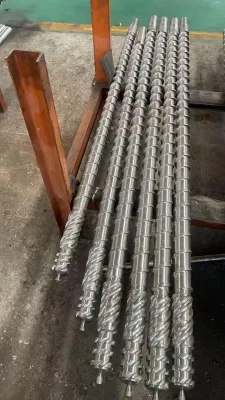
Bimetallic Coated Screw Barrel Sourcing Guide
Sourcing high-performance extrusion components requires a nuanced understanding of material science and manufacturing tolerances, particularly when dealing with bimetallic coated screw barrels. These components are critical for maintaining process stability in demanding plastic processing environments, where wear resistance and thermal efficiency directly impact production uptime and product quality. Buyers must approach this procurement category with a focus on verifying the integrity of the coating bond, the hardness gradients of the layers, and the compatibility with specific extruder geometries. The following guide provides a structured framework for evaluating suppliers, interpreting technical data, and mitigating risks associated with industrial machinery parts.
The market for these components is diverse, ranging from single-screw configurations to twin-screw systems, each serving distinct processing needs for thermoplastics such as PVC, PE, and PP. Observations from current listings indicate a wide variance in specifications, including screw diameters from 20mm to 500mm and varying nitrided layer depths. This diversity necessitates a rigorous verification process to ensure that the selected barrel matches the operational requirements of the specific extruder line. Procurement teams must prioritize suppliers who provide transparent technical documentation and demonstrate a clear understanding of the mechanical stresses involved in high-speed extrusion processes.
Product Scope and Observed Listing Signals
The observed product landscape for bimetallic screw barrels reveals a significant range in pricing, typically spanning from $50 to $40,000 USD, which reflects the complexity of manufacturing and the scale of the component. Minimum Order Quantities (MOQ) are generally low, ranging from 1 to 10 units, indicating that these are often custom-made or made-to-order items rather than mass-produced stock items. This pricing and volume structure suggests that buyers should expect a lead time that accommodates specialized machining and coating processes, rather than immediate off-the-shelf availability. Understanding this commercial reality is essential for accurate production planning and inventory management.
Listings frequently highlight specific material compositions, such as nitriding steel or aluminum bases, and detailed hardness metrics like HRC56-58 for the nitrided layer and HRC58-62 for the bimetallic layer. These attributes are critical indicators of performance potential, particularly for applications involving abrasive fillers or corrosive plastics. However, buyers must treat these listed attributes as observations rather than guaranteed specifications for every unit. It is imperative to request material test reports and coating thickness measurements for the specific batch being ordered, as variations in base material quality or coating application can significantly affect the lifespan and efficiency of the screw barrel.
Technical Specifications to Verify
Verifying the geometric compatibility of the screw barrel is the first critical step in the technical evaluation process. Buyers must confirm the exact diameter, length, and pitch of the screw to ensure it fits the existing extruder housing without modification. The observed data includes models with diameters such as 45mm, 60mm, 90mm, and 160mm, as well as single-screw and twin-screw configurations. Mismatches in these dimensions can lead to catastrophic equipment failure or inefficient processing. Therefore, procurement teams should provide precise engineering drawings or part numbers from the original equipment manufacturer (OEM) to suppliers to ensure exact dimensional conformity.
The integrity of the bimetallic coating is another vital technical parameter that requires rigorous verification. The coating depth, often cited around 3mm, and the hardness gradient are key factors in determining wear resistance. Buyers should request evidence of the bonding process, such as diffusion bonding or plasma spraying, and verify the nitrided layer depth, which may range from 0.5mm to 0.8mm. Additionally, the base material, whether it is 38CrMoAlA, 42CrMo, or other alloy steels, must be confirmed to ensure it meets the thermal and mechanical requirements of the intended application. Inconsistent coating adhesion or incorrect hardness levels can lead to premature delamination and costly downtime.
Compliance and Safety Documentation
While specific certification statuses can vary by supplier, many listings reference compliance with international standards such as ISO 9001:2008, CE, SGS, BV, and TUV. These certifications indicate that the supplier has established quality management systems and that the product may meet certain safety and performance benchmarks. However, buyers should not assume that a listed certification applies to every product variant without verification. It is essential to request valid, up-to-date certificates and confirm that they cover the specific manufacturing facility and product line being sourced. This due diligence helps mitigate risks associated with substandard manufacturing practices or non-compliant materials.
Documentation regarding the material composition and heat treatment processes is equally important for regulatory and operational safety. Buyers should ask for mill certificates for the base steel and coating materials to verify their chemical composition and mechanical properties. Furthermore, understanding the testing protocols used by the supplier, such as hardness testing, coating adhesion tests, and dimensional inspections, provides insight into the reliability of the product. Suppliers who proactively provide this documentation demonstrate a commitment to quality and transparency, which is crucial for maintaining long-term supply chain stability and ensuring that the components meet the stringent requirements of industrial operations.
Cost Drivers and Commercial Terms
The cost of a bimetallic screw barrel is influenced by several factors, including the size of the component, the complexity of the coating process, and the quality of the base materials. Larger diameters and longer screws require more raw material and longer machining times, which naturally increase the price. Additionally, the precision required for the coating application and the subsequent grinding and polishing processes contribute significantly to the final cost. Buyers should expect higher prices for components with specialized coatings or those designed for high-wear applications, as these require more advanced manufacturing techniques and stricter quality control measures.
Commercial terms, including payment methods, shipping arrangements, and warranty policies, play a crucial role in the overall procurement strategy. Given the high value and custom nature of these components, suppliers may require partial upfront payments or letters of credit. Buyers should negotiate clear terms regarding delivery times, packaging standards, and liability for defects. The observed packaging methods, such as wooden cases or slushing oil coating with film wrapping, are designed to protect the components during transit, but buyers should verify that these methods are suitable for their specific logistics requirements. Understanding these commercial dynamics helps in budgeting accurately and avoiding unexpected costs.
Supplier Qualification and Quality Control
Evaluating the manufacturing capabilities of potential suppliers is essential to ensure consistent quality and reliable delivery. Buyers should assess the supplier’s experience in producing bimetallic screw barrels, including their track record with similar applications and their ability to handle custom orders. Facilities with advanced machining centers, coating technologies, and testing equipment are better positioned to deliver high-quality components. Additionally, suppliers who offer customization services can provide tailored solutions that meet specific operational needs, such as unique screw profiles or specialized coating materials.
Quality control processes should be a key criterion in supplier selection. Buyers should inquire about the supplier’s inspection protocols, including in-process checks and final product testing. Suppliers who implement rigorous quality control measures, such as dimensional verification, hardness testing, and coating integrity checks, are more likely to deliver products that meet specifications. Furthermore, suppliers who provide traceability for materials and processes offer an additional layer of assurance. Establishing a clear communication channel for addressing quality issues and defining corrective action procedures is also vital for maintaining a productive supplier relationship.
Long-Term Procurement Checks
Establishing a long-term partnership with a reliable supplier requires ongoing monitoring and evaluation of performance metrics. Buyers should track key performance indicators such as delivery times, defect rates, and responsiveness to technical queries. Regular audits of the supplier’s quality management system and manufacturing processes can help identify potential issues before they impact production. Additionally, maintaining open communication regarding future needs and technological advancements allows for proactive planning and continuous improvement in the supply chain.
Feedback from end-users and maintenance teams is invaluable for assessing the real-world performance of the screw barrels. Buyers should collect data on wear rates, maintenance intervals, and overall efficiency gains or losses compared to previous components. This information can be used to refine specifications and negotiate better terms with suppliers. By continuously evaluating supplier performance and product quality, buyers can ensure that their procurement strategy remains aligned with operational goals and contributes to the long-term success of their manufacturing operations.
FAQs
What is the hardness of the bimetallic layer on the screw barrel?
The bimetallic layer hardness ranges from HRC58 to 62. This high hardness ensures durability during the extrusion process for materials like PVC and PE.
How deep is the nitrided layer on the screw barrel?
The nitrided layer depth is between 0.5 and 0.8mm. This specific depth provides enhanced surface wear resistance for the screw barrel components.
Which certifications are available for the screw barrel products?
Products hold certifications including CE, BV, SGS, and TUV. These standards ensure the machinery meets international safety and quality requirements for industrial use.
Can the screw barrel be customized for specific applications?
Yes, customization is available for the screw barrel. Buyers can request specific modifications to fit their unique production needs and material processing requirements.
What is the standard packing method for the screw barrel?
The standard packing involves a wooden case with slushing oil coating and film wrapping. This method protects the product during shipping from Zhoushan or Wenzhou.
Which plastic types are processed by the associated extruder machines?
The machines process thermoplastic materials including PVC, PE, and PP. These extruders are designed to handle various plastic types efficiently in industrial settings.