Source Billiard Cue Bag for Racing, Entertainment, and Leisure
Compare 30 verified listings for a Billiard Cue Bag featuring materials like polyester net fabric and PU leather. Buyers can evaluate options with capacities from 20-35L, varying hardness levels, and customization services for racing, entertainment, and leisure applications; compare the available evidence and request quotations based on your requirements.
Key considerations
Products List








Comprehensive Sourcing Guide
Billiard Cue Bag Sourcing Guide
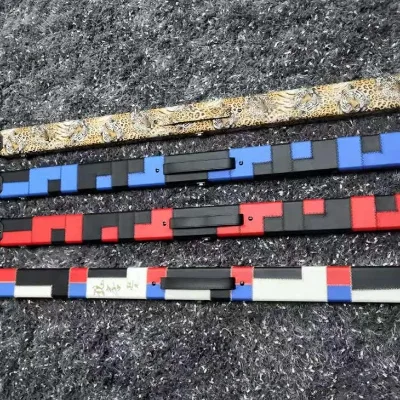
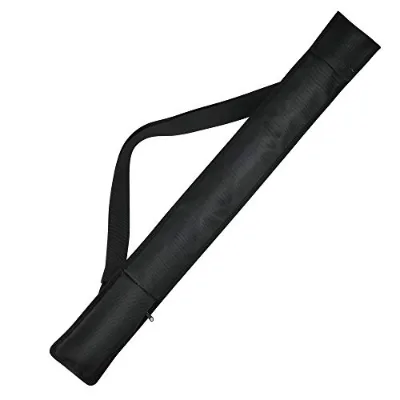
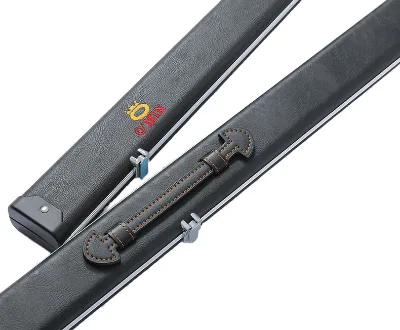
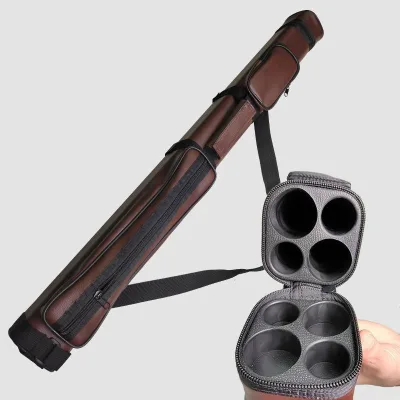
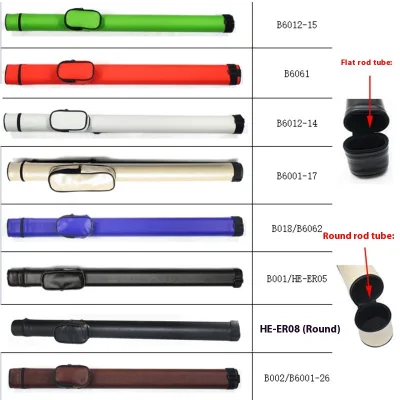
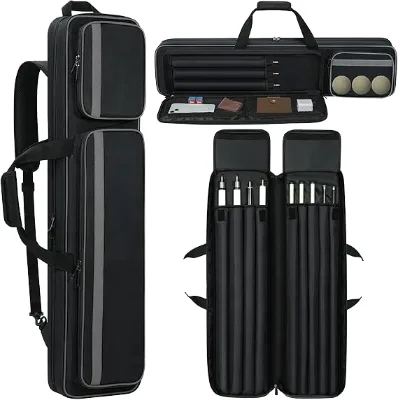
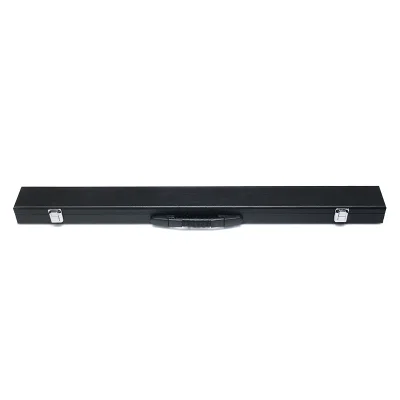
Sourcing billiard cue bags requires a clear understanding of the distinct product categories available in the market, which range from soft-sided protective cases to rigid, high-capacity transport solutions. Buyers must first distinguish between a dedicated cue bag, often designed for leisure and travel, and a specialized cue stick or rod box, which may serve racing or entertainment applications. The observed product landscape includes items labeled as "Pool Cue Bags" with capacities between 20-35 liters, constructed from durable polyester net fabric, as well as rigid cases made from PU leather or wood. These variations dictate entirely different procurement strategies, as the material choice directly impacts durability, weight, and protection levels for the delicate cue sticks inside.
Procurement teams should also evaluate the customization options available from suppliers, as branding and specific functional requirements often drive the final selection. Many manufacturers offer logo printing services and OEM capabilities, allowing buyers to create branded merchandise for tournaments or retail distribution. The observed data indicates that customization is widely available, with some suppliers offering fully customized structures and others providing standard models with minor modifications. Understanding these options early in the sourcing process helps buyers align their orders with marketing goals, ensuring that the final product not only protects the equipment but also reinforces brand identity through professional packaging and visible branding elements.
Product Scope and Observed Listing Signals
The current market listings reveal a diverse array of billiard accessories, with prices ranging from approximately $2.89 to $95, reflecting significant variation in material quality and construction complexity. Buyers will encounter products made from polyester net fabric, which offers breathability and lightweight portability, as well as those constructed from PU leather or wood, which provide superior structural integrity and a premium aesthetic. The observed minimum order quantities (MOQs) vary widely, from single pieces for sample testing to 500 pieces for bulk production, indicating that suppliers cater to both small boutique orders and large-scale commercial distributions. This price and volume disparity requires buyers to carefully assess their volume needs against the unit cost to determine the most economically viable sourcing channel.
Packaging standards also vary significantly across listings, with some suppliers using simple polybags while others employ professional paper cartons or specific carton configurations. For instance, certain products are packed in one PP bag per unit, while others utilize robust carton packaging designed to protect the item during international shipping. The observed dimensions for some rigid cases, such as those measuring 33.5 inches in length, suggest that buyers must consider storage and display requirements when selecting products. Additionally, the presence of "Medium Soft" hardness attributes in some listings points to flexible, padded designs, whereas "Waterproof" features in others indicate enhanced protection against environmental elements, a critical factor for buyers operating in humid or variable climates.
Technical Specifications to Verify
When evaluating technical specifications, buyers must prioritize the internal dimensions and capacity of the bag to ensure it accommodates the specific cue sticks and accessories required. The observed standard size of 33.5 inches in length is a critical benchmark for full-length cue sticks, but buyers should verify if the product includes additional compartments for tips, chalk, or spare shafts. Materials such as polyester net fabric and PU leather offer different levels of abrasion resistance and water repellency, so buyers should request material samples to assess texture and durability. The weight of the product, observed at around 0.8kg for some models, is another key factor, as lighter bags are preferred for travel, while heavier, more robust cases may be necessary for high-value equipment protection.
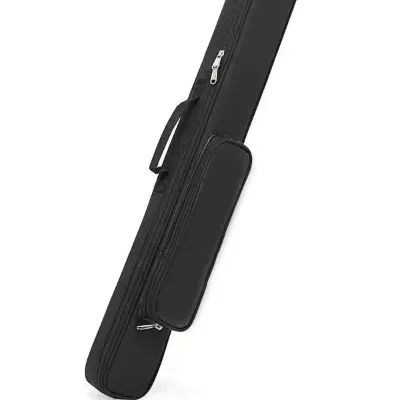
Structural integrity and hardware quality are equally important technical considerations that often determine the long-term usability of the cue bag. Buyers should verify the quality of zippers, handles, and shoulder straps, as these components endure significant stress during transport. The observed "Medium" and "Small" specifications suggest that sizing is not uniform across all products, so precise measurements must be cross-referenced with the buyer’s inventory. Furthermore, the presence of features like "Durable" construction and "Waterproof" coatings should be validated through supplier documentation or third-party testing reports, as these claims directly impact the product’s ability to protect expensive cue sticks from damage and environmental hazards.
Compliance and Safety Documentation
Compliance and safety documentation are essential for ensuring that billiard cue bags meet international trade regulations and consumer safety standards. Buyers should request material safety data sheets (MSDS) for any synthetic materials used, such as PU leather or polyester blends, to verify that they are free from harmful chemicals like phthalates or heavy metals. Although specific certification statuses are not explicitly detailed in the observed listings, buyers must proactively ask suppliers for relevant compliance certificates, such as REACH or CPSIA, depending on the target market. This due diligence is crucial for avoiding customs delays and ensuring that the products are safe for end-users, particularly in regions with strict environmental and health regulations.
Additionally, buyers should verify that the packaging materials used by suppliers comply with international shipping regulations, including those related to wood treatment or plastic waste. The observed use of paper cartons and polybags suggests a mix of materials, so buyers must ensure that all packaging components are recyclable or compliant with local waste management laws. Requesting a declaration of conformity from the supplier can help streamline the import process and provide legal protection in case of regulatory audits. By prioritizing compliance documentation, buyers can mitigate risks associated with non-compliant products and maintain a reputable supply chain that adheres to global safety and environmental standards.
Cost Drivers and Commercial Terms
Cost drivers for billiard cue bags include material selection, customization complexity, and order volume, all of which significantly influence the final unit price. Products made from premium materials like PU leather or featuring complex structural designs typically command higher prices compared to those made from standard polyester net fabric. The observed price range of $2.89 to $95 highlights the impact of these factors, with higher-end products offering enhanced durability and aesthetic appeal. Buyers should also consider the cost of logo printing and OEM services, which may incur additional fees but add value through brand differentiation. Understanding these cost components allows buyers to negotiate more effectively and allocate their budget efficiently based on their specific product requirements.
Commercial terms, including minimum order quantities (MOQs) and sample times, play a crucial role in the procurement process. The observed MOQs range from one piece to 500 pieces, offering flexibility for buyers with varying volume needs. Sample times of 5-7 days are typical, allowing buyers to evaluate product quality before committing to large orders. Buyers should also clarify payment terms, shipping responsibilities, and return policies to avoid unexpected costs. By negotiating favorable commercial terms, buyers can reduce financial risk and ensure a smoother transaction process, ultimately leading to a more successful sourcing outcome.
Supplier Qualification and Quality Control
Supplier qualification is a critical step in ensuring the reliability and consistency of Billiard Cue Bag supplies. Buyers should verify the supplier’s manufacturing capabilities, including their production capacity, quality control processes, and experience in the billiard accessories industry. The observed origins in Quanzhou and Zhejiang, China, indicate established manufacturing hubs with expertise in leather goods and sports equipment. Buyers should request factory audits or third-party inspection reports to assess the supplier’s adherence to quality standards and ethical labor practices. This due diligence helps identify reputable suppliers who can consistently deliver high-quality products and meet delivery deadlines.
Quality control measures should be implemented throughout the production process to ensure that the final products meet the buyer’s specifications. Buyers should define clear quality criteria, including material thickness, stitching quality, and hardware durability, and communicate these requirements to the supplier. Implementing pre-production samples and in-line inspections can help identify and rectify defects early in the manufacturing process. Additionally, buyers should establish a clear protocol for handling non-conforming products, including return policies and compensation terms. By prioritizing supplier qualification and rigorous quality control, buyers can minimize the risk of receiving substandard products and maintain a high level of customer satisfaction.
Long-Term Procurement Checks
Long-term procurement checks involve continuous monitoring of supplier performance and market trends to ensure sustained value and reliability. Buyers should regularly review supplier metrics, such as on-time delivery rates, product defect rates, and responsiveness to issues, to identify potential risks and areas for improvement. Establishing a scorecard system can help track these metrics objectively and facilitate data-driven decision-making. Additionally, buyers should stay informed about changes in material costs, regulatory requirements, and consumer preferences that may impact the sourcing strategy. By maintaining a proactive approach to supplier management, buyers can adapt to market changes and maintain a competitive edge.
Furthermore, buyers should foster strong relationships with their suppliers through regular communication and collaborative planning. Engaging in joint product development or sharing market insights can lead to innovative solutions and improved product offerings. Buyers should also consider diversifying their supplier base to mitigate risks associated with single-source dependencies. By implementing long-term procurement checks and building strategic partnerships, buyers can ensure a resilient and efficient supply chain that supports their business growth and customer satisfaction goals.
FAQs
What materials are commonly used for billiard cue bags and cases?
Listed options include polyester net fabric, PU leather, and PU rod-box material, each offering different protection levels. Polyester net fabric keeps the bag lightweight at around 0.8kg, while PU leather and PU boxes give harder exterior protection for cues. Buyers should match the material to transport conditions, preferring padded PU designs when cues face frequent handling or travel.
How many cues can a typical Billiard Cue Bag hold?
Capacity varies by design, with many cases built as 3/4 rod boxes that hold one cue separated into butt and shaft sections. Larger racket-style bags in the 20-35L capacity range can carry multiple cues plus chalk and accessories. Buyers should confirm slot count and internal dividers before ordering, since a single-case layout suits players while multi-slot designs suit clubs.
What sizes are available for billiard cue bags?
Observed listings show sizes above 10 inch, with one documented standard of 33.5 inches long, 3.5 inches wide, and 8 inches high. That elongated format accommodates full-length cues, while 3/4 rod boxes split storage into shorter sections for easier carrying. Buyers should measure their cue length and compare it to the listed specification before committing to a model.
Can I customize a Billiard Cue Bag with my own logo?
Yes, customization is available, and some listings include logo printing as a standard feature. Options typically cover logo placement, color choices, and size adjustments depending on the model. Sample production takes about 5-7 days for customized pieces, so buyers should budget that lead time before bulk ordering. Confirm artwork requirements and MOQ terms with the supplier in advance.
What is the typical minimum order quantity for billiard cue bags?
Minimum order quantities vary widely across listings, ranging from as low as 1 piece for certain cue cases up to 500 pieces for customized bags. Lower MOQ options usually suit sample testing or small retail runs, while higher MOQ tiers apply to logo-printed or tailored designs. Buyers should state their intended order volume early so suppliers can quote matching terms.
How are billiard cue bags packed for shipping?
Packing methods observed include individual polybags, one PP bag per unit, and carton packing, with some suppliers using professional paper cartons for bulk shipments. Polybag and PP-bag packing protect each bag from dust and surface scratches during transit, while cartons provide outer strength for container loads. Buyers can usually request specific packing arrangements as part of customization.