Source Biochemical Reagent HEPES Buffer Powder for Research
Find and compare 23 listings for Biochemical Reagent HEPES Buffer Powder from verified Chinese manufacturers. Evaluate purity levels, packaging options, and pricing to select the right material for your laboratory needs.
Key considerations
Products List




Comprehensive Sourcing Guide
Hepes Buffer Powder Sourcing Guide
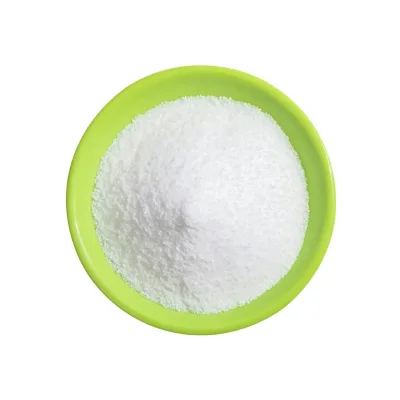
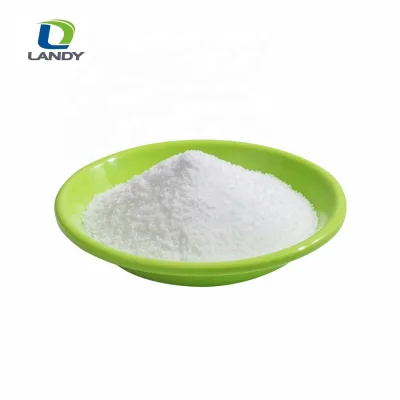
Procuring high-purity Hepes buffer powder requires a disciplined approach to verifying chemical identity and physical state, as the market offers variations in packaging and intended application. The core product is identified as a white, dry powder with a molecular weight of 238.3, typically supplied in bottles or drums depending on the order volume. Buyers must distinguish between products labeled for general analytical reagents and those specifically graded for biological purposes, as the purity specifications and trace impurity limits can vary significantly between these categories.
The sourcing landscape for this biochemical reagent is characterized by a wide range of commercial terms, with observed minimum order quantities spanning from single kilograms to bulk drum shipments. While the product is consistently described as water-soluble and stable at room temperature when stored correctly, the specific packaging standards—ranging from 500g bottles to 25kg buckets—directly influence logistics planning and inventory management. Understanding these physical and commercial variables is essential before engaging with suppliers to ensure the selected material aligns with laboratory scale requirements and storage capabilities.
Product Scope and Observed Listing Signals
When evaluating product listings, buyers should prioritize the distinction between general synthesis intermediates and high-purity biochemical reagents, as the latter often carries stricter quality controls for biological applications. The observed data indicates that while many suppliers offer the product as a white powder with a purity above 99%, some listings classify the material as an industrial synthesis intermediate, which may not meet the stringent requirements for diagnostic or research use. It is critical to verify the specific product model and classification, such as "Hepes Buffer" or "TBE," to ensure the chemical matches the intended experimental protocol.
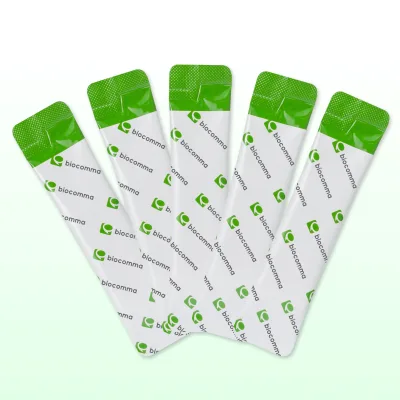
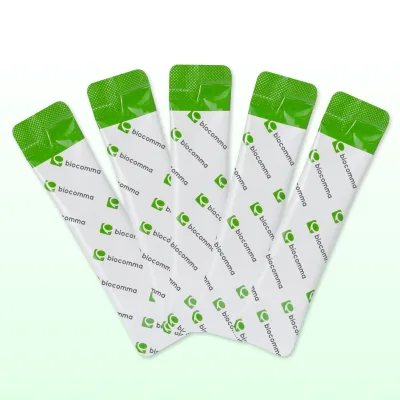
Packaging and origin details serve as key signals for the intended market segment and logistical feasibility. Listings frequently specify origins in Chinese provinces like Hubei or Anhui, with packaging options ranging from 1kg bags to 25kg drums, and some suppliers offer tailored packaging upon request. Buyers must confirm whether the product is supplied as a dry powder source and check for specific attributes like "OEM Packing" availability if custom labeling is required for internal inventory systems. These details help filter out generic chemical suppliers who may not specialize in the precise handling and documentation needed for sensitive biochemical reagents.
Technical Specifications to Verify
The primary technical verification step involves confirming the assay and purity levels, as the supplied facts indicate a minimum assay of 99.5% for specific high-grade batches, while others may simply state "above 99%." Buyers should request a Certificate of Analysis (CoA) that explicitly details the assay percentage and compares it against the specific product model, such as the one associated with CAS number 7365-45-9. Relying on general descriptions without a specific assay value can lead to inconsistencies in buffer preparation, particularly for applications requiring precise pH stability and ionic strength.
Physical and chemical properties must be cross-referenced with the supplier's data sheet to ensure compatibility with laboratory equipment and storage conditions. Key parameters to verify include the melting point, which is observed in the range of 234-238°C, and the density of 1.07 g/ml at 20°C, which affects bulk handling calculations. Additionally, the solubility profile should be confirmed as "clear" in water, and buyers must check for specific impurity limits, such as iron content being less than 5 ppm and ultraviolet absorbance at 260nm being less than 0.1, to ensure the reagent will not interfere with sensitive spectrophotometric assays.
Compliance and Safety Documentation
Safety documentation for Hepes buffer powder must address the specific storage conditions required to maintain chemical integrity and user safety. The product facts indicate a need to avoid light and moisture during storage, which implies that the supplier must provide clear instructions on handling and packaging that protects the powder from environmental degradation. Buyers should verify that the provided safety data sheets (SDS) explicitly mention these storage requirements and outline the appropriate personal protective equipment (PPE) for handling dry powders, even if the material is generally considered a standard biochemical reagent.
Regulatory compliance extends to the classification of the material and the documentation of its origin and transport. Since the product is often sourced from China, buyers must ensure that the supplier provides accurate documentation regarding the product's classification as a biochemical reagent or analytical reagent, which affects customs clearance and import regulations. While specific certifications like ISO9000 are mentioned in background contexts, buyers should not assume certification status without direct verification from the supplier, and instead request evidence of quality management systems that align with the specific grade of the reagent being purchased.
Cost Drivers and Commercial Terms
The cost of Hepes buffer powder is heavily influenced by the grade of the material and the packaging format selected, with prices observed ranging from $0.04 to $160 depending on the quantity and purity specifications. Buyers should anticipate that higher purity grades, such as those with an assay of 99.5% and specific impurity limits, will command a premium over general industrial grades. The minimum order quantity (MOQ) is a significant cost driver, with observed ranges from 1 kg to 250 units, meaning that small laboratory orders may incur a higher per-unit cost compared to bulk procurement for large-scale research facilities.
Commercial terms regarding shipping and packaging customization also play a crucial role in the total cost of ownership. Suppliers often offer tailored packaging options, such as 1kg bags or 25kg drums, and some may provide OEM packing services, which can add value but may also affect the final price. Buyers must clarify whether the quoted price includes transport via ordinary goods trucks and if there are additional costs for specialized handling required by the "avoid light and moisture" storage condition. Understanding these variables helps in budgeting for both the initial purchase and the ongoing logistics of maintaining a steady supply of the reagent.
Supplier Qualification and Quality Control
Supplier qualification should focus on the manufacturer's ability to consistently produce high-purity materials that meet the specific biological or analytical requirements of the buyer. The observed data identifies manufacturers such as Hubei Xindesheng, but buyers should not rely on a single name; instead, they must verify the supplier's track record in producing biochemical reagents with the specific attributes listed, such as the correct molecular weight and solubility profile. A qualified supplier will provide transparent information about their production processes and quality control measures to ensure that every batch meets the stated purity standards.
Quality control verification requires a rigorous review of batch-specific test results rather than relying on general product descriptions. Buyers should demand a Certificate of Analysis for each shipment that confirms the assay, melting point, density, and impurity levels match the specifications provided in the product listing. It is essential to verify that the product model and standard, such as the 500g/bottle or 25kg/bucket standards, are consistently met across different batches. This due diligence ensures that the reagent will perform reliably in critical applications like biological buffering and diagnostic testing.
Long-Term Procurement Checks
Establishing a long-term procurement strategy for Hepes buffer powder involves monitoring the consistency of product quality and the reliability of the supply chain over time. Buyers should implement a system to track batch-to-batch variations in key parameters like purity and solubility, ensuring that the supplier maintains the high standards required for scientific research. Regular audits of the supplier's quality control processes and a review of their ability to meet changing order volumes are necessary to prevent disruptions in laboratory operations.
Shelf life and storage stability are critical factors for long-term planning, as the product has an observed shelf life of 2 years when stored under the correct conditions. Procurement teams must align their ordering frequency with the product's stability profile to minimize waste and ensure that the reagent remains effective throughout its intended use period. Additionally, buyers should maintain open communication with suppliers regarding any updates to storage recommendations or changes in packaging standards to ensure that the reagent is handled correctly from the point of manufacture to the final point of use in the laboratory.
FAQs
What is the purity level of Hepes buffer powder?
The Hepes buffer powder typically has a purity above 99%, with some grades offering a minimum assay of 99.5%. This high purity ensures reliable performance in biological applications. The material is classified as a high-purity biochemical reagent suitable for analytical and diagnostic purposes. Buyers should verify specific assay requirements based on their research needs.
How should Hepes buffer powder be stored?
Hepes buffer powder should be stored at room temperature in a dry place. It is crucial to avoid light and moisture to maintain stability. The product has a shelf life of two years when stored correctly. Proper packaging, such as bottles or drums, helps protect the powder from environmental factors that could degrade its quality.
What packaging options are available for Hepes buffer?
Hepes buffer is available in various packaging formats including bottles, cartons, bags, and drums. Standard options include 500g bottles and 25kg drums or buckets. Custom packaging is available upon request, allowing for tailored solutions. The material can be sourced in 1kg bags or larger industrial quantities depending on the supplier and order volume.
Can Hepes buffer powder be customized for specific needs?
Yes, customization is available for Hepes buffer powder to meet specific laboratory or industrial requirements. Suppliers offer tailored packaging and potentially specific purity grades. OEM packing services are also provided by some manufacturers. Buyers can request specific quantities or packaging formats to align with their operational workflows and storage capabilities.
What is the solubility of Hepes buffer in water?
Hepes buffer powder is soluble in water, forming a clear solution. This property makes it ideal for use as a biological buffer in various scientific research applications. The solubility allows for easy preparation of buffer solutions with precise pH control. Users should follow standard laboratory procedures for dissolving the powder to ensure optimal results.
Where is Hepes buffer powder typically manufactured?
Hepes buffer powder is primarily manufactured in China, with production facilities located in regions such as Hubei Province and Anhui Province. Specific cities like Ezhou City are noted as production origins. These locations serve as key sourcing hubs for high-purity biochemical reagents. Buyers can trace the origin to ensure compliance with their supply chain requirements.
What is the minimum order quantity for Hepes buffer?
The minimum order quantity for Hepes buffer powder can start as low as 1 kg. Some suppliers may have higher MOQs, up to 250 units depending on the packaging. This flexibility allows small laboratories and large manufacturers to procure the reagent efficiently. Buyers should check specific supplier terms to determine the exact MOQ for their desired quantity.