Source Biochemical Reagent Luminol Powder for diagnostics, research, and forensics
Find 27 verified listings for Biochemical Reagent Luminol Powder with varying specifications like 99% purity and industrial grades. Buyers can compare CAS 521-31-3 options suitable for biological purposes, tissue medium, and analytical reagents from Chinese manufacturers.
Key considerations
Products List


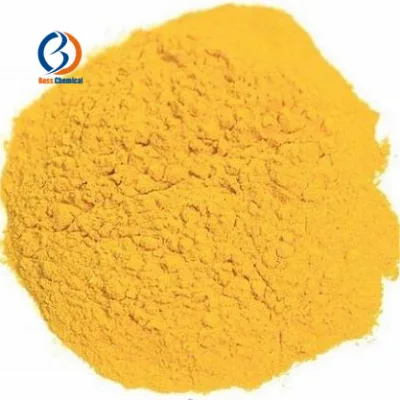


Photoluminescent Glow in The Dark Powder Luminous Powder Pigment Manufacturer
$75.00 - $87.00
MOQ: 1 kg
Comprehensive Sourcing Guide
Strategic Sourcing Guide for Biochemical Reagent Luminol Powder
Understanding the Technical Profile of Luminol Reagents
When sourcing Biochemical Reagent Luminol Powder, buyers must first establish a precise understanding of the material's physical and chemical characteristics to ensure compatibility with specific laboratory or industrial applications. The core product is identified by the CAS number 521-31-3 and the molecular formula C8H7N3O2, with a molecular weight of 177.16. These fundamental identifiers are critical for verifying the chemical identity of any batch received from a supplier. The substance typically presents as an off-white powder, classified under the state of solid matter. In terms of physical properties, the density is estimated at 1.3393, while the melting point is recorded as greater than 300 °C. The boiling point is approximately 309.07 °C, though this is often cited as a rough estimate depending on the specific testing conditions.
Solubility profiles are a primary concern for procurement teams, as they dictate the formulation process for end-use applications. Luminol powder exhibits specific solubility behaviors: it dissolves readily in alkaline solutions and dilute acids. Conversely, it is insoluble in water and alcohol. This distinction is vital for storage and handling protocols, as well as for the preparation of working solutions in diagnostic or research settings. The product is generally categorized as a biochemical reagent with a specific usage profile for biological purposes, tissue medium purposes, and pro-analysis. It is also noted for its application as a chemiluminescence reagent, a function that relies heavily on the purity and stability of the powder form.
Compliance Standards and Certification Verification
For buyers operating in regulated industries such as pharmaceuticals, diagnostics, or high-level scientific research, verifying the compliance status of the supplier is non-negotiable. The market data indicates that suppliers often provide products adhering to standards such as BP (British Pharmacopoeia), USP (United States Pharmacopeia), ISO, HSE, and GMP. These certifications suggest a commitment to quality management systems and safety protocols, but buyers must treat these as observations of the supplier's claimed capabilities rather than guaranteed attributes of every single SKU. The product standard is frequently listed as 99%, indicating a high purity threshold, which is essential for analytical reagents where trace impurities can skew chemiluminescence results.
In addition to chemical standards, the classification of the product often aligns with AR (Analytical Reagent) grade, which is suitable for laboratory reagents and diagnostic applications. The source of the material is typically described as extractive or dry powder, and the product is generally classified as non-dangerous, simplifying certain aspects of logistics and storage. However, the presence of certifications like ISO 9001 should be treated as background information rather than a concrete claim unless explicitly verified on the certificate of analysis for the specific batch. Buyers should request documentation proving that the specific lot they are purchasing meets the claimed standards, as certifications can vary by facility and production line.
Cost Drivers and Pricing Dynamics
The procurement of luminol powder involves navigating a complex pricing structure influenced by grade, packaging, and order volume. The observed market price range spans from $0.04 to $800 USD, a variance that reflects differences in purity levels, packaging formats, and order quantities. The minimum order quantity (MOQ) also fluctuates significantly, ranging from 1 unit to 250 units, allowing flexibility for both small-scale research labs and large industrial buyers. Several factors drive these cost variations. First, the grade of the reagent is a primary determinant; AR grade and high-purity 99% batches command a premium over technical or practical use grades.
Secondly, packaging plays a substantial role in the final cost. Options range from simple bags to vacuum-sealed foil bags and bottles. Vacuum-sealed foil bags are often preferred for maintaining the stability of the powder over long periods, which may justify a higher price point. The unit of measure also affects pricing; some listings specify standards such as 1g/bag, while others may offer bulk quantities. Buyers must balance the upfront cost against the shelf life of the product, which is typically two years. Purchasing in larger quantities may reduce the per-unit cost but requires careful inventory management to ensure the product is used before expiration. Additionally, customization availability can influence pricing, as tailored specifications or specific packaging requirements often incur additional processing fees.
Typical Applications and Usage Scenarios
Luminol powder is a versatile biochemical reagent with a wide array of applications across multiple sectors. Its primary function is as a chemiluminescence reagent, utilized extensively in scientific research to detect trace amounts of substances through light emission. In the healthcare and diagnostic sectors, it serves as a critical component in diagnostic reagents, aiding in the identification of biological markers. The product is specifically noted for its suitability for biological purposes and tissue medium purposes, making it indispensable in cellular and molecular biology studies.
The application scope extends to industrial and health-related fields, where it is used as a laboratory reagent for various analytical procedures. The specific usage categories include pro-analysis, technical grade applications, and practical use in research environments. The classification as a fine chemical highlights its importance in the broader chemical industry. Whether used for forensic analysis, environmental testing, or fundamental biochemical research, the performance of luminol is directly tied to its purity and the stability of its storage conditions. Buyers should align their procurement strategy with their specific end-use, ensuring that the selected grade meets the sensitivity requirements of their particular application.
Supplier Evaluation and Quality Control Protocols
Evaluating potential suppliers requires a rigorous approach that goes beyond surface-level product listings. Buyers should prioritize suppliers who demonstrate transparency regarding their production standards and quality control measures. Key evaluation criteria include the consistency of the product model, such as QMZXH25159 or SWP-B-0113, and the clarity of the product specifications provided. A reliable supplier will offer detailed information on the product's origin, which is typically China, and provide clear documentation on the manufacturing process.
Quality control is paramount, especially given the sensitivity of chemiluminescence assays. Buyers must verify that the supplier conducts appropriate testing to ensure the product meets the stated 99% purity and other physical specifications. The presence of certifications like GMP and ISO suggests a robust quality management system, but buyers should request batch-specific test results to confirm that the actual product matches the claimed standards. Additionally, the supplier's ability to provide customized solutions, such as specific packaging or tailored purity levels, indicates a higher level of service and adaptability. It is essential to assess the supplier's track record in delivering consistent quality, as variations in the powder's characteristics can significantly impact experimental outcomes.
Long-Term Procurement and Storage Considerations
Sourcing luminol powder is not merely a transactional event but a long-term commitment to maintaining supply chain stability and product integrity. Storage conditions are critical to preserving the efficacy of the reagent. The product must be stored below +30°C, in a cool and dry place, and protected from light and moisture. These requirements are non-negotiable for maintaining the two-year shelf life of the product. Failure to adhere to these storage guidelines can lead to degradation, rendering the reagent ineffective for its intended analytical or diagnostic purposes.
Buyers should also consider the logistics of long-term procurement. The availability of customization options allows for the optimization of packaging to suit specific storage environments, such as the use of vacuum-sealed foil bags to minimize exposure to air and moisture. The product's classification as a non-dangerous chemical simplifies shipping and handling, but the specific storage temperature requirements must be communicated clearly to logistics partners. Furthermore, the variability in MOQs means that buyers must plan their inventory levels carefully to avoid stockouts while minimizing waste from expired products. Establishing a relationship with a supplier who can provide consistent quality and flexible ordering options is essential for the long-term success of any research or industrial program relying on luminol reagents.
Comparative Analysis of Product Specifications
To facilitate informed decision-making, the following table summarizes the key technical and logistical attributes observed in the market for Biochemical Reagent Luminol Powder. This comparison highlights the variations in specifications that buyers should evaluate when selecting a supplier.
| Attribute | Observation A | Observation B | Observation C |
|---|---|---|---|
| Product Model | QMZXH25159 | SWP-B-0113 | luminol |
| Appearance | Powder | Fine Chemicals | Off-White Powder |
| State | Solid | Solid | Solid |
| Purity/Standard | 99% | 99% | Standard |
| Packaging | Bag | Vacuum Sealed Foil Bag | Bottle |
| Grade | Industrial | AR | Technical Grade |
| Storage Temp | Below +30°C | Room Temperature | Room Temperature |
| Shelf Life | 2 Years | 2 Years | 2 Years |
| Certifications | BP, USP, ISO, HSE, GMP | BP, USP, ISO, HSE, GMP | BP, USP, ISO, HSE, GMP |
| Solubility | Alkaline Solution, Dilute Acid | Alkaline Solution, Dilute Acid | Alkaline Solution, Dilute Acid |
| Insoluble In | Water and Alcohol | Water and Alcohol | Water and Alcohol |
| CAS Number | 521-31-3 | 521-31-3 | 521-31-3 |
| Molecular Weight | 177.16 | 177.16 | 177.16 |
| Specific Usage | Biological Purpose, Pro Analysis | Biological Purpose, Tissue Medium | Biological Purpose, Practical Use |
This table underscores the importance of verifying specific attributes against the buyer's requirements. While core chemical properties remain consistent, differences in packaging, grade, and specific usage recommendations can significantly impact the suitability of a product for a particular application. Buyers must carefully review these details to ensure alignment with their operational needs and quality standards.
FAQs
What is the purity standard for Biochemical Reagent Luminol Powder?
The product standard is typically 99% purity. This high purity level is essential for analytical reagents and diagnostic applications where trace impurities can affect chemiluminescence results.
How should Biochemical Reagent Luminol Powder be stored?
Store the powder below +30°C in a cool, dry place protected from light and moisture. Adhering to these conditions ensures the two-year shelf life is maintained effectively.
Which certifications are commonly associated with luminol powder suppliers?
Suppliers often provide products certified under BP, USP, ISO, HSE, and GMP standards. These certifications indicate adherence to quality management and safety protocols for industrial and laboratory use.
Can luminol powder be customized for specific packaging needs?
Yes, customization is available for packaging and specifications. Options include bags, vacuum-sealed foil bags, or bottles to suit different storage and handling requirements.
What is the solubility profile of Biochemical Reagent Luminol Powder?
Luminol dissolves in alkaline solutions and dilute acids but is insoluble in water and alcohol. This solubility profile is critical for preparing working solutions in diagnostic and research settings.
Which grades of luminol powder are available for laboratory use?
Available grades include Industrial, AR (Analytical Reagent), and Technical Grade. The AR grade is specifically suitable for laboratory reagents and diagnostic applications requiring high precision.